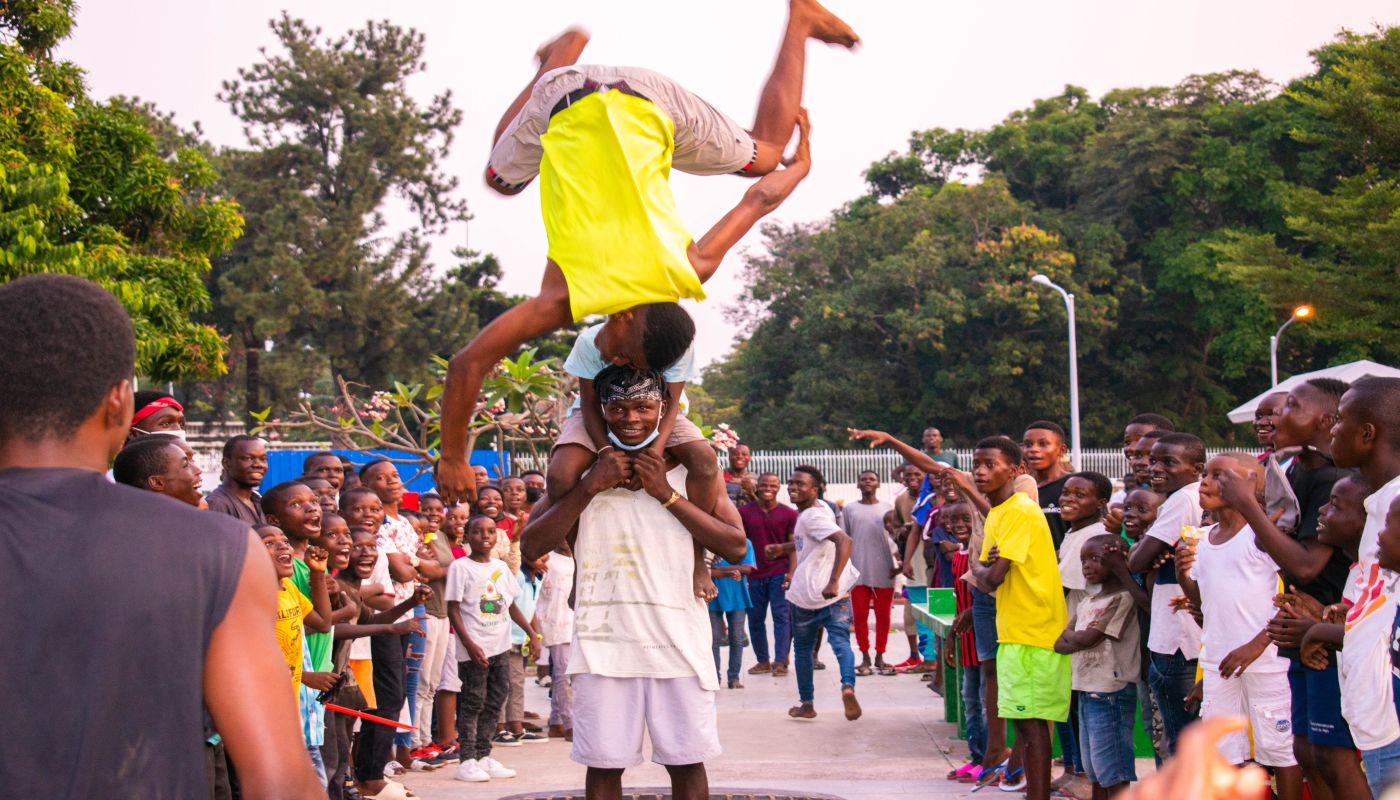
Landscape of Congo
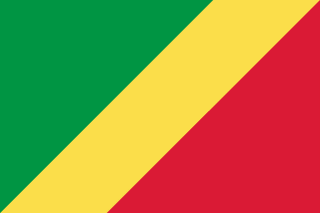
Flag of Congo

Congo

Africa

Congo, officially known as the Democratic Republic of Congo (DRC), is a vast country located in Central Africa. It is the second-largest country in Africa by land area and is home to a diverse population of over 90 million people. Congo is rich in natural resources such as minerals, forests, and water, and has a strong potential for agricultural development. Congo has faced many challenges, including political instability, conflicts, poverty, and disease outbreaks, which have hindered its progress and development. The country has a fascinating history, cultural heritage, and biodiversity, making it a unique and important part of the African continent.

What would you like to learn about in Congo?

Select a section to explore the country where nonprofits are creating positive change.

About Congo

Upon independence in 1960, the former French region of Middle Congo became the Republic of the Congo. A quarter century of experimentation with Marxism was abandoned in 1990 and a democratically elected government took office in 1992. A brief civil war in 1997 restored former Marxist President Denis SASSOU-Nguesso, and ushered in a period of ethnic and political unrest. Southern-based rebel groups agreed to a final peace accord in March 2003, but the calm is tenuous and refugees continue to present a humanitarian crisis. The Republic of Congo is one of Africa's largest petroleum producers, but with declining production it will need new offshore oil finds to sustain its oil earnings over the long term.

Quick Facts

Population
4,492,689 (July 2013 est.)
Area
342,000 sq km
ISO Code
CG
Continent
Africa
Government
republic
Active Causes
12
View all countries in Africa

Geography & Environment

Climate

tropical; rainy season (March to June); dry season (June to October); persistent high temperatures and humidity; particularly enervating climate astride the Equator

Terrain

coastal plain, southern basin, central plateau, northern basin

Natural Resources

petroleum, timber, potash, lead, zinc, uranium, copper, phosphates, gold, magnesium, natural gas, hydropower

Environmental Issues

air pollution from vehicle emissions; water pollution from the dumping of raw sewage; tap water is not potable; deforestation

People & Society

55.6 years
Avg. Life Expectancy
83.8%
Literacy Rate
63.7% of total population (2011)
Total Urban Population

Languages

French (official), Lingala and Monokutuba (lingua franca trade languages), many local languages and dialects (of which Kikongo is the most widespread)

Religions

Christian 50%, animist 48%, Muslim 2%

Health Expenditure

2.5% of GDP (2010) of GDP

Education Expenditure

6.2% of GDP (2010) of GDP

Economy

$4,700
GDP per Capita (PPP)
53%
Unemployment Rate
46.5% (2011 est.)
Below Poverty Line

Economic Overview

The economy is a mixture of subsistence hunting and agriculture, an industrial sector based largely on oil and support services, and government spending. Oil has supplanted forestry as the mainstay of the economy, providing a major share of government revenues and exports. Natural gas is increasingly being converted to electricity rather than being flared, greatly improving energy prospects. New mining projects, particularly iron ore, that may enter production as early as late 2013 may add as much as $1 billion to annual government revenue. Economic reform efforts have been undertaken with the...

Causes in Congo

Environment

The Democratic Republic of Congo, located in Central Africa, is home to one of the world's most biodiverse environments, including the second largest tropical rainforest after the Amazon. The country's environment plays a crucial role in sustaining the livelihoods of its people, providing resources such as timber, minerals, and wildlife. However, rampant deforestation, illegal mining activities, and climate change pose significant threats to the environment in Congo. Deforestation for agricultural expansion and logging has led to habitat destruction, loss of biodiversity, and increased greenhouse gas emissions. Additionally, unregulated mining practices have resulted in water pollution and soil degradation, impacting both the environment and public health. Addressing these environmental challenges is essential to ensuring a sustainable future for Congo and its inhabitants.

Family

In the Democratic Republic of the Congo, family serves as the cornerstone of society, providing emotional support, financial assistance, and a sense of identity for individuals. However, the country's ongoing conflicts and economic instability have placed significant strain on familial relationships. Displacement, violence, and poverty have led to the breakdown of many families, leaving children vulnerable to exploitation and abuse. Additionally, traditional gender roles often limit women's access to education and economic opportunities, further perpetuating cycles of poverty and inequality within families. It is essential to address these systemic issues in order to strengthen family structures and promote social well-being in the Democratic Republic of the Congo.

Human Rights

The Democratic Republic of Congo, often referred to as Congo, is a country in Central Africa with a history marred by conflict and human rights abuses. Human rights violations in Congo are widespread and have a severe impact on its population. The country has faced issues such as political repression, arbitrary arrests, extrajudicial killings, and restrictions on freedom of speech and assembly. Furthermore, there have been reports of widespread sexual violence, child labor, and forced displacement of civilians. These violations not only undermine the well-being of the Congolese people but also hinder the country's overall development and stability. It is crucial to raise awareness about these human rights issues in Congo to advocate for positive change and support efforts to promote respect for human rights in the region.

Education

The Democratic Republic of Congo, located in Central Africa, faces numerous challenges in its education system that profoundly impact its population. With a history of conflict and instability, access to quality education is limited in many parts of the country, especially in rural areas. The lack of infrastructure, trained teachers, and resources hinders educational development, leading to high dropout rates and low literacy levels. Additionally, the prevalence of child labor and early marriages further exacerbate the barriers to education for many Congolese children, especially girls. Addressing these issues is crucial for the country's overall development, as education plays a vital role in breaking the cycle of poverty and promoting social and economic progress.

Poverty

Situated in Central Africa, the Democratic Republic of the Congo is a nation grappling with widespread poverty, affecting a significant portion of its population. The country faces numerous challenges such as political instability, armed conflict, and inadequate infrastructure, all of which contribute to the high levels of poverty experienced by its citizens. Poverty in Congo is exacerbated by limited access to education and healthcare, as well as low levels of employment opportunities, particularly in rural areas. This economic hardship results in food insecurity, malnutrition, and poor living conditions for many Congolese individuals and families. Addressing poverty in Congo requires both short-term interventions to meet immediate needs and long-term strategies to promote sustainable development and economic growth. By raising awareness about the impact of poverty on the people of Congo, we can support efforts to improve their quality of life and foster positive change in the country.

Religion

Religion plays a significant role in the Democratic Republic of the Congo, shaping its social fabric and influencing its cultural landscape. The country is predominantly Christian, with a majority of the population adhering to Catholicism and Protestantism. Religion in Congo is not only a matter of personal belief but also deeply intertwined with politics and governance. Religious institutions often serve as important pillars of community support, providing education, healthcare, and social services in the absence of a strong state infrastructure. However, religious tensions have also fueled conflicts within the country, particularly between different Christian denominations and traditional indigenous beliefs. It is essential to understand the complex interplay of religion in Congo to address societal challenges effectively and promote peace and stability in the region.

Clean Water

The Democratic Republic of the Congo, a country located in Central Africa, faces significant challenges related to access to clean water. With a population of over 80 million people, a substantial portion of the Congolese population lacks access to safe drinking water, leading to widespread health issues and contributing to a high mortality rate, particularly among children. Contaminated water sources in the country result in the spread of waterborne diseases such as cholera, typhoid fever, and diarrhea. This situation is further exacerbated by inadequate sanitation facilities and poor hygiene practices. The lack of clean water not only impacts the health of individuals but also hinders socio-economic development in the region. Addressing the issue of clean water accessibility in the Congo is crucial for improving the well-being and quality of life of its citizens.

Economy

The Democratic Republic of the Congo (DRC) is a resource-rich country in Central Africa, yet it remains one of the poorest nations in the world. The Congolese economy is heavily reliant on natural resources such as minerals, timber, and agricultural products. However, the exploitation and mismanagement of these resources have led to economic instability, corruption, and conflict within the country. The lack of infrastructure, weak governance, and widespread poverty further exacerbate the economic challenges faced by the Congolese population. The economy's impact on the people of Congo is profound, with high levels of poverty, unemployment, and limited access to basic services such as healthcare and education. Addressing these economic issues is crucial for the development and stability of the country, as well as improving the well-being of its citizens.

Government

The Democratic Republic of the Congo (DRC) faces a myriad of challenges that are deeply intertwined with its governmental structure. The country's vast mineral wealth has historically fueled conflict, corruption, and instability, exacerbating issues such as poverty, human rights abuses, and inadequate infrastructure. The DRC's government plays a crucial role in addressing these challenges, but issues such as political unrest, lack of transparency, and weak governance have hindered progress. Additionally, the country's colonial legacy and ongoing interference from external actors further complicate the situation. It is imperative for the Congolese government to prioritize good governance, accountability, and sustainable development initiatives to improve the lives of its citizens and foster long-term stability.

Health

The Democratic Republic of Congo, situated in Central Africa, faces numerous health challenges that significantly impact its population. The country's health sector is marred by a lack of infrastructure, limited access to healthcare services, and insufficient medical personnel. Infectious diseases such as malaria, tuberculosis, and HIV/AIDS remain prevalent, contributing to high mortality rates. Additionally, malnutrition and poor sanitation further exacerbate health issues in the region. With a large proportion of the population living in poverty, access to adequate healthcare is a luxury for many Congolese citizens. The ongoing conflicts and political instability in the country have also hindered efforts to improve the healthcare system and address public health concerns effectively.

Children

The Democratic Republic of Congo, located in Central Africa, faces numerous challenges that impact its children profoundly. Children in Congo are significantly affected by the ongoing conflict and violence in the region, resulting in grave violations of their rights, including recruitment as child soldiers, sexual exploitation, and lack of access to education and healthcare. The country also grapples with high rates of child mortality due to preventable diseases like malaria and malnutrition. Additionally, poverty and displacement further exacerbate the vulnerabilities faced by Congolese children, leaving many without proper care and protection. Organizations like UNICEF and Save the Children are actively working to address these issues and provide support to improve the well-being of children in Congo.

Animals

The Democratic Republic of the Congo, with its vast rainforests and rich biodiversity, is home to a variety of animal species that play a crucial role in the ecosystem. However, the country is facing numerous challenges that are impacting its wildlife population. Deforestation, driven by logging, mining, and agriculture, is leading to the loss of habitats for many species. This destruction of forests not only threatens the survival of iconic animals like gorillas, elephants, and bonobos but also disrupts the delicate balance of the ecosystem as a whole. Poaching and illegal wildlife trade further exacerbate the plight of Congo's animals, pushing many species to the brink of extinction. Conservation efforts are underway, but more needs to be done to protect the unique wildlife of Congo for future generations.

Nonprofits Working in Congo

Discover organizations making a difference in Congo

Orphans World Wide

Orphans World Wide

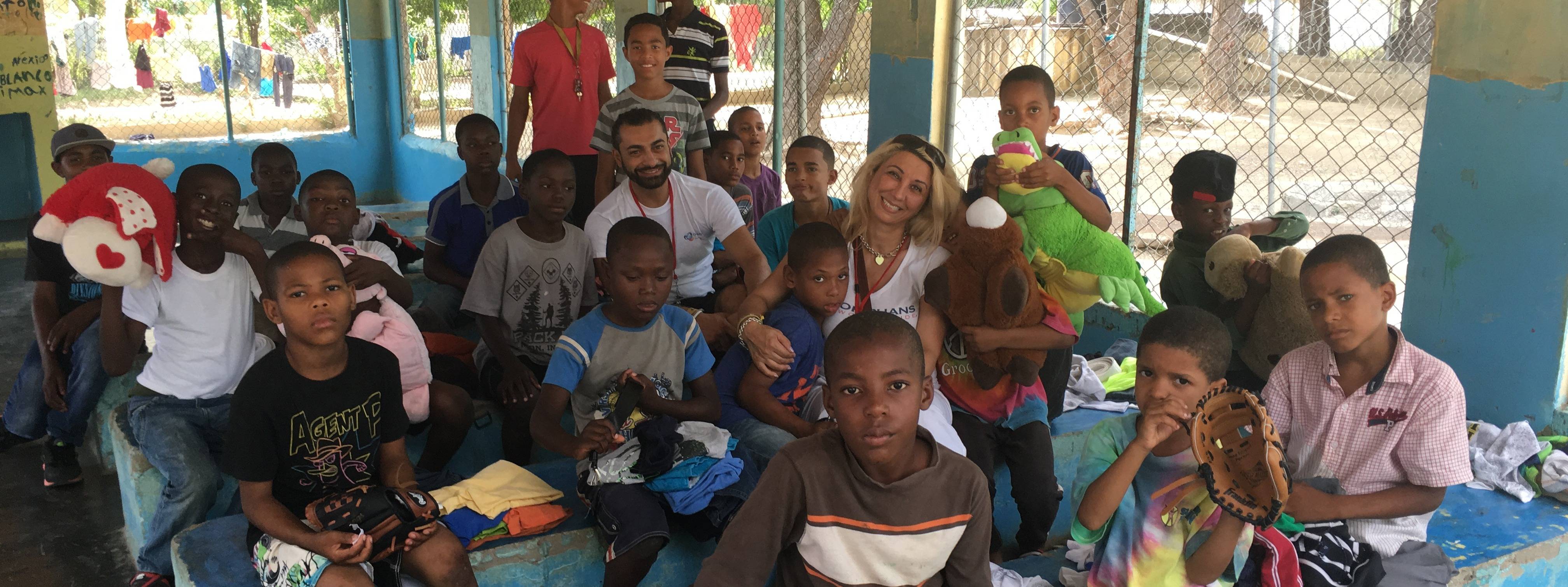
It is our mission to serve children, those orphaned or destitute from needy families across the globe without any restrictions. We have aimed to be the leading voice for those children who have lost everything. Orphans World Wide Organization strives to ensure that every child around the world grows up feeling loved and guarded, no matter what their circumstance is. Children with disabilities are no different from their peers without limitations and should feel no barriers. They deserve the lives of equal opportunities as they must be able to play and participate among their peers. We aim to make a change that will improve the lives of orphans who are not capable of supporting themselves. The vision of the organization is to be the largest umbrella that can cover as much orphans around the globe without any boundaries and to be able to identify and attend their unique needs through the psychosocial developmental stage of their lives. We strive to be able to recognize and analyze children’s health conditions and attend to their medical needs, regardless of nature. We are aiming to be able to provide medical and surgical services to our orphaned children and those of indigent families any time there is a need. We seek out for a world of love, hope and equality where poverty becomes a memory and children live in safety and dignity.

Jacksonville, Florida

Make Your Impact Today

Discover causes you care about and support the nonprofits making a difference in communities around the world.

Are you a nonprofit? Join Project World Impact for free

Join Us Free