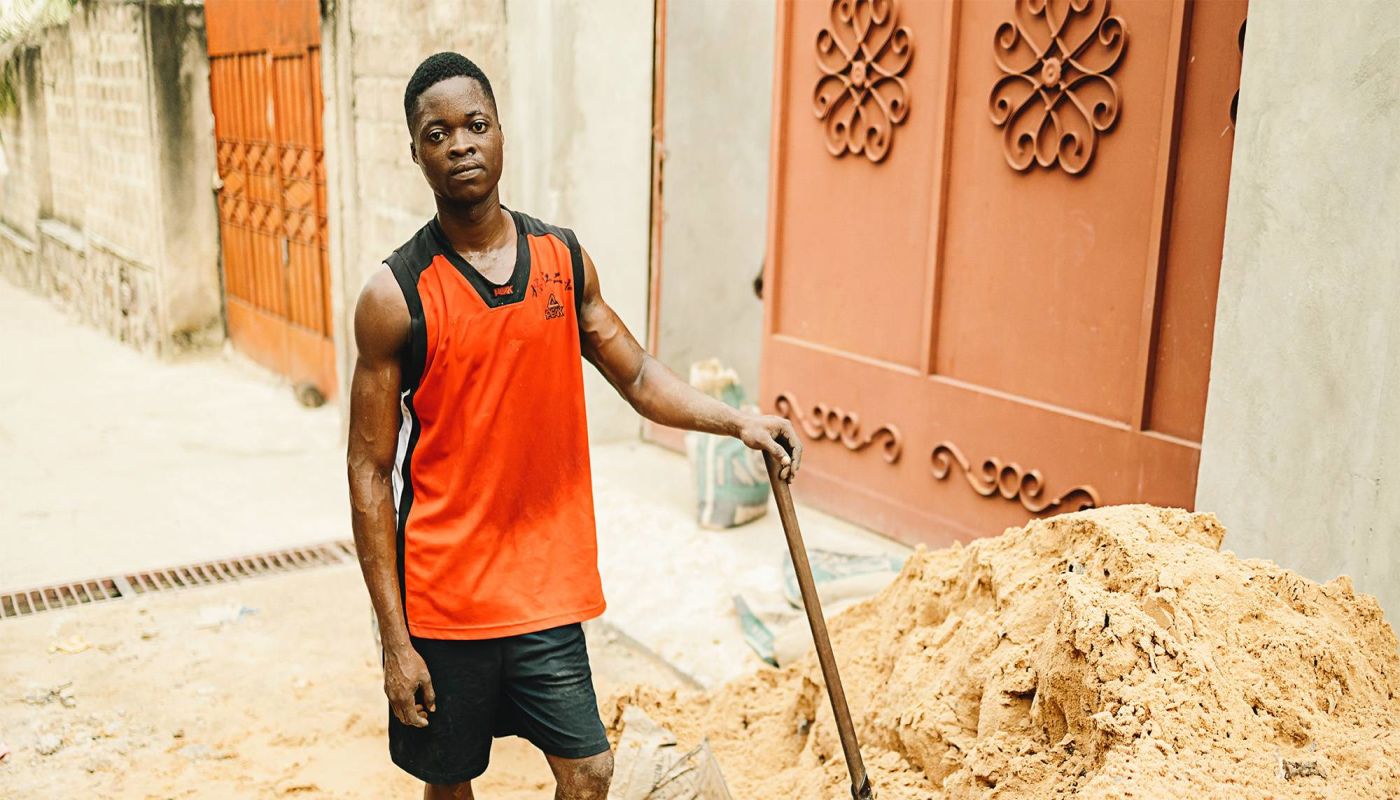
Landscape of Congo (Democratic Republic)
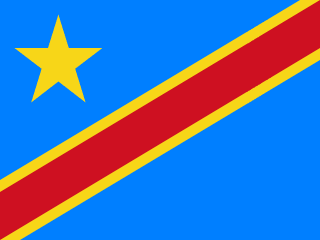
Flag of Congo (Democratic Republic)

Congo (Democratic Republic)

Africa

The Democratic Republic of the Congo, also known as DRC, is a country located in Central Africa with a population of over 101 million people. The DRC is a resource-rich country with a diverse economy that includes mining, agriculture, and forestry. Despite facing significant challenges related to political instability, poverty, and conflict, the DRC remains a resilient and hopeful nation that is working towards a brighter future for its people. The government has been making strides to improve infrastructure and promote economic diversification, while also prioritizing social programs that address education and healthcare needs. The DRC is also home to a vibrant and diverse culture, with many unique traditions and languages that reflect the country's rich history.

What would you like to learn about in Congo (Democratic Republic)?

Select a section to explore the country where nonprofits are creating positive change.

About Congo (Democratic Republic)

Established as a Belgian colony in 1908, the then-Republic of the Congo gained its independence in 1960, but its early years were marred by political and social instability. Col. Joseph MOBUTU seized power and declared himself president in a November 1965 coup. He subsequently changed his name - to MOBUTU Sese Seko - as well as that of the country - to Zaire. MOBUTU retained his position for 32 years through several sham elections, as well as through brutal force. Ethnic strife and civil war, touched off by a massive inflow of refugees in 1994 from fighting in Rwanda and Burundi, led in May 1997 to the toppling of the MOBUTU regime by a rebellion backed by Rwanda and Uganda and fronted by Laurent KABILA. He renamed the country the Democratic Republic of the Congo (DRC), but in August 1998 his regime was itself challenged by a second insurrection again backed by Rwanda and Uganda. Troops from Angola, Chad, Namibia, Sudan, and Zimbabwe intervened to support KABILA's regime. In January 2001, KABILA was assassinated and his son, Joseph KABILA, was named head of state. In October 2002, the new president was successful in negotiating the withdrawal of Rwandan forces occupying the eastern DRC; two months later, the Pretoria Accord was signed by all remaining warring parties to end the fighting and establish a government of national unity. A transitional government was set up in July 2003; it held a successful constitutional referendum in December 2005 and elections for the presidency, National Assembly, and provincial legislatures took place in 2006. In 2009, following a resurgence of conflict in the eastern DRC, the government signed a peace agreement with the National Congress for the Defense of the People (CNDP), a primarily Tutsi rebel group. An attempt to integrate CNDP members into the Congolese military failed, prompting their defection in 2012 and the formation of the M23 armed group - named after the 23 March 2009 peace agreements. Renewed conflict has lead to the displacement of large numbers of persons and significant human rights abuses. As of February 2013, peace talks between the Congolese government and the M23 were on-going. In addition, the DRC continues to experience violence committed by other armed groups including the Democratic Forces for the Liberation of Rwanda and Mai Mai groups. In the most recent national elections, held in November 2011, disputed results allowed Joseph KABILA to be reelected to the presidency.

Quick Facts

Population
75,507,308 (July 2013 est.)
Area
2,344,858 sq km
ISO Code
CD
Continent
Africa
Government
republic
Active Causes
12
View all countries in Africa

Geography & Environment

Climate

tropical; hot and humid in equatorial river basin; cooler and drier in southern highlands; cooler and wetter in eastern highlands; north of Equator - wet season (April to October), dry season (Decembe...

Terrain

vast central basin is a low-lying plateau; mountains in east

Natural Resources

cobalt, copper, niobium, tantalum, petroleum, industrial and gem diamonds, gold, silver, zinc, manganese, tin, uranium, coal, hydropower, timber

Environmental Issues

poaching threatens wildlife populations; water pollution; deforestation; refugees responsible for significant deforestation, soil erosion, and wildlife poaching; mining of minerals (coltan - a mineral...

People & Society

56.14 years
Avg. Life Expectancy
66.8%
Literacy Rate
34.3% of total population (2011)
Total Urban Population

Languages

French (official), Lingala (a lingua franca trade language), Kingwana (a dialect of Kiswahili or Swahili), Kikongo, Tshiluba

Religions

Roman Catholic 50%, Protestant 20%, Kimbanguist 10%, Muslim 10%, other (includes syncretic sects and indigenous beliefs) 10%

Health Expenditure

7.9% of GDP (2010) of GDP

Education Expenditure

2.5% of GDP (2010) of GDP

Economy

$400
GDP per Capita (PPP)
NA%
Unemployment Rate
71% (2006 est.)
Below Poverty Line

Economic Overview

The economy of the Democratic Republic of the Congo - a nation endowed with vast natural resource wealth - is slowly recovering after decades of decline. Systemic corruption since independence in 1960, combined with country-wide instability and conflict that began in the mid-90s has dramatically reduced national output and government revenue and increased external debt. With the installation of a transitional government in 2003 after peace accords, economic conditions slowly began to improve as the transitional government reopened relations with international financial institutions and interna...

Causes in Congo (Democratic Republic)

Environment

The Democratic Republic of the Congo, located in Central Africa, is a country rich in natural resources and biodiversity. However, environmental challenges such as deforestation, mining activities, and climate change have significant impacts on the Congolese people. Deforestation, driven by logging and agriculture expansion, threatens the country's lush rainforests, leading to loss of habitat for endangered species and contributing to carbon emissions. Mining activities, particularly for minerals like cobalt and coltan, have resulted in environmental degradation and pollution of water sources, affecting the health of local communities. Furthermore, the changing climate has brought about more frequent and severe natural disasters such as floods and droughts, exacerbating food insecurity and displacing populations. It is crucial to address these environmental issues in Congo to protect its unique ecosystems and ensure the well-being of its people.

Family

Family plays a significant role in the Democratic Republic of the Congo, impacting various aspects of society. In Congolese culture, the family unit is highly valued and serves as the cornerstone of social life. Families in the DRC typically extend beyond nuclear units to include extended family members, creating a strong sense of community and support. The family structure in Congo often dictates social norms, values, and traditions that are passed down through generations, shaping individual behavior and societal expectations. However, the country faces numerous challenges that affect families, such as poverty, conflict, and limited access to education and healthcare. These factors can place strains on families, undermining their ability to provide a stable and nurturing environment for their members. By understanding the importance of family in Congolese society and addressing the challenges they face, we can work towards building a stronger and more resilient community in the DRC.

Human Rights

The Democratic Republic of Congo faces numerous human rights challenges that have significant impacts on its population. Widespread corruption, political instability, armed conflict, and weak governance have resulted in a myriad of human rights violations in the country. The Congolese people face issues such as arbitrary arrests, extrajudicial killings, torture, restrictions on freedom of expression and assembly, as well as gender-based violence. The exploitation of natural resources has further fueled conflicts and human rights abuses in the region. The situation is exacerbated by the presence of armed groups and the proliferation of small arms, leading to a cycle of violence that continues to harm civilians. Addressing these human rights issues in Congo is crucial for promoting stability, peace, and development in the region.

Education

The Democratic Republic of the Congo faces significant challenges in its education sector, impacting the country's development and future prospects. With nearly half of the population living below the poverty line, access to quality education is limited, leading to high illiteracy rates and a lack of skilled workforce. The country suffers from a shortage of schools and qualified teachers, especially in rural areas, exacerbating the education crisis. Limited resources and infrastructure also hinder educational opportunities for many Congolese children, particularly girls who face additional barriers to accessing education. Addressing these challenges and investing in education is crucial for the Democratic Republic of the Congo to break the cycle of poverty, improve living standards, and drive sustainable development.

Poverty

The Democratic Republic of Congo, located in Central Africa, is a country plagued by widespread poverty that significantly impacts its population. With approximately 70% of Congolese living below the poverty line, access to basic necessities such as clean water, healthcare, and education remains a challenge for many. The root causes of poverty in the DRC are multifaceted and include political instability, armed conflict, corruption, and inadequate infrastructure. Additionally, the country's economy heavily relies on the export of natural resources such as minerals, leading to resource exploitation and unequal distribution of wealth. This cycle of poverty perpetuates a lack of economic opportunities, exacerbates social inequalities, and hinders overall development in the country. To address these challenges and improve the living conditions of the Congolese people, sustainable solutions that promote economic diversification, good governance, and equitable resource management are essential.

Religion

Religion plays a significant role in the Democratic Republic of the Congo, shaping its cultural landscape and societal dynamics. The country is characterized by a diverse religious landscape, with Christianity being the predominant faith, followed by Islam and various indigenous belief systems. Religion in Congo often influences political, social, and economic spheres, with religious leaders wielding considerable influence over their followers. However, religious diversity has also been a source of tension and conflict in the country, leading to instances of violence and discrimination based on religious affiliation. In recent years, there have been efforts to promote interfaith dialogue and tolerance to foster peaceful coexistence among different religious communities in Congo.

Clean Water

The Democratic Republic of Congo, located in Central Africa, is a country challenged by poor access to clean water. With a population of over 90 million people, only 26% have access to clean drinking water. The lack of clean water sources leads to widespread health issues, particularly waterborne diseases such as cholera, typhoid, and diarrhea. The impact of inadequate clean water access extends beyond health, affecting education and economic productivity. Women and children often bear the burden of fetching water from distant and sometimes contaminated sources, limiting their time for education and other activities. Furthermore, industries and agriculture are hindered by the scarcity of clean water, impeding economic growth. Addressing the clean water crisis in the Democratic Republic of Congo is essential for improving the well-being and livelihoods of its people.

Economy

The Democratic Republic of Congo, a country in Central Africa, faces numerous challenges, with its economy being a significant factor affecting its populace. The DRC possesses vast natural resources, including minerals such as cobalt, copper, and gold, yet it remains one of the poorest countries globally. Instability, corruption, and conflict have hindered economic development, leading to high unemployment rates and widespread poverty. The lack of infrastructure and limited access to basic services further exacerbate the economic hardships faced by the Congolese people. Additionally, external factors such as fluctuating commodity prices and global market trends impact the country's economy. Addressing these economic challenges is crucial for sustainable development and improving the livelihoods of the population in the DRC.

Government

The Democratic Republic of the Congo, a vast nation in Central Africa, has a complex history intertwined with political turmoil and governance challenges. The government in Congo plays a significant role in shaping the country's development and stability. However, corruption, mismanagement of resources, and political instability have hindered effective governance and economic progress. The government's impact on the people of Congo is profound, as issues such as poverty, lack of access to basic services, and human rights violations persist. Addressing these challenges requires a commitment to good governance, transparency, and accountability from the government to improve the lives of its citizens and ensure sustainable development.

Health

The Democratic Republic of Congo faces significant health challenges that impact its population on various levels. The country's healthcare system is severely underfunded and lacks adequate infrastructure, medical supplies, and trained personnel. This results in limited access to essential healthcare services for a large portion of the population. Infectious diseases such as malaria, HIV/AIDS, tuberculosis, and cholera are prevalent, contributing to high morbidity and mortality rates. Maternal and child health indicators are also concerning, with high rates of maternal and infant mortality. Poor sanitation and limited access to clean water further exacerbate health issues in the country. The ongoing conflict and displacement of populations in certain regions have also strained the healthcare system, making it challenging to deliver medical care to those in need.

Children

In the Democratic Republic of the Congo (DRC), children face numerous challenges that impact their well-being and development. The country has been marred by conflict, with ongoing violence and instability contributing to a humanitarian crisis that disproportionately affects children. Children in the DRC are often exposed to extreme poverty, malnutrition, lack of access to education, and healthcare. The prevalence of child labor and recruitment of child soldiers further exacerbate their vulnerability. Additionally, the country has one of the highest rates of child mortality in the world, with preventable diseases and inadequate healthcare services leading to thousands of deaths each year. Addressing the needs of children in the DRC is crucial for ensuring a better future for the country.

Animals

The Democratic Republic of the Congo, located in Central Africa, boasts some of the world's most diverse and unique wildlife. Unfortunately, the country is facing significant challenges due to deforestation, poaching, and illegal wildlife trade. These activities threaten the survival of many animal species in the region, including elephants, gorillas, and okapis. Deforestation, driven by logging and agriculture expansion, destroys natural habitats and disrupts ecosystems. Poaching for bushmeat and illegal trafficking of exotic animals further exacerbate the decline in wildlife populations. Conservation efforts in the Congo are crucial to safeguarding its rich biodiversity and ensuring a sustainable future for both animals and humans in the region.

Nonprofits Working in Congo (Democratic Republic)

Discover organizations making a difference in Congo (Democratic Republic)

Rising International

Rising International

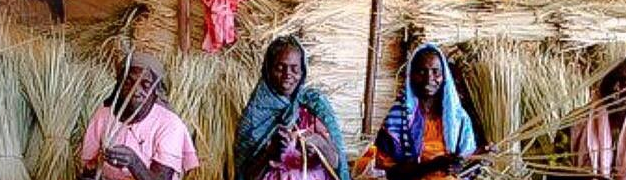
Our Unique Local-Global Solution Rising International is a nonprofit organization that has revolutionized the home party business model to alleviate poverty locally and globally. Think Avon or Tupperware for a social cause. We find the world’s most forgotten women (like Fatima) and enable them to change their destinies by selling their handmade crafts at Rising Home and Corporate Parties. We train women and teens, many un-employed or under- employed, (like Susana) to run their own Rising Home Party businesses and sell crafts made by their global sisters. We search the U.S. for party hosts (like Nancy) who invite friends to their homes to shop. Our sustainable model empowers both local and global entrepreneurs to rise above their circumstances.

Santa Cruz, California
GUTTMACHER INSTITUTE INC

GUTTMACHER INSTITUTE INC

Now in its fifth decade, the Guttmacher Institute remains committed to the mission and goals that led to its creation. The Guttmacher Institute was founded in 1968 as the Center for Family Planning Program Development. At the time, Presidents John F. Kennedy, Lyndon Johnson and Richard Nixon had begun to call the public's attention to the problem of unplanned and unwanted childbearing and its consequences for individual women and men, their children and their communities both at home and abroad. Concurrently, the United States Congress was taking its first steps toward the development of an international population assistance program, as well as a multifaceted, national program aimed at providing equitable access to modern methods of birth control in the United States. By integrating nonpartisan social science research, policy analysis and public education, the Center hoped to provide a factual basis for the development of sound governmental policies and for public consideration of the sensitive issues involved in the promotion of reproductive health and rights. This purpose and commitment continue today. The Center was originally housed within the corporate structure of Planned Parenthood Federation of America (PPFA). Its program, however, was independently developed and overseen by a National Advisory Council separate from the PPFA Board of Directors. Its early development was nurtured by Alan F. Guttmacher, an eminent obstetrician-gynecologist, teacher and writer who was PPFA's president for more than a decade until his death in 1974. The Center was renamed in Dr. Guttmacher's memory, and the Guttmacher Institute incorporated as an entirely independent nonprofit policy research institute with its own Board in 1977. The Guttmacher Institute maintains offices in New York and Washington. Its current staff of 81 comprises demographers, social scientists, public policy analysts, editors, writers, communications specialists, and financial and technical personnel. A few of its employees have been with the organization for most of its existence, and an affiliation that goes back 10 or 15 years is not unusual. The Institute's work is guided by a 39-member board made up of eminent professionals from a rich variety of disciplines, as well as civic leaders from across the United States and around the world. The Guttmacher Institute's annual budget of approximately $17 million is derived largely from private foundations, government agencies, multilateral organizations and individual contributions.

New York, New York

Make Your Impact Today

Discover causes you care about and support the nonprofits making a difference in communities around the world.

Are you a nonprofit? Join Project World Impact for free

Join Us Free