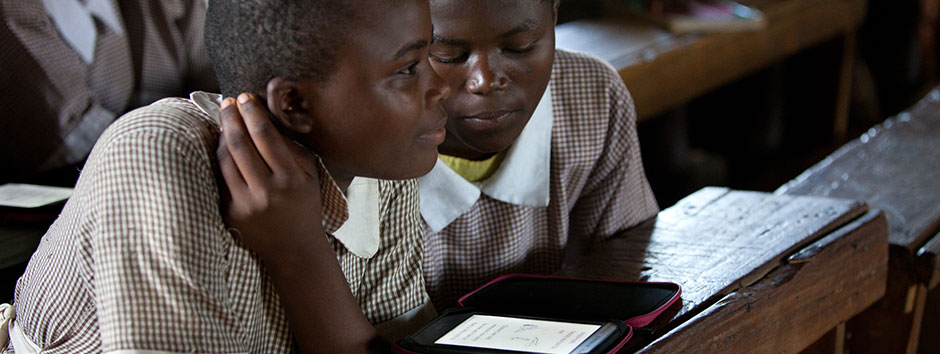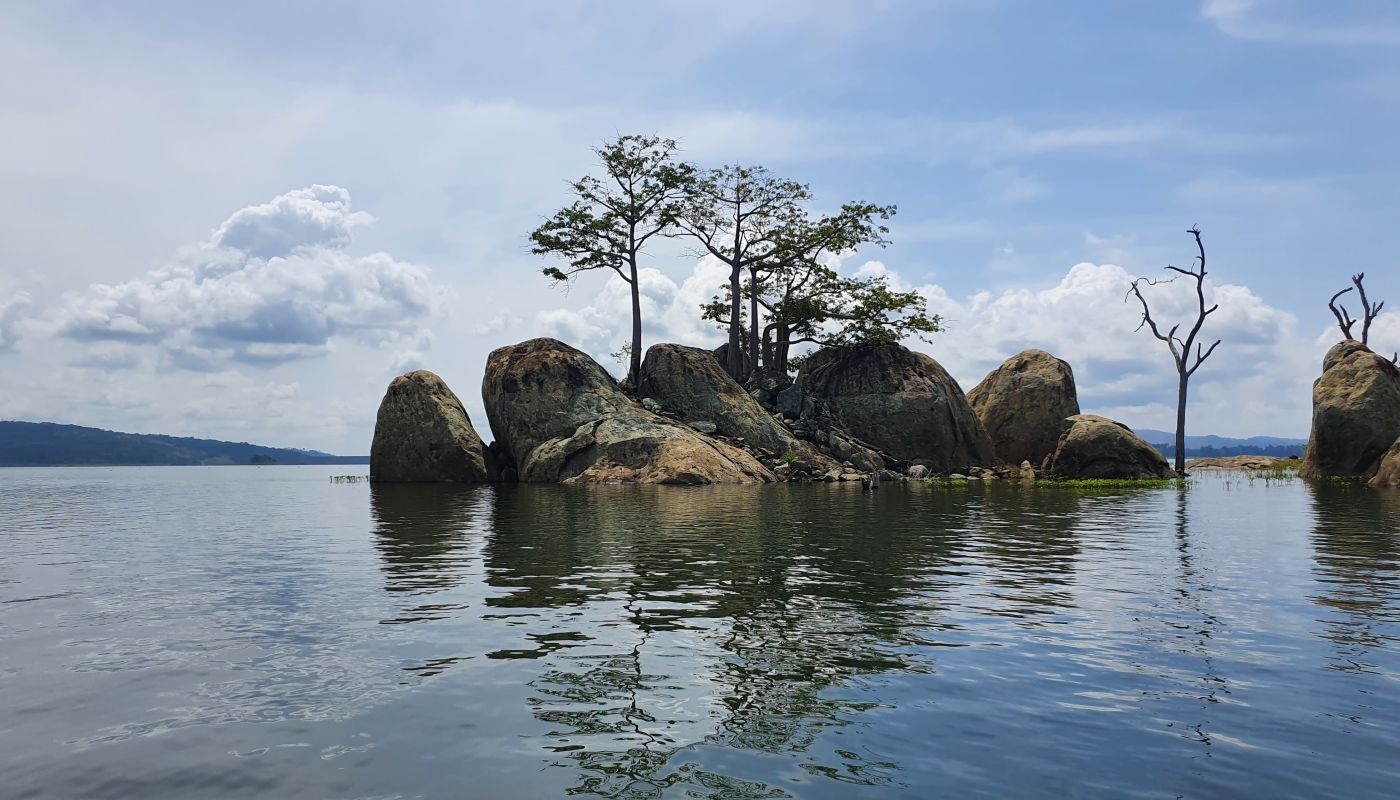
Landscape of Cote d'Ivoire
Flag of Cote d'Ivoire

Cote d'Ivoire

Africa

Cote d'Ivoire, also known as Ivory Coast, is a country located in West Africa, known for its vibrant culture and rich history. With a population of over 26 million people, Cote d'Ivoire is a developing country that has made progress in areas such as healthcare, education, and economic growth. The country's economy is based on agriculture, mining, and services, but it also faces challenges related to income inequality and political stability. Cote d'Ivoire has been working to promote social cohesion and good governance, while also investing in infrastructure and job creation.

What would you like to learn about in Cote d'Ivoire?

Select a section to explore the country where nonprofits are creating positive change.

About Cote d'Ivoire

Close ties to France following independence in 1960, the development of cocoa production for export, and foreign investment all made Cote d'Ivoire one of the most prosperous of the West African states but did not protect it from political turmoil. In December 1999, a military coup - the first ever in Cote d'Ivoire's history - overthrew the government. Junta leader Robert GUEI blatantly rigged elections held in late 2000 and declared himself the winner. Popular protest forced him to step aside and brought Laurent GBAGBO into power. Ivorian dissidents and disaffected members of the military launched a failed coup attempt in September 2002 that developed into a rebellion and then a civil war. The war ended in 2003 with a cease fire that left the country divided with the rebels holding the north, the government the south, and peacekeeping forces a buffer zone between the two. In March 2007, President GBAGBO and former New Forces rebel leader Guillaume SORO signed an agreement in which SORO joined GBAGBO's government as prime minister and the two agreed to reunite the country by dismantling the buffer zone, integrating rebel forces into the national armed forces, and holding elections. Difficulties in preparing electoral registers delayed balloting until 2010. In November 2010, Alassane Dramane OUATTARA won the presidential election over GBAGBO, but GBAGBO refused to hand over power, resulting in a five-month stand-off. In April 2011, after widespread fighting, GBAGBO was formally forced from office by armed OUATTARA supporters with the help of UN and French forces. Several thousand UN peacekeepers and several hundred French troops remain in Cote d'Ivoire to support the transition process. OUATTARA is focused on rebuilding the country's infrastructure and military after the five months of post-electoral fighting and faces ongoing threats from GBAGBO supporters, many of whom have sought shelter in Ghana. GBAGBO is in The Hague awaiting trial for crimes against humanity.

Quick Facts

Population
22,400,835 (July 2013 est.)
Area
322,463 sq km
ISO Code
CI
Continent
Africa
Government
republic; multiparty presidential regime established 1960
Active Causes
12
View all countries in Africa

Geography & Environment

Climate

tropical along coast, semiarid in far north; three seasons - warm and dry (November to March), hot and dry (March to May), hot and wet (June to October)

Terrain

mostly flat to undulating plains; mountains in northwest

Natural Resources

petroleum, natural gas, diamonds, manganese, iron ore, cobalt, bauxite, copper, gold, nickel, tantalum, silica sand, clay, cocoa beans, coffee, palm oil, hydropower

Environmental Issues

deforestation (most of the country's forests - once the largest in West Africa - have been heavily logged); water pollution from sewage and industrial and agricultural effluents

People & Society

57.66 years
Avg. Life Expectancy
56.9%
Literacy Rate
51.3% of total population (2011)
Total Urban Population

Languages

French (official), 60 native dialects of which Dioula is the most widely spoken

Religions

Muslim 38.6%, Christian 32.8%, indigenous 11.9%, none 16.7% (2008 est.)

Health Expenditure

5.3% of GDP (2010) of GDP

Education Expenditure

4.6% of GDP (2008) of GDP

Economy

$1,800
GDP per Capita (PPP)
NA%
Unemployment Rate
42% (2006 est.)
Below Poverty Line

Economic Overview

Cote d'Ivoire is heavily dependent on agriculture and related activities, which engage roughly 68% of the population. Cote d'Ivoire is the world's largest producer and exporter of cocoa beans and a significant producer and exporter of coffee and palm oil. Consequently, the economy is highly sensitive to fluctuations in international prices for these products, and, to a lesser extent, in climatic conditions. Cocoa, oil, and coffee are the country's top export revenue earners, but the country is also producing gold. Since the end of the civil war in 2003, political turmoil has continued to damag...

Causes in Cote d'Ivoire

Environment

Cote d'Ivoire, located in West Africa, is a country rich in natural resources, yet faces significant environmental challenges that impact its population and economy. Deforestation, primarily driven by agricultural expansion and logging activities, has led to soil erosion, loss of biodiversity, and disruptions in the water cycle. The country also grapples with pollution from industrial activities and improper waste disposal practices, threatening both human health and ecosystems. Climate change further exacerbates these issues, contributing to more frequent droughts and flooding events. Addressing these environmental concerns is crucial for the sustainable development of Cote d'Ivoire and the well-being of its people.

Family

In Cote d'Ivoire, family plays a central role in the social fabric of the society, influencing various aspects of individuals' lives. The concept of family extends beyond the nuclear unit to include extended family members, such as aunts, uncles, and grandparents, who often provide support and guidance. Family gatherings and celebrations are important cultural events that reinforce familial bonds and traditions. Furthermore, the family structure in Cote d'Ivoire often serves as a safety net, providing emotional and financial support to its members during times of need. However, challenges such as urbanization, modernization, and economic hardships have begun to impact traditional family dynamics in the country, leading to changes in familial roles and responsibilities. It is crucial for stakeholders to understand the significance of family in Ivorian society and work towards preserving these valuable connections for the well-being of individuals and communities.

Human Rights

Cote d'Ivoire, located in West Africa, has faced significant challenges related to human rights over the years. The country has struggled with political instability, conflicts, and human rights abuses. Issues such as discrimination, child labor, gender inequality, and lack of access to education and healthcare have been prevalent. These violations have had a severe impact on the lives of Ivorians, hindering social progress and economic development. Efforts to address these challenges have been ongoing, with organizations working to promote human rights awareness and advocate for change. It is crucial for the international community to support these efforts and help Cote d'Ivoire in its journey towards upholding human rights for all its citizens.

Education

Education plays a crucial role in the development of Cote d'Ivoire, as it directly impacts various aspects of the country's socio-economic landscape. Despite efforts to improve access to education, challenges such as limited resources, insufficient infrastructure, and regional disparities persist. These factors contribute to low literacy rates, especially in rural areas, hindering overall progress and opportunities for the Ivorian population. Investing in education not only enhances individual prospects but also fosters national growth by creating a skilled workforce and promoting innovation. Addressing these educational challenges is essential for Cote d'Ivoire to achieve sustainable development and improve the well-being of its citizens. Source: UNESCO Institute for Statistics - https://www.uis.unesco.org/

Poverty

Cote d'Ivoire, a West African nation, is confronted with the grim reality of poverty, which significantly impacts its population and overall development. Despite being one of the world's largest producers of cocoa, poverty remains pervasive in the country, affecting millions of its inhabitants. The root causes of poverty in Cote d'Ivoire are multifaceted, including inadequate access to quality healthcare, education, and employment opportunities. The lack of infrastructure and limited social services further exacerbate the situation, resulting in a high poverty rate that disproportionately affects vulnerable groups such as women and children. Addressing poverty in Cote d'Ivoire requires comprehensive strategies that focus on improving education, healthcare, and economic opportunities for its citizens.

Religion

Religion plays a significant role in the socio-political landscape of Cote d'Ivoire, a country located in West Africa. The population of Cote d'Ivoire is diverse, with Islam being the predominant religion in the northern regions and Christianity being the most widely practiced religion in the south. This religious diversity has historically influenced the country's politics and social dynamics. Religious affiliations often intersect with ethnic identities, leading to tensions and conflicts. In recent years, efforts have been made to promote interfaith dialogue and tolerance to foster unity and peace among different religious communities in Cote d'Ivoire. However, challenges such as religious radicalization and discrimination persist, highlighting the need for continued dialogue and understanding among religious groups in the country.

Clean Water

Cote d'Ivoire, a country located in West Africa, faces significant challenges in accessing clean water. The lack of access to clean water sources in many regions of the country has severe repercussions on public health and socioeconomic development. According to UNICEF, only about 63% of the population in Cote d'Ivoire has access to clean drinking water. This limited access to clean water contributes to the spread of waterborne diseases such as cholera, typhoid, and diarrhea, particularly affecting children and vulnerable populations. Furthermore, the scarcity of clean water hinders agricultural activities, perpetuating food insecurity and poverty in the country. Addressing the issue of clean water accessibility in Cote d'Ivoire is crucial for improving public health outcomes and fostering sustainable development in the region.

Economy

Cote d'Ivoire, a West African country, has faced significant challenges in its economy that have had profound impacts on its population. The country's economy heavily relies on agriculture, particularly cocoa production, which accounts for a large portion of its export revenue. However, fluctuations in global cocoa prices and climate change have posed serious threats to the stability of Cote d'Ivoire's economy. Additionally, political instability and internal conflicts in the past have further exacerbated economic hardships for its citizens. These factors have led to high levels of poverty, unemployment, and income inequality in the country. Addressing these economic issues is crucial for improving the well-being of the Ivorian people and fostering sustainable development in the region.

Government

Cote d'Ivoire, a country located in West Africa, has been significantly influenced by its government in various aspects. The government of Cote d'Ivoire plays a crucial role in shaping the country's economy, social welfare, and political landscape. With a history marked by periods of political instability and conflict, the government's policies and actions have had a direct impact on the lives of its citizens. Issues such as corruption, lack of transparency, and political unrest have hindered the country's development and progress. Additionally, government decisions on resource management, infrastructure development, and social programs greatly influence the well-being of the Ivorian population. It is imperative for the government to prioritize good governance practices, accountability, and inclusive policies to ensure sustainable growth and prosperity for all its citizens.

Health

Cote d'Ivoire, located in West Africa, faces significant health challenges that impact its population's well-being and development. The country struggles with a high prevalence of communicable diseases such as malaria, HIV/AIDS, and tuberculosis, which pose a serious threat to public health. Limited access to healthcare services, inadequate infrastructure, and a shortage of medical personnel further exacerbate these issues. As a result, the life expectancy in Cote d'Ivoire remains below the global average, highlighting the urgent need for improved healthcare systems and interventions to address these pressing health concerns. Raising awareness about these challenges is crucial to garner support for initiatives that can enhance the health outcomes of the Ivorian population.

Children

Cote d'Ivoire, located in West Africa, is a country with a population of over 26 million people, where children face numerous challenges that impact their well-being and development. One of the primary issues affecting children in Cote d'Ivoire is access to education. Despite efforts to improve enrollment rates, many children still lack access to quality education due to factors such as poverty, inadequate infrastructure, and armed conflicts that disrupt schooling. Child labor is also a significant concern in the country, with a large number of children engaged in hazardous work such as cocoa farming, mining, and domestic service, depriving them of their right to a childhood and proper education. Additionally, children in Cote d'Ivoire are vulnerable to health risks, including high rates of malnutrition, inadequate healthcare services, and limited access to clean water and sanitation facilities. Addressing these challenges requires concerted efforts from the government, civil society organizations, and the international community to ensure the protection and well-being of children in Cote d'Ivoire.

Animals

Cote d'Ivoire, located in West Africa, boasts a rich biodiversity that includes various species of animals. The impact of animals on the country is significant, both ecologically and economically. Wildlife such as elephants, chimpanzees, and hippos play a crucial role in maintaining the balance of ecosystems in national parks and reserves. However, the illegal wildlife trade, habitat destruction, and poaching pose serious threats to these animals' survival. In addition to their ecological importance, animals in Cote d'Ivoire also contribute to the country's tourism industry, attracting visitors from around the world to witness its diverse wildlife. It is imperative to raise awareness about the conservation of these animals to ensure their long-term survival and preserve the country's natural heritage.

Nonprofits Working in Cote d'Ivoire

Discover organizations making a difference in Cote d'Ivoire

KENDALL OPTOMETRY MINISTRY INC

ORGANIZATIONAL MISSION STATEMENT With primary emphasis in underdeveloped countries, Kendall Optometry Ministry, Inc. was established in 2003 to spread the Word of our Lord and Savior Jesus Christ. This is accomplished by providing glasses to improve the vision of people living in many underdeveloped countries. These impoverished people can now see to read their Bible, and also improve their standard of living. Kendall Optometry Ministry, Inc (KOM) is a 501-3c non-profit organization formed to provide optical equipment and training to Christian optical mission teams traveling all over the world. The equipment and training is provided at no cost and supplies are provided at a break even price. Teams are responsible for building their own eyeglasses inventory but much assistance (in the form of training and software) is provided by KOM to assist in the building of this inventory. KOM also has a limited supply of barcoded glasses (prescription in barcode) which can be used to quickly build an inventory. A testimonial by the President. (Revised: 9/8/2018) I grew up in a Christian family. My father, M. H. Kendall , was a college professor and head of the religion department at Mars Hill College, Mars Hill, N.C. for nearly 40 years. I worked for 29 years for General Electric Appliances in Louisville, Ky. During the last 4 years I averaged several hundred thousand miles each year on international travel installing computer systems. All of this travel went flawlessly. God blessed me in everything that I did. It was something that I found to be obvious that God had a hand in my work. In July, 1999 I decided I would take one mission trip to Honduras working through an organization called "Baptist Medical Dental Mission International" (BMDMI.ORG). My intent was to "pay back the Lord" with this one mission trip. When I arrived in the village, I asked the team leader what he wanted me to do. He said he had several boxes of used prescription glasses to hand out. These glasses were dirty, broken, and not measured. As you can see in Figure 1 to the left (scroll down a bit), we just set them out on a table and people came by and tried them on until something helped them. I immediately knew this was wrong but it was the best we could do then. I came back from that trip with a God Given passion to do it better. Since 1999 I have gone to Honduras 27 times and Nicaragua 3 times. Each time something would be improved. The use of the autorefractor was introduced into Honduras in 2003 (to see Figure 2 scroll down a bit) and another one into Nicaragua in 2004. A special series of computer programs were developed to manage and build the inventory. You can review these programs at http://eyeglasses-Inventory.com/. Since 2003 of the 51 BMDMI mission teams more than 95% of these teams use the equipment and software developed by Kendall Optometry Ministry, Inc. In 2003 Kendall Optometry Ministry was incorporated as a 501-3c non-profit company. Using donations provided by several churches and individuals this company purchased a set of equipment which could be loaned out to Christian mission teams going all over the world. Later in 2005 a 2nd kit was purchased and in 2006 a 3rd and a 4th kit was purchased. In the beginning of 2007 a 5th kit was purchased. At the end of 2007 a 6th and 7th kit including a Retinomax 3 was purchased. By the end of 2009 the company owned 10 kits. In 2010 the company purchased two more kits. In 2011 the company purchased 1 more kit bringing the total to 13. By 2017 the company had purchased 18 kits. In 2018 KOM purchased kit number 19. See the growth of the company at this link. 2018 is only part of the year on this graph. Other teams will participate. The teams use this equipment to not only allow people to read their Bible but to also to help them improve their standard of living. You can read about some of these teams in the Teams Supported area of this web site. Tell us about your Christian mission team. Let us help you be more effective in your work for the Lord. If you would like our help send an E-Mail to: HollandKendall@kendalloptoministry.org Holland Kendall, President Kendall Optometry Ministry, Inc.

LOUISVILLE, Kentucky

Make Your Impact Today

Discover causes you care about and support the nonprofits making a difference in communities around the world.

Are you a nonprofit? Join Project World Impact for free

Join Us Free