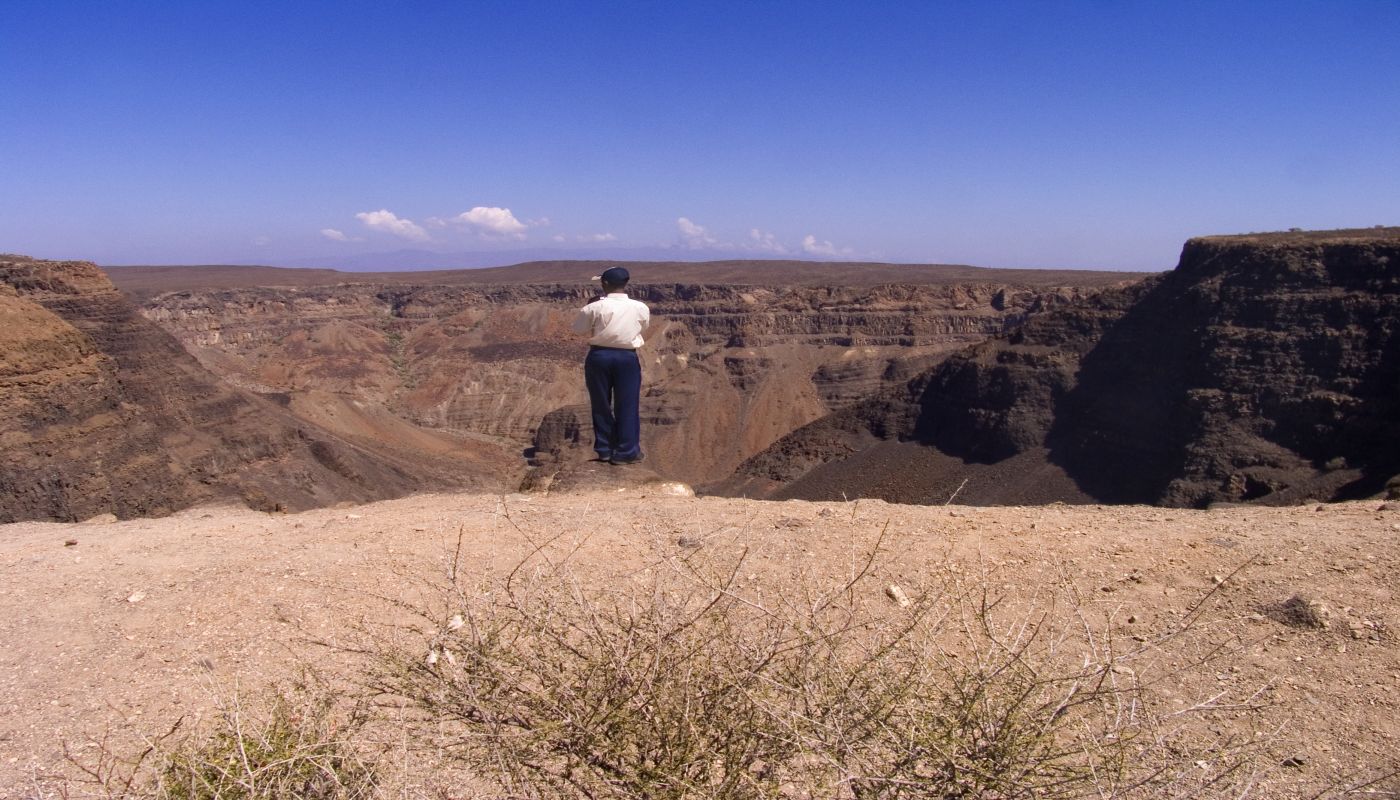
Landscape of Djibouti
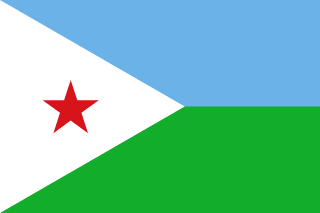
Flag of Djibouti

Djibouti

Africa

Djibouti is a small country located in the Horn of Africa with a population of approximately 1 million people. It is known for its strategic location on the Red Sea, which has made it an important center for trade and commerce. Despite challenges such as poverty and political instability, Djibouti has made progress in areas such as infrastructure development and economic growth. The government has implemented policies to promote sustainable development and improve the standard of living for its citizens.
What would you like to learn about in Djibouti?

Select a section to explore the country where nonprofits are creating positive change.

About Djibouti

Djibouti is a small country located in the Horn of Africa with a population of approximately 1 million people. It is known for its strategic location on the Red Sea, which has made it an important center for trade and commerce. Despite challenges such as poverty and political instability, Djibouti has made progress in areas such as infrastructure development and economic growth. The government has implemented policies to promote sustainable development and improve the standard of living for its citizens.
Causes in Djibouti

Environment

Djibouti, a small East African country located at the intersection of the Red Sea and the Gulf of Aden, faces significant environmental challenges that impact its population and economy. Desertification, water scarcity, and climate change are among the key environmental issues that affect Djibouti's fragile ecosystem. With a predominantly arid climate and limited freshwater resources, the country is particularly vulnerable to the effects of global warming, leading to increased temperatures, erratic rainfall patterns, and rising sea levels. These environmental challenges have direct implications on agriculture, food security, and public health in Djibouti. Addressing these issues requires concerted efforts from both the government and international partners to implement sustainable solutions that promote environmental conservation and resilience.

Family

Family plays a crucial role in the social fabric of Djibouti, a small East African nation located in the Horn of Africa. In this predominantly Muslim society, family ties are highly valued and form the foundation of community support and cohesion. Families in Djibouti are typically large and extended, with multiple generations living together under one roof. This close-knit family structure provides emotional, financial, and practical support to its members, particularly during times of need or crisis. Family elders hold significant authority and are respected for their wisdom and guidance. Moreover, family gatherings and celebrations are important cultural events that help strengthen bonds and maintain traditions. However, despite the importance of family support, poverty and limited resources often place strains on families in Djibouti, impacting their ability to provide for their loved ones adequately. Efforts to improve social services and economic opportunities are essential to bolstering family well-being in Djibouti.

Human Rights

Djibouti, a small nation located in the Horn of Africa, grapples with a myriad of human rights challenges that significantly impact its population. Despite being party to various international human rights conventions and treaties, the country continues to face issues such as arbitrary arrests, restrictions on freedom of expression, and limited access to basic services like healthcare and education. The prevalence of gender-based violence and discrimination against women further exacerbates the human rights situation in Djibouti. These violations not only undermine the well-being of individuals but also hinder the country's overall development and stability. Efforts to address these issues are crucial to ensuring a more equitable and just society for all Djiboutians.

Education

Djibouti, a small country located in the Horn of Africa, faces significant challenges in its education system. Limited resources, high poverty rates, and a rapidly growing population have led to overcrowded classrooms, inadequate infrastructure, and a shortage of qualified teachers. This has resulted in low literacy rates, particularly among girls and rural populations. Education is crucial for Djibouti's development as it plays a key role in breaking the cycle of poverty, promoting economic growth, and fostering social stability. Improving access to quality education, especially for marginalized groups, is essential to drive sustainable progress and create opportunities for all Djiboutian citizens.

Poverty

Djibouti, a small nation located in the Horn of Africa, faces significant challenges stemming from widespread poverty. With approximately 23% of the population living below the poverty line, access to basic necessities such as clean water, healthcare, and education remains limited for many Djiboutians. The high unemployment rate, estimated at around 50%, exacerbates the issue, leading to economic instability and social unrest. Poverty in Djibouti is further compounded by factors such as droughts, limited arable land, and a heavy reliance on imports for food and other essentials. These conditions not only hinder the country's development but also perpetuate a cycle of poverty that affects generations to come. Addressing poverty in Djibouti requires comprehensive strategies that focus on improving access to resources, promoting economic growth, and enhancing social welfare programs.

Religion

Religion in Djibouti plays a significant role in the lives of its people. The population is predominantly Muslim, with Islam being the state religion. Islamic traditions and customs influence various aspects of societal norms, including family structure, education, and politics. The practice of Islam in Djibouti is deeply rooted in the daily lives of its citizens, shaping their values, beliefs, and social interactions. While there is freedom of religion enshrined in the constitution, societal pressure often leads to conformity with Islamic practices. Interfaith dialogue and religious tolerance are encouraged by the government, yet challenges persist in ensuring equal rights for all religious groups within the country.

Clean Water

Djibouti, a small country in the Horn of Africa, faces significant challenges in ensuring access to clean water for its population. With limited freshwater resources and high water scarcity, Djibouti relies heavily on groundwater sources, which are at risk of depletion and contamination. The lack of clean water has severe consequences on the health and well-being of the people in Djibouti, leading to waterborne diseases and poor sanitation practices. Additionally, the scarcity of clean water hinders economic development and agricultural productivity in the country. Efforts to address this issue include investments in water infrastructure and conservation measures, but more needs to be done to ensure sustainable access to clean water for all residents of Djibouti.

Economy

Djibouti, a small country in East Africa, faces significant economic challenges that impact its population. The economy of Djibouti heavily relies on services, particularly trade, transportation, and logistics due to its strategic location along the Red Sea. However, despite some economic growth in recent years, poverty remains prevalent, with over 23% of the population living below the poverty line. High unemployment rates, limited access to quality education and healthcare, and inadequate infrastructure further hinder economic development in Djibouti. The country's dependence on imports for basic necessities also exposes it to external shocks and price fluctuations in the global market. Addressing these economic issues is crucial to improving the livelihoods of Djibouti's population and fostering sustainable development in the country.

Government

Djibouti, a small East African country with a strategic geographic location at the entrance to the Red Sea, faces a range of challenges that are influenced by its government. With a population of approximately one million people, Djibouti grapples with issues such as high unemployment rates, limited access to clean water, and political instability. The government in Djibouti plays a crucial role in addressing these challenges and improving the overall well-being of its citizens. However, allegations of corruption, restrictions on freedom of speech, and limitations on political participation have raised concerns about governance in the country. The government's policies and actions significantly impact the lives of Djiboutians, shaping their access to basic services, economic opportunities, and political rights.

Health

Djibouti, a small East African country located on the Horn of Africa, faces significant health challenges that impact its population. With a high prevalence of malnutrition, limited access to clean water, and inadequate healthcare infrastructure, Djibouti struggles to provide adequate healthcare services to its citizens. Infectious diseases such as malaria and tuberculosis remain prevalent, further straining the country's healthcare system. Additionally, the lack of education and awareness about preventive health measures contributes to the overall health burden in Djibouti. Addressing these health issues is crucial to improving the well-being and quality of life for the people of Djibouti.

Children

In Djibouti, children face a myriad of challenges that significantly impact their well-being and development. High rates of poverty, limited access to quality education, inadequate healthcare services, and poor nutrition are among the key factors contributing to the vulnerability of children in this East African nation. According to UNICEF, approximately 42% of children under the age of five suffer from chronic malnutrition, which has long-term consequences on their physical and cognitive growth. Moreover, child labor remains prevalent in Djibouti, with many children engaged in hazardous work that deprives them of their right to education and exposes them to various risks. Addressing these issues requires a concerted effort from the government, civil society organizations, and the international community to safeguard the rights and well-being of children in Djibouti.

Animals

Djibouti, a small East African country located on the Horn of Africa, boasts a diverse range of animal species that play a vital role in its ecosystem. The arid climate and unique geography of Djibouti provide habitats for a variety of wildlife, including gazelles, antelopes, birds, and marine life such as whales and dolphins. These animals are not only an integral part of Djibouti's natural heritage but also contribute to the country's tourism industry, attracting visitors interested in wildlife and eco-tourism. However, like many regions globally, Djibouti faces challenges such as habitat loss, climate change, and poaching that threaten the survival of its animal populations. Conservation efforts are crucial to protect Djibouti's biodiversity and ensure the continued existence of its unique animal species.

Nonprofits Working in Djibouti

Discover organizations making a difference in Djibouti

Make Your Impact Today

Discover causes you care about and support the nonprofits making a difference in communities around the world.

Are you a nonprofit? Join Project World Impact for free

Join Us Free