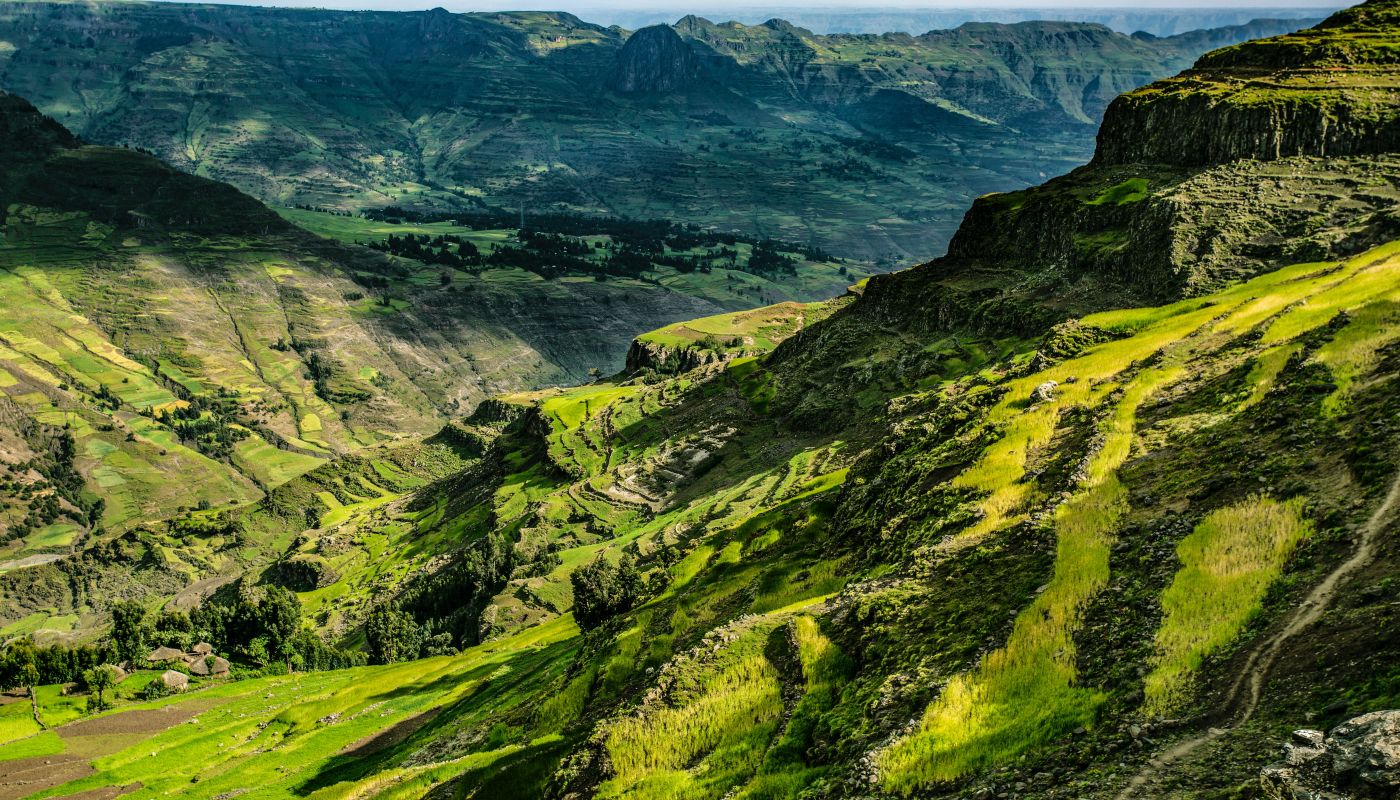
Landscape of Ethiopia
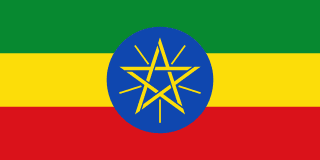
Flag of Ethiopia

Ethiopia

Africa

With a population of over 110 million, Ethiopia is the second most populous country in Africa and has a rich cultural heritage with over 80 different ethnic groups. Ethiopia boasts breathtaking landscapes that include the stunning Simien Mountains and the vast Danakil Depression, which is one of the hottest and driest places on earth. Ethiopia is making great strides in economic development and has become a hub for tech startups in recent years. In addition, Ethiopia has been in the news recently for its ambitious reforestation program, which has led to the planting of over 4 billion trees in just one year. With its vibrant culture, stunning natural beauty, and innovative spirit, Ethiopia is a country on the rise and a shining example of what can be achieved with hard work and determination.

What would you like to learn about in Ethiopia?

Select a section to explore the country where nonprofits are creating positive change.

About Ethiopia

Unique among African countries, the ancient Ethiopian monarchy maintained its freedom from colonial rule with the exception of a short-lived Italian occupation from 1936-41. In 1974, a military junta, the Derg, deposed Emperor Haile SELASSIE (who had ruled since 1930) and established a socialist state. Torn by bloody coups, uprisings, wide-scale drought, and massive refugee problems, the regime was finally toppled in 1991 by a coalition of rebel forces, the Ethiopian People's Revolutionary Democratic Front (EPRDF). A constitution was adopted in 1994, and Ethiopia's first multiparty elections were held in 1995. A border war with Eritrea late in the 1990s ended with a peace treaty in December 2000. In November 2007, the Eritrea-Ethiopia Border Commission (EEBC) issued specific coordinates as virtually demarcating the border and pronounced its work finished. Alleging that the EEBC acted beyond its mandate in issuing the coordinates, Ethiopia has not accepted them and has not withdrawn troops from previously contested areas pronounced by the EEBC as belonging to Eritrea.

Quick Facts

Population
93,877,025 (July 2013 est.)
Area
1,104,300 sq km
ISO Code
ET
Continent
Africa
Government
federal republic
Active Causes
12
View all countries in Africa

Geography & Environment

Climate

tropical monsoon with wide topographic-induced variation

Terrain

high plateau with central mountain range divided by Great Rift Valley

Natural Resources

small reserves of gold, platinum, copper, potash, natural gas, hydropower

Environmental Issues

deforestation; overgrazing; soil erosion; desertification; water shortages in some areas from water-intensive farming and poor management

People & Society

60 years
Avg. Life Expectancy
39%
Literacy Rate
17% of total population (2011)
Total Urban Population

Languages

Oromo (official regional) 33.8%, Amharic (official) 29.3%, Somali 6.2%, Tigrayan (official regional) 5.9%, Sidamo 4%, Wolaytta 2.2%, Guragiegna 2%, Af...

Religions

Ethiopian Orthodox 43.5%, Muslim 33.9%, Protestant 18.6%, traditional 2.6%, Catholic 0.7%, other 0.7% (2007 Census)

Health Expenditure

4.9% of GDP (2010) of GDP

Education Expenditure

4.7% of GDP (2010) of GDP

Economy

$1,200
GDP per Capita (PPP)
NA%
Unemployment Rate
29.2% (FY09/10 est.)
Below Poverty Line

Economic Overview

Ethiopia's economy is based on agriculture, which accounts for 46% of GDP and 85% of total employment. Coffee has been a major export crop. The agricultural sector suffers from poor cultivation practices and frequent drought, but recent joint efforts by the Government of Ethiopia and donors have strengthened Ethiopia's agricultural resilience, contributing to a reduction in the number of Ethiopians threatened with starvation. The banking, insurance, and micro-credit industries are restricted to domestic investors, but Ethiopia has attracted significant foreign investment in textiles, leather,...

Causes in Ethiopia

Environment

Ethiopia, a country located in the Horn of Africa, is significantly impacted by environmental factors that influence the livelihoods of its people. With a predominantly agrarian economy, Ethiopia heavily relies on its natural resources for sustenance. However, deforestation, soil degradation, and water scarcity pose significant challenges to the country's agricultural sector, leading to food insecurity and economic instability. The effects of climate change further exacerbate these issues, with erratic weather patterns disrupting traditional farming practices and exacerbating natural disasters such as droughts and floods. The degradation of forests and land not only threatens biodiversity but also contributes to greenhouse gas emissions, further perpetuating the cycle of environmental degradation. Sustainable land management practices, reforestation efforts, and climate change adaptation strategies are crucial in mitigating these challenges and promoting a more resilient future for Ethiopia.

Family

In Ethiopia, family plays a vital role in shaping individuals' lives and the overall societal structure. Ethiopian culture places a strong emphasis on family values, with extended families often living together and providing mutual support. Families in Ethiopia are typically large and multigenerational, with members contributing to the collective well-being and sharing responsibilities. The concept of "giving back" to one's family is deeply ingrained in Ethiopian society, influencing decisions related to education, career choices, and marriage. Moreover, family serves as a primary source of social security, emotional support, and guidance in times of need. However, challenges such as poverty, limited access to education and healthcare, and traditional gender roles can strain family dynamics in Ethiopia. By understanding the profound influence of family in Ethiopian culture, we can better appreciate the importance of community support systems and advocate for initiatives that strengthen familial bonds and promote social welfare.

Human Rights

Ethiopia, a country located in the Horn of Africa, has been marred by longstanding human rights issues that have had profound impacts on its population. The government has faced criticism for violations such as extrajudicial killings, arbitrary arrests, and restrictions on freedom of expression and assembly. These violations have led to social unrest and political instability, affecting the lives of many Ethiopians. The lack of accountability for these abuses has only exacerbated the situation, perpetuating a cycle of violence and injustice. Addressing these human rights concerns is crucial for Ethiopia to achieve sustainable development and ensure the well-being of its citizens.

Education

Ethiopia, a country located in the Horn of Africa, faces various challenges in its education sector that significantly impact its population. Despite efforts to improve access to education, Ethiopia continues to struggle with low literacy rates, inadequate infrastructure, and a shortage of qualified teachers. These factors contribute to limited educational opportunities for many Ethiopians, particularly in rural areas where access to schools is limited. The lack of quality education not only hinders individual development but also impedes the country's overall progress and economic growth. Addressing these challenges and investing in education is crucial for Ethiopia to empower its citizens, reduce poverty, and achieve sustainable development.

Poverty

Ethiopia, a country located in the Horn of Africa, is one of the most impoverished nations in the world. Poverty in Ethiopia is a multi-faceted issue that affects a significant portion of its population, with challenges including food insecurity, limited access to basic services such as healthcare and education, and high unemployment rates. The impact of poverty in Ethiopia is far-reaching, leading to malnutrition, poor health outcomes, and hindering overall socio-economic development. According to the World Bank, over 20 million Ethiopians live below the national poverty line, highlighting the urgent need for intervention and support to address this critical issue. Additionally, factors such as natural disasters, political instability, and lack of infrastructure further exacerbate the poverty situation in the country. Raising awareness about the complexities of poverty in Ethiopia is crucial to garner international support and drive sustainable solutions for the betterment of its people.

Religion

Religion plays a significant role in Ethiopia, influencing various aspects of society, culture, and politics. The country is predominantly Christian, with the Ethiopian Orthodox Church being the largest religious group. Christianity has been deeply rooted in Ethiopian history for over 1,600 years and continues to shape the national identity and traditions. Additionally, Islam is also practiced by a considerable percentage of the population, particularly in regions such as Harar and parts of Oromia. Religious beliefs often intersect with social norms and cultural practices, impacting daily life and societal structures. However, despite the rich religious diversity in Ethiopia, tensions and conflicts have arisen at times along religious lines, highlighting the need for interfaith dialogue and understanding to promote peace and harmony within the country.

Clean Water

Ethiopia, a country in East Africa, faces significant challenges in access to clean water. With a population of over 100 million people, a large proportion of Ethiopians lack access to safe drinking water, leading to widespread health issues and economic burdens. The scarcity of clean water sources is exacerbated by factors such as climate change, poor infrastructure, and rapid population growth. In rural areas, women and children often bear the brunt of water collection, spending hours each day fetching water from distant sources, limiting their ability to attend school or engage in income-generating activities. The lack of clean water also contributes to the spread of waterborne diseases, further straining an already overburdened healthcare system. Addressing the issue of clean water access in Ethiopia is crucial for improving public health, promoting economic development, and ensuring a better quality of life for its citizens.

Economy

Ethiopia, a country located in the Horn of Africa, is characterized by a diverse economy that heavily relies on agriculture, which accounts for a significant portion of its GDP and employs a large percentage of the population. Despite recent economic growth and infrastructure development, Ethiopia still faces challenges related to poverty, unemployment, and food insecurity. The economy is also impacted by factors such as political instability, climate change, and global market fluctuations. These issues have a direct influence on the well-being of Ethiopians, affecting their access to basic necessities and opportunities for sustainable livelihoods. As efforts are made to address these challenges and promote inclusive growth, it is crucial to recognize the intricate relationship between Ethiopia's economy and the daily lives of its people.

Government

Ethiopia, located in the Horn of Africa, is a diverse nation with a rich history and culture. The government in Ethiopia plays a significant role in shaping the country's development and stability. The Federal Democratic Republic of Ethiopia operates under a federal system with a parliamentary republic structure. The government is responsible for providing essential services such as healthcare, education, infrastructure development, and ensuring national security. However, political tensions and ethnic conflicts have posed challenges to governance and stability in recent years. In addition, issues such as corruption, limited press freedom, and human rights violations have raised concerns both domestically and internationally. It is crucial for the government to address these issues effectively to ensure sustainable growth and prosperity for all Ethiopians.

Health

Ethiopia, a country located in the Horn of Africa, is home to a population facing significant health challenges. The impact of health on this nation is profound, with issues such as high maternal and child mortality rates, widespread infectious diseases like malaria and tuberculosis, and limited access to healthcare services plaguing the population. Poor sanitation and hygiene practices further exacerbate health problems in Ethiopia, leading to a cycle of illness and poverty. The lack of adequate healthcare infrastructure and trained medical professionals in rural areas contributes to the country's healthcare disparities. It is crucial for stakeholders to prioritize investments in healthcare infrastructure, improve access to essential healthcare services, and promote health education to address the health challenges faced by the people of Ethiopia.

Children

Ethiopia, a country located in the Horn of Africa, faces numerous challenges that affect its children's well-being. One of the most pressing issues is child labor, where children are often forced to work in hazardous conditions, depriving them of their right to education and putting their health and safety at risk. Poverty is a major driver of child labor in Ethiopia, as families facing economic hardships may rely on their children's labor for survival. Additionally, the lack of access to quality education and social services further exacerbates the vulnerability of Ethiopian children to exploitation and abuse. Organizations such as UNICEF and Save the Children are working to address these issues by advocating for stronger child protection laws and providing support to at-risk children and families in Ethiopia.

Animals

Ethiopia, a country known for its diverse wildlife and rich biodiversity, faces significant challenges when it comes to the impact of animals on its ecosystem and population. The loss of habitat due to deforestation, climate change, and human encroachment has led to a decline in many animal species native to Ethiopia. This loss of biodiversity not only affects the balance of the ecosystem but also poses a threat to the livelihoods of communities dependent on agriculture and natural resources for their sustenance. Furthermore, human-wildlife conflicts often arise as animals such as elephants and baboons encroach on farmlands, leading to crop damage and economic losses for farmers. Conservation efforts are crucial to mitigate these challenges and preserve Ethiopia's unique wildlife for future generations.

Nonprofits Working in Ethiopia

Discover organizations making a difference in Ethiopia

Make Your Impact Today

Discover causes you care about and support the nonprofits making a difference in communities around the world.

Are you a nonprofit? Join Project World Impact for free

Join Us Free