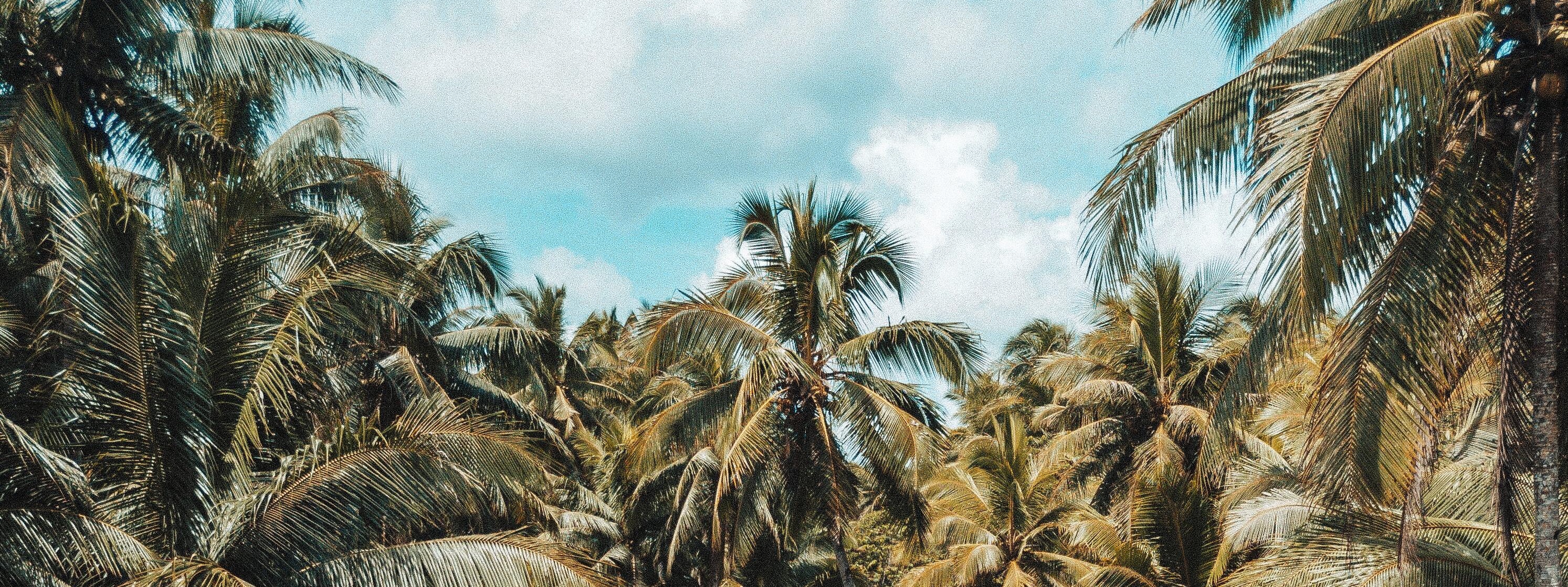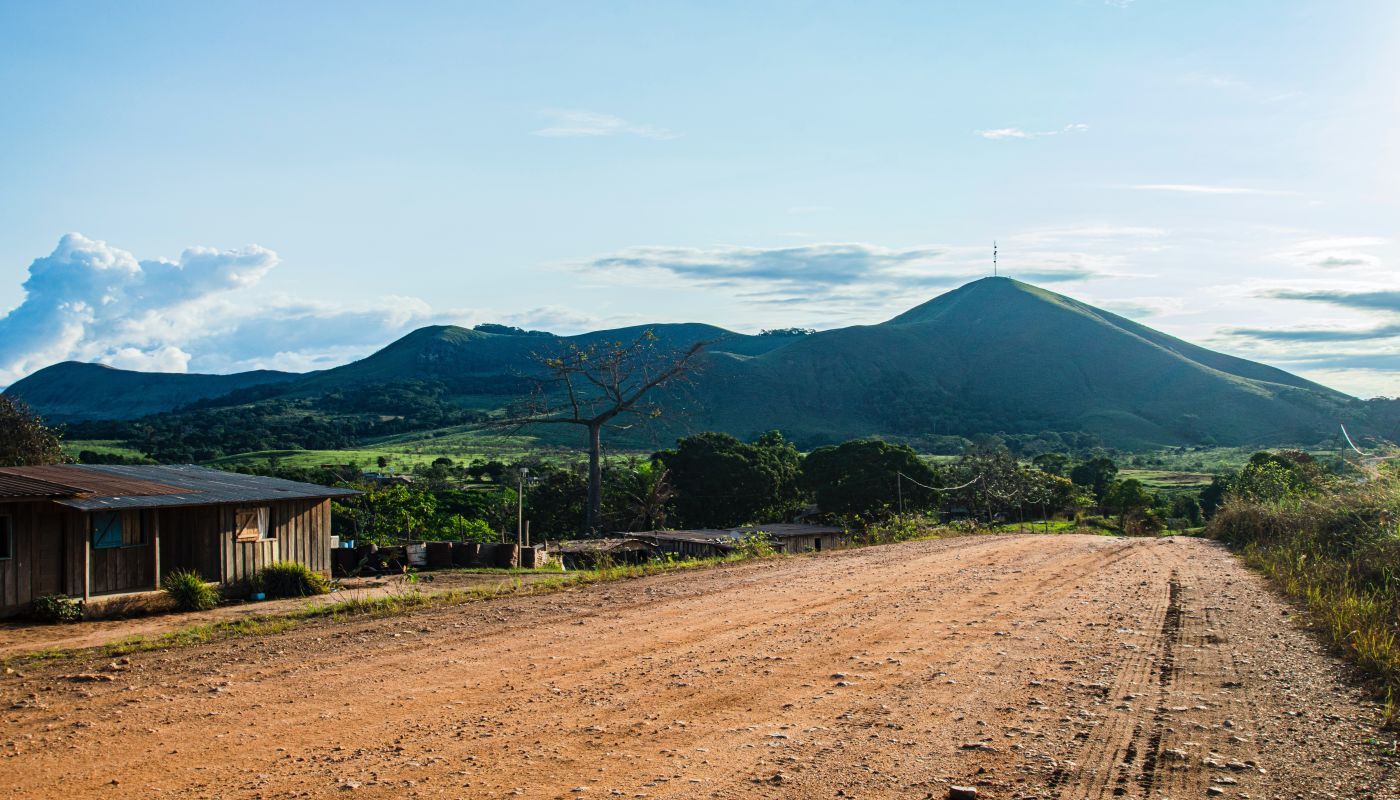
Landscape of Gabon
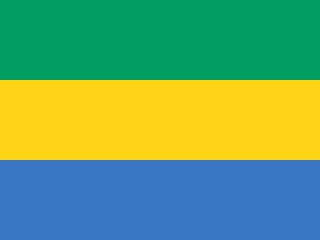
Flag of Gabon

Gabon

Africa

Gabon is a beautiful country located in central Africa with a population of approximately 2.3 million people. Gabon's natural resources, including timber, manganese, and petroleum, have contributed to its economic growth and development. The government has implemented policies to protect the country's forests and wildlife, including the creation of 13 national parks and the establishment of the Gabonese Marine Protected Areas Network. Additionally, Gabon is committed to reducing its carbon footprint and has set a goal of becoming carbon-neutral. Gabon has a strong sense of community with a rich cultural heritage that blends African and European influences and is home to over 40 ethnic groups, each with their own unique traditions and customs.

What would you like to learn about in Gabon?

Select a section to explore the country where nonprofits are creating positive change.

About Gabon

El Hadj Omar BONGO Ondimba - one of the longest-serving heads of state in the world - dominated the country's political scene for four decades (1967-2009) following independence from France in 1960. President BONGO introduced a nominal multiparty system and a new constitution in the early 1990s. However, allegations of electoral fraud during local elections in 2002-03 and the presidential elections in 2005 exposed the weaknesses of formal political structures in Gabon. Following President BONGO's death in 2009, new elections brought Ali BONGO Ondimba, son of the former president, to power. Despite constrained political conditions, Gabon's small population, abundant natural resources, and considerable foreign support have helped make it one of the more prosperous and stable African countries.

Quick Facts

Population
1,640,286 (July 2013 est.)
Area
267,667 sq km
ISO Code
GA
Continent
Africa
Government
republic; multiparty presidential regime
Active Causes
12
View all countries in Africa

Geography & Environment

Climate

tropical; always hot, humid

Terrain

narrow coastal plain; hilly interior; savanna in east and south

Natural Resources

petroleum, natural gas, diamond, niobium, manganese, uranium, gold, timber, iron ore, hydropower

Environmental Issues

deforestation; poaching

People & Society

52.15 years
Avg. Life Expectancy
89%
Literacy Rate
86.2% of total population (2011)
Total Urban Population

Languages

French (official), Fang, Myene, Nzebi, Bapounou/Eschira, Bandjabi

Religions

Christian 55%-75%, animist, Muslim less than 1%

Health Expenditure

3.5% of GDP (2010) of GDP

Education Expenditure

NA of GDP

Economy

$16,800
GDP per Capita (PPP)
21%
Unemployment Rate
NA%
Below Poverty Line

Economic Overview

Gabon enjoys a per capita income four times that of most sub-Saharan African nations, but because of high income inequality, a large proportion of the population remains poor. Gabon depended on timber and manganese until oil was discovered offshore in the early 1970s. The economy was reliant on oil for about 50% of its GDP, about 70% of revenues, and 87% of goods exports for 2010, although some fields have passed their peak production. A rebound of oil prices from 1999 to 2008 helped growth, but declining production has hampered Gabon from fully realizing potential gains. Gabon signed a 14-mon...

Causes in Gabon

Environment

Gabon, located in Central Africa, is known for its lush rainforests and diverse wildlife. The environment plays a crucial role in the country's economy and culture. The pristine forests of Gabon are home to an array of unique plant and animal species, making it a biodiversity hotspot. However, deforestation, illegal logging, and poaching pose significant threats to the country's natural habitats and wildlife populations. Climate change also impacts Gabon, leading to rising temperatures, unpredictable weather patterns, and threats to coastal areas due to sea-level rise. These environmental challenges not only endanger Gabon's rich ecosystems but also affect the livelihoods of local communities that depend on the forests for resources and sustenance. It is imperative for Gabon and the international community to collaborate on conservation efforts to protect the country's natural heritage for future generations.

Human Rights

Gabon, a country located in Central Africa, grapples with significant human rights challenges that profoundly impact its population. Issues such as political repression, restrictions on freedom of expression, and widespread corruption have created barriers to achieving a just and equitable society. The government has been criticized for its lack of transparency, arbitrary arrests, and suppression of dissenting voices, which hinder the country's progress towards upholding fundamental human rights. Furthermore, discrimination against vulnerable populations, such as women and indigenous communities, remains a pressing concern. By addressing these human rights violations and promoting accountability within its institutions, Gabon can create a more inclusive and sustainable future for its citizens.

Poverty

Gabon, a country located in Central Africa, faces significant challenges related to poverty. Despite being rich in natural resources such as oil, timber, and minerals, poverty remains a pervasive issue in Gabon. The country's economy heavily relies on oil exports, which has led to an uneven distribution of wealth and limited job opportunities outside the oil sector. This economic dependency has contributed to high levels of wealth inequality, with a significant portion of the population living below the poverty line. Poverty in Gabon is further exacerbated by inadequate access to healthcare, education, and basic services, hindering social development and perpetuating a cycle of poverty for many Gabonese citizens. Addressing poverty in Gabon requires comprehensive strategies that promote economic diversification, improve access to quality education and healthcare, and create opportunities for sustainable livelihoods beyond the oil industry.

Religion

In Gabon, religion plays a significant role in shaping societal norms and practices. The country is characterized by a diverse religious landscape, with Christianity being the predominant faith followed by Catholicism and Protestantism. Indigenous beliefs and practices also hold sway in certain regions, contributing to the cultural richness of the nation. Religion influences various aspects of life in Gabon, including governance, education, healthcare, and social interactions. Churches and religious institutions often serve as hubs for community development and support networks for individuals facing hardships. Moreover, religious festivals and ceremonies are integral to Gabonese cultural identity, fostering a sense of unity and belonging among its people.

Clean Water

Gabon, a country located in Central Africa, faces significant challenges regarding access to clean water. The lack of adequate sanitation facilities and infrastructure has led to waterborne diseases, especially affecting rural areas. Inadequate access to clean water not only affects the health of Gabonese citizens but also hinders economic development and exacerbates poverty. With a population heavily reliant on agriculture, clean water is crucial for irrigation and sustaining livelihoods. Furthermore, the impact of climate change has further strained water resources, making the need for sustainable water management practices even more pressing. Initiatives focused on improving water infrastructure and promoting safe water practices are essential to ensure a healthier and more prosperous future for the people of Gabon.

Economy

Gabon, a country located in Central Africa, is rich in natural resources such as oil, manganese, and timber. The economy of Gabon heavily relies on oil production, which accounts for a significant portion of its GDP and government revenue. However, this heavy dependence on oil has made the country vulnerable to fluctuations in global oil prices, leading to economic challenges and hindering sustainable development efforts. The income inequality in Gabon is also a pressing issue, with a large wealth gap between the affluent elite and the majority of the population living in poverty. This disparity has implications on social stability and overall economic growth in the country. To address these challenges, diversification of the economy and investments in sectors beyond oil are crucial for Gabon's long-term economic stability and prosperity.

Government

Gabon, a country located in Central Africa, faces various challenges influenced by its government. The political landscape in Gabon is characterized by a history of limited political freedoms, corruption, and lack of transparency. The government plays a significant role in shaping the country's economy, social welfare, and overall development. The reliance on oil revenues has led to a lack of diversification in the economy, contributing to income inequality and limited job opportunities for the population. Additionally, accountability and governance issues have hindered effective policymaking and service delivery to the citizens. Addressing these governance challenges is crucial for Gabon's sustainable development and the well-being of its people.

Health

In Gabon, health remains a critical concern with several factors contributing to the country's healthcare challenges. Despite efforts to improve healthcare infrastructure and services, Gabon faces significant barriers such as limited access to healthcare facilities, shortage of medical professionals, and insufficient funding for healthcare programs. The prevalence of diseases like malaria, HIV/AIDS, and tuberculosis further strains the country's healthcare system. Additionally, inadequate sanitation and clean water sources pose significant health risks to the population. Addressing these health issues in Gabon requires a multi-faceted approach that includes increasing investment in healthcare resources, improving access to healthcare services, and promoting public health awareness and education.

Children

In Gabon, children face numerous challenges that impact their well-being and future prospects. The country's child population is particularly vulnerable to issues such as poverty, limited access to education, inadequate healthcare services, and child labor. Poverty remains a significant factor affecting children in Gabon, with many living in households struggling to meet their basic needs. Limited access to quality education further exacerbates the situation, hindering children from reaching their full potential and contributing to the cycle of poverty. Additionally, issues such as child labor persist in certain sectors, depriving children of their right to a safe and nurturing environment. Addressing these challenges is crucial to ensure a brighter future for the children of Gabon and promote sustainable development in the country.

Family

In Gabon, family plays a central role in the social fabric and cultural identity of the nation. The traditional family structure in Gabon typically consists of extended families living together in close-knit communities. Family members provide emotional support, financial assistance, and care for one another, with a strong emphasis on respect for elders and maintaining family unity. The concept of family extends beyond blood relations to include close friends and neighbors, creating a sense of community and interconnectedness that is highly valued in Gabonese society. However, modernization and urbanization have brought about changes in family dynamics, with some families becoming more nuclear and individualistic. Despite these shifts, the importance of family remains deeply rooted in Gabonese culture, serving as a cornerstone of social cohesion and support.

Education

In Gabon, education plays a crucial role in shaping the country's socio-economic development. Despite efforts to improve educational opportunities, challenges such as limited access to quality education, inadequate infrastructure, and a shortage of qualified teachers persist. The impact of these challenges is reflected in Gabon's low literacy rates and educational attainment levels. Furthermore, disparities in educational access exist between urban and rural areas, as well as among different socio-economic groups. Addressing these disparities and investing in quality education is essential to empower Gabonese citizens, enhance workforce productivity, and foster overall national development.

Animals

Gabon, a country known for its rich biodiversity and lush rainforests, is home to a wide variety of animal species that play a crucial role in maintaining the ecological balance of the region. The diverse fauna of Gabon includes iconic species such as forest elephants, gorillas, leopards, and various primates. These animals are not only integral to the country's natural heritage but also contribute significantly to its economy through wildlife tourism. However, the wildlife in Gabon faces numerous threats, including habitat loss due to deforestation, illegal poaching for bushmeat and ivory, and human-wildlife conflict. Conservation efforts are underway in Gabon to protect its wildlife and preserve the delicate ecosystems that support these animals. Increasing awareness about the importance of conserving Gabon's animal species is crucial to ensure their survival and the sustainability of the country's natural resources.

Nonprofits Working in Gabon

Discover organizations making a difference in Gabon

Make Your Impact Today

Discover causes you care about and support the nonprofits making a difference in communities around the world.

Are you a nonprofit? Join Project World Impact for free

Join Us Free