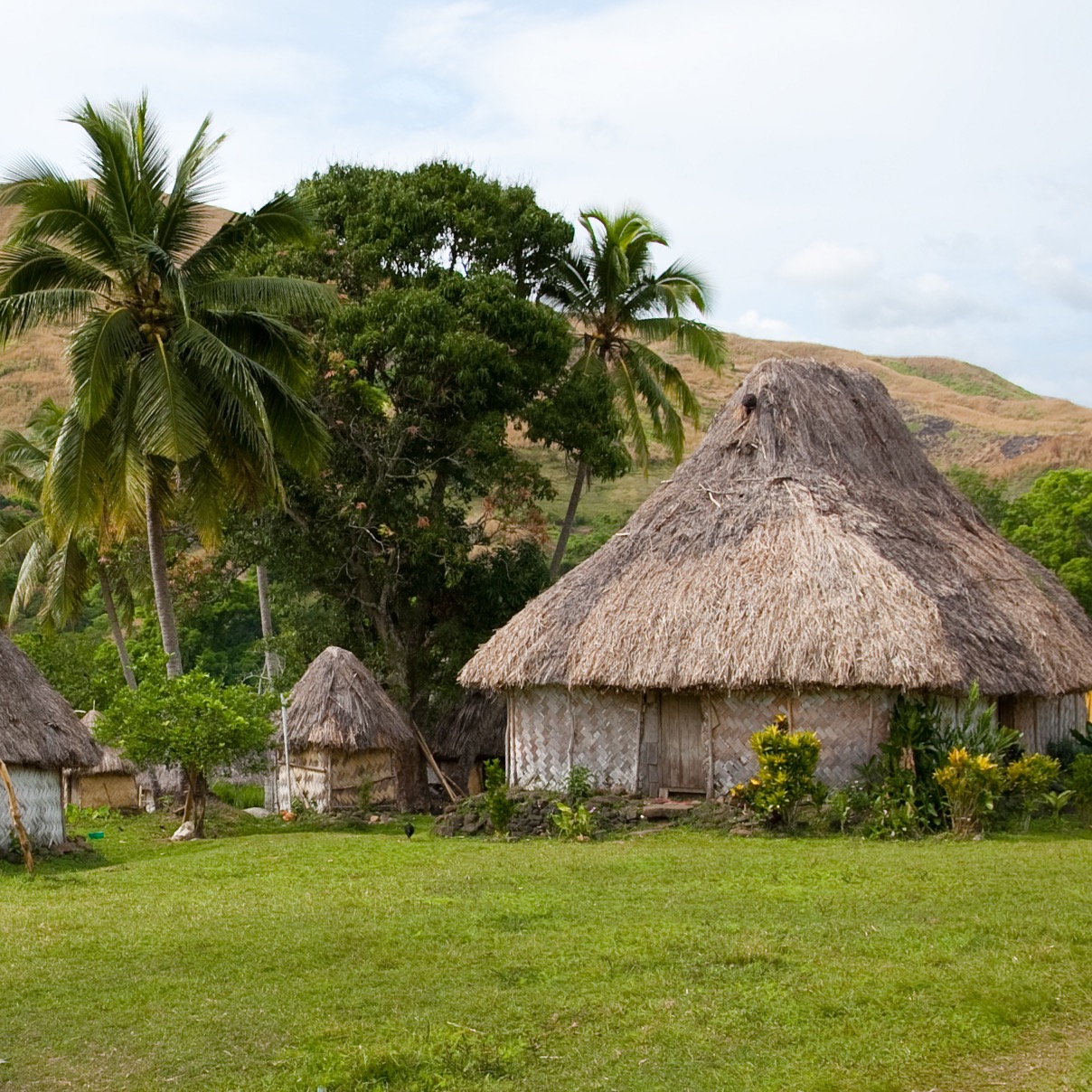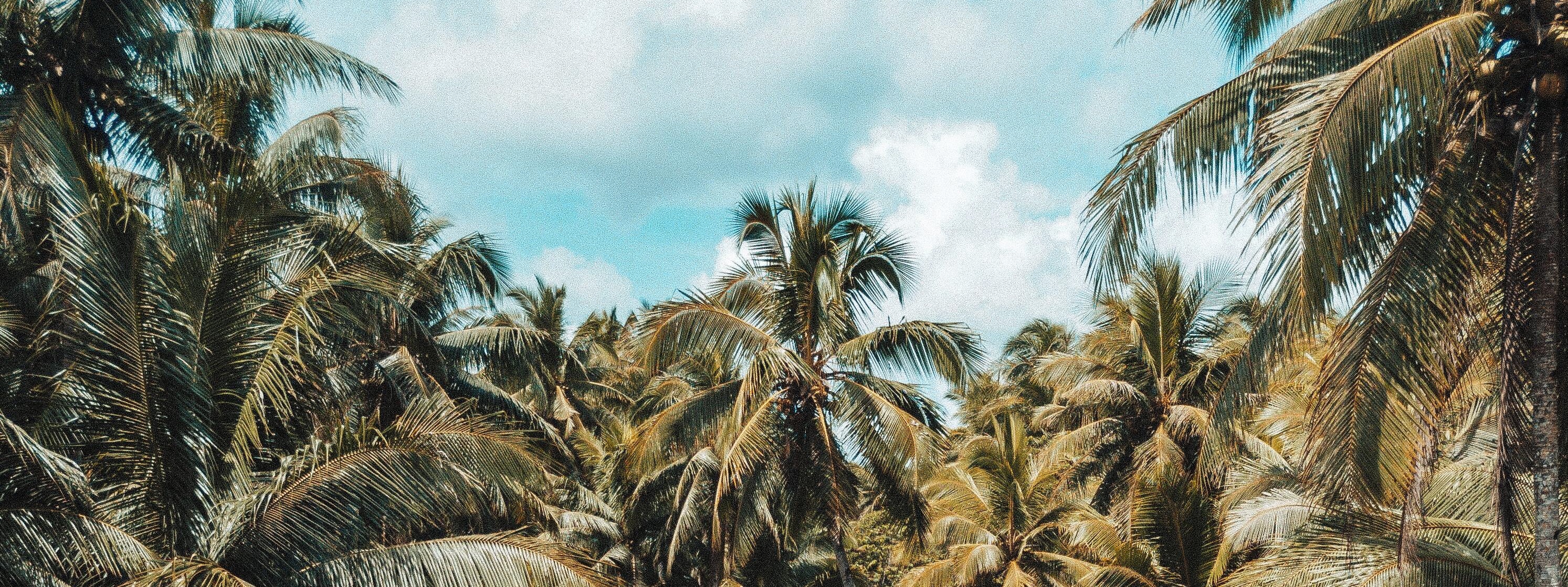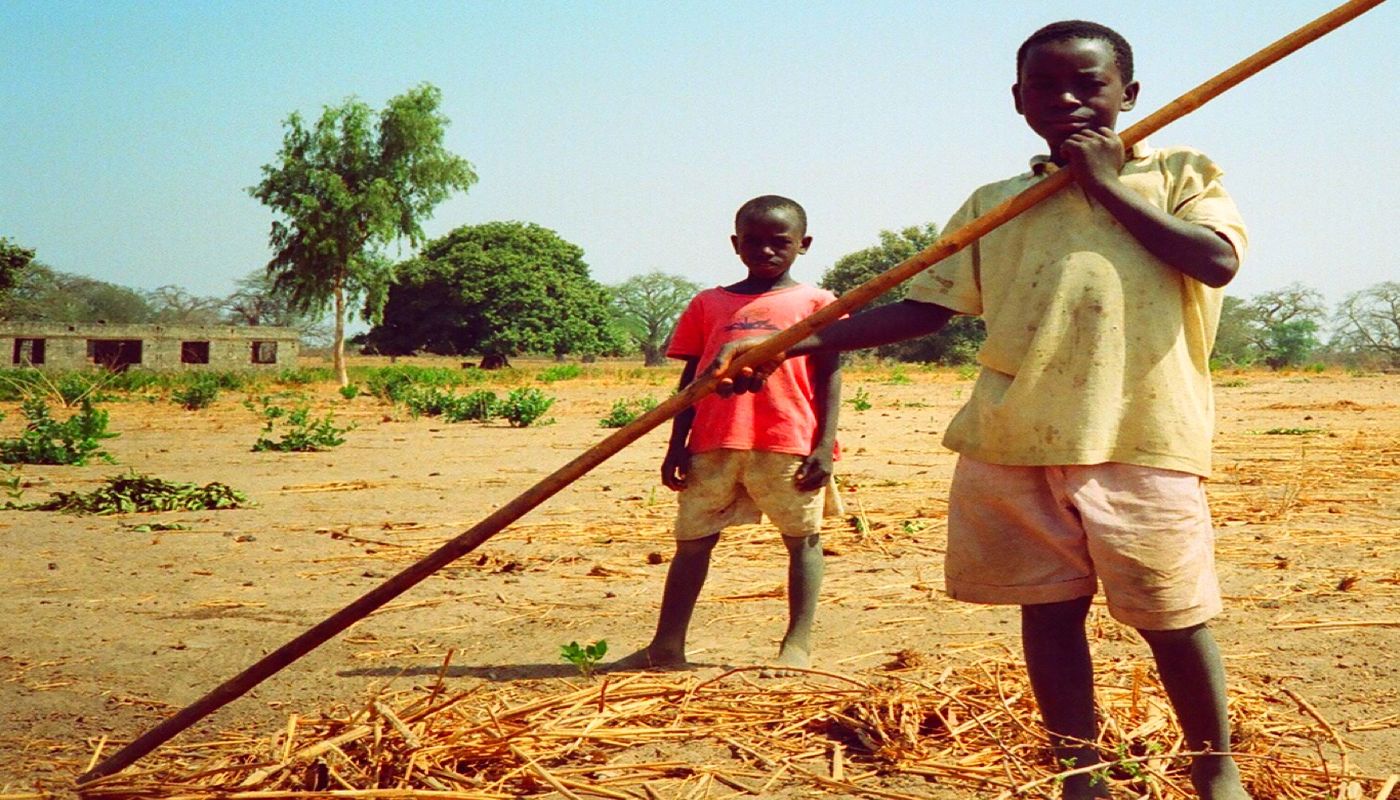
Landscape of The Gambia
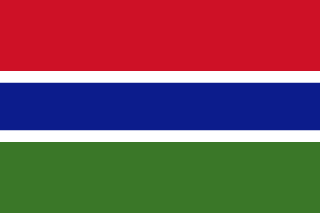
Flag of The Gambia

The Gambia

Africa

The West African country of The Gambia has a population of approximately 2.5 million people. The country is situated on the banks of the Gambia River, which provides a vital source of water for agriculture and fishing, and also serves as a hub for transportation and trade.Additionally, The Gambia has taken steps to improve access to education and healthcare and has made progress in addressing gender inequality. The Gambia is also making strides in the areas of education and healthcare, with significant investments being made to improve these sectors. The Gambia is working towards a successful future.

What would you like to learn about in The Gambia?

Select a section to explore the country where nonprofits are creating positive change.

About The Gambia

The Gambia gained its independence from the UK in 1965. Geographically surrounded by Senegal, it formed a short-lived federation of Senegambia between 1982 and 1989. In 1991 the two nations signed a friendship and cooperation treaty, but tensions have flared up intermittently since then. Yahya JAMMEH led a military coup in 1994 that overthrew the president and banned political activity. A new constitution and presidential elections in 1996, followed by parliamentary balloting in 1997, completed a nominal return to civilian rule. JAMMEH has been elected president in all subsequent elections including most recently in late 2011.

Quick Facts

Population
1,883,051 (July 2013 est.)
Area
11,295 sq km
ISO Code
GM
Continent
Africa
Government
republic
Active Causes
12
View all countries in Africa

Geography & Environment

Climate

tropical; hot, rainy season (June to November); cooler, dry season (November to May)

Terrain

flood plain of the Gambia River flanked by some low hills

Natural Resources

fish, clay, silica sand, titanium (rutile and ilmenite), tin, zircon

Environmental Issues

deforestation; desertification; water-borne diseases prevalent

People & Society

64.09 years
Avg. Life Expectancy
51.1%
Literacy Rate
57.3% of total population (2011)
Total Urban Population

Languages

English (official), Mandinka, Wolof, Fula, other indigenous vernaculars

Religions

Muslim 90%, Christian 8%, indigenous beliefs 2%

Health Expenditure

5.7% of GDP (2010) of GDP

Education Expenditure

3.9% of GDP (2011) of GDP

Economy

$1,900
GDP per Capita (PPP)
NA%
Unemployment Rate
48.4% (2010 est.)
Below Poverty Line

Economic Overview

The Gambia has sparse natural resource deposits and a limited agricultural base, and relies in part on remittances from workers overseas and tourist receipts. About three-quarters of the population depends on the agricultural sector for its livelihood and the sector provides for about one-quarter of GDP. The agricultural sector has untapped potential - less than half of arable land is cultivated. Small-scale manufacturing activity features the processing of peanuts, fish, and hides. The Gambia's natural beauty and proximity to Europe has made it one of the larger markets for tourism in West Af...

Causes in The Gambia

Environment

The Gambia, a West African country known for its diverse ecosystems, faces significant environmental challenges that impact its population and economy. Deforestation, soil degradation, and water scarcity are prevalent issues that threaten the country's biodiversity and agricultural productivity. The deforestation rate in The Gambia is estimated at 1.5% per year, primarily driven by unsustainable logging practices and agricultural expansion. This has led to habitat loss for numerous plant and animal species, exacerbating the risk of extinction. Additionally, soil degradation resulting from poor land management practices and climate change has reduced agricultural yields, posing a threat to food security for many Gambians. Water scarcity is another pressing concern in The Gambia, with access to clean water limited in rural areas, leading to health problems and hindering agricultural activities. Addressing these environmental challenges is crucial for the sustainable development of The Gambia and the well-being of its people.

Family

In The Gambia, family holds great significance as a foundational element of society, playing a crucial role in shaping individuals' identities and providing them with a sense of belonging and support. The traditional family structure in The Gambia is typically extended, encompassing not only parents and children but also grandparents, aunts, uncles, and cousins. This extended family network serves as a source of emotional, financial, and social assistance, especially in times of need. Family members often come together to celebrate cultural traditions, share resources, and provide care for one another throughout their lives. However, changing societal dynamics, such as urbanization and migration, have started to impact the traditional family structure in The Gambia, leading to shifts in familial roles and responsibilities. It is crucial to recognize the pivotal role that family plays in Gambian society and work towards preserving and strengthening these familial bonds for the well-being of individuals and communities.

Human Rights

The Gambia, a small West African country known for its rich cultural heritage and diverse ecosystems, has faced significant challenges in upholding human rights. Despite efforts to promote democracy and improve the rule of law, issues such as gender inequality, child labor, and discrimination based on sexual orientation persist. The government has taken steps to address these concerns by enacting legislation and creating institutions to protect human rights; however, implementation remains a challenge due to limited resources and capacity. International human rights organizations continue to monitor the situation in The Gambia and provide support to civil society groups working to promote and protect human rights in the country.

Education

The Gambia, a small West African country, faces numerous challenges in its education sector that greatly impact its development. With a literacy rate of around 50%, access to quality education is limited, especially in rural areas where poverty and lack of infrastructure are prevalent. The educational system in The Gambia struggles with overcrowded classrooms, insufficient resources, and high dropout rates, particularly among girls. These issues hinder the country's ability to break the cycle of poverty and achieve sustainable development. Addressing these challenges through improved educational policies, increased investment in infrastructure and teacher training, and promoting gender equality in education are crucial steps towards empowering the Gambian people and fostering national progress.

Poverty

The Gambia, a West African country known for its diverse culture and stunning landscapes, is profoundly affected by poverty. With a significant portion of its population living below the poverty line, The Gambia faces numerous challenges in providing its citizens with adequate healthcare, education, and employment opportunities. Poverty in The Gambia has a multifaceted impact, contributing to malnutrition, inadequate access to clean water and sanitation, and limited opportunities for economic growth. The rural areas of the country are particularly vulnerable to the effects of poverty, with many households struggling to meet their basic needs. Addressing poverty in The Gambia requires a coordinated effort from both the government and international organizations to implement sustainable solutions that will uplift the lives of its people.

Religion

The Gambia, a small West African country known for its diverse culture and rich history, is deeply influenced by religion. The majority of Gambians practice Islam, with over 90% of the population identifying as Muslim. Islam plays a significant role in shaping the social, cultural, and political landscape of the country. Mosques are central to community life, serving as places of worship, education, and social gatherings. Religious leaders hold considerable influence, providing guidance on matters ranging from personal conduct to national policy. However, religious diversity also exists in The Gambia, with small Christian and indigenous religious communities contributing to the country's multicultural tapestry. Despite this diversity, religious harmony is generally maintained, fostering a sense of unity among Gambians. It is crucial to recognize and respect the role of religion in shaping Gambian society while promoting tolerance and understanding among different faith traditions.

Clean Water

The Gambia, a small West African country, faces significant challenges in accessing clean water. With a population of over 2 million people, a substantial portion of the population lacks access to safe drinking water, leading to widespread health issues such as waterborne diseases. Inadequate sanitation facilities and limited access to clean water sources contribute to high infant mortality rates and poor overall health outcomes. The impact of unclean water is particularly severe in rural areas, where access to basic water infrastructure is limited. Addressing these issues requires comprehensive investments in water infrastructure, sanitation facilities, and public health education initiatives to ensure all Gambians have access to clean and safe drinking water.

Economy

The Gambia, a small West African country, faces various challenges that impact its economy. With a high unemployment rate and limited natural resources, The Gambia heavily relies on agriculture, particularly peanuts, as a major source of income. However, the country's economy is vulnerable to external factors such as fluctuating global commodity prices and climate change, which can lead to reduced agricultural productivity and income instability for its population. Furthermore, The Gambia's heavy debt burden and reliance on foreign aid also contribute to economic challenges faced by the country. Improving infrastructure, diversifying the economy, and promoting sustainable development are crucial steps needed to enhance economic stability and growth in The Gambia.

Government

The Republic of The Gambia, located in West Africa, is a country deeply impacted by its government's decisions and policies. Despite its small size, The Gambia faces numerous challenges including poverty, political instability, and human rights issues. The government plays a significant role in shaping the country's future through its governance, economic policies, and social programs. However, corruption and lack of transparency within the government have hindered progress and development in The Gambia. It is crucial for the government to prioritize good governance, accountability, and inclusivity to address these challenges and improve the well-being of its citizens.

Health

The Gambia, a West African country known for its diverse culture and rich history, faces significant health challenges that impact its population. The country's healthcare system is characterized by limited resources, inadequate infrastructure, and a shortage of healthcare professionals, leading to barriers in accessing quality healthcare services for many Gambians. Poor sanitation and hygiene practices also contribute to the high prevalence of infectious diseases such as malaria, tuberculosis, and diarrheal diseases in the country. Additionally, malnutrition remains a pressing issue, especially among children under five years old. These health challenges not only affect the well-being of individuals but also hinder the overall development and prosperity of The Gambia as a nation.

Children

In The Gambia, children face various challenges that significantly impact their well-being and development. One key issue affecting children in this West African nation is poverty, with approximately 60% of the population living below the poverty line. This economic hardship often leads to limited access to education, healthcare, and proper nutrition for many Gambian children, undermining their opportunities for growth and success. Furthermore, child marriage remains a prevalent concern in the country, with over one-third of girls being married before the age of 18, jeopardizing their health, education, and overall future prospects. Additionally, child labor is a pressing issue, with many children being forced into exploitative work situations instead of attending school and enjoying their childhood. Addressing these challenges is crucial to ensuring a brighter future for the children of The Gambia.

Animals

The Gambia, a small West African country known for its diverse wildlife and natural habitats, faces various challenges in conserving its animal populations. The impact of animals on The Gambia's ecosystem is profound, as they play crucial roles in maintaining the balance of the environment and contributing to the country's biodiversity. However, factors such as habitat loss, poaching, and climate change pose significant threats to many species in The Gambia. The loss of habitats due to deforestation and agricultural expansion has led to a decline in wildlife populations, including endangered species like the West African manatee and the Western giant eland. Poaching for bushmeat and illegal wildlife trade also remain persistent issues, further endangering several species across the country. Additionally, the effects of climate change, such as shifting weather patterns and rising temperatures, are impacting the availability of food and water sources for animals in The Gambia. It is crucial for conservation efforts and sustainable practices to be implemented to protect the rich wildlife heritage of The Gambia for future generations.

Nonprofits Working in The Gambia

Discover organizations making a difference in The Gambia

Make Your Impact Today

Discover causes you care about and support the nonprofits making a difference in communities around the world.

Are you a nonprofit? Join Project World Impact for free

Join Us Free