Landscape of Ghana
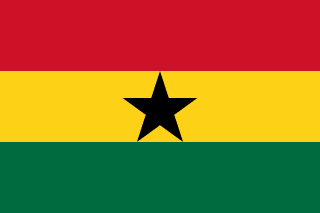
Flag of Ghana

Ghana

Africa

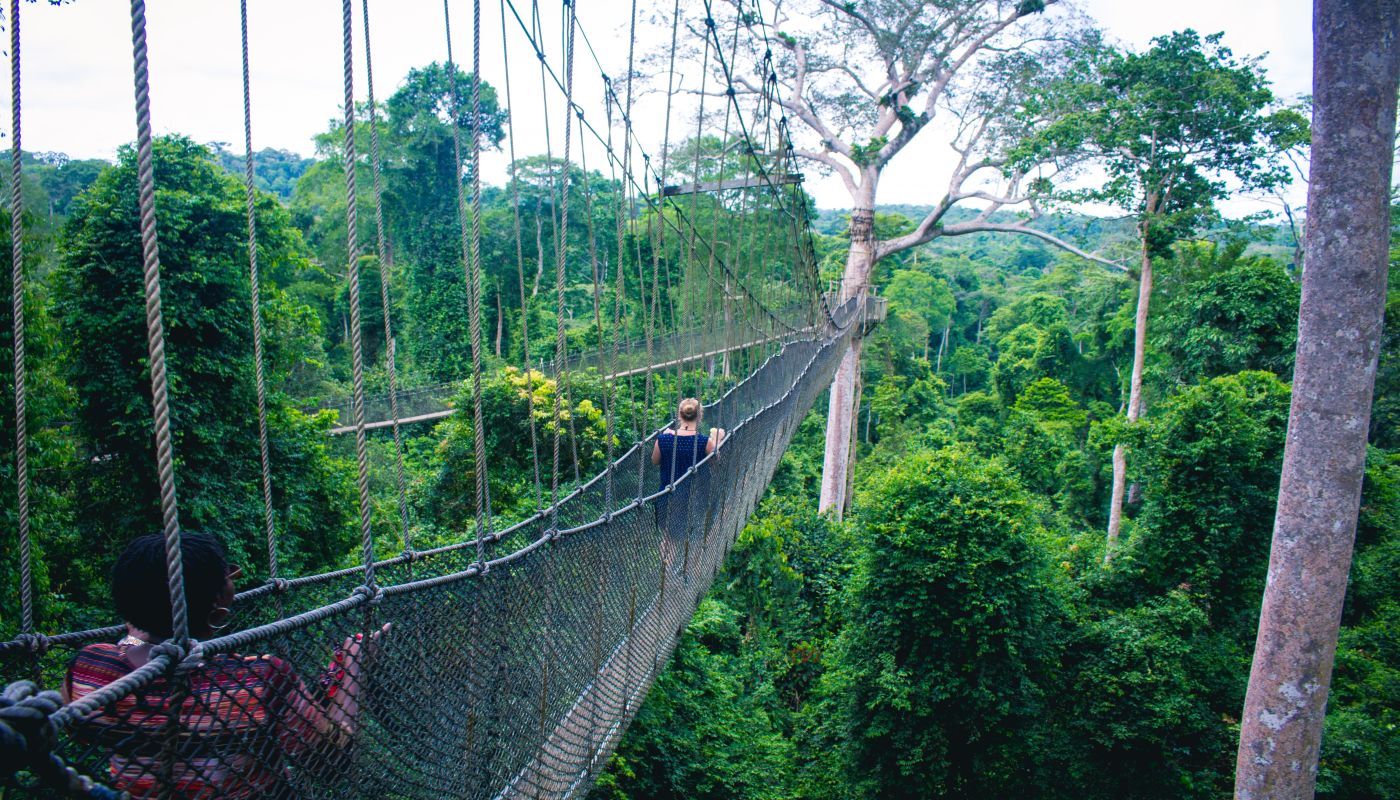
Ghana is in West Africa, bordered by Cote d'Ivoire, Burkina Faso, Togo, and the Gulf of Guinea. With a population of over 31 million people, Ghana has also been praised for its peaceful and stable democratic system. Ghana is also making strides in the area of technology and innovation, with several startups emerging and gaining international recognition. Furthermore, Ghana has been at the forefront of discussions around the global issue of plastic pollution, with the government implementing several measures to tackle the problem, including a ban on single-use plastics. Its beautiful landscapes, rich cultural heritage, growing economy, and dynamic tech sector all point to a strong future for Ghana and its people.

What would you like to learn about in Ghana?

Select a section to explore the country where nonprofits are creating positive change.

About Ghana

Formed from the merger of the British colony of the Gold Coast and the Togoland trust territory, Ghana in 1957 became the first sub-Saharan country in colonial Africa to gain its independence. Ghana endured a long series of coups before Lt. Jerry RAWLINGS took power in 1981 and banned political parties. After approving a new constitution and restoring multiparty politics in 1992, RAWLINGS won presidential elections in 1992 and 1996 but was constitutionally prevented from running for a third term in 2000. John KUFUOR succeeded him and was reelected in 2004. John Atta MILLS took over as head of state in early 2009, but he died in July 2012 and was succeeded by his vice president John Dramani MAHAMA, who subsequently won a December 2012 special presidential election.

Quick Facts

Population
25,199,609 (July 2013 est.)
Area
238,533 sq km
ISO Code
GH
Continent
Africa
Government
constitutional democracy
Active Causes
12
View all countries in Africa

Geography & Environment

Climate

tropical; warm and comparatively dry along southeast coast; hot and humid in southwest; hot and dry in north

Terrain

mostly low plains with dissected plateau in south-central area

Natural Resources

gold, timber, industrial diamonds, bauxite, manganese, fish, rubber, hydropower, petroleum, silver, salt, limestone

Environmental Issues

recurrent drought in north severely affects agricultural activities; deforestation; overgrazing; soil erosion; poaching and habitat destruction threatens wildlife populations; water pollution; inadequ...

People & Society

65.32 years
Avg. Life Expectancy
71.5%
Literacy Rate
51.9% of total population (2011)
Total Urban Population

Languages

Asante 14.8%, Ewe 12.7%, Fante 9.9%, Boron (Brong) 4.6%, Dagomba 4.3%, Dangme 4.3%, Dagarte (Dagaba) 3.7%, Akyem 3.4%, Ga 3.4%, Akuapem 2.9%, other (i...

Religions

Christian 71.2% (Pentecostal/Charismatic 28.3%, Protestant 18.4%, Catholic 13.1%, other 11.4%), Muslim 17.6%, traditional 5.2%, other 0.8%, none 5.2%...

Health Expenditure

5.2% of GDP (2010) of GDP

Education Expenditure

8.2% of GDP (2011) of GDP

Economy

$3,400
GDP per Capita (PPP)
11%
Unemployment Rate
28.5% (2007 est.)
Below Poverty Line

Economic Overview

Ghana's economy has been strengthened by a quarter century of relatively sound management, a competitive business environment, and sustained reductions in poverty levels. Ghana is well endowed with natural resources and agriculture accounts for roughly one-quarter of GDP and employs more than half of the workforce, mainly small landholders. The services sector accounts for 50% of GDP. Gold and cocoa production and individual remittances are major sources of foreign exchange. Oil production at Ghana's offshore Jubilee field began in mid-December, 2010, and is expected to boost economic growth....

Causes in Ghana

Environment

Ghana, a country located in West Africa, faces significant environmental challenges that have profound impacts on its population and economy. Deforestation, soil degradation, water pollution, and inadequate waste management are among the key environmental issues affecting Ghana. Deforestation, driven by logging, agriculture expansion, and mining activities, threatens the country's biodiversity and contributes to climate change. Soil degradation resulting from unsustainable farming practices diminishes agricultural productivity, jeopardizing food security for many Ghanaians. Water pollution from industrial effluents and improper waste disposal pollutes water sources, leading to health hazards and undermining access to clean water. Inadequate waste management exacerbates environmental pollution and poses risks to public health. Addressing these environmental challenges is crucial for sustainable development in Ghana and requires concerted efforts from government, businesses, and communities.

Family

In Ghana, family plays a central role in shaping individuals' lives and society as a whole. The concept of family extends beyond the nuclear unit to include extended family members, who are often involved in decision-making processes and provide social support. Family is considered the cornerstone of Ghanaian culture, influencing values, traditions, and social norms. The collective nature of Ghanaian society places importance on communal living and interdependence among family members. Strong family ties promote a sense of belonging and security, fostering emotional well-being and stability. However, challenges such as poverty, migration, and urbanization have strained traditional family structures in Ghana, leading to changing dynamics within households. Understanding the significance of family in Ghana is crucial for addressing social issues and promoting community development.

Human Rights

Human rights in Ghana have a significant impact on the country's social, political, and economic landscape. Despite being one of the most stable democracies in Africa, Ghana still faces challenges regarding human rights issues. Issues such as child labor, gender inequality, and lack of access to quality healthcare and education continue to be prevalent in the country. Discrimination against marginalized groups, such as the LGBT community, also remains a concern. The government of Ghana has made efforts to address these issues through legislative reforms and awareness campaigns, but more work needs to be done to ensure that all citizens enjoy their fundamental human rights. By raising awareness about these issues, we can contribute to creating a more just and equitable society in Ghana.

Education

In Ghana, education plays a pivotal role in shaping the country's socio-economic development. Despite progress in recent years, challenges such as limited access to quality education, inadequate infrastructure, and insufficient resources persist, particularly in rural areas. The impact of these challenges is evident in the country's low literacy rates and high dropout rates. Education is crucial for empowering individuals, reducing poverty, promoting gender equality, and fostering economic growth. To address these issues, the Ghanaian government has implemented various initiatives to improve the quality of education and increase access for all citizens. However, sustained efforts and increased investment are needed to ensure that every Ghanaian has the opportunity to receive a quality education and contribute to the country's overall development.

Poverty

Poverty remains a significant challenge in Ghana, impacting various facets of the country's development and wellbeing. The World Bank estimates that over 23% of Ghanaians live below the national poverty line, struggling to access basic necessities such as food, clean water, education, and healthcare. The effects of poverty are widespread, leading to inadequate infrastructure, limited economic opportunities, and high unemployment rates. Furthermore, poverty exacerbates other social issues such as malnutrition, poor sanitation, and limited access to quality education, perpetuating a cycle of deprivation for many individuals and communities in Ghana. Addressing poverty in Ghana requires a multifaceted approach involving targeted social programs, investment in education and healthcare, as well as sustainable economic development initiatives to uplift the most vulnerable populations and promote long-term prosperity for the nation.

Religion

Religion plays a significant role in the social fabric of Ghana, a country known for its religious diversity and tolerance. The main religions practiced in Ghana are Christianity, Islam, and traditional African religions. Christianity is the dominant religion, with approximately 70% of Ghanaians identifying as Christians, while about 18% are Muslims. Traditional African religions also hold sway in some rural areas. Religious beliefs influence various aspects of Ghanaian life, from family structures to political decisions. Churches and mosques are not just places of worship; they also serve as community centers that provide social services and support. Moreover, religious leaders often play crucial roles in mediating conflicts and promoting social cohesion. Despite occasional tensions between religious groups, Ghanaians generally coexist peacefully and celebrate each other's religious festivals. It is this harmonious coexistence that showcases Ghana's commitment to religious tolerance and diversity.

Clean Water

Ghana, located in West Africa, faces significant challenges in accessing clean water. With a population of over 30 million people, a substantial portion still lacks access to safe and clean drinking water. The inadequate infrastructure and pollution of water sources contribute to the widespread issue of waterborne diseases in the country. The impact of contaminated water is particularly severe on children, leading to high mortality rates due to preventable illnesses like diarrhea. Lack of access to clean water also hinders economic development and perpetuates the cycle of poverty in many communities. Initiatives focusing on improving water sanitation and hygiene practices are crucial to address these challenges and improve the well-being of Ghanaians.

Economy

Ghana, located in West Africa, is a country with a diverse economy heavily reliant on agriculture, mining, and services. The economy of Ghana plays a crucial role in shaping the country's development and overall well-being of its citizens. With a GDP predominantly driven by the export of gold, cocoa, and oil, fluctuations in global commodity prices can significantly impact Ghana's economy. Furthermore, challenges such as inflation, high levels of public debt, and income inequality pose obstacles to sustainable economic growth and development in the country. Despite ongoing efforts to diversify the economy and attract foreign investment, Ghana continues to face economic vulnerabilities that require strategic planning and policy interventions to mitigate their effects.

Government

Ghana, a country located in West Africa, has a government system that significantly influences its citizens and overall development. The government of Ghana plays a crucial role in providing essential services such as healthcare, education, infrastructure, and social welfare programs to its population. However, challenges such as corruption, inadequate funding, and inefficiencies in service delivery persist, impacting the quality of life for many Ghanaians. Additionally, governmental policies on economic management, trade relations, and environmental protection have far-reaching implications for the country's sustainable growth and development. It is essential for both the government and the citizens of Ghana to work collaboratively towards addressing these issues to ensure a prosperous future for the nation.

Health

Health plays a crucial role in the socio-economic development of Ghana, a country facing significant health challenges. With a population of over 30 million people, Ghana grapples with high rates of communicable diseases such as malaria, tuberculosis, and HIV/AIDS, as well as non-communicable diseases like hypertension and diabetes. Limited access to healthcare services, inadequate infrastructure, and a shortage of healthcare professionals further exacerbate the health issues in the country. The impact of poor health on Ghana's population is profound, leading to increased mortality rates, decreased productivity, and heightened healthcare costs. Addressing these health challenges requires concerted efforts from the government, healthcare providers, and the community to improve healthcare infrastructure, increase access to quality healthcare services, and promote health education and awareness.

Children

In Ghana, children face numerous challenges that significantly impact their well-being and future prospects. The country struggles with high rates of child labor, with many children forced to work in hazardous conditions, depriving them of their right to education and a safe childhood. Additionally, child marriage remains a prevalent issue in certain regions of Ghana, leading to early pregnancies, limited opportunities for girls, and perpetuating cycles of poverty. Poor access to healthcare and sanitation also contribute to high child mortality rates in the country. These factors not only hinder the development of children but also have far-reaching implications for Ghana's overall socio-economic progress. Raising awareness and advocating for policies that protect the rights and well-being of children are crucial steps in addressing these pressing issues.

Animals

In Ghana, animals play a significant role in the ecosystem and economy of the country. The diverse wildlife found in Ghana includes elephants, leopards, and various species of primates, all of which contribute to the nation's biodiversity. However, the impact of human activities such as deforestation, poaching, and habitat destruction poses a threat to these animals and their habitats. Conservation efforts are crucial to safeguarding Ghana's rich wildlife and ensuring the balance of its ecosystems for future generations. By raising awareness about the importance of preserving animal populations and their habitats, we can work towards creating a sustainable environment in Ghana.

Nonprofits Working in Ghana

Discover organizations making a difference in Ghana

Project Peanut Butter

Project Peanut Butter

Across the world, severe acute malnutrition is the largest killer of children under 5 years of age, contributing to nearly half of all childhood deaths (more than 3 million children per year). We produce peanut based ready-to-use therapeutic foods (RUTF) locally in factories in Malawi, Sierra Leone, and Ghana. Our factories are internationally accredited by UNICEF, Doctors Without Borders, and the World Food Program, and our product is considered the standard of care worldwide for severely malnourished children. We strive to use as many local ingredients and staff as possible. In addition, we distribute the therapeutic food at our own mobile clinics, where PPB nurses assess children for malnutrition and provide qualifying children with life-saving food at no charge.

Maplewood, Missouri
GUTTMACHER INSTITUTE INC

GUTTMACHER INSTITUTE INC

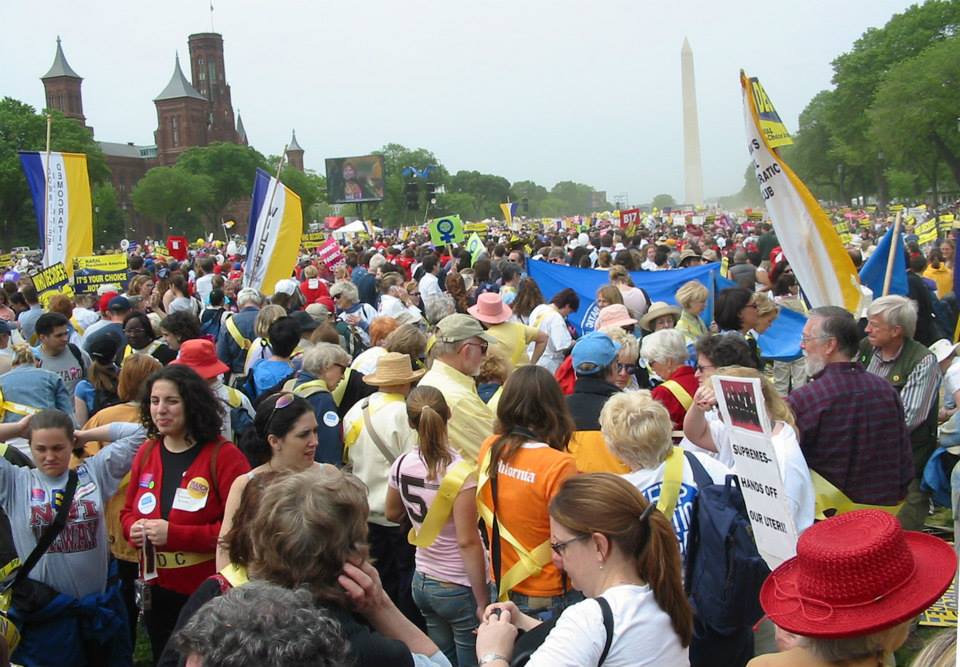
Now in its fifth decade, the Guttmacher Institute remains committed to the mission and goals that led to its creation. The Guttmacher Institute was founded in 1968 as the Center for Family Planning Program Development. At the time, Presidents John F. Kennedy, Lyndon Johnson and Richard Nixon had begun to call the public's attention to the problem of unplanned and unwanted childbearing and its consequences for individual women and men, their children and their communities both at home and abroad. Concurrently, the United States Congress was taking its first steps toward the development of an international population assistance program, as well as a multifaceted, national program aimed at providing equitable access to modern methods of birth control in the United States. By integrating nonpartisan social science research, policy analysis and public education, the Center hoped to provide a factual basis for the development of sound governmental policies and for public consideration of the sensitive issues involved in the promotion of reproductive health and rights. This purpose and commitment continue today. The Center was originally housed within the corporate structure of Planned Parenthood Federation of America (PPFA). Its program, however, was independently developed and overseen by a National Advisory Council separate from the PPFA Board of Directors. Its early development was nurtured by Alan F. Guttmacher, an eminent obstetrician-gynecologist, teacher and writer who was PPFA's president for more than a decade until his death in 1974. The Center was renamed in Dr. Guttmacher's memory, and the Guttmacher Institute incorporated as an entirely independent nonprofit policy research institute with its own Board in 1977. The Guttmacher Institute maintains offices in New York and Washington. Its current staff of 81 comprises demographers, social scientists, public policy analysts, editors, writers, communications specialists, and financial and technical personnel. A few of its employees have been with the organization for most of its existence, and an affiliation that goes back 10 or 15 years is not unusual. The Institute's work is guided by a 39-member board made up of eminent professionals from a rich variety of disciplines, as well as civic leaders from across the United States and around the world. The Guttmacher Institute's annual budget of approximately $17 million is derived largely from private foundations, government agencies, multilateral organizations and individual contributions.

New York, New York
Make Your Impact Today

Discover causes you care about and support the nonprofits making a difference in communities around the world.

Are you a nonprofit? Join Project World Impact for free

Join Us Free