Landscape of Guinea
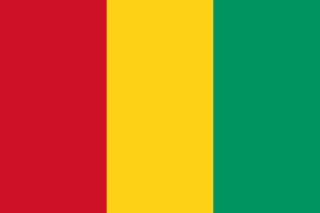
Flag of Guinea

Guinea

Africa

Guinea is a beautiful country located on the West Coast of Africa. It has a population of approximately 13.1 million people and is home to a diverse range of ethnic groups, each with its own unique culture and traditions. The country is also rich in natural resources, with vast deposits of gold, diamonds, and bauxite. The government has been implementing a range of reforms to attract foreign investment and promote private sector growth. Guinea has vast potential for hydroelectric power, and the government is actively working to develop this resource in order to provide clean, affordable energy to the population.

What would you like to learn about in Guinea?

Select a section to explore the country where nonprofits are creating positive change.

About Guinea

Guinea has had a history of authoritarian rule since gaining its independence from France in 1958. Lansana CONTE came to power in 1984 when the military seized the government after the death of the first president, Sekou TOURE. Guinea did not hold democratic elections until 1993 when Gen. CONTE (head of the military government) was elected president of the civilian government. He was reelected in 1998 and again in 2003, though all the polls were marred by irregularities. History repeated itself in December 2008 when following President CONTE's death, Capt. Moussa Dadis CAMARA led a military coup, seizing power and suspending the constitution. His unwillingness to yield to domestic and international pressure to step down led to heightened political tensions that culminated in September 2009 when presidential guards opened fire on an opposition rally killing more than 150 people, and in early December 2009 when CAMARA was wounded in an assassination attempt and evacuated to Morocco and subsequently to Burkina Faso. A transitional government led by Gen. Sekouba KONATE held democratic elections in 2010 and Alpha CONDE was elected president in the country's first free and fair elections since independence. CONDE in July 2011 survived an attack on his residence allegedly perpetrated by the military. In October 2012, he announced a cabinet reshuffle that removed three members of the military from their positions, making the current administration Guinea's first all-civilian government.

Quick Facts

Population
11,176,026 (July 2013 est.)
Area
245,857 sq km
ISO Code
GN
Continent
Africa
Government
republic
Active Causes
12
View all countries in Africa

Geography & Environment

Climate

generally hot and humid; monsoonal-type rainy season (June to November) with southwesterly winds; dry season (December to May) with northeasterly harmattan winds

Terrain

generally flat coastal plain, hilly to mountainous interior

Natural Resources

bauxite, iron ore, diamonds, gold, uranium, hydropower, fish, salt

Environmental Issues

deforestation; inadequate supplies of potable water; desertification; soil contamination and erosion; overfishing, overpopulation in forest region; poor mining practices have led to environmental dama...

People & Society

59.11 years
Avg. Life Expectancy
41%
Literacy Rate
35.4% of total population (2011)
Total Urban Population

Languages

French (official)

Religions

Muslim 85%, Christian 8%, indigenous beliefs 7%

Health Expenditure

4.9% of GDP (2010) of GDP

Education Expenditure

3.1% of GDP (2011) of GDP

Economy

$1,100
GDP per Capita (PPP)
NA%
Unemployment Rate
47% (2006 est.)
Below Poverty Line

Economic Overview

Guinea is a poor country that possesses major mineral, hydropower, and agricultural resources. The country has almost half of the world's bauxite reserves and significant iron ore, gold, and diamond reserves. However, Guinea has been unable to profit from this potential, as rampant corruption, dilapidated infrastructure, and political uncertainty have drained investor confidence. In the time since a 2008 coup following the death of long-term President Lansana CONTE, international donors, including the G-8, the IMF, and the World Bank, have significantly curtailed their development programs. Th...

Causes in Guinea

Environment

Guinea, located in West Africa, faces significant environmental challenges that profoundly impact its people and ecosystems. Deforestation, mining activities, and climate change have led to soil erosion, loss of biodiversity, and water pollution, threatening the country's natural resources and the livelihoods of its population. The rapid deforestation rate in Guinea, primarily driven by agricultural expansion and logging, has resulted in habitat destruction for numerous species and exacerbated soil erosion and flooding. Additionally, the mining industry, particularly bauxite extraction, has caused deforestation, water contamination, and displacement of communities. Climate change has further intensified environmental pressures in Guinea, leading to erratic weather patterns, increased temperatures, and more frequent natural disasters like droughts and floods. Addressing these environmental challenges is crucial to safeguarding Guinea's ecosystems, supporting sustainable development, and ensuring the well-being of its people.

Education

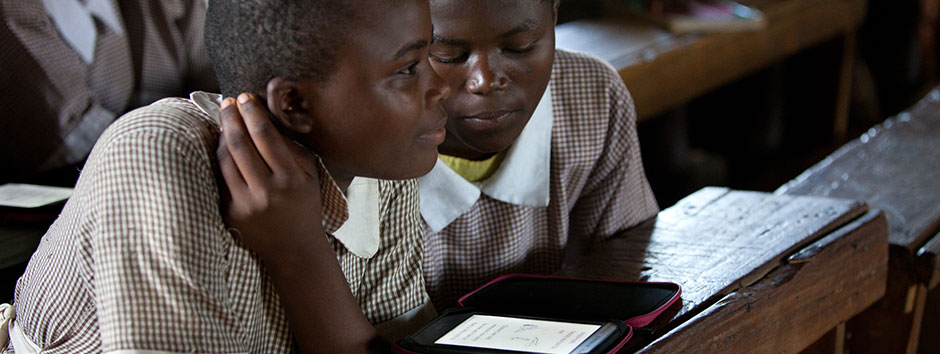
Guinea, located in West Africa, faces numerous challenges in its education sector that significantly impact its population. The country struggles with low literacy rates, limited access to quality education, and inadequate infrastructure. According to UNESCO, only 41% of adults in Guinea are literate, with a significant gender gap where 30% of women are literate compared to 54% of men. The lack of educational opportunities perpetuates poverty and hinders socio-economic development in the country. Inequities in access to education also persist, particularly in rural areas where schools are scarce and often lack basic resources. Additionally, political instability and frequent disruptions in the education system further exacerbate the situation. Addressing these issues is crucial for Guinea to build a more prosperous and sustainable future for its citizens.

Poverty

Guinea, a country located in West Africa, is grappling with the profound impact of poverty on its population. With a high poverty rate of nearly 40%, many Guineans struggle to meet their basic needs such as access to clean water, healthcare, and education. This widespread poverty has led to significant challenges in economic development, social stability, and overall quality of life for the people of Guinea. Limited resources and opportunities exacerbate the cycle of poverty, making it difficult for individuals and communities to break free from its grip. Addressing poverty in Guinea requires a multi-faceted approach that includes improving infrastructure, enhancing access to education and healthcare, promoting sustainable economic growth, and ensuring equitable distribution of resources. By raising awareness about the impact of poverty in Guinea, we can work towards supporting initiatives that aim to alleviate the hardships faced by its population.

Religion

Religion plays a significant role in the West African country of Guinea, where Islam is the predominant faith practiced by about 85% of the population. The influence of Islam is deeply ingrained in Guinea's societal fabric, impacting various aspects of life including politics, education, and social norms. Mosques are central to community life, serving not only as places of worship but also as hubs for social gatherings and educational activities. Religious leaders, known as imams, hold considerable sway in shaping public opinion and often play a key role in mediating disputes within communities. While the majority of Guineans are Muslim, there are also Christian and indigenous religious communities that contribute to the country's religious diversity. Despite the peaceful coexistence among different religious groups, tensions occasionally arise, highlighting the complex interplay between religion and society in Guinea.

Clean Water

In Guinea, access to clean water remains a critical issue with profound implications for public health and well-being. The lack of safe drinking water sources contributes significantly to a range of waterborne illnesses, including cholera, diarrhea, and parasitic infections, leading to high mortality rates, particularly among children under the age of five. According to the World Health Organization (WHO), only 61% of the population in Guinea has access to improved water sources, highlighting the urgent need for improved infrastructure and sanitation systems. Insufficient access to clean water also hinders agricultural productivity and economic development in the country. Addressing this issue requires concerted efforts from both the government and international organizations to ensure sustainable access to clean water for all Guineans.

Economy

Guinea, a country in West Africa, has been grappling with a multitude of challenges that have significantly impacted its economy. The economy of Guinea heavily relies on the mining industry, particularly bauxite production, which accounts for a substantial portion of the country's GDP. However, despite its vast mineral resources, Guinea faces economic disparities and widespread poverty due to factors such as corruption, political instability, and inadequate infrastructure. These issues have hampered economic growth and development, limiting opportunities for the population to improve their living standards. Moreover, Guinea's economy is vulnerable to external shocks, including fluctuations in commodity prices and global economic downturns, further exacerbating its financial challenges.

Government

Guinea, a West African country known for its rich natural resources, diverse culture, and vibrant history, faces various challenges exacerbated by governmental factors. The Government of Guinea plays a significant role in shaping the country's socio-economic landscape. While endowed with abundant mineral resources like bauxite, iron ore, and gold, mismanagement and corruption have hindered the effective utilization of these resources for the benefit of the population. Political instability, weak governance structures, and lack of transparency have also contributed to Guinea's struggle with poverty, high unemployment rates, and limited access to basic services such as healthcare and education. Moreover, the Government's response to issues like human rights violations and social inequalities has been a subject of concern both domestically and internationally. It is crucial for the Government of Guinea to prioritize good governance, transparency, and accountability to address these challenges and foster sustainable development for its citizens.

Health

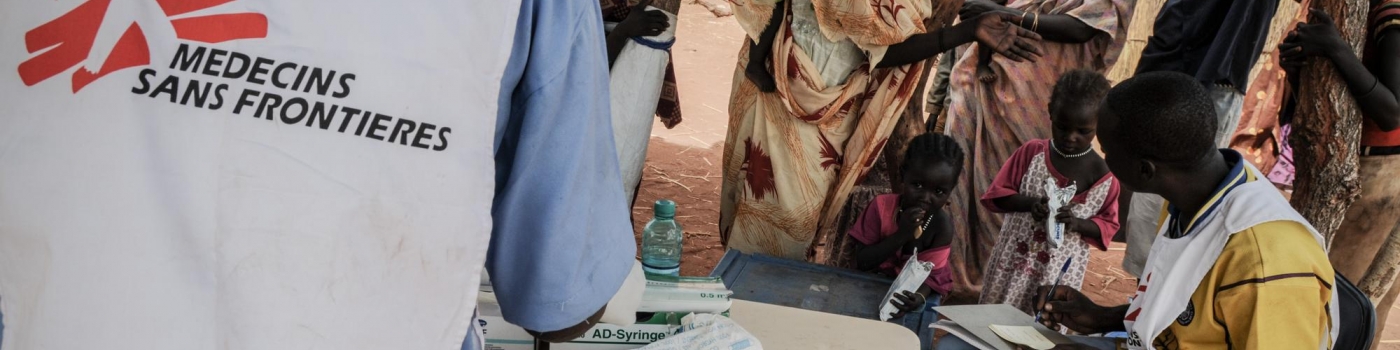
Guinea, a country located in West Africa, faces numerous health challenges that significantly impact its population. The country struggles with high rates of infectious diseases such as malaria, cholera, and Ebola, resulting in a substantial burden on its healthcare system. Limited access to clean water and sanitation facilities further exacerbate the spread of diseases, particularly in rural areas where healthcare infrastructure is lacking. Malnutrition is also prevalent among Guinea's population, especially among children, contributing to a host of health issues. The inadequate supply of healthcare professionals and medical supplies poses additional obstacles to providing quality healthcare services to the population. Addressing these health challenges in Guinea requires sustained efforts in improving healthcare infrastructure, increasing access to essential healthcare services, and promoting public health awareness.

Children

In Guinea, children face numerous challenges that significantly impact their well-being and development. One of the key issues affecting children in Guinea is the high prevalence of child labor, with many children engaged in hazardous work in agriculture, mining, and informal sectors. This not only deprives them of their right to education but also exposes them to exploitation and health risks. Additionally, access to quality education remains a challenge for many children in Guinea, particularly girls and those living in rural areas. The lack of educational opportunities limits their potential for a brighter future and perpetuates the cycle of poverty. Furthermore, child marriage is prevalent in Guinea, with many girls being forced into unions at a young age, compromising their health, education, and overall well-being. Addressing these issues requires concerted efforts from government, civil society, and international partners to protect the rights of children and ensure their holistic development.

Family

Family plays a significant role in the social fabric of Guinea, a country located in West Africa. In Guinean culture, the concept of family extends beyond the nuclear family to encompass an extensive network of relatives and kin. Families in Guinea are typically large and close-knit, with members providing support and assistance to one another in times of need. The elderly are highly respected and often serve as pillars of wisdom within the family structure. Family gatherings are common, providing opportunities for bonding and celebrating shared traditions and values. However, challenges such as poverty, limited access to education, and healthcare disparities can strain family dynamics in Guinea. Despite these obstacles, families in Guinea remain resilient and resourceful, drawing strength from their deep-rooted connections and communal bonds.

Human Rights

Guinea, a West African country known for its rich cultural heritage and natural resources, has been facing significant challenges in upholding human rights. Despite constitutional guarantees and international obligations, Guinea struggles with issues such as police brutality, political repression, and limited access to healthcare and education. Violations of civil liberties, including freedom of speech and assembly, are common in Guinea, contributing to a climate of fear and insecurity among its citizens. The lack of accountability for human rights abuses further exacerbates the situation. By addressing these systemic issues and promoting respect for human rights, Guinea can work towards a more just and equitable society for all its people.

Animals

Guinea, located in West Africa, is a country rich in biodiversity, hosting a wide array of animal species that play a crucial role in the ecosystem. The country's unique wildlife, including chimpanzees, hippos, and various bird species, contributes to its ecological balance and attracts tourists from around the globe. However, Guinea faces significant challenges in preserving its wildlife due to habitat loss, illegal poaching, and deforestation. These threats not only endanger the survival of numerous animal species but also disrupt the delicate equilibrium of Guinea's natural environment. Conservation efforts are vital to safeguarding Guinea's fauna and flora for future generations and maintaining the country's ecological integrity.

Nonprofits Working in Guinea

Discover organizations making a difference in Guinea

KENDALL OPTOMETRY MINISTRY INC

ORGANIZATIONAL MISSION STATEMENT With primary emphasis in underdeveloped countries, Kendall Optometry Ministry, Inc. was established in 2003 to spread the Word of our Lord and Savior Jesus Christ. This is accomplished by providing glasses to improve the vision of people living in many underdeveloped countries. These impoverished people can now see to read their Bible, and also improve their standard of living. Kendall Optometry Ministry, Inc (KOM) is a 501-3c non-profit organization formed to provide optical equipment and training to Christian optical mission teams traveling all over the world. The equipment and training is provided at no cost and supplies are provided at a break even price. Teams are responsible for building their own eyeglasses inventory but much assistance (in the form of training and software) is provided by KOM to assist in the building of this inventory. KOM also has a limited supply of barcoded glasses (prescription in barcode) which can be used to quickly build an inventory. A testimonial by the President. (Revised: 9/8/2018) I grew up in a Christian family. My father, M. H. Kendall , was a college professor and head of the religion department at Mars Hill College, Mars Hill, N.C. for nearly 40 years. I worked for 29 years for General Electric Appliances in Louisville, Ky. During the last 4 years I averaged several hundred thousand miles each year on international travel installing computer systems. All of this travel went flawlessly. God blessed me in everything that I did. It was something that I found to be obvious that God had a hand in my work. In July, 1999 I decided I would take one mission trip to Honduras working through an organization called "Baptist Medical Dental Mission International" (BMDMI.ORG). My intent was to "pay back the Lord" with this one mission trip. When I arrived in the village, I asked the team leader what he wanted me to do. He said he had several boxes of used prescription glasses to hand out. These glasses were dirty, broken, and not measured. As you can see in Figure 1 to the left (scroll down a bit), we just set them out on a table and people came by and tried them on until something helped them. I immediately knew this was wrong but it was the best we could do then. I came back from that trip with a God Given passion to do it better. Since 1999 I have gone to Honduras 27 times and Nicaragua 3 times. Each time something would be improved. The use of the autorefractor was introduced into Honduras in 2003 (to see Figure 2 scroll down a bit) and another one into Nicaragua in 2004. A special series of computer programs were developed to manage and build the inventory. You can review these programs at http://eyeglasses-Inventory.com/. Since 2003 of the 51 BMDMI mission teams more than 95% of these teams use the equipment and software developed by Kendall Optometry Ministry, Inc. In 2003 Kendall Optometry Ministry was incorporated as a 501-3c non-profit company. Using donations provided by several churches and individuals this company purchased a set of equipment which could be loaned out to Christian mission teams going all over the world. Later in 2005 a 2nd kit was purchased and in 2006 a 3rd and a 4th kit was purchased. In the beginning of 2007 a 5th kit was purchased. At the end of 2007 a 6th and 7th kit including a Retinomax 3 was purchased. By the end of 2009 the company owned 10 kits. In 2010 the company purchased two more kits. In 2011 the company purchased 1 more kit bringing the total to 13. By 2017 the company had purchased 18 kits. In 2018 KOM purchased kit number 19. See the growth of the company at this link. 2018 is only part of the year on this graph. Other teams will participate. The teams use this equipment to not only allow people to read their Bible but to also to help them improve their standard of living. You can read about some of these teams in the Teams Supported area of this web site. Tell us about your Christian mission team. Let us help you be more effective in your work for the Lord. If you would like our help send an E-Mail to: HollandKendall@kendalloptoministry.org Holland Kendall, President Kendall Optometry Ministry, Inc.

LOUISVILLE, Kentucky

Make Your Impact Today

Discover causes you care about and support the nonprofits making a difference in communities around the world.

Are you a nonprofit? Join Project World Impact for free

Join Us Free