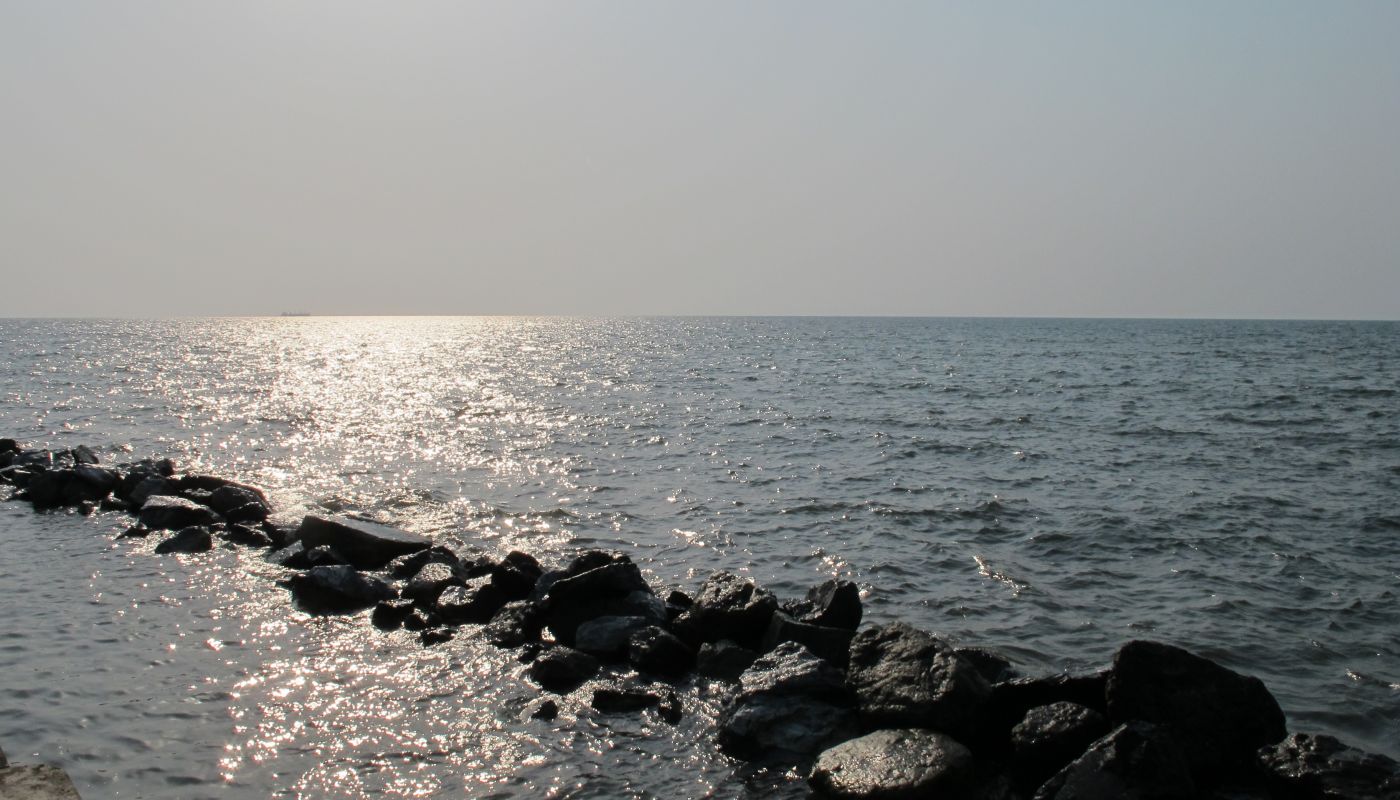
Landscape of Guinea Ecuatorial
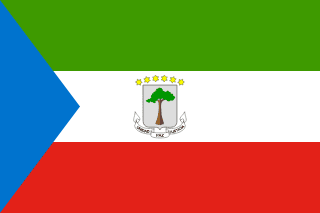
Flag of Guinea Ecuatorial

Guinea Ecuatorial

Africa

Equatorial Guinea is a small country located in Central Africa, home to a population of around 1.4 million people. Equatorial Guinea is one of the wealthiest countries in Africa, thanks to its large oil reserves. The country is working to diversify its economy and reduce its reliance on oil, with a focus on promoting tourism and other non-oil sectors.

What would you like to learn about in Guinea Ecuatorial?

Select a section to explore the country where nonprofits are creating positive change.

About Guinea Ecuatorial

Equatorial Guinea gained independence in 1968 after 190 years of Spanish rule. This tiny country, composed of a mainland portion plus five inhabited islands, is one of the smallest on the African continent. President Teodoro OBIANG NGUEMA MBASOGO has ruled the country since 1979 when he seized power in a coup. Although nominally a constitutional democracy since 1991, the 1996, 2002, and 2009 presidential elections - as well as the 1999, 2004, and 2008 legislative elections - were widely seen as flawed. The president exerts almost total control over the political system and has discouraged political opposition. Equatorial Guinea has experienced rapid economic growth due to the discovery of large offshore oil reserves, and in the last decade has become Sub-Saharan Africa's third largest oil exporter. Despite the country's economic windfall from oil production, resulting in a massive increase in government revenue in recent years, improvements in the population's living standards have been slow to develop.

Quick Facts

Population
704,001 (July 2013 est.)
Area
28,051 sq km
ISO Code
GQ
Continent
Africa
Government
republic
Active Causes
12
View all countries in Africa

Geography & Environment

Climate

tropical; always hot, humid

Terrain

coastal plains rise to interior hills; islands are volcanic

Natural Resources

petroleum, natural gas, timber, gold, bauxite, diamonds, tantalum, sand and gravel, clay

Environmental Issues

tap water is not potable; deforestation

People & Society

63.12 years
Avg. Life Expectancy
94.2%
Literacy Rate
39.5% of total population (2011)
Total Urban Population

Languages

Spanish (official) 67.6%, other (includes French (official), Fang, Bubi) 32.4% (1994 census)

Religions

nominally Christian and predominantly Roman Catholic, pagan practices

Health Expenditure

4.5% of GDP (2010) of GDP

Education Expenditure

0.6% of GDP (2003) of GDP

Economy

$26,400
GDP per Capita (PPP)
22.3%
Unemployment Rate
NA%
Below Poverty Line

Economic Overview

The discovery and exploitation of large oil and gas reserves have contributed to dramatic economic growth, but fluctuating oil prices have produced huge swings in GDP growth in recent years. The economy is still dominated by hydrocarbon production. The government has solicited foreign investment, particularly from the United States, to diversify the economy. Undeveloped natural resources include gold, zinc, diamonds, columbite-tantalite, and other base metals. Forestry and farming are also minor components of GDP. Subsistence farming is the dominant form of livelihood. Although pre-independenc...

Causes in Guinea Ecuatorial

Environment

Equatorial Guinea, a small country located on the west coast of Central Africa, is rich in natural resources including oil, timber, and minerals. However, despite its natural wealth, the country faces significant environmental challenges that impact its population and ecosystem. Deforestation due to logging and agricultural expansion threatens the country's biodiversity and contributes to soil erosion and loss of habitats for wildlife. In addition, pollution from oil extraction activities poses a threat to marine life and coastal communities. Climate change also presents a growing concern, with rising temperatures and unpredictable weather patterns affecting agriculture and food security. Addressing these environmental issues is crucial to safeguarding Equatorial Guinea's natural heritage and ensuring the well-being of its people.

Family

In Equatorial Guinea, the institution of family plays a crucial role in shaping societal norms and values. Families in Equatorial Guinea are typically large and extended, with kinship ties holding significant importance. The family unit is the primary source of social support, education, and financial assistance for individuals. Family members often rely on each other for emotional and practical support, especially in times of need. Moreover, the concept of respect for elders and familial hierarchy is deeply ingrained in Equatoguinean culture, influencing decision-making processes and interpersonal relationships. However, socioeconomic challenges such as poverty and limited access to education can strain family dynamics in Equatorial Guinea, leading to issues such as domestic violence and child labor. Recognizing the pivotal role of family in Equatoguinean society is essential for addressing these challenges and fostering positive social development.

Human Rights

Equatorial Guinea, located on the west coast of Central Africa, faces significant human rights challenges that impact its population. The country has been criticized for its lack of freedom of speech, press, and assembly, as well as reports of government corruption and political repression. Human rights violations such as arbitrary arrests, torture, and restrictions on civil liberties have been reported by various international organizations. The impact of these violations has led to a culture of fear and intimidation among the citizens, hindering their ability to freely express themselves and participate in the democratic process. It is crucial for Equatorial Guinea to address these human rights issues to ensure the well-being and dignity of its people.

Education

Equatorial Guinea, a small country located on the west coast of Central Africa, faces significant challenges in its education system. With a population of approximately 1.4 million people, the country has struggled to provide quality education to its citizens. The impact of this educational deficit is far-reaching, affecting not only individual opportunities for personal growth and development but also the overall economic and social well-being of the nation. In Equatorial Guinea, limited access to education perpetuates cycles of poverty and inequality, hindering the country's ability to progress and thrive in the global economy. Addressing these educational challenges is crucial for Equatorial Guinea to unlock its full potential and secure a brighter future for its people.

Poverty

Guinea Ecuatorial, a small country located on the west coast of Central Africa, faces significant challenges due to poverty. With a population of approximately 1.4 million inhabitants, poverty remains a pressing issue, affecting a large percentage of the population. The lack of access to basic necessities such as clean water, healthcare, and education perpetuates the cycle of poverty in the country. High unemployment rates and limited economic opportunities further exacerbate the situation, leading to widespread poverty and inequality. The impact of poverty is particularly severe in rural areas, where communities struggle to meet their basic needs. Addressing the root causes of poverty in Guinea Ecuatorial is crucial to improving the quality of life for its citizens and fostering sustainable development in the country.

Religion

Religion plays a significant role in the cultural fabric of Equatorial Guinea, a Central African nation with a diverse religious landscape. The country's population predominantly adheres to Christianity, with Roman Catholicism being the largest denomination, followed by various Protestant denominations. Traditional indigenous beliefs also hold sway in some regions, contributing to the religious diversity of Equatorial Guinea. Religion influences various aspects of daily life, shaping social norms, customs, and even political discourse. Churches and religious institutions serve as centers of community life and play a pivotal role in providing social services and support to the population. However, despite the apparent religious tolerance in the country, there have been reported instances of discrimination based on religious beliefs, highlighting the need for greater understanding and respect for religious diversity in Equatorial Guinea.

Clean Water

Equatorial Guinea, a small country located on the west coast of Central Africa, faces significant challenges when it comes to access to clean water. With a population of approximately 1.4 million people, a substantial portion of the populace lacks access to safe drinking water and proper sanitation facilities. This scarcity of clean water not only poses serious health risks but also hinders economic development and perpetuates poverty within the nation. Waterborne diseases such as cholera and typhoid are prevalent due to contaminated water sources, leading to high mortality rates, particularly among children under five years old. The lack of access to clean water also impacts education, as children, especially girls, are often burdened with fetching water over long distances instead of attending school. Addressing the issue of clean water in Equatorial Guinea is crucial for improving the health and well-being of its citizens and advancing sustainable development in the country.

Economy

Equatorial Guinea, a small country located on the west coast of Central Africa, is rich in natural resources such as oil and gas. Despite this wealth, the majority of its population continues to live in poverty due to economic mismanagement and corruption. The economy heavily relies on oil exports, making it vulnerable to fluctuations in global oil prices. The over-reliance on oil has led to a lack of economic diversification, high unemployment rates, and income inequality. This, in turn, has hindered the country's social development and infrastructure improvement efforts. Addressing these economic challenges is crucial to improving the standard of living for the people of Equatorial Guinea and fostering sustainable development in the country.

Government

Equatorial Guinea, a small country located on the west coast of Central Africa, faces various challenges that are influenced by its government. Despite being rich in oil resources, Equatorial Guinea struggles with widespread poverty, high levels of corruption, and limited access to basic services such as healthcare and education. The government, under the leadership of President Teodoro Obiang Nguema Mbasogo, has been criticized for human rights abuses, lack of transparency, and political repression. These issues have contributed to the country's underdevelopment and have hindered the well-being of its citizens. To address these challenges effectively, it is essential for Equatorial Guinea's government to prioritize good governance, accountability, and inclusive policies that benefit all its people.

Health

Guinea Ecuatorial, located in Central Africa, is a country facing significant health challenges that have a profound impact on its population. The healthcare system in Guinea Ecuatorial is underdeveloped, with limited access to medical facilities, healthcare professionals, and essential medications. As a result, the country struggles with high rates of infectious diseases such as malaria, tuberculosis, and HIV/AIDS. Additionally, malnutrition and lack of clean water contribute to poor health outcomes among the population. The health issues in Guinea Ecuatorial are exacerbated by factors such as poverty, inadequate infrastructure, and a lack of public health education. Addressing these challenges requires a comprehensive approach that focuses on improving healthcare infrastructure, increasing access to essential medical services, and promoting health education and prevention programs.

Children

Guinea Ecuatorial, a small Central African country rich in natural resources, faces significant challenges that impact its children. Despite recent economic growth driven by oil production, the country still grapples with high levels of poverty and inequality. Children in Guinea Ecuatorial are particularly vulnerable to these conditions, with many lacking access to basic healthcare, education, and sanitation facilities. Child labor remains a prevalent issue, with many children engaged in hazardous work to support their families. Furthermore, malnutrition rates among children are alarmingly high, contributing to poor health outcomes and stunted development. Addressing these challenges is crucial to ensuring a better future for the children of Guinea Ecuatorial.

Animals

Guinea Ecuatorial, a country located on the west coast of Central Africa, is home to a diverse range of animal species that play a crucial role in the ecosystem and culture of the region. Animals in Guinea Ecuatorial face numerous threats, including habitat loss due to deforestation, illegal wildlife trade, and human-wildlife conflict. The country's rich biodiversity, which includes unique species such as the drill monkey and the African grey parrot, is essential for maintaining the balance of its ecosystems and providing valuable resources for local communities. Conservation efforts are underway in Guinea Ecuatorial to protect its wildlife and preserve its natural heritage for future generations to enjoy.

Nonprofits Working in Guinea Ecuatorial

Discover organizations making a difference in Guinea Ecuatorial

Make Your Impact Today

Discover causes you care about and support the nonprofits making a difference in communities around the world.

Are you a nonprofit? Join Project World Impact for free

Join Us Free