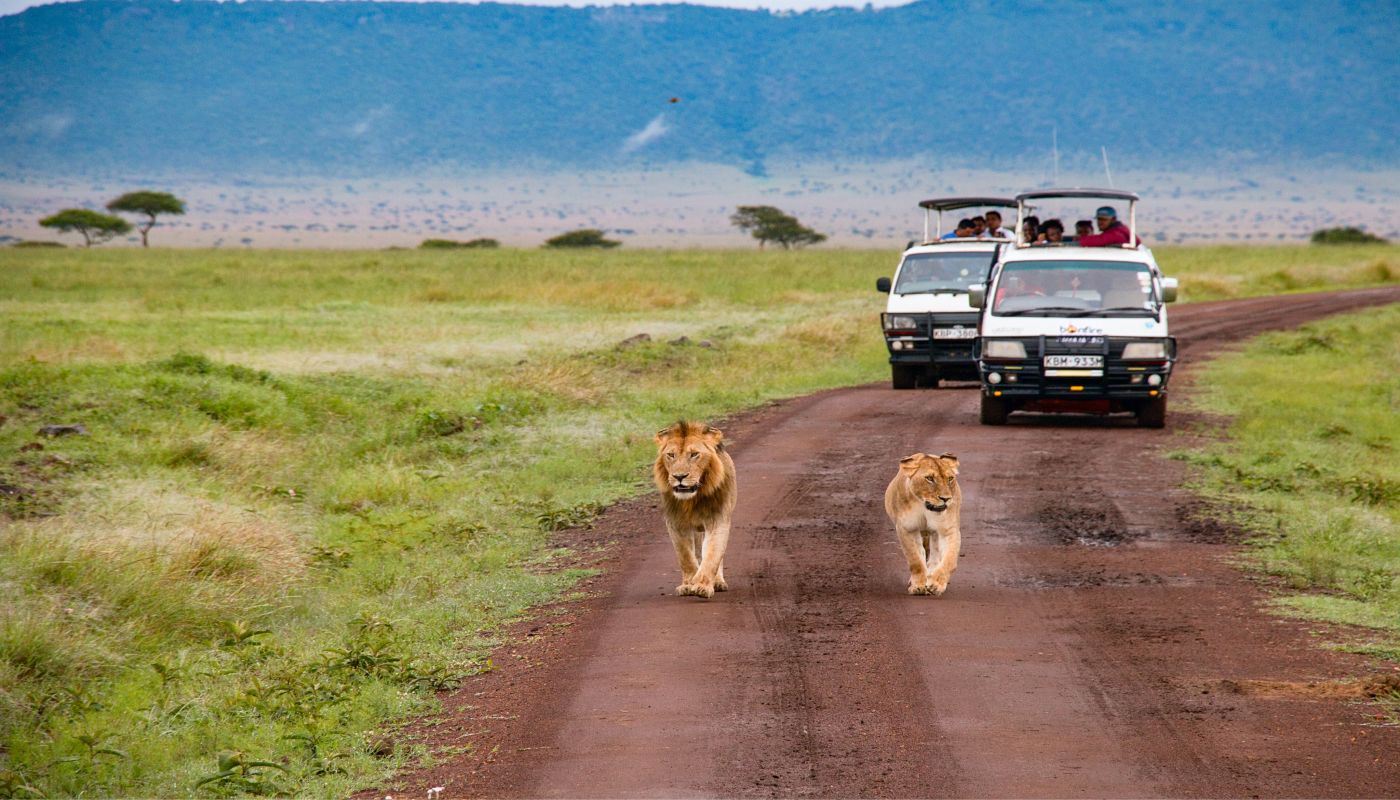
Landscape of Kenya
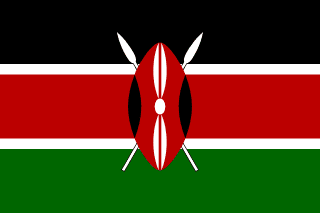
Flag of Kenya

Kenya

Africa

Kenya is a beautiful country in East Africa, known for its stunning landscapes, unique culture, and diverse ethnic groups. With a population of over 54 million people, Kenya is one of the most populous countries in Africa, and it is bordered by Tanzania, Uganda, South Sudan, Ethiopia, Somalia, and the Indian Ocean. Despite facing various challenges, such as corruption and political instability, Kenya has made significant progress in healthcare, education, and infrastructure development. The government's efforts to promote investment and entrepreneurship have led to steady economic growth, and Kenya is a leader in the renewable energy sector, with notable projects such as the Lake Turkana Wind Power Project.

What would you like to learn about in Kenya?

Select a section to explore the country where nonprofits are creating positive change.

About Kenya

Founding president and liberation struggle icon Jomo KENYATTA led Kenya from independence in 1963 until his death in 1978, when President Daniel MOI took power in a constitutional succession. The country was a de facto one-party state from 1969 until 1982 when the ruling Kenya African National Union (KANU) made itself the sole legal party in Kenya. MOI acceded to internal and external pressure for political liberalization in late 1991. The ethnically fractured opposition failed to dislodge KANU from power in elections in 1992 and 1997, which were marred by violence and fraud, but were viewed as having generally reflected the will of the Kenyan people. President MOI stepped down in December 2002 following fair and peaceful elections. Mwai KIBAKI, running as the candidate of the multiethnic, united opposition group, the National Rainbow Coalition (NARC), defeated KANU candidate Uhuru KENYATTA and assumed the presidency following a campaign centered on an anticorruption platform. KIBAKI's NARC coalition splintered in 2005 over a constitutional review process. Government defectors joined with KANU to form a new opposition coalition, the Orange Democratic Movement (ODM), which defeated the government's draft constitution in a popular referendum in November 2005. KIBAKI's reelection in December 2007 brought charges of vote rigging from ODM candidate Raila ODINGA and unleashed two months of violence in which as many as 1,500 people died. African Union-sponsored mediation led by former UN Secretary General Kofi ANNAN in late February 2008 resulted in a power-sharing accord bringing ODINGA into the government in the restored position of prime minister. The power sharing accord included a broad reform agenda, the centerpiece of which was constitutional reform. In August 2010, Kenyans overwhelmingly adopted a new constitution in a national referendum. The new constitution introduced additional checks and balances to executive power and significant devolution of power and resources to 47 newly created counties. It also eliminated the position of prime minister following the first presidential election under the new constitution, which occurred on 4 March 2013. Uhuru KENYATTA, the son of founding president Jomo KENYATTA, won the March elections in the first round by a close margin and was sworn into office on 9 April 2013.

Quick Facts

Population
44,037,656 (July 2013 est.)
Area
580,367 sq km
ISO Code
KE
Continent
Africa
Government
republic
Active Causes
12
View all countries in Africa

Geography & Environment

Climate

varies from tropical along coast to arid in interior

Terrain

low plains rise to central highlands bisected by Great Rift Valley; fertile plateau in west

Natural Resources

limestone, soda ash, salt, gemstones, fluorspar, zinc, diatomite, gypsum, wildlife, hydropower

Environmental Issues

water pollution from urban and industrial wastes; degradation of water quality from increased use of pesticides and fertilizers; water hyacinth infestation in Lake Victoria; deforestation; soil erosio...

People & Society

63.29 years
Avg. Life Expectancy
87.4%
Literacy Rate
24% of total population (2011)
Total Urban Population

Languages

English (official), Kiswahili (official), numerous indigenous languages

Religions

Christian 82.5% (Protestant 47.4%, Catholic 23.3%, other 11.8%), Muslim 11.1%, Traditionalists 1.6%, other 1.7%, none 2.4%, unspecified 0.7% (2009 cen...

Health Expenditure

4.8% of GDP (2010) of GDP

Education Expenditure

6.7% of GDP (2010) of GDP

Economy

$1,800
GDP per Capita (PPP)
40%
Unemployment Rate
50% (2000 est.)
Below Poverty Line

Economic Overview

Kenya has been hampered by corruption and by reliance upon several primary goods whose prices have remained low. Low infrastructure investment threatens Kenya's long-term position as the largest East African economy. In the key December 2002 elections, Daniel MOI's 24-year-old reign ended, and a new opposition government took on the formidable economic problems facing the nation. After some early progress in rooting out corruption and encouraging donor support, the KIBAKI government was rocked by high-level graft scandals in 2005 and 2006. In 2006, the World Bank and IMF delayed loans pending...

Causes in Kenya

Environment

Kenya, a country in East Africa, is facing significant environmental challenges that are impacting its people and economy. One of the key issues is deforestation, as the demand for timber, charcoal, and land for agriculture continues to increase. This has led to soil erosion, loss of biodiversity, and disrupted water cycles, affecting both rural communities and urban areas. Climate change is also a pressing concern in Kenya, leading to unpredictable weather patterns, droughts, floods, and food insecurity. Additionally, pollution from industrial activities and inadequate waste management are contributing to health problems and harming ecosystems. Addressing these environmental issues is crucial for Kenya's sustainable development and the well-being of its population.

Family

Family plays a pivotal role in the social fabric of Kenya. In this East African nation, family is considered the cornerstone of society, serving as the primary source of support, guidance, and identity for individuals. The concept of family extends beyond the nuclear unit to include extended family members who often live together and provide a strong network of emotional and financial support. Families in Kenya typically exhibit strong bonds and a deep sense of interconnectedness, with elders holding a position of respect and authority within the family structure. However, contemporary challenges such as urbanization, economic pressures, and changing social norms are gradually impacting traditional family dynamics in Kenya. It is essential to recognize the significance of family in Kenyan society and work towards preserving its values to ensure the well-being and cohesion of communities across the country.

Human Rights

Kenya, a country in East Africa, grapples with various human rights issues that impact its citizens daily. One of the key challenges is the violation of the right to education, particularly affecting marginalized communities and children from low-income households. This impediment not only hinders personal development but also perpetuates cycles of poverty and inequality. Additionally, Kenya faces issues related to the right to health, as healthcare services are often inadequate or inaccessible in remote regions, leading to preventable illnesses and deaths. Furthermore, the country struggles with political unrest and ethnic tensions, resulting in human rights abuses such as extrajudicial killings and arbitrary arrests. Addressing these human rights violations is crucial for ensuring the well-being and dignity of all Kenyan citizens.

Education

In Kenya, education plays a crucial role in shaping the future of individuals and the nation as a whole. The country has made significant strides in improving access to education in recent years, with primary education now being free and compulsory. However, challenges such as inadequate infrastructure, teacher shortages, and regional disparities still hinder the quality of education in Kenya. Education is seen as a key tool for breaking the cycle of poverty and driving economic growth. By investing in education, Kenya can empower its citizens to lead healthier, more prosperous lives and contribute to the development of a skilled workforce that can drive innovation and sustainable progress.

Poverty

Kenya, a country located in East Africa, faces significant challenges due to poverty, with approximately 36% of its population living below the poverty line. Poverty in Kenya is primarily attributed to factors such as high unemployment rates, limited access to quality education and healthcare, corruption, and unequal wealth distribution. The impact of poverty in Kenya is far-reaching, affecting various aspects of life including food insecurity, inadequate housing, limited access to clean water and sanitation facilities, and higher rates of disease and malnutrition. Additionally, poverty in Kenya exacerbates social issues such as crime, child labor, and gender inequality. Addressing poverty in Kenya requires comprehensive strategies that focus on improving education and healthcare systems, creating employment opportunities, promoting transparency and good governance, and ensuring equitable distribution of resources across the population.

Religion

Religion in Kenya plays a significant role in shaping the cultural, social, and political landscape of the country. Christianity is the dominant religion, with approximately 85% of Kenyans identifying as Christian, followed by Islam at 11%. The influence of religion can be seen in various aspects of Kenyan society, from everyday practices to political decision-making. Religious institutions often serve as centers of community life, providing not only spiritual guidance but also social support and services to the population. However, religious diversity in Kenya has also led to occasional tensions and conflicts, particularly in regions where different religious groups coexist. The impact of religion on Kenyan society is complex and multifaceted, reflecting a blend of traditional beliefs and modern influences.

Clean Water

In Kenya, access to clean water remains a significant challenge, particularly in rural areas where only 34% of the population has access to safe drinking water sources. The lack of clean water has severe consequences on public health, with waterborne diseases such as cholera, typhoid, and dysentery being prevalent. Inadequate sanitation facilities further exacerbate the issue, leading to poor hygiene practices and increased vulnerability to diseases. The impact of unclean water is particularly felt by children, who are more susceptible to illnesses caused by water contamination. Addressing the issue of clean water access in Kenya requires concerted efforts from both the government and non-governmental organizations to improve infrastructure, promote hygiene education, and ensure sustainable management of water resources.

Economy

Kenya, a country located in East Africa, is faced with various economic challenges that significantly impact its population. The Kenyan economy heavily relies on agriculture, with the sector employing a large portion of the population and contributing significantly to the country's GDP. However, factors such as climate change, poor infrastructure, and lack of access to credit have hindered the sector's growth, leading to food insecurity and poverty in many rural areas. Additionally, corruption and political instability have also posed significant challenges to economic development in Kenya, deterring foreign investment and hindering the growth of local businesses. These economic challenges have had a profound impact on the lives of Kenyans, with high levels of unemployment, income inequality, and limited access to basic services such as healthcare and education. Addressing these economic challenges is crucial for Kenya to achieve sustainable development and improve the quality of life for its citizens.

Government

Kenya, a country situated in East Africa, faces various challenges that are influenced by its government. The government in Kenya plays a significant role in shaping the country's economic development, social welfare, and political stability. However, corruption within the government has been a major issue, leading to mismanagement of resources, lack of public services, and unequal distribution of wealth. This has hindered the country's growth and development, affecting the quality of life for many Kenyan citizens. Additionally, political instability and ethnic tensions have also been factors that impact the overall well-being of the nation. In order to address these issues and improve the livelihoods of its people, it is crucial for the Kenyan government to prioritize transparency, accountability, and good governance. By doing so, Kenya can work towards achieving sustainable development and creating a better future for its citizens.

Health

In Kenya, health plays a crucial role in shaping the overall well-being of its population. The country faces various health challenges, including high rates of infectious diseases such as malaria, HIV/AIDS, and tuberculosis, as well as non-communicable diseases like cardiovascular diseases and diabetes. Limited access to healthcare services, particularly in rural areas, further exacerbates these issues. Furthermore, factors such as poverty, malnutrition, inadequate sanitation, and lack of education contribute to the burden of disease in Kenya. Addressing these challenges requires a comprehensive approach that focuses on improving healthcare infrastructure, increasing access to essential medicines and treatments, promoting health education and awareness, and addressing social determinants of health. By investing in healthcare and prioritizing preventive measures, Kenya can significantly improve the health outcomes of its population.

Children

In Kenya, children face a myriad of challenges that significantly impact their well-being and future prospects. Poverty, limited access to education, inadequate healthcare services, and child labor are some of the key issues that hinder the development of children in the country. According to UNICEF, approximately 36% of children under the age of five in Kenya suffer from stunted growth due to malnutrition, highlighting the pressing need for improved nutrition programs. Additionally, child labor remains a pervasive issue, with many children engaged in hazardous work that compromises their health and denies them the opportunity to receive an education. Addressing these challenges requires a concerted effort from government authorities, non-governmental organizations, and the international community to ensure that every child in Kenya has access to essential services and a safe environment in which to grow and thrive.

Animals

In Kenya, animals play a significant role in both the economy and the environment. The country boasts a diverse array of wildlife, with iconic species such as lions, elephants, and giraffes drawing tourists from around the world to its national parks and reserves. Wildlife-based tourism is a major contributor to Kenya's economy, generating revenue and creating employment opportunities for local communities. Additionally, animals also play a crucial role in maintaining the ecological balance of ecosystems, contributing to the overall health of the environment. However, Kenya faces challenges such as poaching, habitat loss, and human-wildlife conflict, threatening the survival of many species. Conservation efforts are essential to protect Kenya's wildlife for future generations to enjoy and benefit from.

Nonprofits Working in Kenya

Discover organizations making a difference in Kenya

Project Peanut Butter

Project Peanut Butter

Across the world, severe acute malnutrition is the largest killer of children under 5 years of age, contributing to nearly half of all childhood deaths (more than 3 million children per year). We produce peanut based ready-to-use therapeutic foods (RUTF) locally in factories in Malawi, Sierra Leone, and Ghana. Our factories are internationally accredited by UNICEF, Doctors Without Borders, and the World Food Program, and our product is considered the standard of care worldwide for severely malnourished children. We strive to use as many local ingredients and staff as possible. In addition, we distribute the therapeutic food at our own mobile clinics, where PPB nurses assess children for malnutrition and provide qualifying children with life-saving food at no charge.

Maplewood, Missouri

Make Your Impact Today

Discover causes you care about and support the nonprofits making a difference in communities around the world.

Are you a nonprofit? Join Project World Impact for free

Join Us Free