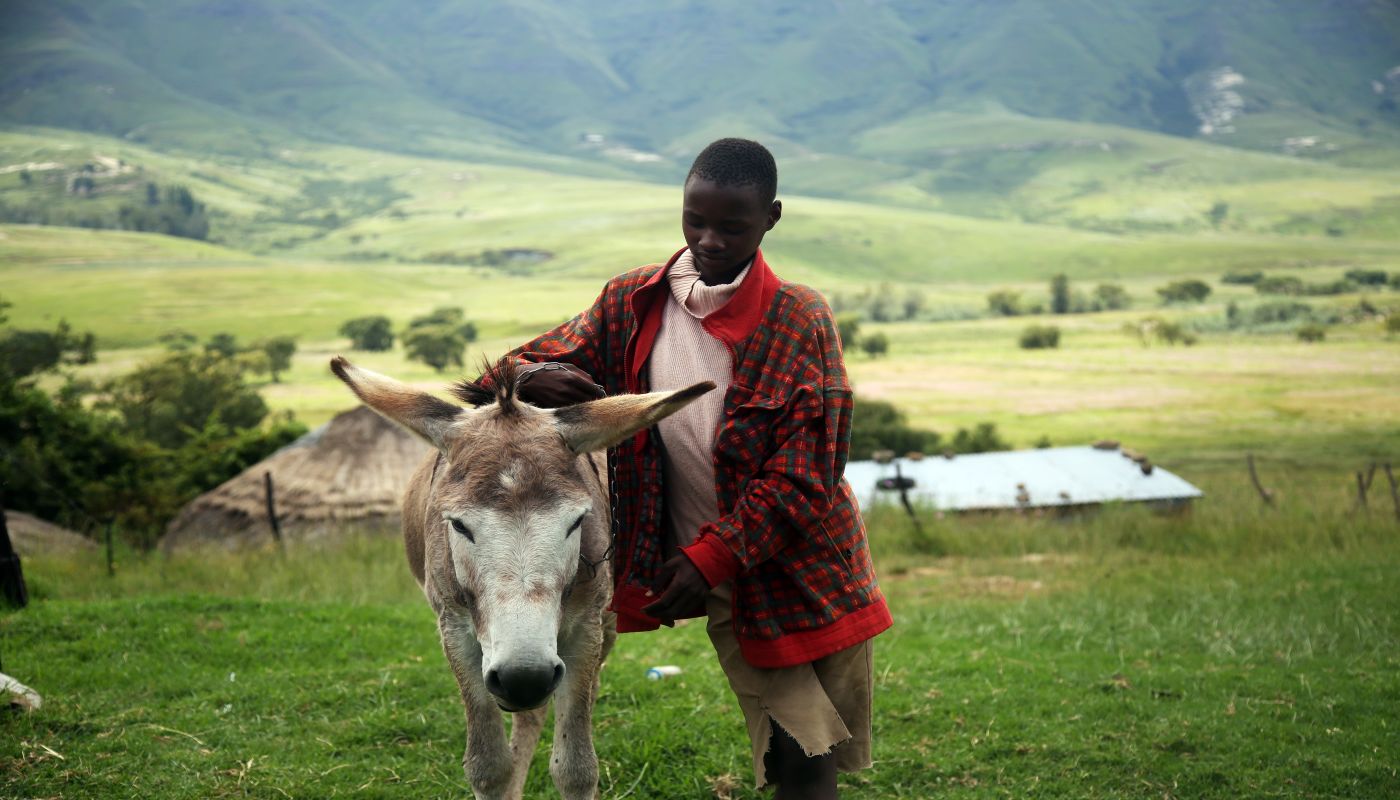
Landscape of Lesotho
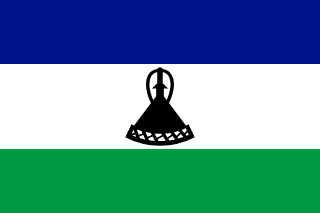
Flag of Lesotho

Lesotho

Africa

Lesotho is a small landlocked country in southern Africa with a population of approximately 2.2 million. The country is known for its stunning mountainous landscapes, including the Drakensberg and Maloti ranges, which offer world-class hiking and skiing opportunities. Despite its small size and lack of access to the sea, Lesotho has a rich cultural heritage, with traditional music and dance playing a significant role in the country's identity. Lesotho faces challenges such as poverty, high rates of HIV/AIDS, and limited economic opportunities, but the country has made progress in areas such as education and health care. The country also benefits from being a member of the Southern African Development Community (SADC), which promotes regional cooperation and economic integration.

What would you like to learn about in Lesotho?

Select a section to explore the country where nonprofits are creating positive change.

About Lesotho

Basutoland was renamed the Kingdom of Lesotho upon independence from the UK in 1966. The Basuto National Party ruled the country during its first two decades. King MOSHOESHOE was exiled in 1990, but returned to Lesotho in 1992 and was reinstated in 1995 and subsequently succeeded by his son, King LETSIE III, in 1996. Constitutional government was restored in 1993 after seven years of military rule. In 1998, violent protests and a military mutiny following a contentious election prompted a brief but bloody intervention by South African and Batswana military forces under the aegis of the Southern African Development Community. Subsequent constitutional reforms restored relative political stability. Peaceful parliamentary elections were held in 2002, but the National Assembly elections of February 2007 were hotly contested and aggrieved parties disputed how the electoral law was applied to award proportional seats in the Assembly. In May 2012, competitive elections involving 18 parties saw Prime Minister Motsoahae Thomas THABANE form a coalition government - the first in the country's history - that ousted the 14-year incumbent, Pakalitha MOSISILI, who peacefully transferred power the following month.

Quick Facts

Population
1,936,181 (July 2013 est.)
Area
30,355 sq km
ISO Code
LS
Continent
Africa
Government
parliamentary constitutional monarchy
Active Causes
12
View all countries in Africa

Geography & Environment

Climate

temperate; cool to cold, dry winters; hot, wet summers

Terrain

mostly highland with plateaus, hills, and mountains

Natural Resources

water, agricultural and grazing land, diamonds, sand, clay, building stone

Environmental Issues

population pressure forcing settlement in marginal areas results in overgrazing, severe soil erosion, and soil exhaustion; desertification; Highlands Water Project controls, stores, and redirects wate...

People & Society

52.3 years
Avg. Life Expectancy
89.6%
Literacy Rate
27.6% of total population (2011)
Total Urban Population

Languages

Sesotho (official) (southern Sotho), English (official), Zulu, Xhosa

Religions

Christian 80%, indigenous beliefs 20%

Health Expenditure

11.1% of GDP (2010) of GDP

Education Expenditure

13% of GDP (2008) of GDP

Economy

$2,200
GDP per Capita (PPP)
25%
Unemployment Rate
49% (1999)
Below Poverty Line

Economic Overview

Small, mountainous, and completely landlocked by South Africa, Lesotho is a least developed country in which about three-fourths of the people live in rural areas and engage in subsistence agriculture. Lesotho produces less than 20% of the nation's demand for food. Rain-fed agriculture is vulnerable to weather and climate variability; an estimated 725,500 people will require food assistance in 2012/13. The distribution of income in Lesotho remains inequitable. Lesotho relies on South Africa for much of its economic activity. Lesotho imports 90% of the goods it consumes from South Africa, inclu...

Causes in Lesotho

Environment

Lesotho, a landlocked country in Southern Africa, is known for its stunning landscapes and unique biodiversity. However, the environment in Lesotho faces various challenges that significantly impact its people and wildlife. Deforestation and soil erosion are major environmental issues in Lesotho, primarily due to unsustainable agricultural practices and commercial logging. These activities not only degrade the land but also contribute to water scarcity and food insecurity for the local population. Climate change has also intensified the frequency and severity of natural disasters, such as droughts and floods, further exacerbating the environmental challenges faced by the country. It is crucial for both the government and local communities to work together to implement sustainable land management practices and conservation efforts to protect Lesotho's environment for future generations.

Family

In Lesotho, a small landlocked country located in Southern Africa, family plays a significant role in shaping the social fabric and everyday life of its people. The concept of family extends beyond nuclear ties to encompass extended relatives and even members of the community. Families in Lesotho are typically close-knit and provide a strong support system for individuals, offering emotional, financial, and practical assistance. In this traditional society, familial relationships are deeply valued, and elders are greatly respected for their wisdom and guidance. However, challenges such as poverty, HIV/AIDS prevalence, and limited access to education and healthcare can strain family structures and exacerbate social issues within the country. It is imperative to recognize the vital role that family plays in Lesotho and work towards supporting and strengthening these bonds to promote the well-being of its citizens.

Human Rights

Lesotho, a landlocked country in Southern Africa, faces a myriad of human rights challenges that significantly impact its population. Despite making progress in areas such as gender equality and access to education, Lesotho continues to grapple with issues such as child labor, domestic violence, and discrimination against vulnerable groups. The prevalence of HIV/AIDS also poses a significant human rights concern in the country. Discrimination against individuals living with HIV/AIDS remains a common issue, leading to stigmatization and barriers to health care access. Furthermore, the lack of adequate healthcare facilities and services exacerbates the challenge of ensuring the right to health for all citizens. To address these pressing human rights issues, concerted efforts are required from both the government and civil society organizations to promote and protect the fundamental rights of all individuals in Lesotho.

Education

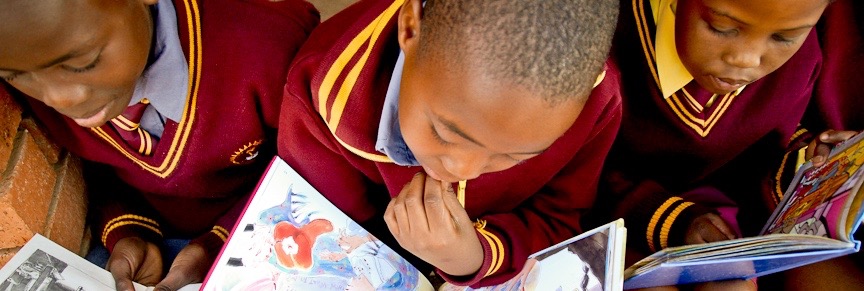
In Lesotho, a landlocked country in southern Africa known for its stunning mountainous terrain, education plays a crucial role in shaping the future of its population. Despite efforts to improve access to education, challenges such as poverty, limited resources, and a high HIV/AIDS prevalence rate have hindered progress. The impact of education in Lesotho is profound, as it not only provides individuals with the knowledge and skills needed to secure better opportunities but also contributes to the overall socio-economic development of the nation. Education empowers individuals to break the cycle of poverty, promotes gender equality, and fosters a more informed and engaged citizenry. Furthermore, investing in education is essential for Lesotho's sustainable development goals and long-term prosperity.

Poverty

Lesotho, a landlocked country in southern Africa, is facing significant challenges with poverty. With a high poverty rate of over half the population living below the national poverty line, the impact is profound. The lack of access to basic necessities such as clean water, adequate healthcare, and education perpetuates the cycle of poverty in Lesotho. Limited economic opportunities and a heavy reliance on agriculture also contribute to the country's struggle with poverty. The effects of poverty are far-reaching, affecting not only individuals and families but also the overall development and stability of the nation. Addressing poverty in Lesotho requires a multifaceted approach that includes improving infrastructure, promoting economic diversification, and enhancing social welfare programs.

Religion

Religion plays a significant role in the life of the people of Lesotho, a small landlocked country in southern Africa. The population is predominantly Christian, with a mix of Roman Catholic, Protestant, and indigenous beliefs. Religion influences various aspects of society, including culture, politics, and daily life. Churches are not only places of worship but also serve as centers for community gatherings and social support. Religious leaders often hold positions of influence and are respected members of the community. Despite the strong presence of Christianity, traditional beliefs and practices are still observed by many Basotho people, blending with Christian teachings in a unique syncretic fashion. Understanding the complex interplay between religion and society in Lesotho is crucial for promoting cultural understanding and fostering development initiatives in this diverse nation.

Clean Water

Lesotho, a landlocked country in southern Africa, faces significant challenges in accessing clean water. With a population of approximately 2 million, many communities in Lesotho lack access to safe drinking water, leading to health issues and economic hardships. The scarcity of clean water is exacerbated by factors such as climate change, deforestation, and rapid urbanization. In rural areas, where a majority of the population resides, water sources are often contaminated, resulting in the spread of waterborne diseases like cholera and typhoid. The lack of clean water also hinders agricultural productivity, further perpetuating poverty and food insecurity in the country. Addressing the issue of clean water accessibility in Lesotho is crucial for improving public health outcomes and fostering sustainable development in the region.

Economy

Lesotho, a small landlocked country in Southern Africa, faces significant economic challenges that have a profound impact on its population. The economy of Lesotho is primarily based on agriculture, textiles, and mining, with a high dependency on its larger neighbor, South Africa, for trade and employment opportunities. However, Lesotho's economy is vulnerable to external shocks, such as fluctuations in global commodity prices and adverse weather conditions that affect agricultural output. High levels of poverty, unemployment, and inequality persist in the country, leading to social issues like food insecurity and limited access to healthcare and education. Improving the economy of Lesotho is crucial for sustainable development and poverty alleviation in the country.

Government

Lesotho, a landlocked country in southern Africa, faces numerous challenges that are significantly influenced by its government. The government of Lesotho plays a crucial role in addressing issues such as high poverty rates, limited access to healthcare and education, political instability, and environmental degradation. Corruption and mismanagement have hindered the country's development, exacerbating these problems and causing further strain on the population. Additionally, Lesotho has a high prevalence of HIV/AIDS, with the government's response to this epidemic affecting the well-being of its citizens. Adequate governance and effective policies are essential for addressing these issues and improving the quality of life for the people of Lesotho.

Health

Lesotho, a landlocked country in southern Africa, faces significant health challenges that have a profound impact on its population. High rates of HIV/AIDS, tuberculosis, and maternal and child mortality are among the major health concerns in Lesotho. Limited access to healthcare services, inadequate infrastructure, and a shortage of skilled healthcare workers further exacerbate the situation. The prevalence of these diseases not only hampers the well-being of individuals but also hinders the overall social and economic development of the country. Addressing these health issues is crucial to improving the quality of life for the people of Lesotho and achieving sustainable development goals.

Children

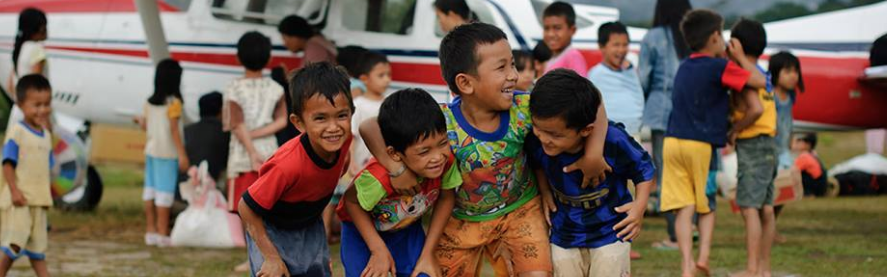
Lesotho, a small landlocked country in Southern Africa, faces a myriad of challenges that deeply impact its children. With high levels of poverty, limited access to quality education, and a prevalence of HIV/AIDS, children in Lesotho are particularly vulnerable. The effects of these issues are profound, leading to malnutrition, lack of proper healthcare, and barriers to receiving a well-rounded education. Additionally, the country's mountainous terrain and harsh climate further exacerbate these challenges, making it difficult for children to thrive. In order to address these issues and support the children of Lesotho, interventions focusing on improving healthcare, education, and social services are crucial.

Animals

Lesotho, a landlocked country in Southern Africa, is rich in biodiversity, hosting a variety of animal species that play a crucial role in its ecosystem. The wildlife in Lesotho includes endemic species such as the Maluti minnow and the Lesotho rock mouse, which are integral to the country's delicate ecological balance. Unfortunately, the impact of human activities, such as deforestation, poaching, and habitat destruction, has led to a decline in many animal populations in Lesotho. This poses a threat not only to the biodiversity of the country but also to the livelihoods of local communities that depend on these animals for resources like food and traditional medicine. Raising awareness about the importance of preserving these animals and their habitats is essential for ensuring the long-term sustainability of Lesotho's rich natural heritage.

Nonprofits Working in Lesotho

Discover organizations making a difference in Lesotho

Make Your Impact Today

Discover causes you care about and support the nonprofits making a difference in communities around the world.

Are you a nonprofit? Join Project World Impact for free

Join Us Free