Landscape of Liberia
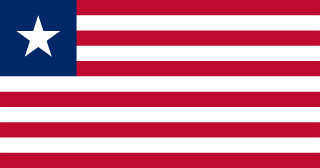
Flag of Liberia

Liberia

Africa

Liberia is located on the west coast of Africa, known for its stunning rainforests, beaches, and wildlife. With a population of over 5 million people, Liberia is a developing country that has faced numerous challenges in recent years, including civil war and disease outbreaks. Despite these challenges, the country has made progress in areas such as healthcare, education, and infrastructure, and it is home to a rich culture and history.

What would you like to learn about in Liberia?

Select a section to explore the country where nonprofits are creating positive change.

About Liberia

Settlement of freed slaves from the US in what is today Liberia began in 1822; by 1847, the Americo-Liberians were able to establish a republic. William TUBMAN, president from 1944-71, did much to promote foreign investment and to bridge the economic, social, and political gaps between the descendants of the original settlers and the inhabitants of the interior. In 1980, a military coup led by Samuel DOE ushered in a decade of authoritarian rule. In December 1989, Charles TAYLOR launched a rebellion against DOE's regime that led to a prolonged civil war in which DOE was killed. A period of relative peace in 1997 allowed for elections that brought TAYLOR to power, but major fighting resumed in 2000. An August 2003 peace agreement ended the war and prompted the resignation of former president Charles TAYLOR, who faces war crimes charges in The Hague related to his involvement in Sierra Leone's civil war. After two years of rule by a transitional government, democratic elections in late 2005 brought President Ellen JOHNSON SIRLEAF to power. She subsequently won reelection in 2011 in a second round vote that was boycotted by the opposition and remains challenged to build Liberia's economy and reconcile a nation still recovering from 14 years of fighting. The United Nations Security Council in September 2012 passed Resolution 2066 which calls for a reduction of UN troops in Liberia by half by 2015, bringing the troop total down to fewer than 4000, and challenging Liberia's security sector to fill the gaps.

Quick Facts

Population
3,989,703 (July 2013 est.)
Area
111,369 sq km
ISO Code
LR
Continent
Africa
Government
republic
Active Causes
12
View all countries in Africa

Geography & Environment

Climate

tropical; hot, humid; dry winters with hot days and cool to cold nights; wet, cloudy summers with frequent heavy showers

Terrain

mostly flat to rolling coastal plains rising to rolling plateau and low mountains in northeast

Natural Resources

iron ore, timber, diamonds, gold, hydropower

Environmental Issues

tropical rain forest deforestation; soil erosion; loss of biodiversity; pollution of coastal waters from oil residue and raw sewage

People & Society

57.81 years
Avg. Life Expectancy
60.8%
Literacy Rate
48.2% of total population (2011)
Total Urban Population

Languages

English 20% (official), some 20 ethnic group languages few of which can be written or used in correspondence

Religions

Christian 85.6%, Muslim 12.2%, Traditional 0.6%, other 0.2%, none 1.4% (2008 Census)

Health Expenditure

11.9% of GDP (2010) of GDP

Education Expenditure

2.8% of GDP (2008) of GDP

Economy

$700
GDP per Capita (PPP)
85%
Unemployment Rate
80% (2000 est.)
Below Poverty Line

Economic Overview

Liberia is a low income country heavily reliant on foreign assistance for revenue. Civil war and government mismanagement destroyed much of Liberia's economy, especially the infrastructure in and around the capital, Monrovia. Many businesses fled the country, taking capital and expertise with them, but with the conclusion of fighting and the installation of a democratically-elected government in 2006, several have returned. Liberia has the distinction of having the highest ratio of direct foreign investment to GDP in the world. Richly endowed with water, mineral resources, forests, and a clima...

Causes in Liberia

Environment

Liberia, a nation situated on the west coast of Africa, is home to a rich and diverse environment that plays a crucial role in the well-being of its citizens. The country's economy heavily relies on agriculture and natural resources, making the environment a cornerstone of its prosperity. However, Liberia faces significant environmental challenges such as deforestation, soil erosion, and pollution. Deforestation, driven by logging and agricultural expansion, threatens the country's biodiversity and contributes to climate change. Soil erosion poses a risk to agricultural productivity, while pollution from mining activities and waste disposal endangers both human health and ecosystems. These environmental issues not only affect the country's economy but also the livelihoods of its people, particularly those in rural areas who depend on natural resources for their sustenance. Efforts to address these challenges through sustainable land use practices, conservation initiatives, and stricter environmental regulations are crucial to ensure a healthy environment for current and future generations in Liberia.

Family

In Liberia, family plays a critical role in shaping individuals and society as a whole. The concept of family extends beyond immediate relatives to include extended family members, neighbors, and community members. Families in Liberia are typically large and close-knit, providing emotional support, financial assistance, and a sense of belonging to its members. The traditional family structure in Liberia is patriarchal, with the father serving as the head of the household and making important decisions for the family. However, women also play a significant role in caregiving and maintaining the household. Family is considered the cornerstone of Liberian society, providing a sense of identity, security, and social cohesion. Despite the importance of family ties, challenges such as poverty, conflict, and disease can strain familial relationships and disrupt the stability of households in Liberia. By understanding the impact of family dynamics in Liberia, we can better support initiatives that strengthen families and promote social well-being in the country.

Human Rights

Liberia, a country in West Africa, has a complex history marked by a prolonged civil war and political instability. The issue of human rights in Liberia is critical, with various factors influencing its impact on the population. High levels of poverty, limited access to education and healthcare, as well as corruption within the government, have all contributed to widespread human rights violations in the country. Discrimination against marginalized groups, particularly women and children, persists, leading to barriers in their ability to access basic rights and services. Additionally, the legacy of the civil war has left a lasting impact on the mental health and wellbeing of many Liberians. Addressing these human rights challenges is essential for the advancement and development of Liberia as a nation.

Education

Liberia, a country on the west coast of Africa, has faced numerous challenges in its quest for development, with education emerging as a crucial factor influencing its progress. The impact of education in Liberia is profound, as it plays a significant role in shaping the country's future by empowering its citizens and driving socio-economic growth. However, Liberia's education system has been severely affected by the civil wars that ravaged the country, resulting in widespread destruction of infrastructure and disruption of learning opportunities. As a result, access to quality education remains a challenge for many Liberians, particularly those in rural areas. Despite efforts to rebuild the education system post-conflict, disparities in access to education persist, hindering the country's overall development. Addressing these issues and investing in education is essential for Liberia to build a more prosperous and sustainable future for its people.

Poverty

Liberia, a country located in West Africa, has been grappling with persistent poverty, which significantly impacts its population. The high levels of poverty in Liberia are primarily attributed to a history of civil conflicts, weak governance structures, limited access to quality education and healthcare, and a lack of economic opportunities. As a result, a large portion of the population struggles to meet their basic needs, leading to malnutrition, poor health outcomes, and limited access to clean water and sanitation facilities. Poverty in Liberia also exacerbates social inequalities, with vulnerable groups such as women, children, and rural communities being disproportionately affected. Addressing poverty in Liberia requires comprehensive strategies that focus on improving infrastructure, promoting economic growth, enhancing social services, and fostering good governance practices. By raising awareness about the root causes and consequences of poverty in Liberia, stakeholders can work together to implement sustainable solutions that improve the livelihoods of its citizens.

Religion

Religion holds significant influence in Liberia, a country where Christianity and Islam are the dominant faiths. Historically, religion has played a crucial role in shaping the social, political, and cultural landscape of Liberia. Christianity, practiced by a majority of the population, has been intertwined with the country's history since the arrival of freed American slaves in the 19th century. Islam, though a minority religion, also holds a significant presence and plays a vital role in the lives of many Liberians. Religious institutions not only serve as places of worship but also often act as centers for community engagement and social support. However, despite the strong religious ties, Liberia also faces challenges such as religious tensions and occasional conflicts between different religious groups. It is important to understand the complexities of religion in Liberia to appreciate its impact on society and foster greater understanding and unity among its diverse population.

Clean Water

Liberia, a West African nation with a population of over 4.8 million people, faces significant challenges related to access to clean water. Clean water is a fundamental human need crucial for sustaining life and promoting good health. In Liberia, inadequate access to clean water sources has led to widespread waterborne diseases such as cholera, typhoid fever, and dysentery, contributing to high mortality rates, particularly among children under the age of five. The lack of clean water also hinders agricultural productivity and economic development in the country. Improving access to clean water in Liberia is essential for reducing disease burden, improving overall well-being, and fostering sustainable development initiatives.

Economy

Liberia, a West African nation with a tumultuous history marked by civil wars and the Ebola epidemic, continues to grapple with deep-rooted economic challenges. The country's economy heavily relies on agriculture, particularly rubber and iron ore exports, making it vulnerable to fluctuations in global commodity prices. Despite possessing abundant natural resources, rampant corruption, limited infrastructure, and high unemployment rates hinder Liberia's economic growth and development. The government's efforts to attract foreign investments and promote sustainable economic diversification face significant obstacles due to systemic inefficiencies and political instability. The impact of this economic instability is felt by the majority of Liberians who struggle with poverty, limited access to basic services, and inadequate healthcare and education facilities. Urgent interventions are required to address these pressing issues and pave the way for a more prosperous and equitable future for all Liberians.

Government

In Liberia, the government plays a significant role in shaping the country's development and addressing its challenges. The nation has faced a history of civil unrest and instability, with deep-rooted issues of corruption, inadequate infrastructure, and limited access to basic services. The government's effectiveness in addressing these issues directly impacts the well-being of its citizens. Through policy-making, resource allocation, and governance, the government influences economic growth, social welfare, and overall stability within the country. Moreover, good governance is essential for promoting transparency, accountability, and the rule of law, which are crucial for sustainable development and poverty alleviation in Liberia.

Health

Liberia, a country in West Africa, faces numerous challenges in its healthcare system, significantly impacting its population's well-being. Despite efforts to improve healthcare infrastructure and services, Liberia continues to grapple with high maternal and child mortality rates, infectious diseases such as malaria, tuberculosis, and HIV/AIDS, as well as limited access to quality healthcare facilities and trained medical professionals. The country's history of civil unrest and the 2014-2016 Ebola outbreak further strained its healthcare system, leading to a decline in health outcomes. Addressing these health challenges in Liberia requires sustained investment in healthcare infrastructure, strengthening of health systems, and increased access to essential medicines and services. By prioritizing health initiatives and improving the overall health system, Liberia can make significant progress towards ensuring better health outcomes for its citizens.

Children

In Liberia, children face a myriad of challenges that greatly impact their well-being and future prospects. The country's history of civil unrest and the devastating effects of the Ebola epidemic have left many children vulnerable to poverty, malnutrition, limited access to education, and inadequate healthcare. Additionally, the prevalence of child labor, particularly in mining and agriculture sectors, further exacerbates their plight. According to UNICEF, an estimated 48% of children in Liberia are engaged in child labor, denying them the opportunity for a proper education and perpetuating a cycle of poverty. Addressing these issues is crucial to ensure a better future for Liberia's children and the overall development of the country.

Animals

Liberia, located on the west coast of Africa, boasts a rich biodiversity, with its vast rainforests and diverse ecosystems. Animals play a significant role in the country's culture, economy, and environment. The presence of iconic species such as chimpanzees, pygmy hippos, and various bird species contributes to Liberia's ecotourism industry, attracting nature enthusiasts from around the world. Additionally, wildlife provides essential ecosystem services such as pollination, seed dispersal, and pest control, benefiting local communities and agriculture. However, the illegal wildlife trade, habitat destruction, and climate change pose significant threats to Liberia's animal populations. Conservation efforts and sustainable practices are crucial to safeguarding the country's wildlife and preserving its natural heritage for future generations.

Nonprofits Working in Liberia

Discover organizations making a difference in Liberia

Make Your Impact Today

Discover causes you care about and support the nonprofits making a difference in communities around the world.

Are you a nonprofit? Join Project World Impact for free

Join Us Free