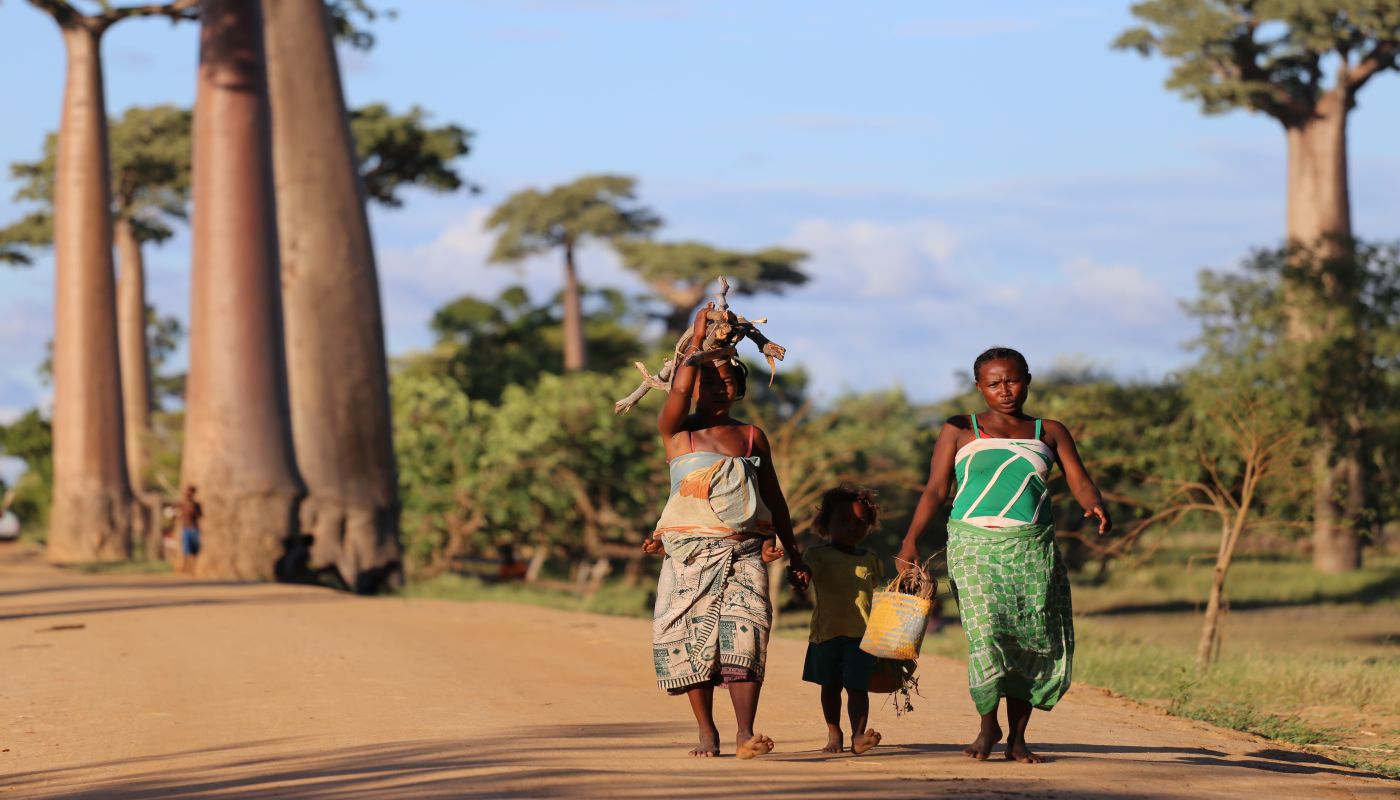
Landscape of Madagascar
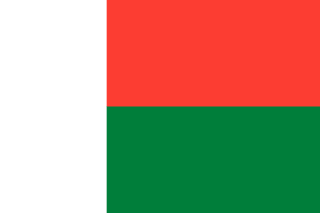
Flag of Madagascar

Madagascar

Africa

Madagascar is a beautiful island country located off the coast of East Africa, known for its unique wildlife and stunning landscapes. The country is known for its unique biodiversity, including lemurs, chameleons, and baobab trees, which attract millions of visitors each year. Madagascar also has a rich cultural heritage, with influences from African, Asian, and European cultures. With a population of over 28 million people, Madagascar is a developing country that has faced numerous challenges in recent years, including poverty, political instability, and environmental degradation. Despite these challenges, the country has a rich culture and history, and it has made progress in areas such as healthcare and education.

What would you like to learn about in Madagascar?

Select a section to explore the country where nonprofits are creating positive change.

About Madagascar

Formerly an independent kingdom, Madagascar became a French colony in 1896 but regained independence in 1960. During 1992-93, free presidential and National Assembly elections were held ending 17 years of single-party rule. In 1997, in the second presidential race, Didier RATSIRAKA, the leader during the 1970s and 1980s, was returned to the presidency. The 2001 presidential election was contested between the followers of Didier RATSIRAKA and Marc RAVALOMANANA, nearly causing secession of half of the country. In April 2002, the High Constitutional Court announced RAVALOMANANA the winner. RAVALOMANANA achieved a second term following a landslide victory in the generally free and fair presidential elections of 2006. In early 2009, protests over increasing restrictions on opposition press and activities resulted in RAVALOMANANA handing over power to the military, which then conferred the presidency on the mayor of Antananarivo, Andry RAJOELINA, in what amounted to a coup d'etat. Numerous attempts have been made by regional and international organizations to resolve the subsequent political gridlock by forming a power-sharing government. Madagascar's independent electoral commission and the UN originally planned to hold a presidential election in early May 2013, but postponed the election until late July 2013, due to logistical delays.

Quick Facts

Population
22,599,098 (July 2013 est.)
Area
587,041 sq km
ISO Code
MG
Continent
Africa
Government
republic
Active Causes
12
View all countries in Africa

Geography & Environment

Climate

tropical along coast, temperate inland, arid in south

Terrain

narrow coastal plain, high plateau and mountains in center

Natural Resources

graphite, chromite, coal, bauxite, rare earth elements, salt, quartz, tar sands, semiprecious stones, mica, fish, hydropower

Environmental Issues

soil erosion results from deforestation and overgrazing; desertification; surface water contaminated with raw sewage and other organic wastes; several endangered species of flora and fauna unique to t...

People & Society

64.85 years
Avg. Life Expectancy
64.5%
Literacy Rate
32.6% of total population (2011)
Total Urban Population

Languages

French (official), Malagasy (official), English

Religions

indigenous beliefs 52%, Christian 41%, Muslim 7%

Health Expenditure

3.8% of GDP (2010) of GDP

Education Expenditure

2.8% of GDP (2011) of GDP

Economy

$1,000
GDP per Capita (PPP)
50% (2004 est.)
Below Poverty Line

Economic Overview

After discarding socialist economic policies in the mid-1990s, Madagascar followed a World Bank- and IMF-led policy of privatization and liberalization that has been undermined since the start of the political crisis. This strategy placed the country on a slow and steady growth path from an extremely low level. Agriculture, including fishing and forestry, is a mainstay of the economy, accounting for more than one-fourth of GDP and employing 80% of the population. Exports of apparel boomed in recent years primarily due to duty-free access to the US, however, Madagascar's failure to comply with...

Causes in Madagascar

Environment

Madagascar, known for its unique biodiversity and rich natural resources, faces significant environmental challenges that impact its people and ecosystems. Deforestation, primarily driven by agriculture, logging, and charcoal production, has resulted in the loss of critical habitats for numerous plant and animal species. This destruction of forests has also contributed to soil erosion, water pollution, and disrupted local climate patterns. Additionally, the island nation is vulnerable to natural disasters like cyclones and droughts, which are exacerbated by climate change. These environmental issues not only threaten the country's rich wildlife but also have direct consequences on the livelihoods of many Malagasy communities who depend on natural resources for their survival.

Family

In Madagascar, family plays a crucial role in the social fabric of the society. The concept of family extends beyond just the nuclear family to include extended family members, creating a strong sense of community and support. Families in Madagascar typically live in close proximity to one another, often within the same village or neighborhood, fostering a tight-knit network of relationships. Family units are responsible for providing emotional, financial, and practical support to their members, especially in times of need or crisis. Furthermore, the importance of family is reflected in various cultural practices and traditions that emphasize unity, respect for elders, and communal decision-making. Overall, family serves as the cornerstone of Malagasy society, shaping individuals' identities and influencing their values and behaviors.

Human Rights

Madagascar, an island nation located off the southeastern coast of Africa, faces significant human rights challenges that impact its population. The country grapples with issues such as corruption, political instability, and limited access to basic services, all of which contribute to violations of human rights. The lack of effective governance has resulted in widespread poverty and inequality, leading to violations of economic, social, and cultural rights. Additionally, vulnerable groups such as women, children, and indigenous communities are particularly at risk of discrimination and marginalization. Addressing these human rights issues in Madagascar is crucial to fostering social cohesion, sustainable development, and overall well-being for its citizens.

Education

Education in Madagascar is a crucial factor that significantly impacts the social, economic, and environmental landscape of the country. With over 70% of the population living below the poverty line, access to quality education remains a challenge for many Malagasy children. Lack of infrastructure, qualified teachers, and resources hinder educational opportunities, leading to high dropout rates and limited job prospects. Improving education in Madagascar is essential for breaking the cycle of poverty, promoting sustainable development, and conserving the country's rich biodiversity. By investing in education, Madagascar can empower its citizens to build a more prosperous and sustainable future.

Poverty

Madagascar, an island nation in the Indian Ocean, is plagued by widespread poverty that significantly impacts its population. With approximately 75% of its citizens living below the poverty line, the country faces numerous challenges such as limited access to healthcare, education, and basic necessities like clean water and sanitation facilities. The high levels of poverty in Madagascar have led to malnutrition, low life expectancy rates, and limited economic opportunities for its people. Additionally, natural disasters such as cyclones and droughts exacerbate the situation by destroying homes and livelihoods, further entrenching communities in poverty. Addressing the root causes of poverty in Madagascar requires a multi-faceted approach that includes improving infrastructure, promoting sustainable agriculture practices, and investing in education and healthcare programs to uplift the population from destitution.

Religion

Religion plays a significant role in the social fabric of Madagascar, a country known for its rich cultural diversity. The predominant religion in Madagascar is Christianity, with approximately 41% of the population adhering to various Christian denominations. Traditional Malagasy beliefs also hold sway, with around 52% of the population following indigenous animistic practices that emphasize ancestor veneration and a deep connection to nature. Additionally, a small percentage of the population practices Islam and other minority religions. Religion in Madagascar influences various aspects of daily life, including family dynamics, community rituals, and societal norms. It also serves as a source of solace and guidance for many Malagasy people in times of joy and hardship. Understanding the religious landscape of Madagascar is crucial for appreciating the country's cultural nuances and fostering interfaith dialogue and harmony among its diverse population.

Clean Water

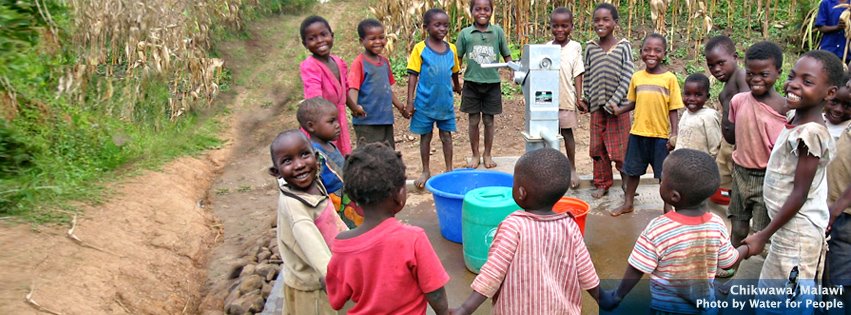
Madagascar, an island nation located off the southeastern coast of Africa, faces significant challenges in providing clean water to its population. With approximately 50% of the country lacking access to safe drinking water, Madagascar grapples with issues such as waterborne diseases, inadequate sanitation facilities, and limited access to clean water sources. The lack of clean water not only jeopardizes the health and well-being of Malagasy people but also hinders economic development and perpetuates poverty cycles. Access to clean water is essential for improving health outcomes, reducing child mortality rates, and enhancing overall quality of life in Madagascar. Addressing this pressing issue requires sustainable solutions, investment in infrastructure, and community engagement to ensure equitable access to clean water for all Malagasy citizens.

Economy

Madagascar, an island nation located off the southeast coast of Africa, grapples with a complex set of challenges stemming from its economic conditions. The country's economy heavily depends on agriculture, with the majority of its population engaged in subsistence farming. However, factors such as deforestation, soil erosion, and natural disasters have severely impacted agricultural productivity, leading to food insecurity and poverty for a significant portion of the population. In addition, Madagascar faces issues related to political instability, corruption, and inadequate infrastructure, which further hinder economic growth and development opportunities for its citizens. Addressing these challenges is crucial to improving the well-being of the Malagasy people and fostering sustainable economic progress in the country.

Government

Madagascar, an island nation located off the eastern coast of Africa, faces numerous challenges stemming from political instability and inadequate governance. The government in Madagascar plays a crucial role in shaping the country's development trajectory, yet it has been plagued by corruption, inefficiency, and frequent changes in leadership. These factors have hindered progress in critical areas such as healthcare, education, and infrastructure, exacerbating poverty and inequality among the population. The lack of effective governance has also contributed to environmental degradation and loss of biodiversity, threatening the unique ecosystems found on the island. Addressing these governance issues is essential for Madagascar to unlock its full potential and achieve sustainable development for its people and environment.

Health

Madagascar, an island nation off the southeastern coast of Africa, faces significant health challenges that impact its population. With a high prevalence of infectious diseases such as malaria, tuberculosis, and HIV/AIDS, Madagascar struggles to provide adequate healthcare services to its citizens, particularly those living in rural areas. Limited access to clean water and sanitation further exacerbates health issues, leading to high rates of waterborne diseases like cholera and typhoid fever. Malnutrition is also a pressing concern, especially among children, contributing to stunted growth and developmental issues. The country's healthcare infrastructure is under-resourced, with a shortage of medical professionals and facilities. Addressing these health challenges requires coordinated efforts from the government, international organizations, and local communities to improve healthcare access, promote disease prevention measures, and enhance health education initiatives.

Children

Madagascar, an island nation located off the southeastern coast of Africa, faces numerous challenges in relation to children's well-being. The country has one of the highest rates of child malnutrition globally, with approximately 47% of children under the age of five suffering from chronic malnutrition. This issue is exacerbated by limited access to clean water and healthcare services, leading to high infant mortality rates. Additionally, Madagascar struggles with a lack of educational opportunities for children, particularly in rural areas where poverty rates are high. Child labor remains prevalent, with many children forced to work in hazardous conditions to support their families. Addressing these critical issues is vital to improving the lives of children in Madagascar and ensuring their future well-being.

Animals

Madagascar, an island nation located off the southeastern coast of Africa, is renowned for its unique and diverse wildlife. The country's exceptional biodiversity is attributed to its long period of isolation, resulting in the evolution of numerous endemic species found nowhere else on Earth. However, Madagascar's rich array of animals is facing significant threats, primarily due to human activities such as deforestation, habitat destruction, and the illegal wildlife trade. These activities have led to the endangerment and extinction of many species, including the iconic lemurs, which are found exclusively in Madagascar. Conservation efforts are crucial to safeguarding the country's precious wildlife and preserving its ecological balance for future generations.

Nonprofits Working in Madagascar

Discover organizations making a difference in Madagascar

Make Your Impact Today

Discover causes you care about and support the nonprofits making a difference in communities around the world.

Are you a nonprofit? Join Project World Impact for free

Join Us Free