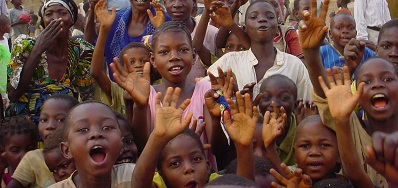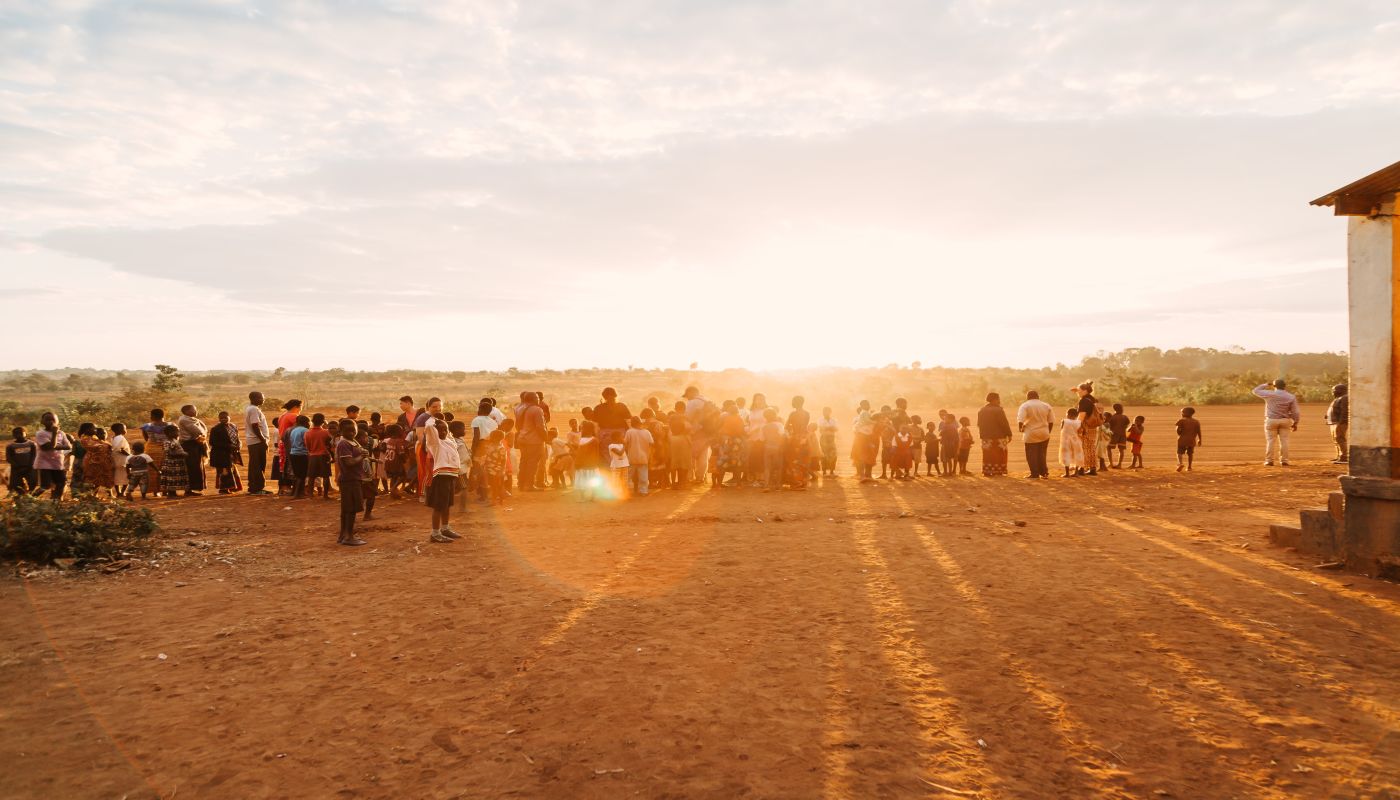
Landscape of Malawi
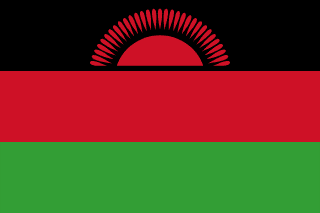
Flag of Malawi

Malawi

Africa

Malawi is a landlocked country located in Southern Africa, known for its stunning landscapes, friendly people, and vibrant culture. With a population of over 19 million people, Malawi is a developing country that has made progress in areas such as healthcare and education. The country's economy is based on agriculture and is heavily reliant on foreign aid.

What would you like to learn about in Malawi?

Select a section to explore the country where nonprofits are creating positive change.

About Malawi

Established in 1891, the British protectorate of Nyasaland became the independent nation of Malawi in 1964. After three decades of one-party rule under President Hastings Kamuzu BANDA the country held multiparty elections in 1994, under a provisional constitution that came into full effect the following year. President Bingu wa MUTHARIKA, elected in May 2004 after a failed attempt by the previous president to amend the constitution to permit another term, struggled to assert his authority against his predecessor and subsequently started his own party, the Democratic Progressive Party (DPP) in 2005. MUTHARIKA was reelected to a second term in May 2009. As president, he oversaw some economic improvement in his first term, but was accused of economic mismanagement and poor governance in his second term. He died abruptly in April 2012 and was succeeded by his vice president, Joyce BANDA. Population growth, increasing pressure on agricultural lands, corruption, and the spread of HIV/AIDS pose major problems for Malawi.

Quick Facts

Population
16,777,547 (July 2013 est.)
Area
118,484 sq km
ISO Code
MW
Continent
Africa
Government
multiparty democracy
Active Causes
12
View all countries in Africa

Geography & Environment

Climate

sub-tropical; rainy season (November to May); dry season (May to November)

Terrain

narrow elongated plateau with rolling plains, rounded hills, some mountains

Natural Resources

limestone, arable land, hydropower, unexploited deposits of uranium, coal, and bauxite

Environmental Issues

deforestation; land degradation; water pollution from agricultural runoff, sewage, industrial wastes; siltation of spawning grounds endangers fish populations

People & Society

52.78 years
Avg. Life Expectancy
74.8%
Literacy Rate
15.7% of total population (2011)
Total Urban Population

Languages

Chichewa (official) 57.2%, Chinyanja 12.8%, Chiyao 10.1%, Chitumbuka 9.5%, Chisena 2.7%, Chilomwe 2.4%, Chitonga 1.7%, other 3.6% (1998 census)

Religions

Christian 82.7%, Muslim 13%, other 1.9%, none 2.5% (1998 census)

Health Expenditure

6.6% of GDP (2010) of GDP

Education Expenditure

5.4% of GDP (2011) of GDP

Economy

$900
GDP per Capita (PPP)
NA%
Unemployment Rate
53% (2004)
Below Poverty Line

Economic Overview

Landlocked Malawi ranks among the world's most densely populated and least developed countries. The economy is predominately agricultural with about 80% of the population living in rural areas. Agriculture, which has benefited from fertilizer subsidies since 2006, accounts for one-third of GDP and 90% of export revenues. The performance of the tobacco sector is key to short-term growth as tobacco accounts for more than half of exports. The economy depends on substantial inflows of economic assistance from the IMF, the World Bank, and individual donor nations. In 2006, Malawi was approved for r...

Causes in Malawi

Environment

Malawi, a landlocked country in southeastern Africa, is highly susceptible to the impacts of environmental changes. The environment plays a critical role in shaping the lives of Malawians as the majority of the population relies on agriculture for their livelihoods. However, deforestation, soil erosion, and erratic weather patterns due to climate change pose significant challenges to food security and economic stability in the country. The degradation of natural resources also exacerbates issues such as water scarcity and loss of biodiversity, further compromising the well-being of Malawians. Addressing these environmental challenges is crucial for sustainable development and the resilience of Malawi's population.

Human Rights

Malawi, a landlocked country in southeastern Africa, faces a myriad of human rights challenges that impact its citizens daily. Issues such as widespread poverty, gender inequality, child labor, and lack of access to healthcare and education are prevalent in Malawi. The government has made efforts to improve the human rights situation in the country, but there is still much work to be done. Violations of human rights continue to occur, including discrimination against minority groups and political suppression. International organizations like Amnesty International and Human Rights Watch closely monitor the human rights situation in Malawi and provide support to local advocacy groups working to address these issues. By raising awareness about the human rights situation in Malawi, we can help bring about positive change for its people.

Education

Malawi, a landlocked country in southeastern Africa, faces numerous challenges in its education sector that impact its overall development. With a high poverty rate and limited resources, access to quality education remains a significant issue for many Malawians. The lack of adequate infrastructure, qualified teachers, and educational materials further exacerbates the situation. This, in turn, perpetuates a cycle of poverty, as the inability to acquire essential skills and knowledge hinders individuals from securing better economic opportunities. Furthermore, gender disparities persist in education, with girls often facing barriers to accessing schooling compared to boys. Improving the education system in Malawi is crucial for breaking the cycle of poverty and fostering sustainable development in the country.

Poverty

Malawi, a landlocked country in southeastern Africa, grapples with pervasive poverty that significantly impacts its population. Poverty in Malawi is predominantly attributed to a combination of factors, including limited access to education, healthcare, and economic opportunities. The majority of Malawians rely on subsistence farming as their main source of income, further exacerbating their vulnerability to economic shocks and climatic changes. This widespread poverty has led to challenges such as food insecurity, inadequate healthcare facilities, and limited educational opportunities for its citizens. As a result, Malawi continues to face significant obstacles in achieving sustainable development and improving the well-being of its people.

Religion

Religion in Malawi plays a significant role in shaping the cultural, social, and political landscape of the country. Christianity is the dominant religion, with approximately 85% of the population adhering to various Christian denominations, while Islam and traditional beliefs also hold influence. Religious beliefs and practices are deeply ingrained in Malawian society, influencing aspects such as family life, education, healthcare, and even governance. Churches and mosques often serve as community centers, providing social services and support to their members. However, religious diversity has also led to tensions and conflicts at times, particularly between different Christian denominations or with Muslim communities. Despite these challenges, religion continues to be a cornerstone of Malawian identity and plays a crucial role in shaping the country's values and norms.

Clean Water

Malawi, a landlocked country in southeastern Africa, faces significant challenges when it comes to access to clean water. With a population of over 18 million people, many Malawians still lack access to safe drinking water, leading to high rates of waterborne diseases such as cholera and typhoid. The lack of clean water sources in Malawi also contributes to food insecurity, as agriculture heavily relies on irrigation. Additionally, women and children often bear the burden of collecting water from distant and often contaminated sources, impacting their health and educational opportunities. Improving access to clean water in Malawi is crucial for enhancing public health, promoting economic development, and ensuring a better quality of life for its citizens.

Economy

Malawi, a landlocked country in southeastern Africa, faces significant economic challenges that have profound impacts on its population. With a predominantly agricultural economy, Malawi is vulnerable to fluctuations in weather conditions and global market prices for its key exports such as tobacco, tea, and sugar. The country's economy is heavily reliant on these commodities, making it susceptible to external shocks. Additionally, high levels of poverty and unemployment further exacerbate the economic struggles faced by Malawians, leading to food insecurity and limited access to healthcare and education. Addressing these economic issues is crucial for improving the overall well-being of the Malawian people and fostering sustainable development in the country.

Government

Malawi, a landlocked country in southeastern Africa, faces various challenges that significantly impact its population. The government of Malawi plays a crucial role in addressing these issues, such as poverty, food insecurity, and healthcare access. Despite efforts to improve the economy and social services, political instability and corruption have hindered progress in the country. Government policies directly affect the livelihoods of Malawians, shaping their access to education, healthcare, and economic opportunities. By addressing governance issues and promoting transparency and accountability, the government can positively impact the lives of its citizens and drive sustainable development in Malawi.

Health

Malawi, a landlocked country in southeastern Africa, faces significant health challenges that impact its population on various levels. With a high prevalence of diseases such as malaria, HIV/AIDS, and tuberculosis, the healthcare system in Malawi struggles to provide adequate care to its citizens. Limited access to clean water and sanitation facilities further exacerbates the situation by contributing to the spread of waterborne diseases. Malnutrition is also a pressing issue, particularly affecting children under the age of five. These health concerns not only affect the physical well-being of the population but also have socio-economic implications, hindering the country's overall development. Increased awareness and support for healthcare initiatives are crucial to addressing these challenges and improving the health outcomes of the people in Malawi.

Children

Malawi, located in southeastern Africa, faces numerous challenges that affect its children. Poverty, limited access to education and healthcare, food insecurity, and the prevalence of diseases like malaria are some of the key issues that impact the well-being of Malawian children. According to UNICEF, approximately 4 million children in Malawi are living in poverty, with many lacking access to basic necessities such as clean water and nutritious food. The country also struggles with high rates of child marriage and child labor, which prevent children from accessing education and realizing their full potential. Addressing these challenges requires a concerted effort from the government, non-profit organizations, and the international community to ensure that every child in Malawi has the opportunity to thrive and lead a healthy and fulfilling life.

Family

In Malawi, family plays a crucial role in shaping the social fabric and providing support to individuals. The concept of family extends beyond just immediate relatives, encompassing an extended network of kinship. In this African nation, families typically live in close-knit communities where communal values and mutual aid are highly valued. The family unit in Malawi is central to childcare, education, healthcare, and social welfare. However, challenges such as poverty, high fertility rates, and limited access to resources can strain familial relationships and place additional burdens on households. Despite these obstacles, families in Malawi continue to serve as a cornerstone of society, offering a sense of belonging and security to individuals.

Animals

Malawi, a landlocked country in southeast Africa, is home to a diverse array of wildlife, including elephants, hippos, and various bird species. The wildlife in Malawi plays a crucial role in the country's ecosystem and economy. Animals such as elephants and hippos attract tourists from around the world, contributing significantly to the economy through tourism revenue. Additionally, wildlife plays a vital role in maintaining the balance of the ecosystem, helping to control insect populations and supporting plant growth. However, like many countries in Africa, Malawi faces significant challenges in protecting its wildlife from poaching and habitat loss. Conservation efforts are essential to ensure the survival of these animals and the preservation of Malawi's natural heritage for future generations.

Nonprofits Working in Malawi

Discover organizations making a difference in Malawi

Project Peanut Butter

Project Peanut Butter

Across the world, severe acute malnutrition is the largest killer of children under 5 years of age, contributing to nearly half of all childhood deaths (more than 3 million children per year). We produce peanut based ready-to-use therapeutic foods (RUTF) locally in factories in Malawi, Sierra Leone, and Ghana. Our factories are internationally accredited by UNICEF, Doctors Without Borders, and the World Food Program, and our product is considered the standard of care worldwide for severely malnourished children. We strive to use as many local ingredients and staff as possible. In addition, we distribute the therapeutic food at our own mobile clinics, where PPB nurses assess children for malnutrition and provide qualifying children with life-saving food at no charge.

Maplewood, Missouri
GUTTMACHER INSTITUTE INC

GUTTMACHER INSTITUTE INC

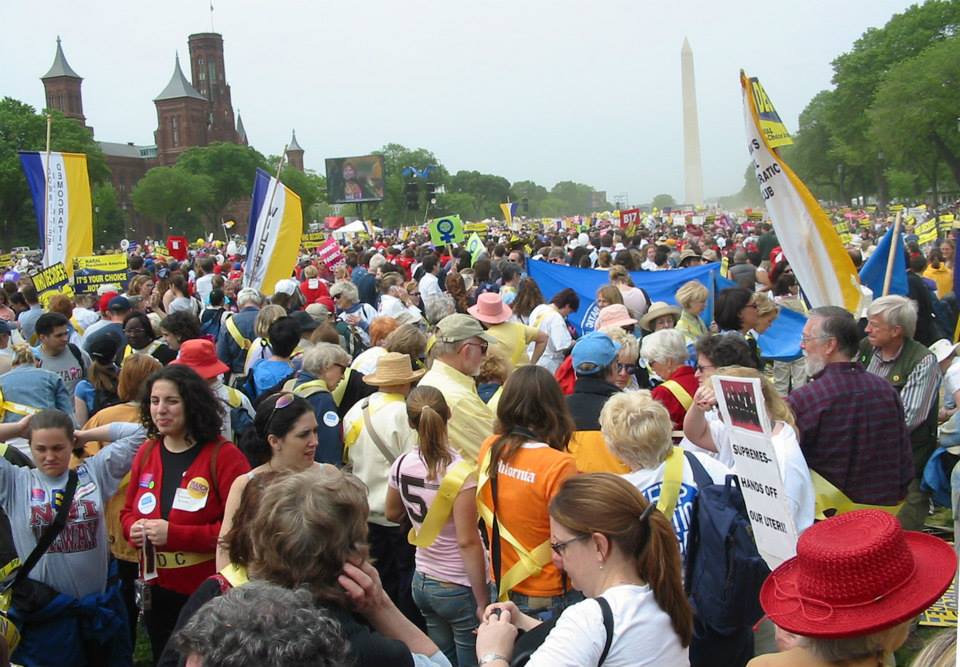
Now in its fifth decade, the Guttmacher Institute remains committed to the mission and goals that led to its creation. The Guttmacher Institute was founded in 1968 as the Center for Family Planning Program Development. At the time, Presidents John F. Kennedy, Lyndon Johnson and Richard Nixon had begun to call the public's attention to the problem of unplanned and unwanted childbearing and its consequences for individual women and men, their children and their communities both at home and abroad. Concurrently, the United States Congress was taking its first steps toward the development of an international population assistance program, as well as a multifaceted, national program aimed at providing equitable access to modern methods of birth control in the United States. By integrating nonpartisan social science research, policy analysis and public education, the Center hoped to provide a factual basis for the development of sound governmental policies and for public consideration of the sensitive issues involved in the promotion of reproductive health and rights. This purpose and commitment continue today. The Center was originally housed within the corporate structure of Planned Parenthood Federation of America (PPFA). Its program, however, was independently developed and overseen by a National Advisory Council separate from the PPFA Board of Directors. Its early development was nurtured by Alan F. Guttmacher, an eminent obstetrician-gynecologist, teacher and writer who was PPFA's president for more than a decade until his death in 1974. The Center was renamed in Dr. Guttmacher's memory, and the Guttmacher Institute incorporated as an entirely independent nonprofit policy research institute with its own Board in 1977. The Guttmacher Institute maintains offices in New York and Washington. Its current staff of 81 comprises demographers, social scientists, public policy analysts, editors, writers, communications specialists, and financial and technical personnel. A few of its employees have been with the organization for most of its existence, and an affiliation that goes back 10 or 15 years is not unusual. The Institute's work is guided by a 39-member board made up of eminent professionals from a rich variety of disciplines, as well as civic leaders from across the United States and around the world. The Guttmacher Institute's annual budget of approximately $17 million is derived largely from private foundations, government agencies, multilateral organizations and individual contributions.

New York, New York
N

NYCMedics

NYC Medics’ two-pronged approach towards disaster focuses on both pre and post disaster impacts. Our primary focus has been responding to disasters and treating those affected in hard to reach areas. This is accomplished through our network of committed volunteer medical personnel, willing to deploy within hours of being contacted. In our training program in Kenya we are working with local government officials and organizations to build a sustainable, well trained work force in pre-hospital care, incorporating fire services cross training in basic first aid. By teaching and certifying a greater number of personnel in pre-hospital care, we hope to increase access to the healthcare system and provide basic life saving measures to those who currently lack access to these services.

New York, New York

Make Your Impact Today

Discover causes you care about and support the nonprofits making a difference in communities around the world.

Are you a nonprofit? Join Project World Impact for free

Join Us Free