Landscape of Mali
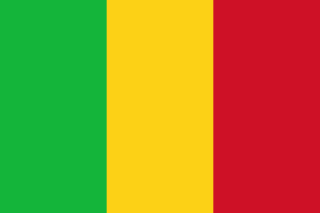
Flag of Mali

Mali

Africa

Mali is a landlocked country located in West Africa, known for its rich history and vibrant culture. Mali also has a diverse geography, including the Sahara desert in the north and the Niger River in the south. With a population of over 20 million people, Mali is a developing country that has faced numerous challenges in recent years, including poverty, political instability, and conflict. Despite these challenges, the country has a highly educated workforce and a rich cultural heritage, and it has made progress in areas such as healthcare and education.

What would you like to learn about in Mali?

Select a section to explore the country where nonprofits are creating positive change.

About Mali

The Sudanese Republic and Senegal became independent of France in 1960 as the Mali Federation. When Senegal withdrew after only a few months, what formerly made up the Sudanese Republic was renamed Mali. Rule by dictatorship was brought to a close in 1991 by a military coup that ushered in a period of democratic rule. President Alpha KONARE won Mali's first two democratic presidential elections in 1992 and 1997. In keeping with Mali's two-term constitutional limit, he stepped down in 2002 and was succeeded by Amadou TOURE, who was elected to a second term in 2007 elections that were widely judged to be free and fair. Malian returnees from Libya in 2011 exacerbated tensions in northern Mali, and Tuareg ethnic militias started a rebellion in January 2012. Low- and mid-level soldiers, frustrated with the poor handling of the rebellion overthrew TOURE on 22 March. Intensive mediation efforts led by the Economic Community of West African States (ECOWAS) returned power to a civilian administration in April with the appointment of interim President Dioncounda TRAORE. The post-coup chaos led to rebels expelling the Malian military from the three northern regions of the country and allowed Islamic militants to set up strongholds. Hundreds of thousands of northern Malians fled the violence to southern Mali and neighboring countries, exacerbating regional food insecurity in host communities. A military intervention to retake the three northern regions began in January 2013 and within a month most of the north had been retaken. In a democratic presidential election conducted in July and August of 2013, Ibrahim Boubacar KEITA was elected president.

Quick Facts

Population
15,968,882 (July 2013 est.)
Area
1,240,192 sq km
ISO Code
ML
Continent
Africa
Government
republic
Active Causes
12
View all countries in Africa

Geography & Environment

Climate

subtropical to arid; hot and dry (February to June); rainy, humid, and mild (June to November); cool and dry (November to February)

Terrain

mostly flat to rolling northern plains covered by sand; savanna in south, rugged hills in northeast

Natural Resources

gold, phosphates, kaolin, salt, limestone, uranium, gypsum, granite, hydropower

Environmental Issues

deforestation; soil erosion; desertification; inadequate supplies of potable water; poaching

People & Society

54.55 years
Avg. Life Expectancy
33.4%
Literacy Rate
34.9% of total population (2011)
Total Urban Population

Languages

French (official), Bambara 46.3%, Peul/foulfoulbe 9.4%, Dogon 7.2%, Maraka/soninke 6.4%, Malinke 5.6%, Sonrhai/djerma 5.6%, Minianka 4.3%, Tamacheq 3....

Religions

Muslim 94.8%, Christian 2.4%, Animist 2%, none 0.5%, unspecified 0.3% (2009 Census)

Health Expenditure

5% of GDP (2010) of GDP

Education Expenditure

4.8% of GDP (2011) of GDP

Economy

$1,100
GDP per Capita (PPP)
30%
Unemployment Rate
36.1% (2005 est.)
Below Poverty Line

Economic Overview

Among the 25 poorest countries in the world, Mali is a landlocked country highly dependent on gold mining and agricultural exports for revenue. The country's fiscal status fluctuates with gold and agricultural commodity prices and the harvest. Mali remains dependent on foreign aid. Economic activity is largely confined to the riverine area irrigated by the Niger River and about 65% of its land area is desert or semidesert. About 10% of the population is nomadic and about 80% of the labor force is engaged in farming and fishing. Industrial activity is concentrated on processing farm commodities...

Causes in Mali

Environment

Mali, a landlocked country in West Africa, faces significant environmental challenges that have far-reaching impacts on its population. The country's economy is heavily dependent on agriculture, with over 80% of its workforce engaged in farming. However, Mali is vulnerable to erratic rainfall patterns, desertification, and soil degradation, which threaten food security and exacerbate poverty. Deforestation, largely driven by unsustainable agricultural practices and charcoal production, further contributes to environmental degradation. The ongoing effects of climate change also pose a growing threat to Mali's fragile ecosystems and water resources. Addressing these environmental issues is crucial to ensuring the long-term sustainability and resilience of Mali's economy and livelihoods.

Family

In Mali, family plays a crucial role in shaping the social fabric and values of its people. Family units are typically large and extended, encompassing not only immediate family members but also relatives spanning multiple generations. This strong sense of kinship fosters a deep sense of community and interconnectedness among Malians. Families in Mali often serve as the primary source of emotional support, financial assistance, and care for individuals, especially in times of need or crisis. Moreover, family ties are integral to decision-making processes, with elders holding significant influence and respect within the family structure. The concept of "ubuntu," emphasizing the interconnectedness of all individuals, underpins the Malian approach to familial relationships. By understanding the profound impact of family dynamics on Malian society, we can appreciate the importance of supporting and strengthening familial bonds to promote social cohesion and well-being in this diverse West African nation.

Human Rights

Mali, a landlocked country in West Africa, is grappling with significant human rights challenges that deeply affect its population. The nation faces issues such as gender inequality, child labor, forced marriages, and lack of access to education and healthcare. These violations not only undermine the well-being of individuals but also hinder Mali's overall societal and economic development. The prevalence of human rights abuses in Mali underscores the urgent need for comprehensive reforms and increased awareness to safeguard the fundamental rights of its people.

Education

Mali, a landlocked country in West Africa, faces numerous challenges in the realm of education. With a literacy rate of only 33.1% among adults, access to quality education remains a significant concern. The lack of adequate infrastructure, limited resources, and ongoing conflicts have all contributed to the country's educational disparities. Furthermore, cultural and gender barriers often prevent girls from receiving equal educational opportunities. This disparity in education perpetuates the cycle of poverty and hinders Mali’s overall socio-economic development. Addressing these issues is crucial to ensuring a brighter future for the people of Mali and breaking the cycle of poverty that has plagued the country for generations.

Poverty

Mali, a landlocked country in West Africa, faces significant challenges resulting from widespread poverty. With a poverty rate of over 40%, many Malians struggle to meet their basic needs, including access to clean water, adequate healthcare, and education. The impact of poverty is particularly severe in rural areas, where the majority of the population resides and relies on subsistence agriculture for their livelihoods. Limited infrastructure and resources further exacerbate the situation, leading to food insecurity and malnutrition among vulnerable populations, including children and the elderly. Additionally, political instability and armed conflict have hindered economic development efforts and worsened the living conditions for many Malians. Addressing poverty in Mali requires a multifaceted approach that includes improving access to education, healthcare, and economic opportunities, as well as promoting sustainable development practices to alleviate the systemic issues contributing to poverty in the country.

Religion

Religion plays a significant role in Mali, a country known for its rich cultural heritage and diverse religious landscape. Islam is the predominant religion in Mali, with the majority of the population identifying as Muslim. The practice of Islam not only shapes the daily lives and traditions of Malians but also influences the country's social, political, and economic dynamics. Religious beliefs often intersect with various aspects of Malian society, impacting everything from governance structures to social norms and practices. However, Mali's religious diversity goes beyond Islam, as Christianity and indigenous African religions are also practiced by a smaller segment of the population. Despite this diversity, religious harmony has historically been a hallmark of Malian society, with communities coexisting peacefully and respecting each other's beliefs. Nevertheless, recent years have seen instances of religious tensions and extremism, posing challenges to this long-standing tradition of tolerance and coexistence.

Clean Water

Mali, a landlocked country in West Africa, faces significant challenges in ensuring access to clean water for its population. With a large portion of the country located in the arid Sahel region, Mali's water resources are under immense pressure due to factors such as climate change, population growth, and poor infrastructure. The lack of access to clean water has severe consequences for the people of Mali, leading to waterborne diseases, malnutrition, and hindered economic development. According to the World Health Organization, only 64% of Mali's population has access to clean drinking water sources. Addressing this issue is crucial for improving public health and overall well-being in Mali.

Government

Mali, a landlocked country in West Africa, has been plagued by political instability and armed conflict, significantly impacting its development and overall well-being. The government of Mali plays a crucial role in addressing these challenges, as its policies and actions have direct consequences on the lives of its citizens. Issues such as corruption, lack of effective governance, and inadequate provision of public services have contributed to the country's struggles. The government's ability to promote peace, ensure security, and foster economic growth is essential for the stability and prosperity of Mali. By addressing these key areas, the government can help improve the lives of its people and create a more sustainable future for the nation.

Health

Mali, located in West Africa, faces significant health challenges that impact its population's well-being and development. The country struggles with high rates of infectious diseases such as malaria, tuberculosis, and HIV/AIDS, as well as malnutrition and limited access to healthcare services, particularly in rural areas. These health issues contribute to the country's high infant and maternal mortality rates, hindering progress towards achieving sustainable development goals. In addition, Mali has faced recent humanitarian crises, including conflict and displacement, further exacerbating the health situation for many vulnerable communities. Addressing these health challenges is crucial for improving the overall quality of life and ensuring a healthier future for the people of Mali.

Children

Mali, a West African country, faces significant challenges in ensuring the well-being of its children. With a high child mortality rate, limited access to education, and widespread poverty, Malian children are among the most vulnerable populations in the world. Malnutrition is a pressing issue, with nearly one in three children under the age of five suffering from chronic malnourishment. This not only affects their physical health but also hinders their cognitive development and academic performance. Furthermore, ongoing conflicts and insecurity in certain regions of Mali have resulted in an increased risk of child recruitment by armed groups, putting their lives and futures in jeopardy. To address these issues and improve the lives of Malian children, targeted interventions focusing on healthcare, nutrition, education, and protection are essential.

Economy

Mali, a landlocked country in West Africa, faces significant economic challenges that have a profound impact on its population. The economy of Mali heavily relies on agriculture, with cotton being a major export crop. However, recurring droughts and climate change have severely affected agricultural productivity, leading to food insecurity and poverty for many Malians. Additionally, political instability and internal conflicts have hampered foreign investment and economic development in the country. The lack of infrastructure and limited access to education and healthcare further exacerbate the economic struggles faced by the people of Mali. Addressing these economic issues is crucial to improving the overall well-being and livelihoods of the Malian population.

Animals

Mali, situated in West Africa, is home to a diverse range of wildlife that plays a crucial role in the country's ecosystem. The presence of various animal species, such as elephants, lions, and giraffes, not only contributes to the country's biodiversity but also supports its economy through wildlife tourism. However, Mali's wildlife faces significant threats due to habitat loss, poaching, and climate change. These challenges not only endanger the survival of many animal species but also disrupt the delicate balance of Mali's ecosystems. Conservation efforts are crucial to protect the country's wildlife and ensure a sustainable future for both animals and humans in Mali.

Nonprofits Working in Mali

Discover organizations making a difference in Mali

Make Your Impact Today

Discover causes you care about and support the nonprofits making a difference in communities around the world.

Are you a nonprofit? Join Project World Impact for free

Join Us Free