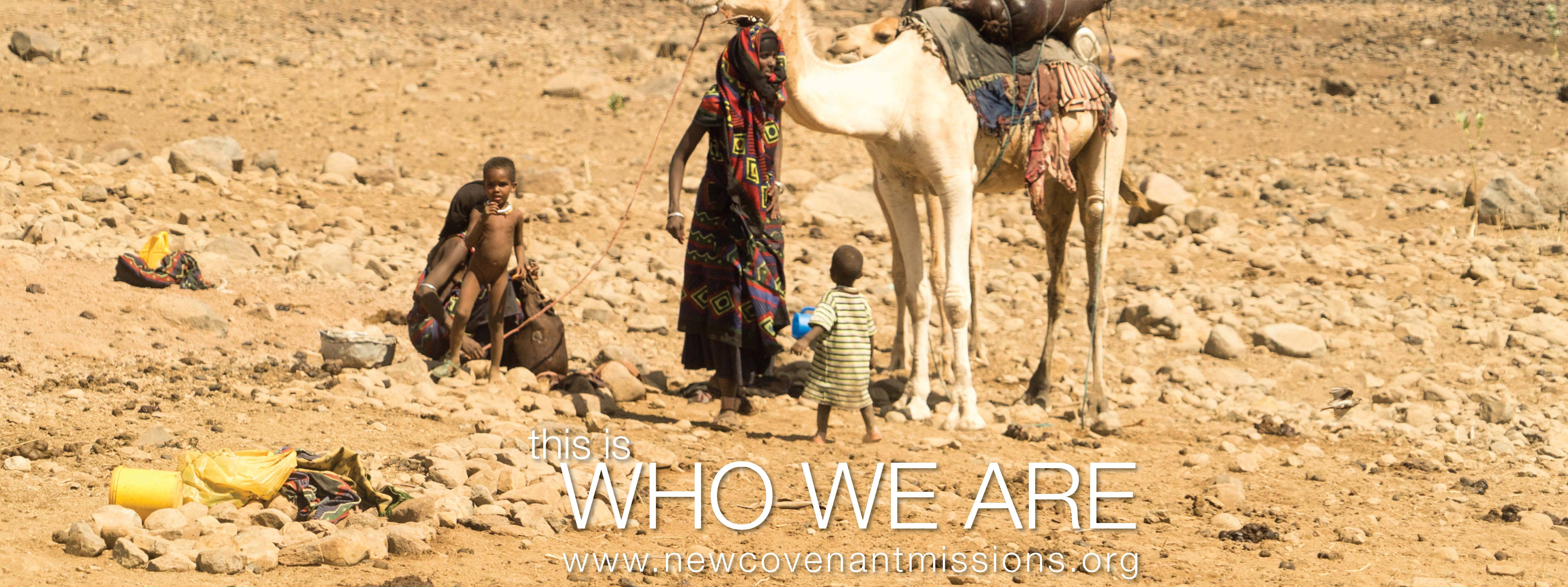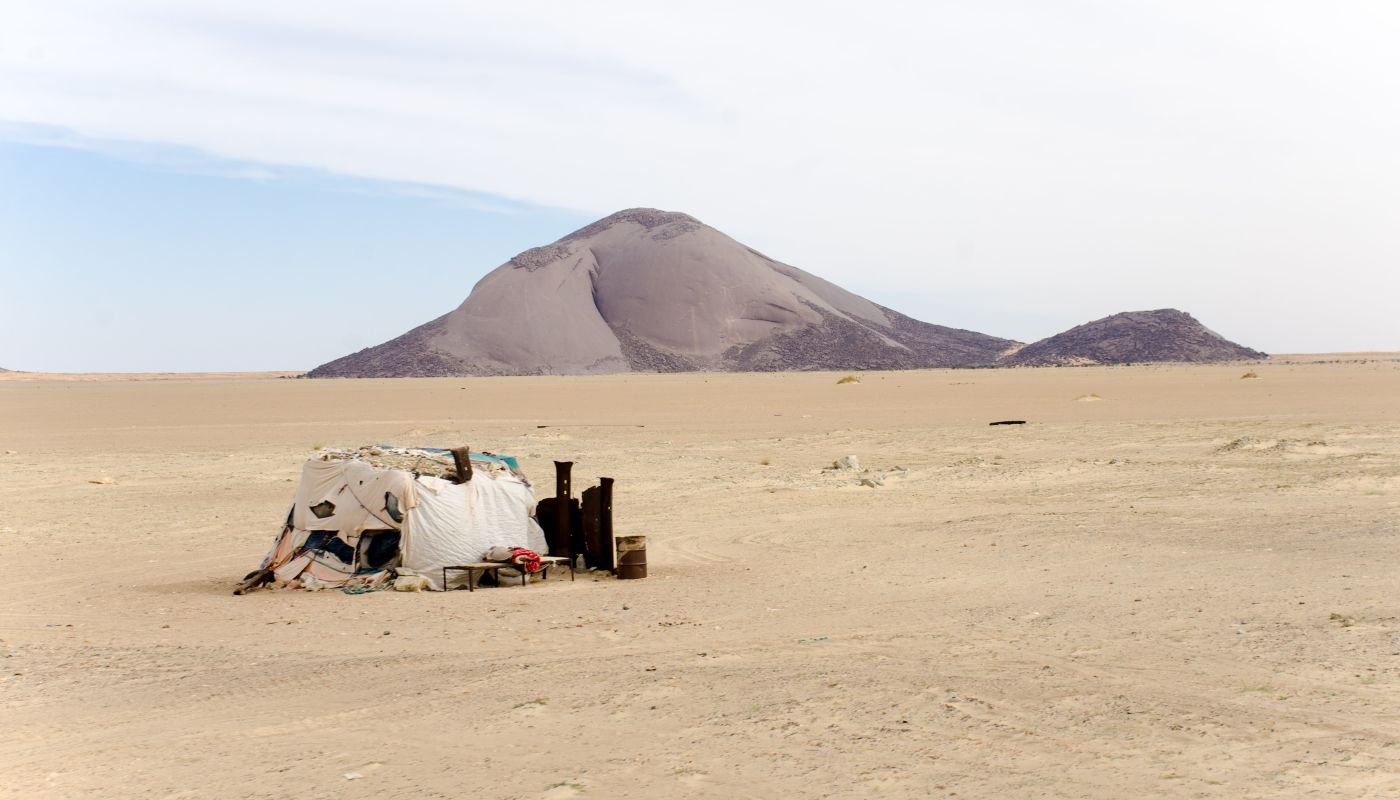
Landscape of Mauritania
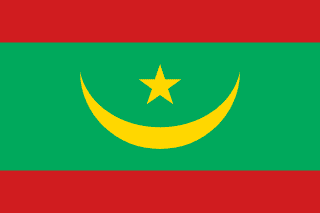
Flag of Mauritania

Mauritania

Africa

Mauritania is a country located in North-West Africa with a population of approximately 4 million people. It has a rich history dating back to the ancient empires of Ghana and Mali, and the country is known for its vast desert landscapes and nomadic tribes. Despite challenges such as poverty, food insecurity, and political instability, Mauritania has made progress in areas such as education and healthcare, and the government has launched initiatives to promote economic development and social welfare.

What would you like to learn about in Mauritania?

Select a section to explore the country where nonprofits are creating positive change.

About Mauritania

Independent from France in 1960, Mauritania annexed the southern third of the former Spanish Sahara (now Western Sahara) in 1976 but relinquished it after three years of raids by the Polisario guerrilla front seeking independence for the territory. Maaouya Ould Sid Ahmed TAYA seized power in a coup in 1984 and ruled Mauritania with a heavy hand for more than two decades. A series of presidential elections that he held were widely seen as flawed. A bloodless coup in August 2005 deposed President TAYA and ushered in a military council that oversaw a transition to democratic rule. Independent candidate Sidi Ould Cheikh ABDALLAHI was inaugurated in April 2007 as Mauritania's first freely and fairly elected president. His term ended prematurely in August 2008 when a military junta led by General Mohamed Ould Abdel AZIZ deposed him and installed a military council government. AZIZ was subsequently elected president in July 2009 and sworn in the following month. AZIZ sustained injuries from an accidental shooting by his own troops in October 2012 but has continued to maintain his authority. The country continues to experience ethnic tensions among its black population (Afro-Mauritanians) and white and black Moor (Arab-Berber) communities, and is having to confront a growing terrorism threat by al-Qa'ida in the Islamic Maghreb (AQIM).

Quick Facts

Population
3,437,610 (July 2013 est.)
Area
1,030,700 sq km
ISO Code
MR
Continent
Africa
Government
military junta
Active Causes
12
View all countries in Africa

Geography & Environment

Climate

desert; constantly hot, dry, dusty

Terrain

mostly barren, flat plains of the Sahara; some central hills

Natural Resources

iron ore, gypsum, copper, phosphate, diamonds, gold, oil, fish

Environmental Issues

overgrazing, deforestation, and soil erosion aggravated by drought are contributing to desertification; limited natural freshwater resources away from the Senegal, which is the only perennial river; l...

People & Society

61.91 years
Avg. Life Expectancy
58.6%
Literacy Rate
41.5% of total population (2011)
Total Urban Population

Languages

Arabic (official and national), Pulaar, Soninke, Wolof (all national languages), French, Hassaniya

Religions

Muslim (official) 100%

Health Expenditure

4.4% of GDP (2010) of GDP

Education Expenditure

3.9% of GDP (2011) of GDP

Economy

$2,200
GDP per Capita (PPP)
30%
Unemployment Rate
40% (2004 est.)
Below Poverty Line

Economic Overview

Half the population still depends on agriculture and livestock for a livelihood, even though many of the nomads and subsistence farmers were forced into the cities by recurrent droughts in the 1970s and 1980s. Mauritania has extensive deposits of iron ore, which account for nearly 40% of total exports. The nation's coastal waters are among the richest fishing areas in the world but overexploitation by foreigners threatens this key source of revenue. The country's first deepwater port opened near Nouakchott in 1986. Before 2000, drought and economic mismanagement resulted in a buildup of foreig...

Causes in Mauritania

Environment

Mauritania, a country located in Northwest Africa, faces significant environmental challenges that impact its population and economy. The most pressing environmental issue in Mauritania is desertification, which is exacerbated by overgrazing, deforestation, and climate change. The encroaching desert threatens agricultural lands and contributes to food insecurity in the region. Additionally, Mauritania's coastal areas are vulnerable to erosion and rising sea levels, putting coastal communities at risk. These environmental challenges not only affect the livelihoods of the people but also have wider repercussions on the country's biodiversity and natural resources. Addressing these environmental issues is crucial for the sustainable development of Mauritania and the well-being of its population.

Family

In Mauritania, family plays a central role in society, shaping cultural norms, values, and traditions. The family unit in Mauritania is typically large and extended, with strong ties among relatives. Family members provide emotional support, financial assistance, and social connections to one another. Moreover, family gatherings and celebrations are highly valued in Mauritanian culture, reinforcing the importance of familial bonds. However, gender roles within families in Mauritania can be quite traditional, with women often expected to fulfill domestic duties while men are seen as the primary breadwinners. This dynamic can sometimes lead to issues of inequality and limited opportunities for women within the family structure. Overall, the concept of family in Mauritania is deep-rooted and influences various aspects of daily life for its people.

Human Rights

Mauritania, a country located in West Africa, faces significant human rights challenges that impact its population. One of the most pressing issues is the prevalence of slavery, particularly affecting the Haratine ethnic group, who are often subjected to forced labor and discrimination. Additionally, women and girls in Mauritania experience widespread gender-based violence, limited access to education and healthcare, and are often denied basic rights. The LGBTQ+ community also faces persecution and violence due to entrenched societal norms and laws criminalizing same-sex relationships. These human rights violations hinder the country's social and economic development, perpetuating cycles of poverty and marginalization. Addressing these issues through legal reforms, awareness campaigns, and international cooperation is crucial to improving the well-being of all Mauritanians and promoting a more just and equal society.

Education

Mauritania, a country located in Northwest Africa, faces several challenges related to education that significantly impact its population. The education system in Mauritania is characterized by low enrollment rates, limited access to quality education, and gender disparities, particularly in rural areas. Despite efforts to improve the education sector, inadequate infrastructure, insufficient funding, and a shortage of qualified teachers remain prevalent issues. This lack of access to quality education perpetuates a cycle of poverty and hinders socio-economic development in the country. Increasing investment in education, enhancing teacher training programs, and promoting gender equality in education are crucial steps towards addressing these challenges and fostering sustainable development in Mauritania.

Poverty

Mauritania, located in North West Africa, faces significant challenges when it comes to poverty. With a high prevalence of poverty, particularly in rural areas, the country struggles with issues such as limited access to education, healthcare, and basic amenities. The lack of economic opportunities and resources exacerbates the situation, leading to widespread poverty and inequality. This has a profound impact on the population's quality of life, with many individuals living below the poverty line and facing food insecurity. Additionally, the country's vulnerability to climate change further compounds these challenges, making it even more difficult for communities to break the cycle of poverty. Addressing these issues requires a comprehensive approach that focuses on improving access to education, healthcare, and economic opportunities while also building resilience to climate change impacts.

Religion

Mauritania, located in Northwest Africa, is a country deeply influenced by religion, primarily Islam. The population predominantly practices Sunni Islam, which plays a significant role in shaping the societal norms, laws, and cultural practices of the nation. The legal system in Mauritania is based on Sharia law, which has implications for various aspects of life, including family matters, inheritance rights, and criminal justice. Religion also influences education, with the Quran being a fundamental part of the curriculum in schools. Moreover, religious leaders hold considerable influence in the political landscape of Mauritania. Despite the constitutional provision for freedom of religion, societal pressures often restrict religious diversity. Understanding the impact of religion on Mauritanian society is crucial for promoting tolerance and fostering a more inclusive environment.

Clean Water

Mauritania, a country located in Northwest Africa, faces significant challenges in ensuring access to clean water for its population. With a substantial portion of its land consisting of arid desert, Mauritania's water sources are limited and often contaminated. This scarcity of clean water has severe consequences on the health and well-being of Mauritanians, leading to waterborne diseases such as cholera and diarrhea. Additionally, the lack of access to clean water hinders agricultural productivity, exacerbating food insecurity in the region. Addressing the issue of clean water in Mauritania is crucial for improving public health outcomes and promoting sustainable development in the country.

Economy

Mauritania, a country in West Africa, grapples with a complex economy that significantly impacts its population. The nation heavily relies on agriculture, fisheries, and mining for economic sustenance. However, challenges such as inconsistent rainfall patterns affecting agriculture, overfishing depleting marine resources, and fluctuating mineral prices hinder sustained economic growth. The country also faces issues of poverty, unemployment, and income inequality, further exacerbating the economic challenges faced by its citizens. To address these issues and foster economic development, Mauritania has been implementing reforms to diversify its economy and attract foreign investment. By understanding the intricate relationship between the economy and its impact on Mauritania, stakeholders can work towards sustainable solutions to uplift the nation's economy and improve the livelihoods of its people.

Health

Mauritania, a country located in West Africa, faces significant health challenges that impact the well-being of its population. High rates of infectious diseases, inadequate healthcare infrastructure, and limited access to clean water and sanitation contribute to the health disparities experienced by Mauritanians. Malaria, respiratory infections, and diarrheal diseases are prevalent in the country, with malnutrition also posing a significant threat to public health. Maternal and child health outcomes are particularly concerning, with high rates of maternal mortality and childhood malnutrition. The limited availability of healthcare services in remote areas further exacerbates these issues, hindering the population's ability to access essential medical care. Addressing these health challenges in Mauritania requires concerted efforts to improve healthcare infrastructure, increase access to clean water and sanitation, and enhance healthcare delivery systems to ensure better health outcomes for all Mauritanians.

Children

Mauritania, a country located in West Africa, faces several challenges that impact its children. One of the primary concerns is child labor, where many children are forced to work in hazardous conditions instead of attending school. This not only deprives them of their right to education but also exposes them to physical and emotional harm. Furthermore, child marriage is prevalent in Mauritania, with many young girls being married off at a young age, leading to health risks and limiting their future opportunities. Despite efforts to combat these issues, more awareness and support are needed to protect the well-being and rights of children in Mauritania.

Government

Mauritania, a country located in West Africa, faces various challenges influenced by its government. The government in Mauritania plays a significant role in shaping the country's social, economic, and political landscape. Issues such as corruption, human rights violations, and lack of transparency have been prevalent, impacting the daily lives of Mauritanian citizens. The government's policies and actions have also contributed to socio-economic disparities, with marginalized groups often bearing the brunt of these inequalities. Additionally, political instability and governance issues have hindered Mauritania's development progress. It is crucial to raise awareness about these issues to foster accountability and promote positive change for the people of Mauritania.

Animals

Mauritania, located in North West Africa, is a country rich in biodiversity, with a wide variety of animal species that play a crucial role in the ecosystem. Animals in Mauritania face numerous challenges, primarily due to habitat loss, climate change, and poaching. The Sahara desert covers much of the country, impacting the availability of resources for wildlife. Endangered species such as the addax antelope and the North African ostrich are particularly vulnerable to extinction due to these threats. Additionally, the traditional practice of using animals for transportation and labor further strains their populations. Conservation efforts in Mauritania are essential to protect its diverse wildlife and maintain ecological balance for future generations.

Nonprofits Working in Mauritania

Discover organizations making a difference in Mauritania

Make Your Impact Today

Discover causes you care about and support the nonprofits making a difference in communities around the world.

Are you a nonprofit? Join Project World Impact for free

Join Us Free