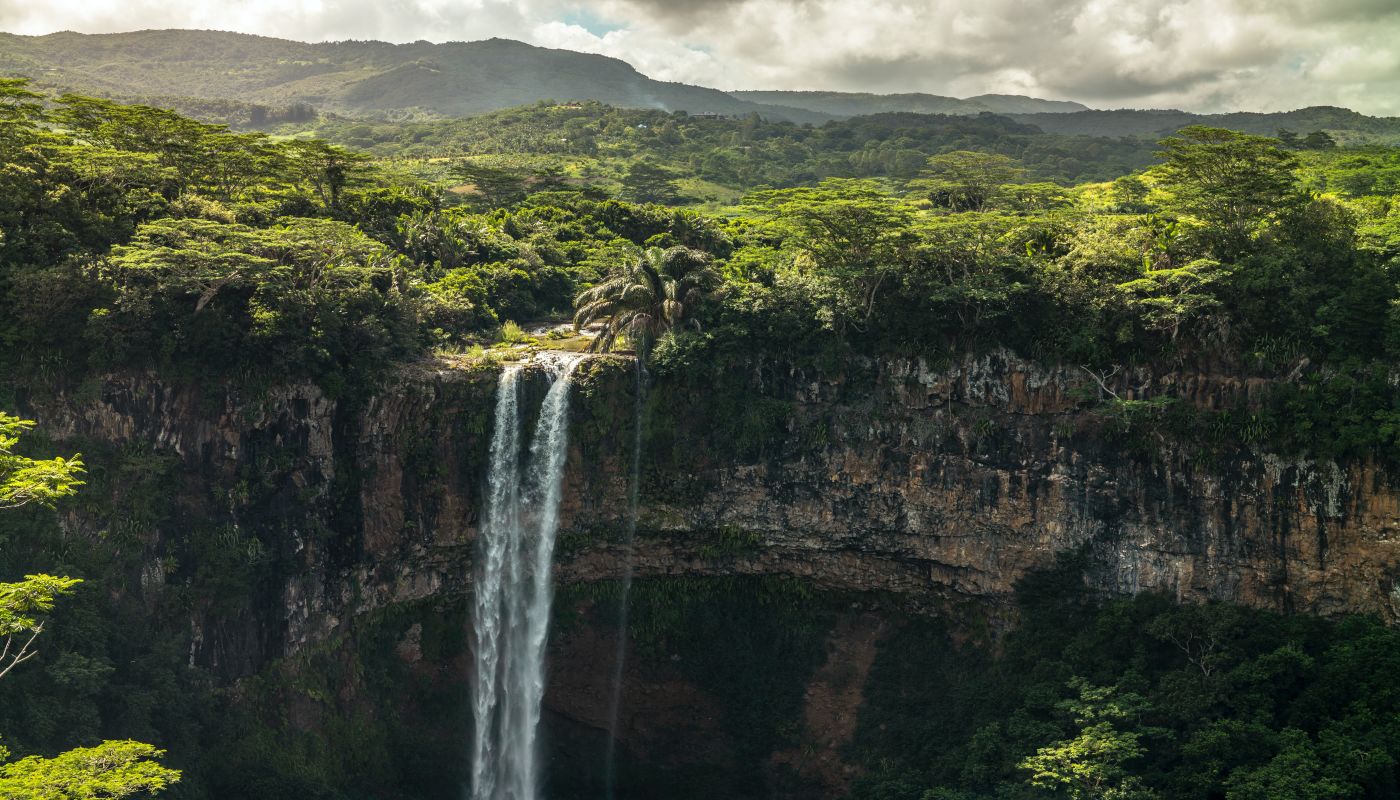
Landscape of Mauritius
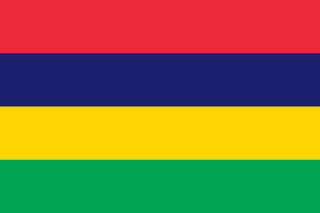
Flag of Mauritius

Mauritius

Africa

Mauritius is a beautiful island nation located off the coast of East Africa, known for its stunning beaches, coral reefs, and rich cultural heritage. With a population of over 1.3 million people, Mauritius is a highly developed country that has made significant progress in areas such as healthcare, education, and infrastructure. The country's economy is based on tourism, manufacturing, and financial services, and it is considered one of the most competitive economies in Africa. Mauritius has a diverse and multicultural population, with influences from Indian, African, and European cultures. The country is known for its political stability, friendly people, and commitment to environmental sustainability.

What would you like to learn about in Mauritius?

Select a section to explore the country where nonprofits are creating positive change.

About Mauritius

Although known to Arab and Malay sailors as early as the 10th century, Mauritius was first explored by the Portuguese in the 16th century and subsequently settled by the Dutch - who named it in honor of Prince Maurits van NASSAU - in the 17th century. The French assumed control in 1715, developing the island into an important naval base overseeing Indian Ocean trade, and establishing a plantation economy of sugar cane. The British captured the island in 1810, during the Napoleonic Wars. Mauritius remained a strategically important British naval base, and later an air station, playing an important role during World War II for anti-submarine and convoy operations, as well as the collection of signals intelligence. Independence from the UK was attained in 1968. A stable democracy with regular free elections and a positive human rights record, the country has attracted considerable foreign investment and has earned one of Africa's highest per capita incomes.

Quick Facts

Population
1,322,238 (July 2013 est.)
Area
2,040 sq km
ISO Code
MU
Continent
Africa
Government
parliamentary democracy
Active Causes
12
View all countries in Africa

Geography & Environment

Climate

tropical, modified by southeast trade winds; warm, dry winter (May to November); hot, wet, humid summer (November to May)

Terrain

small coastal plain rising to discontinuous mountains encircling central plateau

Natural Resources

arable land, fish

Environmental Issues

water pollution, degradation of coral reefs

People & Society

74.94 years
Avg. Life Expectancy
88.8%
Literacy Rate
41.8% of total population (2011)
Total Urban Population

Languages

Creole 80.5%, Bhojpuri 12.1%, French 3.4%, English (official; spoken by less than 1% of the population), other 3.7%, unspecified 0.3% (2000 census)

Religions

Hindu 48%, Roman Catholic 23.6%, Muslim 16.6%, other Christian 8.6%, other 2.5%, unspecified 0.3%, none 0.4% (2000 census)

Health Expenditure

6% of GDP (2010) of GDP

Education Expenditure

3.7% of GDP (2010) of GDP

Economy

$15,800
GDP per Capita (PPP)
8.1%
Unemployment Rate
8% (2006 est.)
Below Poverty Line

Economic Overview

Since independence in 1968, Mauritius has developed from a low-income, agriculturally based economy to a middle-income diversified economy with growing industrial, financial, and tourist sectors. For most of this period, annual growth has been on the order of 5% to 6%. This achievement has been reflected in more equitable income distribution, increased life expectancy, lowered infant mortality, and a much-improved infrastructure. The economy rests on sugar, tourism, textiles and apparel, and financial services, and is expanding into fish processing, information and communications technology, a...

Causes in Mauritius

Environment

Mauritius, an island nation in the Indian Ocean, is renowned for its stunning landscapes and rich biodiversity. However, the environment of Mauritius faces numerous challenges that impact its people and ecosystems. Climate change poses a significant threat, with rising sea levels and extreme weather events such as cyclones becoming more frequent. Deforestation, pollution from agricultural runoff and plastic waste, and overfishing further deteriorate the delicate balance of Mauritius' ecosystems. These environmental issues not only endanger the unique flora and fauna of the island but also affect the livelihoods of local communities dependent on agriculture and fishing. It is crucial for Mauritius to address these challenges through sustainable practices and conservation efforts to protect its environment for future generations.

Human Rights

Mauritius, a small island nation in the Indian Ocean, has made significant strides in upholding human rights within its borders. Despite its size, Mauritius has been a vocal advocate for human rights both domestically and internationally. The country has taken steps to address issues such as gender equality, freedom of expression, and the rights of marginalized groups. However, challenges remain, particularly in areas such as discrimination against women and the LGBTQ+ community. By ensuring that human rights are respected and protected, Mauritius can continue to progress as a nation that values the dignity and well-being of all its citizens.

Education

Mauritius, an island nation in the Indian Ocean, boasts a diverse culture and rich history. Education plays a pivotal role in shaping the future of Mauritians, as it equips individuals with the necessary skills and knowledge to drive economic growth and social development. The country has made significant strides in expanding access to education, with a strong emphasis on quality and relevance. However, challenges such as disparities in educational opportunities between urban and rural areas, limited resources, and outdated teaching methods persist. Addressing these issues is crucial for ensuring that all Mauritians have equal access to quality education, empowering them to reach their full potential and contribute effectively to society.

Poverty

Mauritius, an island nation located in the Indian Ocean, boasts a vibrant culture and picturesque landscapes. However, despite its economic progress and middle-income status, poverty remains a pressing issue in the country. According to the World Bank, approximately 18% of the population in Mauritius lives below the national poverty line. The effects of poverty are far-reaching, impacting access to quality education, healthcare, and adequate housing for many Mauritian families. Limited job opportunities, income inequality, and high living costs contribute to the persistence of poverty in Mauritius. Addressing these underlying factors is crucial to improving the well-being of vulnerable communities and ensuring sustainable development in the country.

Religion

Religion plays a significant role in the diverse cultural landscape of Mauritius. The country's population is a harmonious blend of Hinduism, Christianity, Islam, and Buddhism, with each faith contributing to the rich tapestry of beliefs and traditions that define Mauritian society. Hindus constitute the largest religious group in Mauritius, followed by Christians and Muslims. Religion in Mauritius is not just a matter of personal faith but also influences social norms, family structures, and community dynamics. Places of worship, such as temples, churches, mosques, and pagodas, dot the island, serving as focal points for spiritual practices and communal gatherings. Despite the peaceful coexistence of different religions in Mauritius, occasional tensions and conflicts do arise due to differences in beliefs or cultural practices. It is crucial for the people of Mauritius to continue fostering interfaith dialogue and understanding to maintain the country's reputation as a model of religious tolerance and diversity.

Clean Water

Mauritius, an island nation in the Indian Ocean, heavily relies on clean water for its survival and prosperity. With a population of approximately 1.3 million people, access to clean water is crucial for drinking, sanitation, agriculture, and tourism, which are vital sectors of the Mauritian economy. Unfortunately, Mauritius faces challenges such as water pollution from agricultural runoff, industrial activities, and improper waste management practices. Contaminated water sources pose serious health risks to the population and threaten the delicate ecosystem of the island. The government of Mauritius has been implementing measures to address water pollution and improve water quality, but there is still much work to be done to ensure a sustainable supply of clean water for all Mauritians.

Economy

Mauritius, an island nation located in the Indian Ocean, has experienced significant economic growth and development over the past few decades. The economy of Mauritius is diversified, with key sectors including tourism, textiles, and financial services. However, the country faces challenges such as income inequality, high youth unemployment rates, and vulnerability to external shocks due to its small size and reliance on imports. The impact of the economy on Mauritius is profound, affecting various aspects of society including education, healthcare, and infrastructure development. Sustainable economic growth is crucial for Mauritius to address these challenges and improve the well-being of its population.

Government

Mauritius, a small island nation located in the Indian Ocean, has a unique political landscape shaped by its government's actions and policies. The Government of Mauritius plays a crucial role in the country's economy, social welfare programs, and environmental conservation efforts. As a parliamentary democracy with a stable political system, Mauritius has made significant strides in promoting economic growth and development through strategic planning and investment in key sectors such as tourism, manufacturing, and financial services. Additionally, the government has implemented various social welfare programs to improve the quality of life for its citizens, including healthcare services, education initiatives, and poverty alleviation schemes. Furthermore, Mauritius is also known for its commitment to environmental sustainability, with the government actively promoting renewable energy sources and implementing conservation measures to protect its unique biodiversity. Overall, the Government of Mauritius plays a pivotal role in shaping the country's future trajectory and ensuring the well-being of its population.

Health

Mauritius, an island nation in the Indian Ocean, faces various health challenges that significantly impact its population. Non-communicable diseases such as diabetes, cardiovascular diseases, and obesity are prevalent in Mauritius, attributed to lifestyle factors including unhealthy diets and physical inactivity. Additionally, infectious diseases like dengue fever and chikungunya pose a threat to public health in the region. The healthcare system in Mauritius faces challenges in terms of access to quality care, particularly for rural populations. Lack of resources and infrastructure further compound these issues, hindering efforts to improve overall health outcomes for Mauritians. Raising awareness about these health issues is crucial for implementing effective interventions and policies to address the country's healthcare needs.

Children

Mauritius, a small island nation in the Indian Ocean, is known for its stunning beaches, diverse culture, and thriving tourism industry. However, beneath its picturesque facade lies a stark reality concerning the well-being of its children. Child poverty remains a pressing issue in Mauritius, with approximately 17% of children living in poverty according to UNICEF. This socioeconomic disadvantage often leads to limited access to education, healthcare, and proper nutrition for many Mauritian children, hindering their overall development and future prospects. Additionally, child protection concerns such as child abuse and exploitation persist in the country, further jeopardizing the safety and well-being of its youngest citizens. It is imperative that concerted efforts are made by the government, civil society organizations, and the international community to address these challenges and ensure a brighter future for the children of Mauritius.

Family

In Mauritius, family plays a significant role in shaping the social fabric of the society. The concept of family extends beyond the nuclear unit to include extended family members and close-knit communities. Families in Mauritius are known for their strong bonds, support systems, and intergenerational solidarity. The importance of family is deeply ingrained in Mauritian culture, with traditions and values passed down through generations. Family members often rely on each other for emotional, financial, and practical support, creating a sense of cohesion and belonging within the community. However, societal changes, such as urbanization and globalization, have also influenced family dynamics in Mauritius, leading to shifts in traditional family structures and roles.

Animals

Mauritius, a small island nation in the Indian Ocean, boasts a rich biodiversity that is home to a variety of unique animal species. However, the impact of human activities on the environment has taken a toll on these animals. Deforestation, habitat destruction, pollution, and climate change have all contributed to the decline in animal populations in Mauritius. The extinction of species such as the dodo bird serves as a stark reminder of the devastating consequences of human interference on the delicate ecosystem of the island. Conservation efforts are underway to protect and preserve the remaining wildlife in Mauritius, but urgent action is needed to prevent further loss. Public awareness and support are crucial in ensuring the survival of these vulnerable species for future generations.

Nonprofits Working in Mauritius

Discover organizations making a difference in Mauritius

Make Your Impact Today

Discover causes you care about and support the nonprofits making a difference in communities around the world.

Are you a nonprofit? Join Project World Impact for free

Join Us Free