Mayotte
Africa
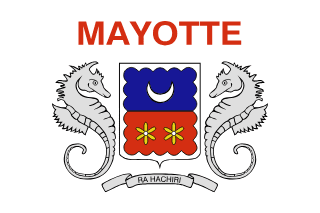
Mayotte is a French overseas department located in the Indian Ocean, with a population of around 270,000 people. It is home to a unique species of lemur, not found anywhere else. Despite challenges related to economic inequality and political instability, Mayotte has a rich cultural heritage and a strong sense of community. Efforts to address these challenges are ongoing, with the French government working closely with local communities to promote economic growth and social cohesion.
What would you like to learn about in Mayotte?
Select a section to explore the country where nonprofits are creating positive change.
Mayotte is a French overseas department located in the Indian Ocean, with a population of around 270,000 people. It is home to a unique species of lemur, not found anywhere else. Despite challenges related to economic inequality and political instability, Mayotte has a rich cultural heritage and a strong sense of community. Efforts to address these challenges are ongoing, with the French government working closely with local communities to promote economic growth and social cohesion.
Causes in Mayotte
Environment
Mayotte, an overseas department and region of France located in the Indian Ocean, faces significant environmental challenges that impact its population and biodiversity. The unique ecosystem of Mayotte, with its rich marine life and diverse flora and fauna, is under threat due to factors such as deforestation, pollution, overfishing, and the impacts of climate change. Rising sea levels and coral bleaching are particularly concerning issues for this small island nation. These environmental threats not only endanger the livelihoods of the local population, who rely on fishing and agriculture, but also pose a risk to the delicate balance of the island's ecosystems. It is crucial for stakeholders to come together to address these challenges and implement sustainable measures to protect the environment of Mayotte for future generations.
Family
Family holds significant importance in the social fabric of Mayotte, a French overseas department located in the Indian Ocean. In this small island nation, family plays a central role in shaping individuals' identities and providing emotional support. Families in Mayotte are typically large and extended, with multiple generations living together or in close proximity. The concept of family extends beyond immediate relatives to include a wide network of aunts, uncles, cousins, and even close family friends. This strong sense of familial ties fosters a deep sense of belonging and community among the people of Mayotte. Additionally, families in Mayotte often rely on each other for financial support, childcare, and assistance during times of need. Overall, the emphasis on family in Mayotte serves as a cornerstone for social cohesion and support in this unique cultural context.
Human Rights
Mayotte, an overseas department and region of France located in the Indian Ocean, is a region facing challenges related to Human Rights. As a French territory, Mayotte is subject to French laws and regulations, which generally provide a strong framework for the protection of Human Rights. However, certain issues persist in Mayotte that impact the realization of these rights for its residents. The high levels of poverty and unemployment on the island contribute to societal challenges, including limited access to healthcare, education, and adequate housing. Additionally, there have been reports of discrimination and violence against marginalized groups, such as migrants and asylum seekers. Efforts are being made to address these issues through awareness campaigns, advocacy work, and policy changes to ensure that all individuals in Mayotte can fully enjoy their Human Rights.
Education
Mayotte, an overseas department and region of France located in the Indian Ocean, faces several socio-economic challenges, with education playing a crucial role in addressing these issues. The educational system in Mayotte is characterized by high dropout rates, limited access to quality education, and a shortage of trained teachers. These factors contribute to a cycle of poverty and inequality on the island. Improving education in Mayotte is essential for sustainable development and reducing social disparities. Investments in teacher training, infrastructure, and educational resources are needed to enhance the quality of education and provide better opportunities for the youth of Mayotte.
Source:
- "Mayotte." UNESCO Institute for Statistics. https://data.uis.unesco.org/.
Poverty
Mayotte, an overseas department of France located in the Indian Ocean, faces significant challenges related to poverty. Despite being one of the poorest regions within the European Union, Mayotte struggles with high levels of unemployment, limited access to education and healthcare, and inadequate infrastructure. Poverty rates are particularly high among the local population, with many living in overcrowded living conditions and lacking basic necessities. The impact of poverty in Mayotte is profound, leading to social inequalities, health disparities, and limited opportunities for economic advancement. Addressing poverty in Mayotte requires comprehensive strategies that focus on improving access to education, healthcare, and employment opportunities for all residents.
Religion
Mayotte, an overseas department and region of France located in the Indian Ocean, is a culturally diverse society where religion plays a significant role in the daily lives of its inhabitants. The predominant religion in Mayotte is Islam, with the majority of the population adhering to Sunni Islam. This religious affiliation has a profound influence on various aspects of society, including customs, traditions, and social norms. Mosques are central to community life, serving as places of worship, education, and social gatherings. The practice of fasting during Ramadan is widely observed, fostering a sense of unity and spirituality among the population. Religious beliefs also influence family dynamics, shaping values related to marriage, gender roles, and child-rearing practices. Overall, religion serves as a unifying force in Mayotte, providing a sense of identity and cohesion within the community.
Clean Water
Mayotte, an overseas department and region of France located in the Indian Ocean, faces significant challenges in ensuring access to clean water for its population. With a high population density and limited freshwater resources, Mayotte struggles to provide safe drinking water to all its residents. The lack of access to clean water not only affects public health but also hinders economic development and overall well-being. Waterborne diseases are prevalent due to poor sanitation and inadequate water treatment facilities. It is crucial for stakeholders to prioritize investments in infrastructure and sustainable water management practices to improve access to clean water in Mayotte and safeguard the health of its people.
Economy
Mayotte, an overseas department and region of France located in the Indian Ocean, faces economic challenges that significantly impact its residents. The economy of Mayotte heavily relies on agriculture, fishing, and remittances from the diaspora, with a high unemployment rate of around 25%. Limited access to education and healthcare services further exacerbates the economic struggles faced by the population. The lack of infrastructure and investment opportunities hinders economic growth, leading to a cycle of poverty and dependency. Addressing these economic issues is crucial for improving the quality of life for the people of Mayotte and fostering sustainable development in the region.
Government
Mayotte, an overseas department and region of France located in the Indian Ocean, faces various challenges that are influenced by its government. The French government plays a crucial role in shaping the social, economic, and political landscape of Mayotte. One significant impact is the issue of immigration, as the island's proximity to Comoros has led to a large influx of migrants seeking better opportunities. This has put pressure on resources and infrastructure, leading to tensions within the local population. Furthermore, limited access to healthcare and education services remains a concern, highlighting the need for effective governance and policy interventions to address these disparities. Additionally, environmental issues such as coastal erosion and waste management require government attention to ensure sustainable development and preservation of the island's natural resources.
Health
Mayotte, an overseas department and region of France located in the Indian Ocean, faces numerous health challenges that significantly impact its population. The island has a high prevalence of diseases such as malaria, dengue fever, and chikungunya due to its tropical climate and limited healthcare infrastructure. Inadequate access to clean water and sanitation facilities also contribute to health issues such as waterborne diseases. Furthermore, the population of Mayotte experiences high rates of non-communicable diseases like diabetes and hypertension. These health challenges are compounded by socio-economic factors such as poverty and limited access to healthcare services, which further exacerbate the health disparities in the region. Addressing these health issues in Mayotte requires a multi-faceted approach that includes improving healthcare infrastructure, increasing access to clean water and sanitation, and promoting public health education initiatives.
Children
Mayotte, a French overseas department located in the Indian Ocean, faces various challenges in ensuring the well-being of its children. The high poverty rate in the region, combined with limited access to quality education and healthcare services, has a significant impact on the lives of children in Mayotte. Malnutrition is a pressing issue, with approximately 30% of children under the age of five suffering from stunted growth due to inadequate nutrition. Additionally, child labor remains prevalent in certain sectors, depriving many children of their right to education and putting them at risk of exploitation. Addressing these issues requires concerted efforts from the government, non-governmental organizations, and the international community to ensure that all children in Mayotte have access to essential services and can thrive in a safe and nurturing environment.
Animals
Mayotte, an overseas department and region of France located in the Indian Ocean, is home to a diverse range of animal species. The island's unique biodiversity is under threat due to habitat loss, overfishing, and invasive species. Animals native to Mayotte, such as the green sea turtle and the Comoran coelacanth, are facing challenges to their survival. In addition, introduced animals like rats and cats have had a significant impact on local wildlife by preying on native species. Conservation efforts are crucial to protect the rich animal life of Mayotte and ensure the sustainability of its ecosystems for future generations.
Location
Nonprofits Working in Mayotte
Discover organizations making a difference in Mayotte
Make Your Impact Today
Discover causes you care about and support the nonprofits making a difference in communities around the world.
Are you a nonprofit? Join Project World Impact for free
Join Us Free