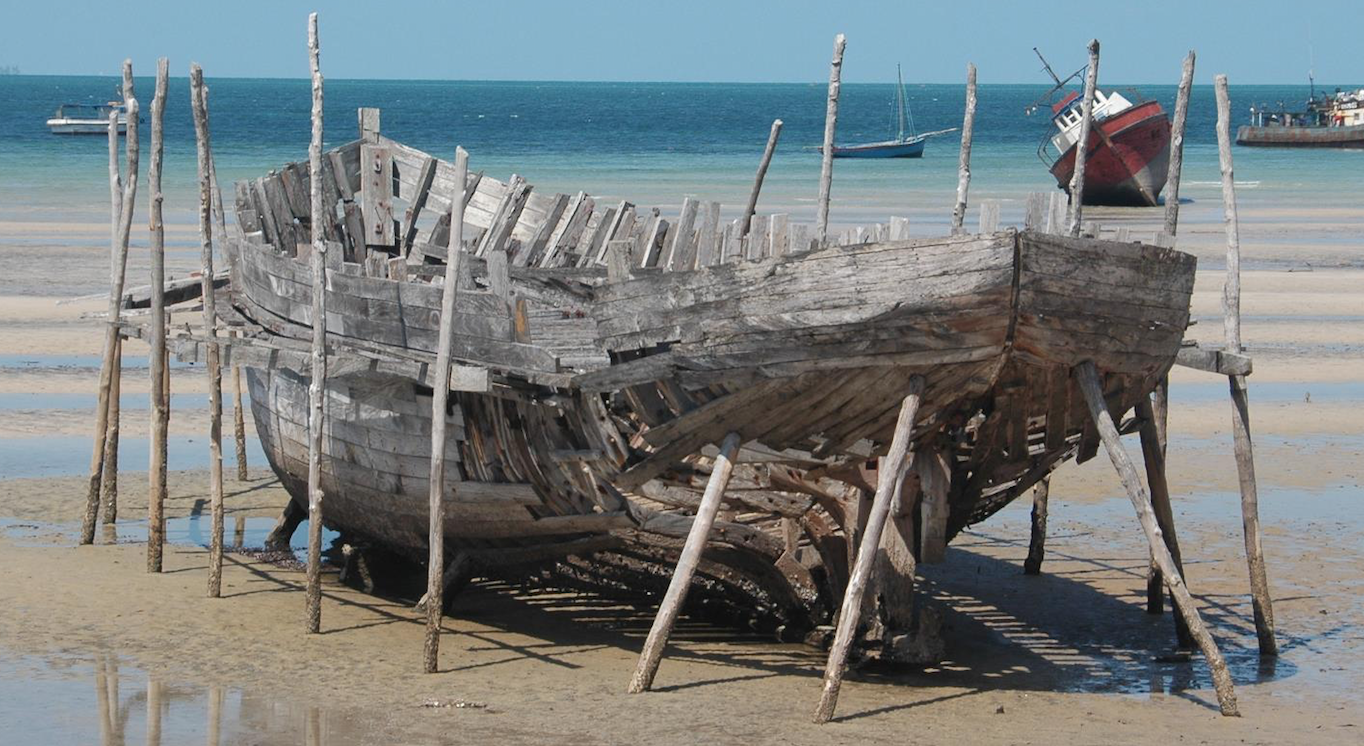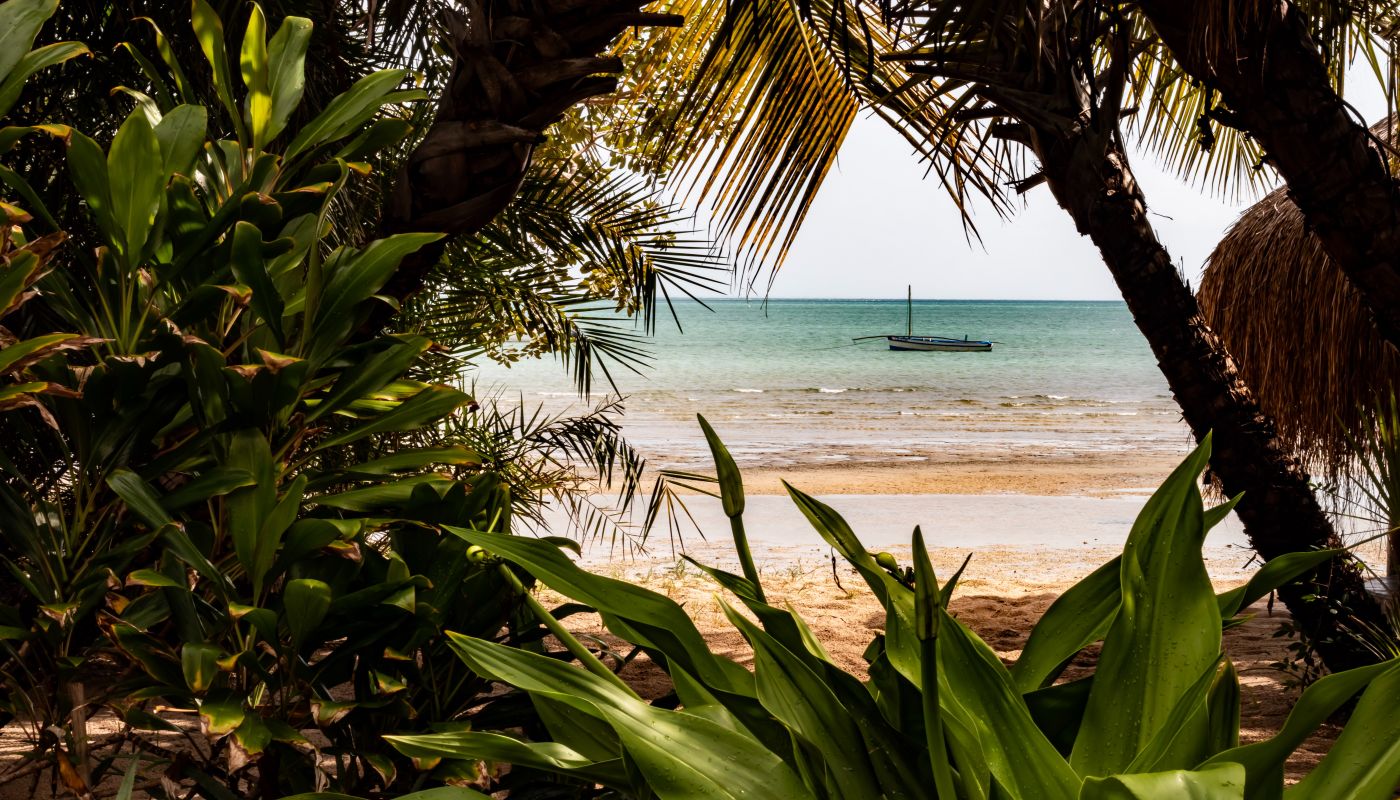
Landscape of Mozambique
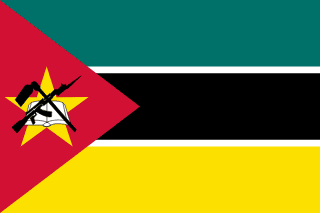
Flag of Mozambique

Mozambique

Africa

Mozambique is a beautiful country located on the southeast coast of Africa, known for its stunning beaches, wildlife, and vibrant culture. With a population of over 31 million people, Mozambique is a developing country that has made progress in areas such as healthcare, education, and infrastructure. The country's economy is based on agriculture, mining, and natural resources.

What would you like to learn about in Mozambique?

Select a section to explore the country where nonprofits are creating positive change.

About Mozambique

Almost five centuries as a Portuguese colony came to a close with independence in 1975. Large-scale emigration, economic dependence on South Africa, a severe drought, and a prolonged civil war hindered the country's development until the mid 1990s. The ruling Front for the Liberation of Mozambique (Frelimo) party formally abandoned Marxism in 1989, and a new constitution the following year provided for multiparty elections and a free market economy. A UN-negotiated peace agreement between Frelimo and rebel Mozambique National Resistance (Renamo) forces ended the fighting in 1992. In December 2004, Mozambique underwent a delicate transition as Joaquim CHISSANO stepped down after 18 years in office. His elected successor, Armando Emilio GUEBUZA, promised to continue the sound economic policies that have encouraged foreign investment. President GUEBUZA was reelected to a second term in October 2009. However, the elections were flawed by voter fraud, questionable disqualification of candidates, and Frelimo use of government resources during the campaign. As a result, Freedom House removed Mozambique from its list of electoral democracies.

Quick Facts

Population
24,096,669 (July 2013 est.)
Area
799,380 sq km
ISO Code
MZ
Continent
Africa
Government
republic
Active Causes
12
View all countries in Africa

Geography & Environment

Climate

tropical to subtropical

Terrain

mostly coastal lowlands, uplands in center, high plateaus in northwest, mountains in west

Natural Resources

coal, titanium, natural gas, hydropower, tantalum, graphite

Environmental Issues

a long civil war and recurrent drought in the hinterlands have resulted in increased migration of the population to urban and coastal areas with adverse environmental consequences; desertification; po...

People & Society

52.29 years
Avg. Life Expectancy
56.1%
Literacy Rate
31.2% of total population (2011)
Total Urban Population

Languages

Emakhuwa 25.3%, Portuguese (official) 10.7%, Xichangana 10.3%, Cisena 7.5%, Elomwe 7%, Echuwabo 5.1%, other Mozambican languages 30.1%, other 4% (1997...

Religions

Catholic 28.4%, Protestant 27.7% (Zionist Christian 15.5%, Evangelical Pentecostal 10.9%, Anglican 1.3%), Muslim 17.9%, other 7.2%, none 18.7% (1997 c...

Health Expenditure

5.2% of GDP (2010) of GDP

Education Expenditure

5% of GDP (2006) of GDP

Economy

$1,200
GDP per Capita (PPP)
17%
Unemployment Rate
52% (2009 est.)
Below Poverty Line

Economic Overview

At independence in 1975, Mozambique was one of the world's poorest countries. Socialist mismanagement and a brutal civil war from 1977-92 exacerbated the situation. In 1987, the government embarked on a series of macroeconomic reforms designed to stabilize the economy. These steps, combined with donor assistance and with political stability since the multi-party elections in 1994, have led to dramatic improvements in the country's growth rate. Fiscal reforms, including the introduction of a value-added tax and reform of the customs service, have improved the government's revenue collection abi...

Causes in Mozambique

Environment

Mozambique, located in southeastern Africa, is a country highly vulnerable to environmental impacts due to its geographical location and climate conditions. The nation faces significant challenges such as cyclones, flooding, droughts, and deforestation, all of which have severe consequences on its population and economy. The effects of climate change exacerbate these issues, leading to food insecurity, displacement of communities, and destruction of infrastructure. Additionally, the country's reliance on agriculture makes it particularly susceptible to environmental changes, further endangering the livelihoods of its citizens. To address these pressing concerns, Mozambique must prioritize sustainable practices, disaster preparedness, and international cooperation to mitigate the adverse effects of environmental degradation.

Family

In Mozambique, a country located in southeastern Africa, family plays a crucial role in shaping the social fabric and providing support to individuals. The concept of family extends beyond just immediate relatives to include extended family members and even close friends who are considered part of one's kinship network. Families in Mozambique are often large and interconnected, with strong bonds and a sense of collective responsibility towards each other. Family gatherings and celebrations are important occasions that reinforce these connections and foster a sense of belonging and identity within the community. However, the traditional family structure in Mozambique has been impacted by various factors such as urbanization, modernization, and economic challenges, leading to changes in family dynamics and roles. Despite these changes, the importance of family in Mozambican society remains significant in providing emotional support, social stability, and a sense of security for its members.

Human Rights

Mozambique, a country situated in southeastern Africa, faces various challenges in upholding human rights within its borders. Despite constitutional protections and international commitments, systemic issues such as corruption, political instability, and armed conflict have contributed to human rights violations in the country. Discrimination against minorities, gender-based violence, and limited access to healthcare and education remain prevalent issues affecting Mozambican citizens. Additionally, the impact of climate change has exacerbated existing vulnerabilities, particularly in rural communities dependent on agriculture. Efforts to address these challenges are underway through local and international partnerships aimed at promoting human rights awareness and advocating for policy reforms to protect the rights of all individuals in Mozambique.

Education

Mozambique, a country in southeastern Africa, faces numerous challenges in its education sector that significantly impact its development and prosperity. With a history of colonial rule and civil conflict, Mozambique's education system has struggled to provide quality and equitable education to all its citizens. Insufficient infrastructure, lack of trained teachers, high dropout rates, and limited access to educational resources are some of the key issues hindering the country's educational progress. Furthermore, socio-economic disparities and cultural norms contribute to persistent barriers to education, particularly for girls and children from marginalized communities. Addressing these challenges and investing in education is crucial for Mozambique's sustainable growth and poverty alleviation efforts.

Poverty

Mozambique, a country in southeastern Africa, grapples with poverty as a significant challenge that impacts its population profoundly. With more than half of the population living below the poverty line, access to basic necessities such as healthcare, education, and clean water remains a struggle for many Mozambicans. Poverty in Mozambique is exacerbated by a history of political instability, natural disasters like cyclones and droughts, and limited economic opportunities. The lack of infrastructure and social services further compound the issue, leaving a large portion of the population vulnerable and without adequate support systems to improve their living conditions. Addressing poverty in Mozambique requires comprehensive strategies that focus on sustainable economic development, social welfare programs, and investment in education and healthcare infrastructure to uplift the most marginalized communities in the country.

Religion

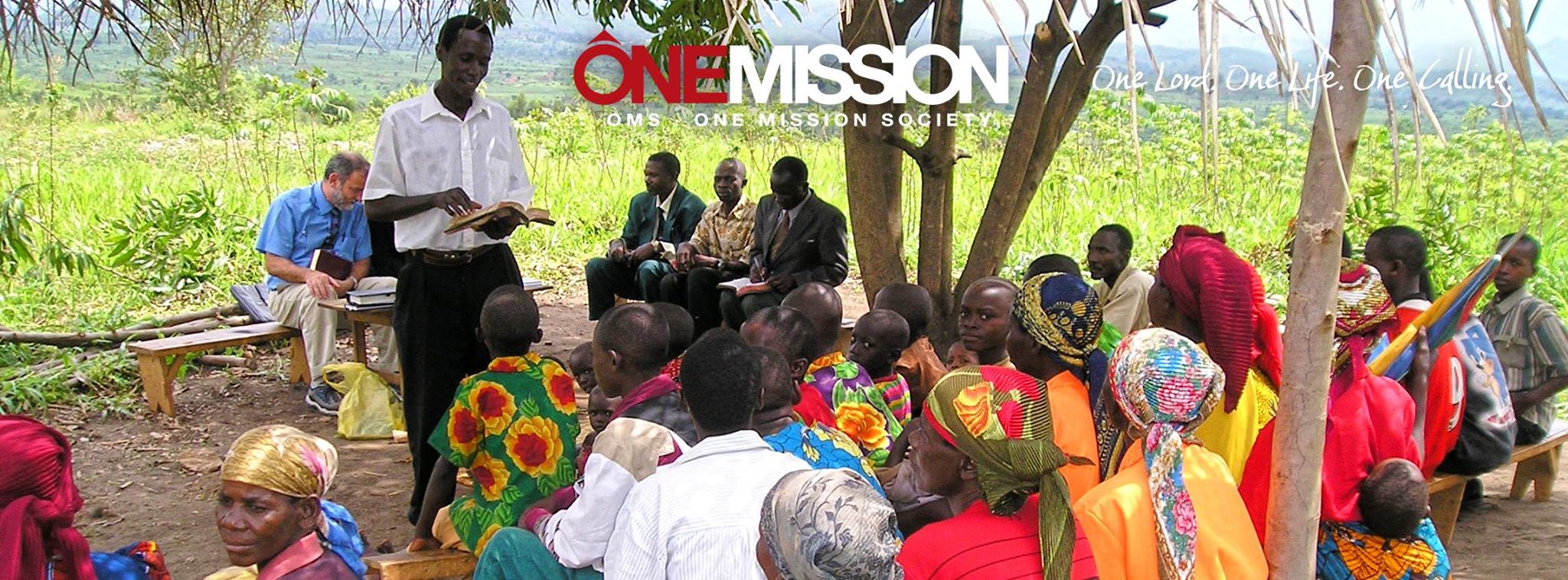
In Mozambique, religion plays a significant role in shaping the cultural and social fabric of the country. The majority of the population practices Christianity, with Roman Catholicism and various Protestant denominations being the most prevalent. Islam is also practiced by a notable minority, particularly in the northern regions. Religion in Mozambique influences various aspects of daily life, including education, healthcare, and social norms. Churches and mosques often serve as community centers, providing support and resources to local residents. While religious diversity adds richness to Mozambican society, it can also lead to tensions and conflicts, particularly in regions where different religious groups coexist. Understanding the role of religion in Mozambique is essential for promoting interfaith dialogue and fostering peaceful coexistence among its diverse population.

Clean Water

Mozambique, a country in southeastern Africa, faces significant challenges in accessing clean water. With a population of over 30 million people, a substantial portion of the population lacks access to safe drinking water, leading to widespread health issues. The lack of clean water sources in Mozambique contributes to the prevalence of waterborne diseases such as cholera and typhoid fever, which pose a serious threat to public health. Additionally, the scarcity of clean water hinders agricultural productivity and perpetuates cycles of poverty in rural communities. Addressing the issue of clean water accessibility in Mozambique is crucial for improving public health outcomes and fostering sustainable development in the country.

Economy

Mozambique, a country located in southeastern Africa, faces a complex economic landscape that significantly impacts its population. The economy of Mozambique heavily relies on agriculture, mining, and energy sectors, with agriculture employing a majority of the population. However, the country struggles with periodic natural disasters such as cyclones and floods, which often devastate agricultural production, leading to food insecurity and economic instability. Furthermore, Mozambique has been grappling with high levels of external debt, which limits its ability to invest in critical sectors like healthcare and education. The economic challenges in Mozambique have direct implications on the well-being of its citizens, exacerbating poverty and inequality within the country.

Government

Mozambique, a country located in southeastern Africa, faces numerous challenges that are profoundly influenced by its government. The Government of Mozambique plays a significant role in shaping the nation's economic, social, and political landscape. However, issues such as corruption, inefficiency, and lack of accountability within the government have hindered the country's development efforts. These challenges have had a detrimental impact on various sectors, including healthcare, education, and infrastructure. Furthermore, Mozambique has also been grappling with natural disasters, such as cyclones and droughts, which have exacerbated existing problems and placed additional strain on the government's resources. It is crucial for the Government of Mozambique to address these issues effectively to improve the well-being of its citizens and foster sustainable development in the country.

Health

Mozambique, a country located in southeastern Africa, faces numerous health-related challenges that significantly impact its population. With a high prevalence of infectious diseases such as malaria, HIV/AIDS, and tuberculosis, Mozambique struggles to provide adequate healthcare services to its citizens. Limited access to clean water and sanitation infrastructure further exacerbates the health crisis, leading to high rates of preventable illnesses and mortality. Additionally, malnutrition and food insecurity remain pressing issues in many parts of the country, affecting the overall well-being of the population. Addressing these health concerns in Mozambique requires significant investment in healthcare infrastructure, resources, and education to improve the quality of life for its residents.

Children

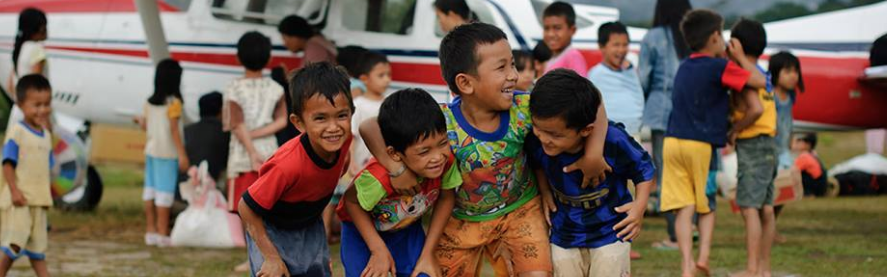
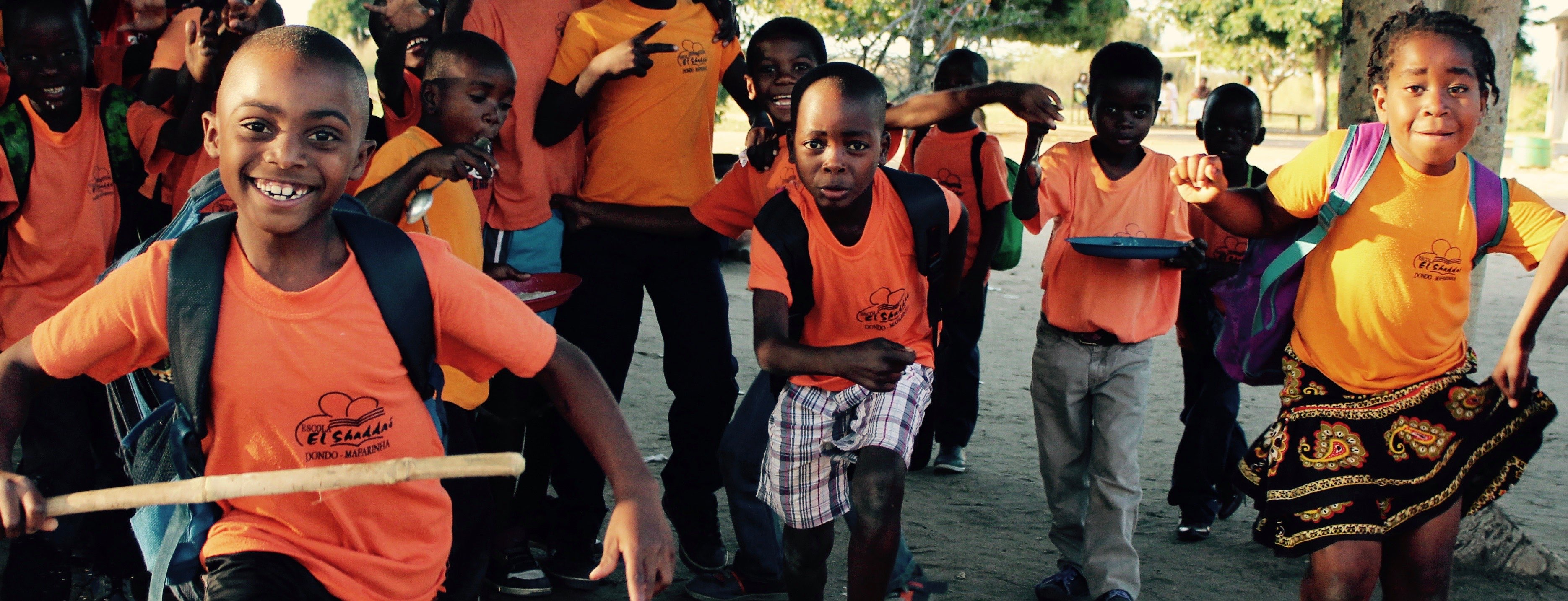
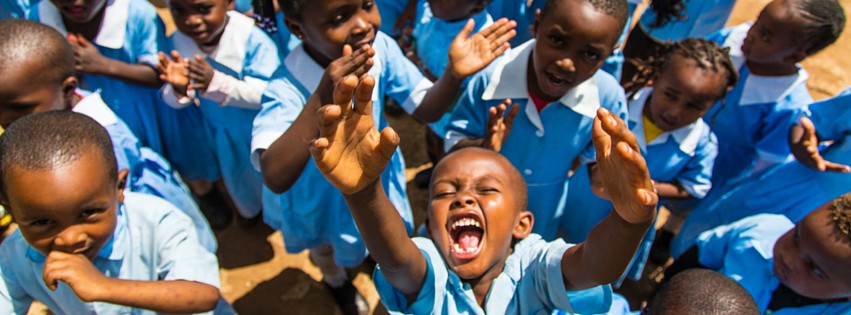
In Mozambique, a country in southeastern Africa, children face numerous challenges that impact their well-being and future prospects. Factors such as poverty, limited access to education, healthcare, and clean water, as well as high rates of child marriage and child labor, all contribute to the difficult circumstances many Mozambican children endure. Poverty remains a significant issue, with nearly half of the population living below the national poverty line. This dire situation often leads to children being deprived of basic necessities and opportunities for growth and development. Limited access to education further exacerbates the problem, with many children unable to attend school due to financial constraints or lack of schools in their communities. Additionally, child marriage and child labor are prevalent in Mozambique, robbing many children of their childhoods and exposing them to exploitation and abuse. Addressing these challenges is crucial to improving the well-being of Mozambican children and ensuring a brighter future for the country as a whole.

Animals

Mozambique, located in Southeastern Africa, boasts a rich biodiversity with a variety of animals inhabiting its diverse landscapes. The country's wildlife plays a crucial role in its ecosystem, contributing to its overall ecological balance and sustainability. However, Mozambique faces numerous challenges that threaten its animals, such as poaching, habitat destruction, and climate change. These factors have led to a decline in animal populations, including iconic species like elephants, lions, and rhinos. Conservation efforts are underway in Mozambique to protect and preserve its wildlife, but more support and resources are needed to ensure the long-term survival of these species and the ecosystems they inhabit.

Nonprofits Working in Mozambique

Discover organizations making a difference in Mozambique

Make Your Impact Today

Discover causes you care about and support the nonprofits making a difference in communities around the world.

Are you a nonprofit? Join Project World Impact for free

Join Us Free