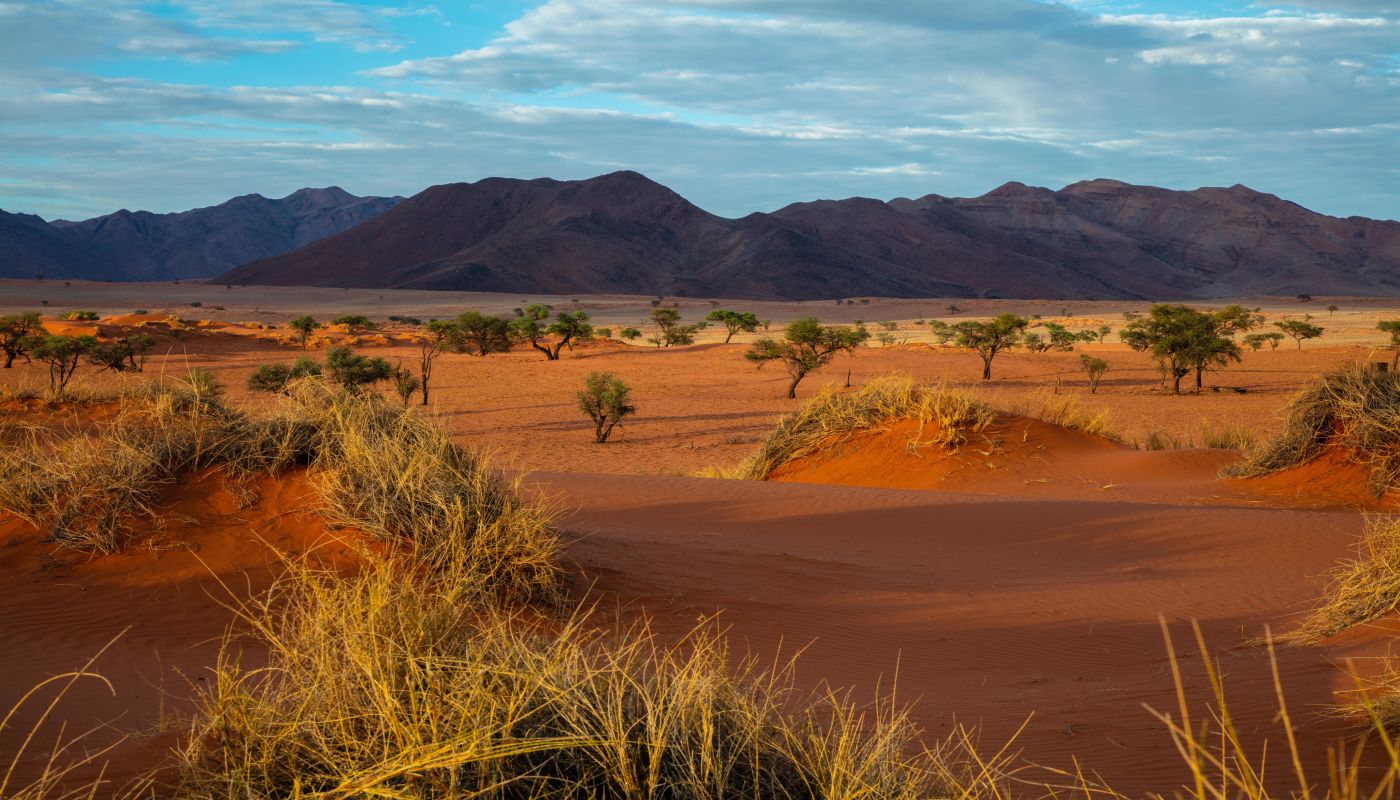
Landscape of Namibia
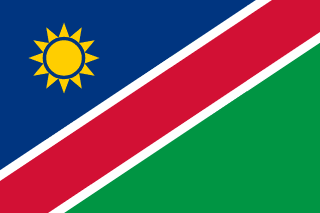
Flag of Namibia

Namibia

Africa

Namibia is a beautiful country located on the southwest coast of Africa, known for its stunning desert landscapes, wildlife, and vibrant culture. With a population of just over 2.5 million people, Namibia is a developing country that has made progress in areas such as healthcare, education, and infrastructure. The country's economy is based on mining, tourism, and agriculture.

What would you like to learn about in Namibia?

Select a section to explore the country where nonprofits are creating positive change.

About Namibia

South Africa occupied the German colony of South-West Africa during World War I and administered it as a mandate until after World War II, when it annexed the territory. In 1966 the Marxist South-West Africa People's Organization (SWAPO) guerrilla group launched a war of independence for the area that became Namibia, but it was not until 1988 that South Africa agreed to end its administration in accordance with a UN peace plan for the entire region. Namibia has been governed by SWAPO since the country won independence in 1990. Hifikepunye POHAMBA was elected president in November 2004 in a landslide victory replacing Sam NUJOMA who led the country during its first 14 years of self rule. POHAMBA was reelected in November 2009.

Quick Facts

Population
2,182,852 (July 2013 est.)
Area
824,292 sq km
ISO Code
NA
Continent
Africa
Government
republic
Active Causes
12
View all countries in Africa

Geography & Environment

Climate

desert; hot, dry; rainfall sparse and erratic

Terrain

mostly high plateau; Namib Desert along coast; Kalahari Desert in east

Natural Resources

diamonds, copper, uranium, gold, silver, lead, tin, lithium, cadmium, tungsten, zinc, salt, hydropower, fish

Environmental Issues

limited natural freshwater resources; desertification; wildlife poaching; land degradation has led to few conservation areas

People & Society

52.03 years
Avg. Life Expectancy
88.8%
Literacy Rate
38.4% of total population (2011)
Total Urban Population

Languages

English (official) 7%, Afrikaans (common language of most of the population and about 60% of the white population), German 32%, indigenous languages (...

Religions

Christian 80% to 90% (at least 50% Lutheran), indigenous beliefs 10% to 20%

Health Expenditure

6.8% of GDP (2010) of GDP

Education Expenditure

8.3% of GDP (2010) of GDP

Economy

$7,900
GDP per Capita (PPP)
51.2%
Unemployment Rate
55.8%
Below Poverty Line

Economic Overview

The economy is heavily dependent on the extraction and processing of minerals for export. Mining accounts for 8% of GDP, but provides more than 50% of foreign exchange earnings. Rich alluvial diamond deposits make Namibia a primary source for gem-quality diamonds. Marine diamond mining is becoming increasingly important as the terrestrial diamond supply has dwindled. Namibia is the world's fourth-largest producer of uranium. It also produces large quantities of zinc and is a small producer of gold and other minerals. The mining sector employs only about 3% of the population. Namibia normally i...

Causes in Namibia

Environment

Namibia, located in southern Africa, faces various environmental challenges that significantly impact its people and ecosystems. The country's arid climate and limited water resources make it particularly vulnerable to climate change, leading to droughts and desertification. These environmental factors contribute to food and water shortages, affecting the livelihoods of many Namibians, especially those in rural areas who rely on agriculture for sustenance. Additionally, deforestation, overgrazing, and mining activities further exacerbate environmental degradation in Namibia, threatening biodiversity and soil quality. It is crucial for the government and local communities to prioritize sustainable land management practices and conservation efforts to mitigate the adverse effects of environmental degradation on Namibia's ecosystems and population.

Family

In Namibia, family plays a central role in shaping individuals' identities and wellbeing. The concept of family extends beyond the nuclear unit to include extended family members who often provide social, emotional, and financial support. The strong emphasis on kinship ties in Namibian society fosters a sense of belonging and solidarity among family members. Families in Namibia are known to uphold traditional values and practices, passing them down through generations. Moreover, family structures in Namibia often serve as a safety net, particularly in rural areas where access to formal social services may be limited. However, it is important to note that changing societal dynamics, such as urbanization and modernization, are influencing family dynamics in Namibia, leading to shifts in traditional roles and relationships within families.

Human Rights

Namibia, located in southwestern Africa, has made significant strides in upholding human rights since gaining independence in 1990. The country's constitution guarantees fundamental rights such as equality, freedom of expression, and the right to a fair trial. However, challenges persist, particularly in addressing gender-based violence and discrimination against marginalized groups such as the San people. The government has taken steps to address these issues through legislation and awareness campaigns, yet more efforts are needed to ensure full protection of human rights for all Namibians. International organizations like Amnesty International continue to monitor and advocate for human rights in Namibia, highlighting the importance of ongoing scrutiny and improvement in this vital area.

Education

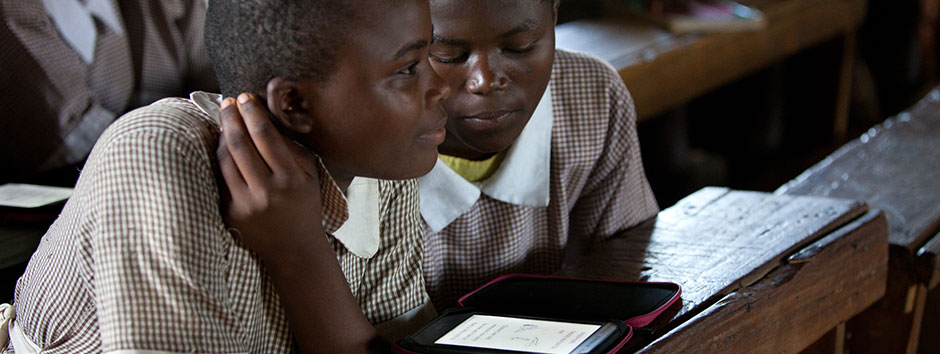
Namibia, located in southern Africa, faces significant challenges in its education system. Despite efforts to improve access and quality, the country still grapples with high dropout rates, inadequate infrastructure, and a shortage of qualified teachers. The impact of these issues is profound, as education plays a crucial role in shaping the future of Namibia's youth and driving economic development. Without a strong educational foundation, individuals are limited in their opportunities for personal growth and socioeconomic advancement. It is essential for stakeholders to address these challenges and invest in education to empower Namibians and contribute to the overall progress of the nation.

Poverty

Namibia, a country located in southern Africa, faces significant challenges with poverty. Approximately one-third of Namibia's population lives below the national poverty line, with rural areas being particularly affected. The root causes of poverty in Namibia include high unemployment rates, disparities in income distribution, limited access to basic services such as healthcare and education, and the legacy of colonialism. Poverty in Namibia has a profound impact on individuals and communities, leading to food insecurity, inadequate housing, limited educational opportunities, and poor health outcomes. Addressing poverty in Namibia requires comprehensive strategies that focus on economic development, social welfare programs, and equitable access to resources.

Religion

Namibia is a country in southern Africa, known for its diverse ethnic groups and cultures. Religion plays a significant role in Namibian society, with Christianity being the predominant faith practiced by a majority of the population. The impact of religion in Namibia is evident in various aspects of life, including social norms, cultural practices, and political discourse. Churches and religious institutions often serve as centers of community life, providing support and guidance to their members. Additionally, religious beliefs influence attitudes towards issues such as morality, family values, and social justice. While Christianity is the dominant religion in Namibia, other faiths such as indigenous African religions and Islam also have a presence in the country, contributing to its rich tapestry of religious diversity.

Clean Water

Namibia, a country located in southern Africa, faces significant challenges regarding access to clean water. With a semi-arid climate and limited freshwater resources, Namibia's population often struggles to secure safe and reliable drinking water. The scarcity of clean water not only poses health risks but also hinders agricultural productivity and economic development in the region. In rural areas, communities are particularly vulnerable to waterborne diseases due to contaminated water sources. Addressing the issue of clean water availability in Namibia requires sustainable solutions such as improved infrastructure, efficient water management practices, and community empowerment initiatives.

Economy

Namibia, located in southern Africa, is a country that faces various challenges due to its economy. The nation's economy heavily relies on mining, agriculture, and tourism, with significant income disparities and high unemployment rates. Limited access to education and healthcare services further exacerbate the economic struggles faced by many Namibians. The impact of these economic challenges can be seen in the country's high poverty rates and inadequate infrastructure development. Addressing these economic issues is crucial for sustainable development and improved living standards for the people of Namibia. (Source: CIA World Factbook)

Government

Namibia, a country located in Southern Africa, has a government system that significantly impacts its citizens. The government of Namibia is a unitary dominant-party presidential constitutional republic, with the President serving as both the head of state and the head of government. The government plays a crucial role in various aspects of Namibian society, including economic policies, social programs, healthcare, education, and infrastructure development. However, challenges such as corruption, income inequality, and access to basic services persist, impacting the well-being of many Namibians. By understanding how the government operates and its influence on the country's development, it becomes clear that effective governance is essential for addressing these challenges and improving the lives of Namibian citizens.

Health

Namibia, located in Southern Africa, faces significant health challenges that impact its population. The country struggles with high rates of infectious diseases such as HIV/AIDS, tuberculosis, and malaria, which contribute to a significant burden on its healthcare system. Limited access to healthcare services, especially in rural areas, further exacerbates these issues. The lack of adequate sanitation and clean drinking water also poses a threat to public health in Namibia. Additionally, malnutrition remains a pervasive issue, particularly among children under the age of five. Addressing these health concerns is crucial to improving the overall well-being of Namibia's population and achieving sustainable development in the country.

Children

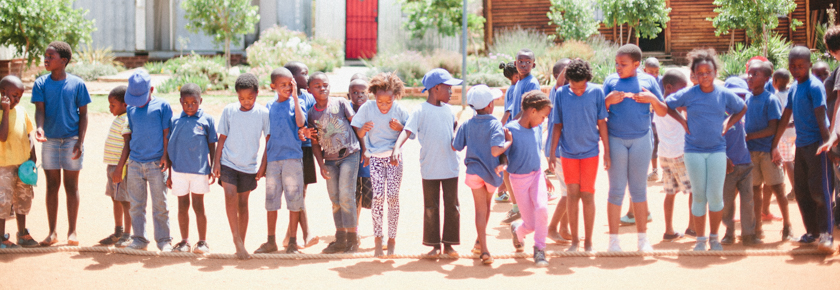
Namibia, a country located in southern Africa, faces numerous challenges in ensuring the well-being of its children. High poverty rates, limited access to healthcare and education, as well as the impact of HIV/AIDS, have a significant effect on the lives of children in Namibia. According to UNICEF, around 41% of children under the age of 5 suffer from stunting due to malnutrition, and only 64% of children complete primary school education. Additionally, the prevalence of HIV/AIDS in Namibia has left many children orphaned or vulnerable, further exacerbating their living conditions. Addressing these issues requires a concerted effort from the government, NGOs, and the international community to ensure that every child in Namibia has access to essential services and a chance for a better future.

Animals

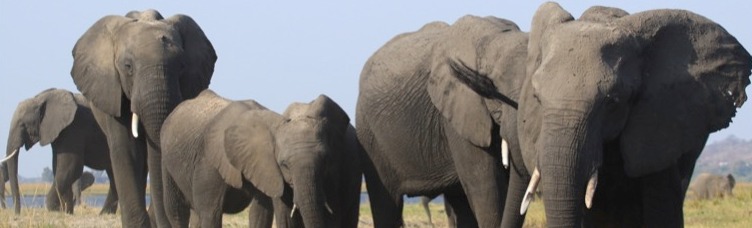
Namibia, located in southern Africa, boasts a rich biodiversity with a variety of wildlife species that play a significant role in the country's ecosystem and economy. Animals in Namibia, such as elephants, rhinos, lions, and zebras, contribute to the thriving tourism industry, attracting visitors from around the world to experience the beauty of these creatures in their natural habitats. However, despite their importance, these animals face numerous threats, including habitat loss, poaching, and human-wildlife conflict. Conservation efforts are crucial to protect Namibia's wildlife and ensure their continued existence for future generations to appreciate and benefit from.

Nonprofits Working in Namibia

Discover organizations making a difference in Namibia

Make Your Impact Today

Discover causes you care about and support the nonprofits making a difference in communities around the world.

Are you a nonprofit? Join Project World Impact for free

Join Us Free