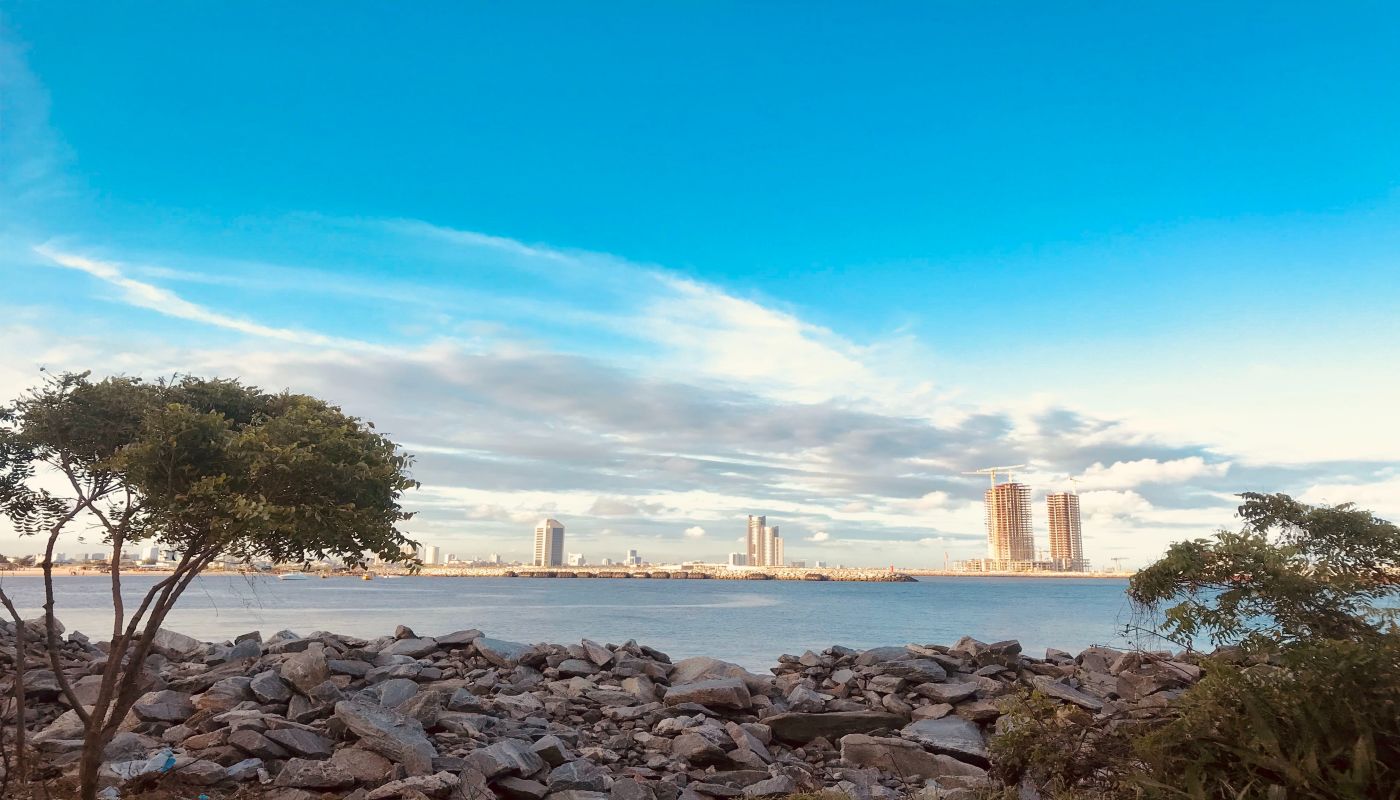
Landscape of Nigeria
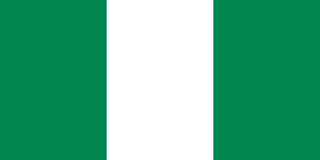
Flag of Nigeria

Nigeria

Africa

Nigeria is a culturally rich country located in West Africa, known for its music, art, and vibrant cities. With a population of over 206 million people, Nigeria is the most populous country in Africa and one of the fastest-growing economies in the world. However, Nigeria faces numerous challenges, including poverty, corruption, and insecurity. The country has also faced significant environmental challenges, including oil pollution in the Niger Delta.

What would you like to learn about in Nigeria?

Select a section to explore the country where nonprofits are creating positive change.

About Nigeria

British influence and control over what would become Nigeria and Africa's most populous country grew through the 19th century. A series of constitutions after World War II granted Nigeria greater autonomy; independence came in 1960. Following nearly 16 years of military rule, a new constitution was adopted in 1999, and a peaceful transition to civilian government was completed. The government continues to face the daunting task of reforming a petroleum-based economy, whose revenues have been squandered through corruption and mismanagement, and institutionalizing democracy. In addition, Nigeria continues to experience longstanding ethnic and religious tensions. Although both the 2003 and 2007 presidential elections were marred by significant irregularities and violence, Nigeria is currently experiencing its longest period of civilian rule since independence. The general elections of April 2007 marked the first civilian-to-civilian transfer of power in the country's history.

Quick Facts

Population
174,507,539 (July 2013 est.)
Area
923,768 sq km
ISO Code
NG
Continent
Africa
Government
federal republic
Active Causes
12
View all countries in Africa

Geography & Environment

Climate

varies; equatorial in south, tropical in center, arid in north

Terrain

southern lowlands merge into central hills and plateaus; mountains in southeast, plains in north

Natural Resources

natural gas, petroleum, tin, iron ore, coal, limestone, niobium, lead, zinc, arable land

Environmental Issues

soil degradation; rapid deforestation; urban air and water pollution; desertification; oil pollution - water, air, and soil; has suffered serious damage from oil spills; loss of arable land; rapid urb...

People & Society

52.46 years
Avg. Life Expectancy
61.3%
Literacy Rate
49.6% of total population (2011)
Total Urban Population

Languages

English (official), Hausa, Yoruba, Igbo (Ibo), Fulani, over 500 additional indigenous languages

Religions

Muslim 50%, Christian 40%, indigenous beliefs 10%

Health Expenditure

5.1% of GDP (2010) of GDP

Education Expenditure

NA of GDP

Economy

$2,800
GDP per Capita (PPP)
23.9%
Unemployment Rate
70% (2010 est.)
Below Poverty Line

Economic Overview

Oil-rich Nigeria has been hobbled by political instability, corruption, inadequate infrastructure, and poor macroeconomic management, but in 2008 began pursuing economic reforms. Nigeria's former military rulers failed to diversify the economy away from its overdependence on the capital-intensive oil sector, which provides 95% of foreign exchange earnings and about 80% of budgetary revenues. Following the signing of an IMF stand-by agreement in August 2000, Nigeria received a debt-restructuring deal from the Paris Club and a $1 billion credit from the IMF, both contingent on economic reforms....

Causes in Nigeria

Environment

Nigeria, the most populous country in Africa, faces a myriad of environmental challenges that significantly impact its population. The oil industry, which is a vital part of Nigeria's economy, has led to severe pollution of land, water, and air, causing health issues and damaging ecosystems. Deforestation and desertification are also pressing concerns, with large areas of forest being cleared for agriculture and urban development, leading to soil erosion and loss of biodiversity. Climate change further exacerbates these issues, resulting in more frequent droughts and floods that disrupt agriculture and increase food insecurity. These environmental challenges require urgent attention and sustainable solutions to safeguard the well-being of Nigeria's population and preserve its natural resources.

Family

In Nigeria, family plays a central role in shaping individuals and society as a whole. The concept of family extends beyond the nuclear unit to encompass extended family members, with strong emphasis placed on respect for elders, communal support, and shared responsibilities. Family ties in Nigeria are characterized by kinship, lineage, and interdependence, fostering a sense of belonging and identity. The family structure in Nigeria typically involves close-knit relationships that provide emotional, social, and financial support to its members. Moreover, families serve as the primary source of education, values transmission, and cultural preservation in Nigerian society. However, challenges such as poverty, rapid urbanization, and modernization have led to changes in traditional family dynamics, impacting social cohesion and welfare outcomes.

Human Rights

Nigeria, a country located in West Africa, faces significant challenges in upholding human rights. Despite being a signatory to various international agreements and conventions aimed at protecting human rights, such as the Universal Declaration of Human Rights, Nigeria struggles with issues such as police brutality, extrajudicial killings, corruption, and lack of access to justice. The government's response to protests and dissent often involves suppression through violent means, leading to further violations of human rights. The impact of these violations is profound, with many Nigerians living in fear and experiencing a lack of basic freedoms. The need for comprehensive reforms in the legal and judicial systems is crucial to ensure the protection of human rights for all individuals in Nigeria.

Education

Education in Nigeria is a critical issue that significantly impacts the country's development and progress. Despite efforts to improve the education system, Nigeria faces challenges such as inadequate funding, lack of infrastructure, and a shortage of qualified teachers. The impact of these issues is evident in low literacy rates, high dropout rates, and limited access to quality education, particularly in rural areas. This lack of educational opportunities hinders social mobility and perpetuates cycles of poverty. Addressing these challenges is crucial for Nigeria to harness its human capital and drive economic growth and social development.

Poverty

Nigeria, as one of the most populous African countries, faces significant challenges due to widespread poverty. Poverty in Nigeria has a profound impact on its population, with approximately 40% of Nigerians living below the poverty line. The lack of access to basic necessities such as clean water, healthcare, education, and adequate housing exacerbates the cycle of poverty in the country. Limited economic opportunities, corruption, and political instability further contribute to the prevalence of poverty in Nigeria. The consequences of poverty are far-reaching, affecting the overall well-being and development of individuals and communities across the nation. It is imperative to address the root causes of poverty in Nigeria through sustainable strategies that promote economic growth, social equity, and inclusive development.

Religion

Religion plays a significant role in Nigeria, a country known for its religious diversity. With a population of over 200 million people, Nigeria is home to a wide range of religious beliefs, including Christianity, Islam, and traditional African religions. The influence of religion is deeply ingrained in the social, political, and cultural fabric of the nation. However, this religious diversity has also led to tensions and conflicts at times, especially between the Christian and Muslim communities. These divisions have been exploited by political leaders for their gain, further exacerbating religious tensions in the country. Despite these challenges, many Nigerians continue to practice their faith peacefully and contribute positively to their communities.

Clean Water

Clean water is a critical issue in Nigeria, a country facing significant challenges in ensuring access to safe drinking water for its population. With a population of over 200 million people, Nigeria struggles with inadequate infrastructure, pollution, and poor sanitation practices, leading to waterborne diseases and health issues. According to UNICEF, only 68% of Nigerians have access to basic water services, highlighting the urgent need for improved water supply and sanitation systems. Lack of clean water disproportionately affects vulnerable communities, including children, who are particularly susceptible to diseases caused by contaminated water sources. Addressing the issue of clean water in Nigeria requires concerted efforts from government agencies, non-governmental organizations, and the private sector to invest in sustainable solutions that promote better access to safe drinking water for all Nigerians.

Economy

Nigeria, a country in West Africa, faces numerous challenges related to its economy. The Nigerian economy is heavily reliant on oil exports, making it vulnerable to fluctuations in global oil prices. This overreliance has hindered the development of other sectors, leading to high levels of unemployment and poverty. Furthermore, corruption and mismanagement have plagued the country, diverting resources away from much-needed infrastructure and social services. These economic issues have had a profound impact on the lives of Nigerians, contributing to food insecurity, inadequate healthcare, and limited access to education. Addressing these challenges is crucial for Nigeria's sustainable development and the well-being of its citizens.

Government

Nigeria, a country in West Africa, is known for its diverse culture, abundant resources, and rich history. Despite these strengths, Nigeria faces challenges due to the significant impact of corruption and mismanagement within its government. The government's actions directly influence the country's economic stability, social development, and overall quality of life for its citizens. Issues such as lack of transparency, weak accountability mechanisms, and inadequate public services hinder Nigeria's progress and perpetuate inequalities among its population. Addressing these governance issues is crucial for Nigeria to achieve sustainable growth and improve the well-being of its people.

Health

Nigeria, the most populous country in Africa, faces numerous health challenges that significantly impact its population. With a healthcare system strained by limited resources and infrastructure, access to quality healthcare is a major concern for many Nigerians. The prevalence of infectious diseases such as malaria, tuberculosis, and HIV/AIDS remains high, contributing to high mortality rates. Additionally, non-communicable diseases like hypertension and diabetes are on the rise, further burdening the healthcare system. Poor sanitation and hygiene practices also pose a significant public health threat, leading to the spread of preventable diseases. Addressing these health issues is crucial to improving the overall well-being of Nigeria's population and achieving sustainable development goals.

Children

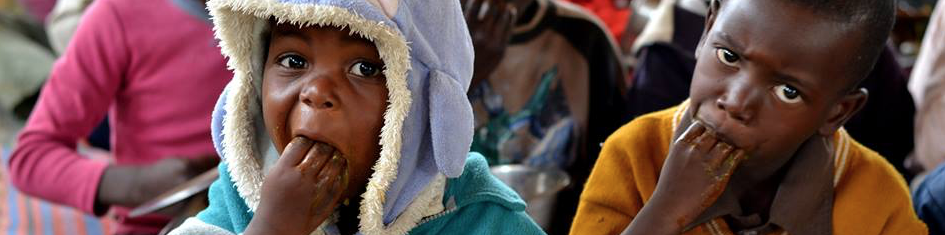
Nigeria, a country in West Africa, faces numerous challenges that impact its children. Children in Nigeria are particularly vulnerable to issues such as poverty, malnutrition, lack of access to education, and inadequate healthcare services. According to UNICEF, Nigeria has the highest number of out-of-school children in the world, with over 10 million children not attending school. This lack of education perpetuates the cycle of poverty and limits children's opportunities for a better future. Additionally, child labor remains a prevalent issue in Nigeria, with many children engaged in hazardous work conditions that compromise their health and well-being. The country also grapples with high rates of child mortality due to preventable diseases and poor healthcare infrastructure. Addressing these challenges is crucial to ensuring a better quality of life for Nigerian children and breaking the cycle of poverty in the country.

Animals

Nigeria, a country located in West Africa, is home to a rich diversity of wildlife, including elephants, lions, and chimpanzees. However, the rapid expansion of human populations and urbanization has led to habitat loss and fragmentation, posing a significant threat to these animals. Deforestation for agriculture and logging, as well as poaching for bushmeat and the illegal wildlife trade, are among the main causes of this decline in animal populations in Nigeria. Climate change also exacerbates the situation, leading to unpredictable weather patterns that further impact the habitats of these animals. Conservation efforts are crucial to protect Nigeria's unique biodiversity and ensure the survival of its wildlife for future generations.

Nonprofits Working in Nigeria

Discover organizations making a difference in Nigeria

GUTTMACHER INSTITUTE INC

GUTTMACHER INSTITUTE INC

Now in its fifth decade, the Guttmacher Institute remains committed to the mission and goals that led to its creation. The Guttmacher Institute was founded in 1968 as the Center for Family Planning Program Development. At the time, Presidents John F. Kennedy, Lyndon Johnson and Richard Nixon had begun to call the public's attention to the problem of unplanned and unwanted childbearing and its consequences for individual women and men, their children and their communities both at home and abroad. Concurrently, the United States Congress was taking its first steps toward the development of an international population assistance program, as well as a multifaceted, national program aimed at providing equitable access to modern methods of birth control in the United States. By integrating nonpartisan social science research, policy analysis and public education, the Center hoped to provide a factual basis for the development of sound governmental policies and for public consideration of the sensitive issues involved in the promotion of reproductive health and rights. This purpose and commitment continue today. The Center was originally housed within the corporate structure of Planned Parenthood Federation of America (PPFA). Its program, however, was independently developed and overseen by a National Advisory Council separate from the PPFA Board of Directors. Its early development was nurtured by Alan F. Guttmacher, an eminent obstetrician-gynecologist, teacher and writer who was PPFA's president for more than a decade until his death in 1974. The Center was renamed in Dr. Guttmacher's memory, and the Guttmacher Institute incorporated as an entirely independent nonprofit policy research institute with its own Board in 1977. The Guttmacher Institute maintains offices in New York and Washington. Its current staff of 81 comprises demographers, social scientists, public policy analysts, editors, writers, communications specialists, and financial and technical personnel. A few of its employees have been with the organization for most of its existence, and an affiliation that goes back 10 or 15 years is not unusual. The Institute's work is guided by a 39-member board made up of eminent professionals from a rich variety of disciplines, as well as civic leaders from across the United States and around the world. The Guttmacher Institute's annual budget of approximately $17 million is derived largely from private foundations, government agencies, multilateral organizations and individual contributions.

New York, New York

Make Your Impact Today

Discover causes you care about and support the nonprofits making a difference in communities around the world.

Are you a nonprofit? Join Project World Impact for free

Join Us Free