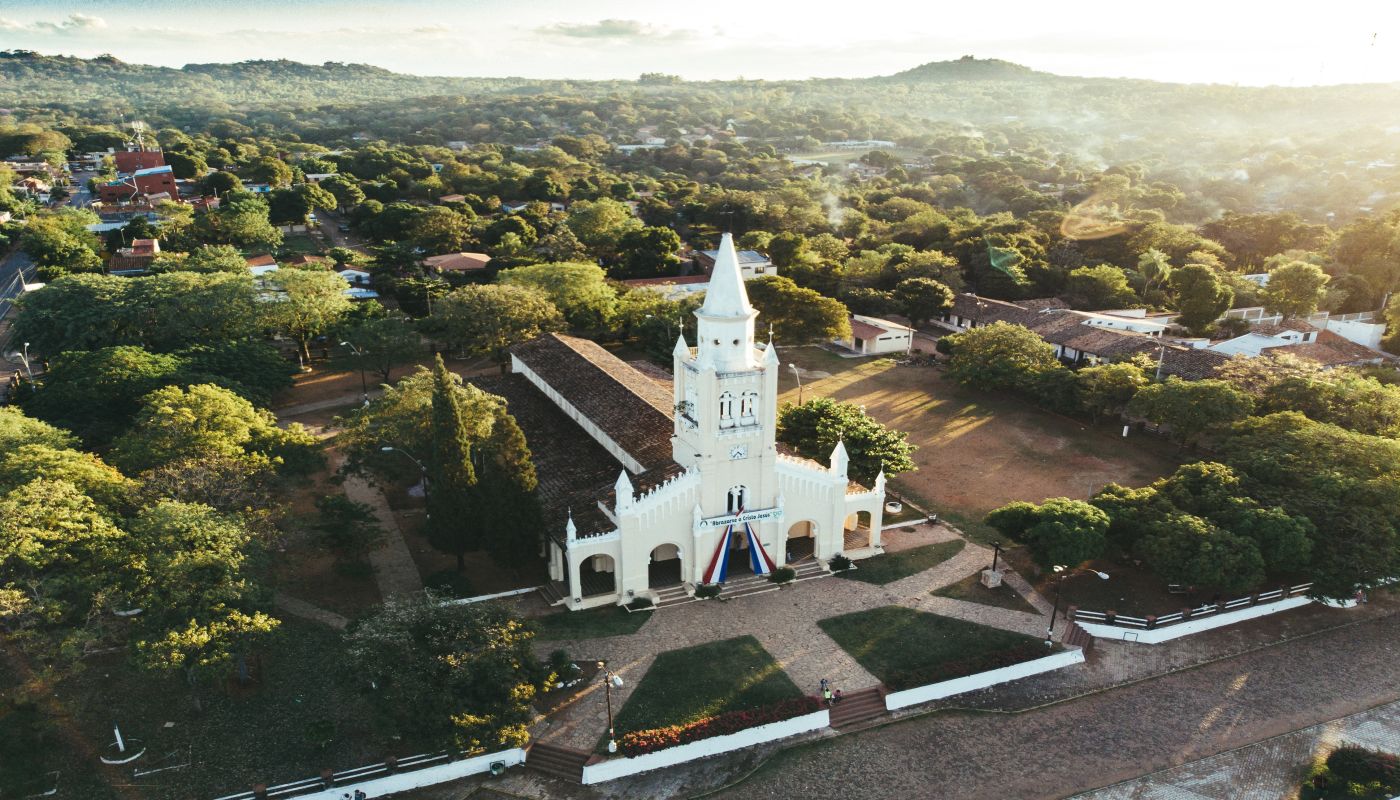
Landscape of Paraguay
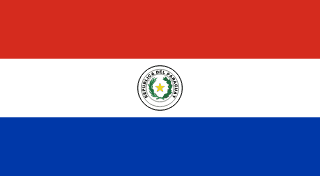
Flag of Paraguay

Paraguay

South America

Paraguay is a landlocked country located in South America with a population of approximately 7 million. The country is known for its rich cultural heritage, including traditional music and dance, as well as its diverse geography, including the Gran Chaco, a vast and arid region in the west. Paraguay is a developing country that has made progress in areas such as healthcare, education, and infrastructure. However, Paraguay faces challenges related to poverty, political instability, and corruption. The country's economy is heavily reliant on agriculture, but it is working to diversify into other sectors.

What would you like to learn about in Paraguay?

Select a section to explore the country where nonprofits are creating positive change.

About Paraguay

Paraguay achieved its independence from Spain in 1811. In the disastrous War of the Triple Alliance (1865-70) - between Paraguay and Argentina, Brazil, and Uruguay - Paraguay lost two-thirds of all its adult males and much of its territory. The country stagnated economically for the next half century. Following the Chaco War of 1932-35 with Bolivia, Paraguay gained a large part of the Chaco lowland region. The 35-year military dictatorship of Alfredo STROESSNER ended in 1989, and, despite a marked increase in political infighting in recent years, Paraguay has held relatively free and regular presidential elections since the country's return to democracy.

Quick Facts

Population
6,623,252 (July 2013 est.)
Area
406,752 sq km
ISO Code
PY
Continent
South America
Government
constitutional republic
Active Causes
12
View all countries in South America

Geography & Environment

Climate

subtropical to temperate; substantial rainfall in the eastern portions, becoming semiarid in the far west

Terrain

grassy plains and wooded hills east of Rio Paraguay; Gran Chaco region west of Rio Paraguay mostly low, marshy plain near the river, and dry forest and thorny scrub elsewhere

Natural Resources

hydropower, timber, iron ore, manganese, limestone

Environmental Issues

deforestation; water pollution; inadequate means for waste disposal pose health risks for many urban residents; loss of wetlands

People & Society

76.6 years
Avg. Life Expectancy
93.9%
Literacy Rate
61% of total population (2010)
Total Urban Population

Languages

Spanish (official), Guarani (official)

Religions

Roman Catholic 89.6%, Protestant 6.2%, other Christian 1.1%, other or unspecified 1.9%, none 1.1% (2002 census)

Health Expenditure

5.9% of GDP (2010) of GDP

Education Expenditure

4.1% of GDP (2010) of GDP

Economy

$6,200
GDP per Capita (PPP)
6.9%
Unemployment Rate
34.7% (2010 est.)
Below Poverty Line

Economic Overview

Landlocked Paraguay has a market economy distinguished by a large informal sector, featuring re-export of imported consumer goods to neighboring countries, as well as the activities of thousands of microenterprises and urban street vendors. A large percentage of the population, especially in rural areas, derives its living from agricultural activity, often on a subsistence basis. Because of the importance of the informal sector, accurate economic measures are difficult to obtain. On a per capita basis, real income has stagnated at 1980 levels. The economy grew rapidly between 2003 and 2008 as...

Causes in Paraguay

Environment

Paraguay, a landlocked country in South America, is significantly impacted by environmental issues that affect its population and natural resources. Deforestation, primarily driven by agricultural expansion and illegal logging, has led to the loss of crucial habitats and biodiversity in Paraguay. This has resulted in the displacement of indigenous communities and a decline in wildlife populations. Furthermore, water pollution from agricultural runoff and inadequate waste management practices pose a threat to the health of Paraguayans and the sustainability of their ecosystems. Climate change exacerbates these problems, with increasingly severe droughts and floods affecting the country's agriculture-dependent economy. Addressing these environmental challenges is crucial for Paraguay to safeguard its natural heritage and ensure the well-being of its citizens.

Family

In Paraguay, family plays a central role in shaping the social fabric and cultural identity of its society. The concept of family extends beyond immediate relatives to include extended family members, creating a strong sense of community and interconnectedness. Family gatherings are an integral part of Paraguayan life, providing opportunities for bonding, sharing traditions, and supporting one another through life's challenges. The emphasis on close-knit family ties influences various aspects of daily life, from decision-making processes to social relationships and economic activities. Moreover, the value placed on family unity fosters a sense of belonging and security among individuals, contributing to their overall well-being and resilience in the face of adversity. This cultural emphasis on family highlights the importance of nurturing and preserving these connections for the betterment of Paraguayan society as a whole.

Human Rights

Paraguay, a landlocked country in South America, has faced challenges in upholding human rights due to issues such as discrimination against indigenous communities, corruption within the government, and limited access to justice for its citizens. Indigenous groups in Paraguay often experience marginalization and lack of recognition of their land rights, leading to social and economic disparities. Additionally, corruption within the government has hindered efforts to address human rights violations effectively. The judiciary system in Paraguay faces challenges in providing fair and timely justice for all citizens, further exacerbating human rights issues in the country. As Paraguay continues to strive for social progress and development, addressing these human rights challenges is crucial for building a more inclusive and equitable society.

Education

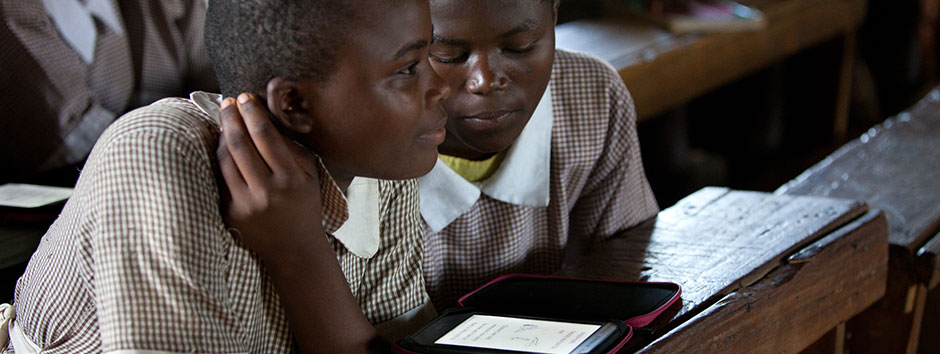
Paraguay, a landlocked country in South America, faces significant challenges in its education system that have lasting impacts on its population. With approximately 20% of its population living below the poverty line, access to quality education remains a pressing issue in the country. The lack of adequate resources, infrastructure, and trained teachers in many rural areas hinders educational opportunities for children, perpetuating cycles of poverty and inequality. This disparity in educational access not only limits individual potential but also stifles economic growth and social development at large. Addressing these systemic issues through targeted interventions and investments in education is crucial for Paraguay to break the cycle of poverty and ensure a brighter future for its citizens.

Poverty

Paraguay, a landlocked country in South America, faces significant challenges related to poverty. With a poverty rate of over 26%, a large segment of Paraguay's population grapples with limited access to basic necessities such as food, clean water, education, and healthcare. Poverty in Paraguay is often linked to rural areas where agricultural productivity is low, and employment opportunities are scarce. The lack of infrastructure and social services further exacerbates the situation, particularly affecting vulnerable groups like indigenous communities and children. This pervasive poverty hampers Paraguay's overall development and perpetuates a cycle of disadvantage for its citizens. Addressing poverty in Paraguay requires targeted interventions that focus on improving education, healthcare, and economic opportunities for all segments of society.

Religion

Religion holds significant influence in the societal fabric of Paraguay, a landlocked country in South America. With a predominantly Roman Catholic population, religion plays a vital role in shaping the cultural norms and values of the Paraguayan people. The Catholic Church has historically been deeply intertwined with the country's political and social spheres, influencing policies and societal attitudes. Beyond Catholicism, other religious beliefs such as Protestantism and indigenous spiritual practices also contribute to the diverse religious landscape of Paraguay. Religious festivals, ceremonies, and traditions are integral parts of the national identity and serve as platforms for community cohesion and expression of faith. Understanding the multifaceted impact of religion on Paraguayan society is crucial for appreciating the country's rich cultural heritage and fostering interfaith dialogue for social harmony.

Clean Water

Paraguay, a landlocked country in South America, faces significant challenges regarding access to clean water. With a population of approximately 7 million people, a considerable portion lacks access to safe drinking water and proper sanitation facilities. This scarcity of clean water has severe implications on public health, leading to waterborne diseases such as diarrhea and cholera. Moreover, inadequate water supply affects agricultural productivity and economic development in the country. Addressing this issue requires concerted efforts from both the government and non-governmental organizations to improve water infrastructure, promote water conservation practices, and ensure equitable distribution of clean water resources across the nation. By raising awareness of the importance of clean water and advocating for sustainable water management practices, Paraguay can work towards ensuring a healthier and more prosperous future for its citizens.

Economy

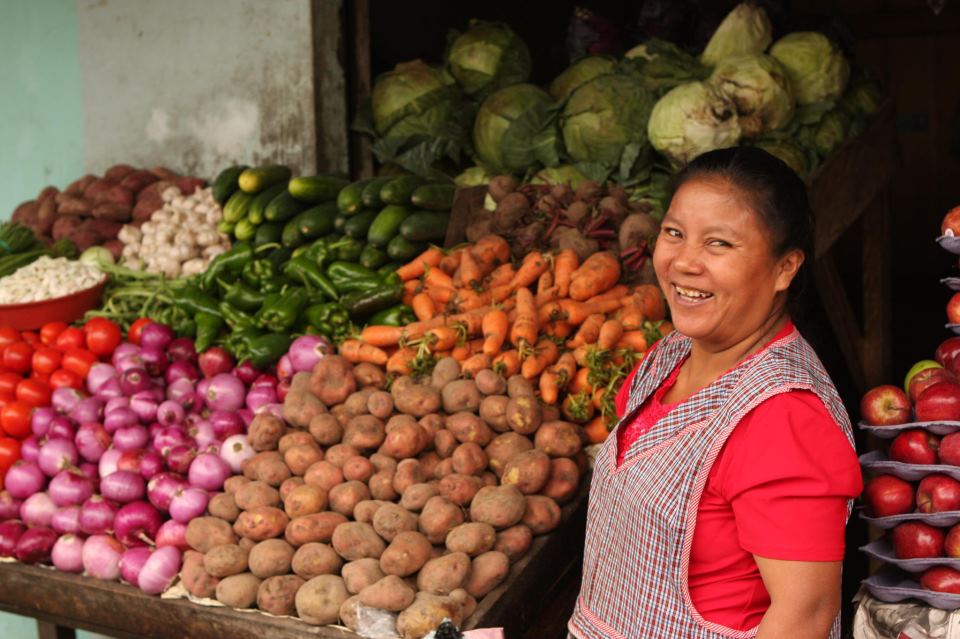
Paraguay is a landlocked country in South America with a developing economy that heavily relies on agriculture, particularly soybeans, beef, and wheat production. The economy of Paraguay is significantly impacted by external factors such as global market prices for these agricultural commodities. Furthermore, the country faces challenges related to income inequality, lack of infrastructure development, and limited access to quality education and healthcare services. These factors contribute to the overall economic struggles faced by many Paraguayans, leading to a significant portion of the population living below the poverty line. It is crucial to address these issues through sustainable economic policies and investments in key sectors to improve the living standards and well-being of the people of Paraguay.

Health

Paraguay, a landlocked country in South America, faces various health challenges that significantly impact its population. Limited access to healthcare services, particularly in rural areas, inadequate sanitation and clean water supply, and high rates of infectious diseases such as dengue fever and Chagas disease, contribute to the country's health issues. Malnutrition is also a pressing concern, with a considerable portion of the population suffering from food insecurity. Additionally, the prevalence of non-communicable diseases like diabetes and cardiovascular conditions is on the rise. Addressing these health issues in Paraguay requires comprehensive strategies focusing on improving healthcare infrastructure, increasing access to essential services, promoting health education, and tackling social determinants of health.

Children

Paraguay, a landlocked South American country, faces numerous challenges that impact its children. Poverty and limited access to education are significant issues affecting the well-being of Paraguayan children. According to UNICEF, around 1 in 3 children in Paraguay live in poverty, lacking access to basic necessities such as adequate nutrition, healthcare, and education. This situation leads to high rates of malnutrition and preventable diseases among Paraguayan children. Additionally, child labor is prevalent in the country, with many children forced to work in dangerous conditions instead of attending school. These factors contribute to a cycle of poverty and limit the future opportunities for Paraguay's youth. Raising awareness about these issues is crucial to advocating for the rights and well-being of children in Paraguay.

Government

Paraguay, a landlocked country in South America, faces a multitude of challenges that are significantly influenced by its government. The country struggles with issues such as poverty, corruption, inadequate infrastructure, and limited access to quality healthcare and education. The government plays a crucial role in addressing these challenges by implementing effective policies and programs to improve the living conditions of its citizens. However, political instability and entrenched corruption have hindered progress in these areas. The government's decisions, particularly in terms of resource allocation and governance, have a direct impact on the well-being of the Paraguayan people. It is essential for the government to prioritize transparency, accountability, and inclusive development strategies to address the systemic issues that continue to plague the nation.

Animals

Paraguay, a landlocked country in South America, boasts rich biodiversity that is home to a wide array of animals. The diverse ecosystems found in Paraguay, including the Atlantic Forest, the Chaco region, and the Pantanal wetlands, provide habitats for numerous species of animals. However, rampant deforestation, habitat destruction, and illegal wildlife trade pose significant threats to these animals. Deforestation for agriculture and urbanization has led to the loss of critical habitats for many species, pushing them to the brink of extinction. Additionally, the illegal wildlife trade has resulted in the exploitation and trafficking of animals for profit, further endangering their populations. Conservation efforts and sustainable practices are crucial in preserving Paraguay's unique wildlife and ensuring their long-term survival.

Nonprofits Working in Paraguay

Discover organizations making a difference in Paraguay

Make Your Impact Today

Discover causes you care about and support the nonprofits making a difference in communities around the world.

Are you a nonprofit? Join Project World Impact for free

Join Us Free