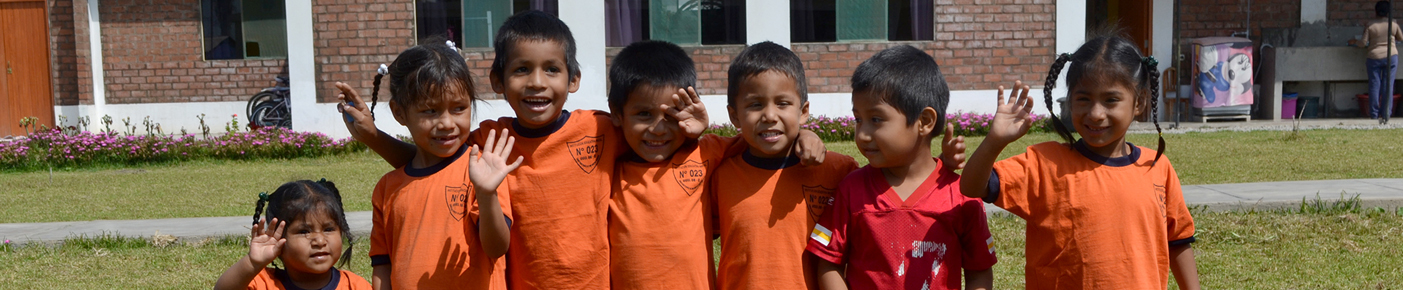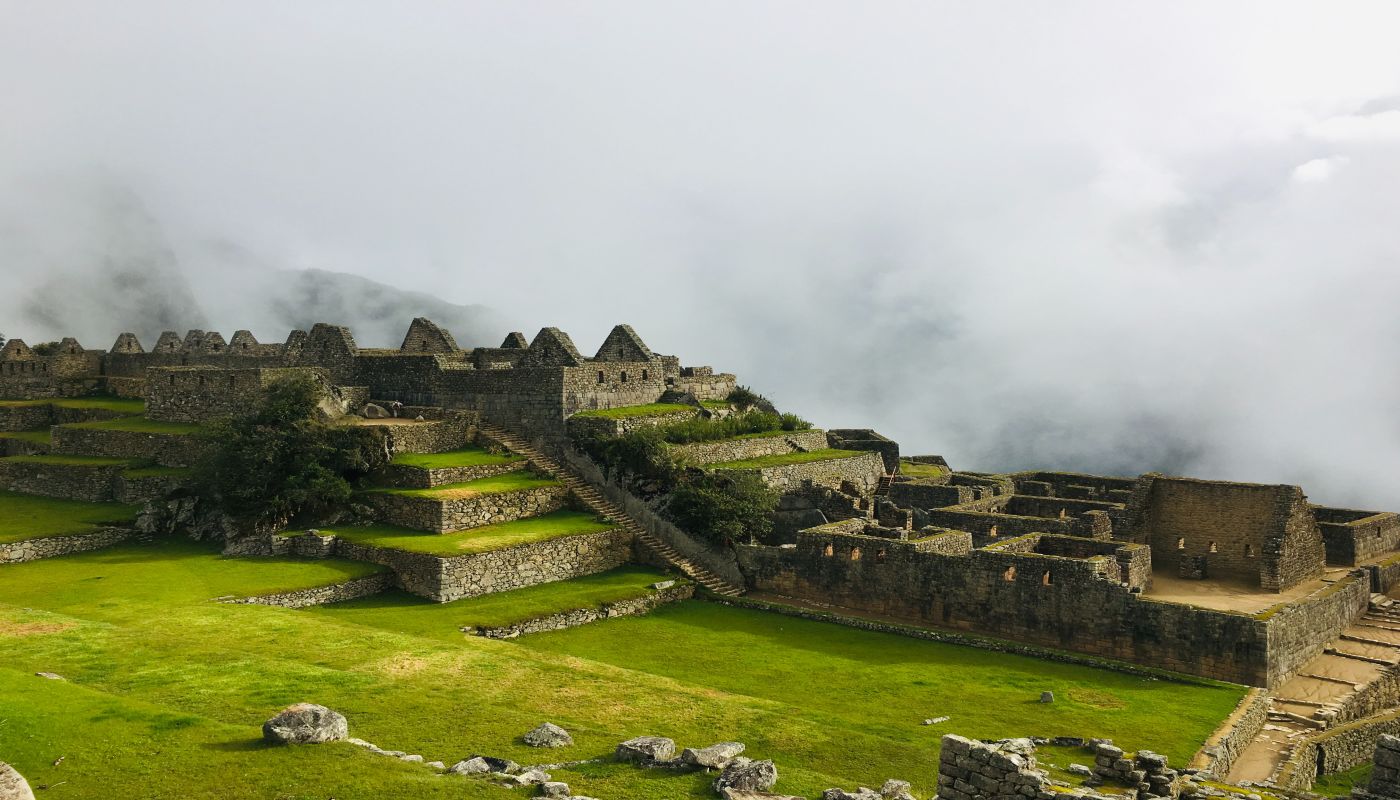
Landscape of Peru
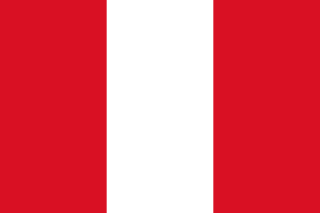
Flag of Peru

Peru

South America

With a population of over 33 million people, Peru is a developing country that has made significant progress in areas such as healthcare, education, and infrastructure. The country is known for its rich cultural heritage, including the ancient ruins of Machu Picchu and traditional music and dance. Peru also has a diverse geography, including the Andes mountains and the Amazon rainforest. The country's economy is based on mining, agriculture, and tourism, and it is one of the fastest-growing economies in Latin America. Peru faces challenges related to income inequality, and environmental degradation.

What would you like to learn about in Peru?

Select a section to explore the country where nonprofits are creating positive change.

About Peru

Ancient Peru was the seat of several prominent Andean civilizations, most notably that of the Incas whose empire was captured by Spanish conquistadors in 1533. Peruvian independence was declared in 1821, and remaining Spanish forces were defeated in 1824. After a dozen years of military rule, Peru returned to democratic leadership in 1980, but experienced economic problems and the growth of a violent insurgency. President Alberto FUJIMORI's election in 1990 ushered in a decade that saw a dramatic turnaround in the economy and significant progress in curtailing guerrilla activity. Nevertheless, the president's increasing reliance on authoritarian measures and an economic slump in the late 1990s generated mounting dissatisfaction with his regime, which led to his ouster in 2000. A caretaker government oversaw new elections in the spring of 2001, which installed Alejandro TOLEDO Manrique as the new head of government - Peru's first democratically elected president of indigenous Quechuan ethnicity. The presidential election of 2006 saw the return of Alan GARCIA Perez who, after a disappointing presidential term from 1985 to 1990, oversaw a robust economic rebound. In June 2011, former army officer Ollanta HUMALA Tasso was elected president, defeating Keiko FUJIMORI Higuchi, the daughter of Alberto FUJIMORI. Since his election, HUMALA has carried on the sound, market-oriented economic policies of the three preceding administrations.

Quick Facts

Population
29,849,303 (July 2013 est.)
Area
1,285,216 sq km
ISO Code
PE
Continent
South America
Government
constitutional republic
Active Causes
12
View all countries in South America

Geography & Environment

Climate

varies from tropical in east to dry desert in west; temperate to frigid in Andes

Terrain

western coastal plain (costa), high and rugged Andes in center (sierra), eastern lowland jungle of Amazon Basin (selva)

Natural Resources

copper, silver, gold, petroleum, timber, fish, iron ore, coal, phosphate, potash, hydropower, natural gas

Environmental Issues

deforestation (some the result of illegal logging); overgrazing of the slopes of the costa and sierra leading to soil erosion; desertification; air pollution in Lima; pollution of rivers and coastal w...

People & Society

72.98 years
Avg. Life Expectancy
89.6%
Literacy Rate
77% of total population (2010)
Total Urban Population

Languages

Spanish (official) 84.1%, Quechua (official) 13%, Aymara (official) 1.7%, Ashaninka 0.3%, other native languages (includes a large number of minor Ama...

Religions

Roman Catholic 81.3%, Evangelical 12.5%, other 3.3%, unspecified or none 2.9% (2007 Census)

Health Expenditure

5.1% of GDP (2010) of GDP

Education Expenditure

2.6% of GDP (2011) of GDP

Economy

$10,900
GDP per Capita (PPP)
6.8%
Unemployment Rate
27.8% (2011 est.)
Below Poverty Line

Economic Overview

Peru's economy reflects its varied geography - an arid lowland coastal region, the central high sierra of the Andes, the dense forest of the Amazon, with tropical lands bordering Colombia and Brazil. A wide range of important mineral resources are found in the mountainous and coastal areas, and Peru's coastal waters provide excellent fishing grounds. The Peruvian economy has been growing by an average of 6.4% per year since 2002 with a stable/slightly appreciating exchange rate and low inflation, which in 2013 is expected to be below the upper limit of the Central Bank target range of 1 to 3%....

Causes in Peru

Environment

Peru, a country renowned for its rich biodiversity and diverse ecosystems, is significantly impacted by environmental issues. The Amazon rainforest, which covers a significant portion of Peru, plays a crucial role in regulating the global climate and harboring unique flora and fauna. However, deforestation, primarily driven by logging, agriculture, and mining activities, poses a grave threat to this vital ecosystem. This destruction not only contributes to climate change but also endangers the indigenous communities that rely on the rainforest for their livelihoods. Furthermore, pollution from mining activities contaminates water sources and jeopardizes public health in many regions of Peru. It is imperative for stakeholders to collaborate on sustainable practices and conservation efforts to preserve Peru's environment for future generations.

Family

Family plays a central role in the social fabric of Peru, influencing various aspects of life in the country. The concept of family extends beyond the nuclear unit to include extended family members, creating a strong sense of kinship and support among Peruvians. Families in Peru often serve as the primary source of emotional and financial support, with multiple generations living together under one roof. This intergenerational living arrangement fosters a deep sense of respect for elders and a strong connection to cultural traditions and values. Additionally, families play a crucial role in shaping individual identity and providing a sense of belonging within the community. Despite the importance of family ties in Peruvian society, economic challenges and migration patterns have led to changes in traditional family structures, impacting social dynamics and support systems.

Human Rights

Peru, a South American nation known for its rich cultural heritage and diverse landscapes, faces significant challenges in upholding human rights principles. The country has grappled with issues such as discrimination against indigenous communities, inadequate access to healthcare and education, and high rates of gender-based violence. These violations have a profound impact on the well-being and prosperity of Peruvians, hindering their social and economic development. Addressing these human rights concerns is crucial for fostering a just and equitable society in Peru. By promoting greater awareness and advocacy for human rights issues, both domestically and internationally, Peru can work towards creating a more inclusive and rights-respecting environment for all its citizens.

Education

Peru, a country located in South America, faces significant challenges in its education system. Despite efforts to improve access to education, issues such as poverty, geographical barriers, and cultural differences continue to hinder the overall quality of education in Peru. The impact of these challenges is profound, with a large portion of the population lacking access to quality education, leading to limited opportunities for social mobility and economic advancement. Furthermore, disparities in educational resources and infrastructure further exacerbate the divide between urban and rural areas. Addressing these issues requires a multi-faceted approach that includes targeted investments in infrastructure, teacher training programs, and curriculum development to ensure that all Peruvians have equal access to quality education.

Poverty

In Peru, poverty remains a pressing issue that significantly impacts the country's population. As of 2021, approximately 25.6% of Peruvians live below the national poverty line, with rural areas and indigenous communities being disproportionately affected. Factors such as limited access to education, healthcare, and basic services contribute to the perpetuation of poverty in the country. Additionally, economic disparities and lack of infrastructure further exacerbate the situation, hindering socio-economic development and perpetuating a cycle of poverty. Addressing these challenges requires a multifaceted approach that includes targeted government policies, investments in education and infrastructure, as well as efforts to promote sustainable economic growth and social inclusion.

Religion

Religion holds significant influence in Peru, a country rich in cultural heritage and traditions. With a population predominantly Roman Catholic, religion plays a central role in shaping societal norms and values. Religious practices are deeply intertwined with daily life, from religious festivals to traditional rituals that have been passed down through generations. The Catholic Church has historically been a powerful institution in Peru, shaping political and social dynamics. However, in recent years, there has been a growing presence of evangelical denominations, adding diversity to the religious landscape of the country. Religion in Peru serves as a unifying force, providing a sense of community and identity for many Peruvians.

Clean Water

In Peru, access to clean water remains a critical issue affecting many communities across the country. The lack of reliable sanitation infrastructure and contamination of water sources expose a significant portion of the population to waterborne diseases, such as cholera and typhoid fever. These diseases not only jeopardize public health but also contribute to high mortality rates, particularly among children under five years old. Furthermore, the scarcity of clean water hampers agricultural productivity and economic development in rural areas, where many households rely on farming for their livelihoods. Addressing the challenges related to clean water is essential for improving the overall well-being and quality of life for the people of Peru.

Economy

Peru, a country located in South America, faces various challenges influenced by its economy. With a GDP heavily reliant on natural resources such as copper, gold, and agriculture, Peru's economy is vulnerable to fluctuations in global commodity prices. The informal sector, which accounts for a significant portion of the workforce, faces issues of job insecurity and lack of social protection. This economic disparity contributes to income inequality and poses challenges to sustainable development and poverty reduction efforts. Additionally, the country's economy is susceptible to external shocks, such as natural disasters or global economic downturns, further exacerbating its vulnerabilities. Addressing these economic challenges is crucial for Peru to achieve long-term stability and inclusive growth.

Government

The government in Peru plays a crucial role in shaping the country's socio-economic landscape. As a nation rich in natural resources, such as minerals and agriculture, government policies directly impact the country's economic stability and development. However, issues such as corruption and political instability have hindered progress and economic growth in Peru. The lack of effective governance has led to disparities in wealth distribution, inadequate infrastructure, and limited access to basic services for many Peruvians. Additionally, environmental concerns, such as deforestation and pollution, often stem from weak government regulations in the extractive industries. Addressing these challenges requires transparent and accountable governance practices to ensure sustainable development and well-being for all citizens.

Health

Peru, a South American nation with a diverse population and rich cultural heritage, faces significant health challenges that impact its people and economy. One of the primary health concerns in Peru is the prevalence of infectious diseases such as tuberculosis, malaria, and dengue fever, particularly in rural areas with limited access to healthcare services. Chronic conditions like diabetes and cardiovascular diseases also pose a significant burden on the population. The lack of clean water and sanitation facilities in many regions contributes to high rates of preventable illnesses. Additionally, Peru's mountainous terrain and remote communities make it difficult for healthcare providers to reach those in need of medical attention. Addressing these health issues is crucial not only for the well-being of Peruvians but also for the country's overall development and prosperity.

Children

In Peru, children face numerous challenges that impact their well-being and development. Factors such as poverty, limited access to education, inadequate healthcare services, and child labor all contribute to the vulnerabilities faced by many Peruvian children. According to UNICEF, approximately 19% of children in Peru live in poverty, lacking access to basic necessities such as food, clean water, and shelter. This situation often leads to malnutrition and poor health outcomes among children. Additionally, child labor remains prevalent in Peru, with many children being forced to work in hazardous conditions instead of attending school and enjoying their childhood. By addressing these systemic issues and prioritizing the well-being of children, Peru can work towards a brighter future for its younger generation.

Animals

Peru, a country known for its rich biodiversity and stunning ecosystems, faces various challenges surrounding animal welfare. The rapid deforestation, illegal wildlife trafficking, and climate change have significantly impacted the wildlife in Peru. The destruction of natural habitats has led to the endangerment of several species, such as the Andean bear and the Peruvian jaguar. Additionally, the illegal trade of wildlife for pets or traditional medicine poses a severe threat to the survival of many animal species in Peru. Climate change further exacerbates these issues by altering ecosystems and affecting the availability of food and shelter for animals. It is crucial to raise awareness about these pressing issues and promote conservation efforts to protect Peru's unique wildlife.

Nonprofits Working in Peru

Discover organizations making a difference in Peru

NPH USA

NPH USA

NPH USA transforms the lives of orphaned, abandoned and disadvantaged children in Latin America and the Caribbean by supporting the homes, healthcare and educational programs of Nuestros Pequeños Hermanos (NPH, Spanish for "Our Little Brothers and Sisters"). Together, we create families for life and teach children the values of unconditional love, shared responsibility and helping others. Our donors help children overcome poverty and become leaders in their own communities. Since its founding in 1954, NPH has assisted more than 20,000 children and is currently raising more than 3,400 boys and girls in Bolivia, the Dominican Republic, El Salvador, Guatemala, Haiti, Honduras, Mexico, Nicaragua and Peru. An additional 1,600 students who live outside the homes receive scholarships, meals and health care. NPH outreach programs provided over 95,000 services in 2014.

Chicago, Illinois
GUTTMACHER INSTITUTE INC

GUTTMACHER INSTITUTE INC

Now in its fifth decade, the Guttmacher Institute remains committed to the mission and goals that led to its creation. The Guttmacher Institute was founded in 1968 as the Center for Family Planning Program Development. At the time, Presidents John F. Kennedy, Lyndon Johnson and Richard Nixon had begun to call the public's attention to the problem of unplanned and unwanted childbearing and its consequences for individual women and men, their children and their communities both at home and abroad. Concurrently, the United States Congress was taking its first steps toward the development of an international population assistance program, as well as a multifaceted, national program aimed at providing equitable access to modern methods of birth control in the United States. By integrating nonpartisan social science research, policy analysis and public education, the Center hoped to provide a factual basis for the development of sound governmental policies and for public consideration of the sensitive issues involved in the promotion of reproductive health and rights. This purpose and commitment continue today. The Center was originally housed within the corporate structure of Planned Parenthood Federation of America (PPFA). Its program, however, was independently developed and overseen by a National Advisory Council separate from the PPFA Board of Directors. Its early development was nurtured by Alan F. Guttmacher, an eminent obstetrician-gynecologist, teacher and writer who was PPFA's president for more than a decade until his death in 1974. The Center was renamed in Dr. Guttmacher's memory, and the Guttmacher Institute incorporated as an entirely independent nonprofit policy research institute with its own Board in 1977. The Guttmacher Institute maintains offices in New York and Washington. Its current staff of 81 comprises demographers, social scientists, public policy analysts, editors, writers, communications specialists, and financial and technical personnel. A few of its employees have been with the organization for most of its existence, and an affiliation that goes back 10 or 15 years is not unusual. The Institute's work is guided by a 39-member board made up of eminent professionals from a rich variety of disciplines, as well as civic leaders from across the United States and around the world. The Guttmacher Institute's annual budget of approximately $17 million is derived largely from private foundations, government agencies, multilateral organizations and individual contributions.

New York, New York

Make Your Impact Today

Discover causes you care about and support the nonprofits making a difference in communities around the world.

Are you a nonprofit? Join Project World Impact for free

Join Us Free