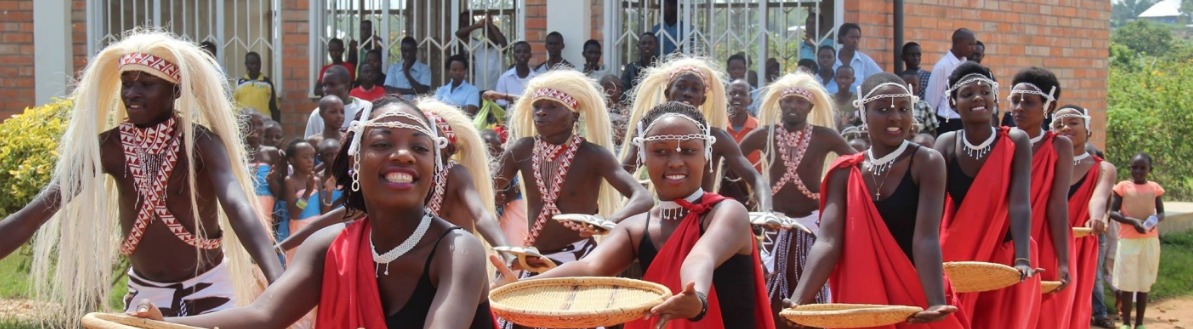
Landscape of Rwanda
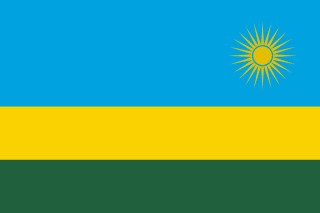
Flag of Rwanda

Rwanda

Africa

Rwanda is a small but densely populated country located in East Africa, known for its stunning landscapes and remarkable recovery from the 1994 genocide. With a population of over 13 million people, Rwanda is a developing country that has made significant progress in areas such as healthcare, education, and infrastructure. Rwanda's economy is based on agriculture, tourism, and mining. Rwanda has made impressive strides in reconciliation and social cohesion, becoming a model for peacebuilding and development.

What would you like to learn about in Rwanda?

Select a section to explore the country where nonprofits are creating positive change.

About Rwanda

In 1959, three years before independence from Belgium, the majority ethnic group, the Hutus, overthrew the ruling Tutsi king. Over the next several years, thousands of Tutsis were killed, and some 150,000 driven into exile in neighboring countries. The children of these exiles later formed a rebel group, the Rwandan Patriotic Front (RPF), and began a civil war in 1990. The war, along with several political and economic upheavals, exacerbated ethnic tensions, culminating in April 1994 in a state-orchestrated genocide, in which Rwandans killed up to a million of their fellow citizens, including approximately three-quarters of the Tutsi population. The genocide ended later that same year when the predominantly Tutsi RPF, operating out of Uganda and northern Rwanda, defeated the national army and Hutu militias, and established an RPF-led government of national unity. Approximately 2 million Hutu refugees - many fearing Tutsi retribution - fled to neighboring Burundi, Tanzania, Uganda, and former Zaire. Since then, most of the refugees have returned to Rwanda, but several thousand remained in the neighboring Democratic Republic of the Congo (DRC, the former Zaire) and formed an extremist insurgency bent on retaking Rwanda, much as the RPF did in 1990. Rwanda held its first local elections in 1999 and its first post-genocide presidential and legislative elections in 2003. Rwanda in 2009 staged a joint military operation with the Congolese Army in DRC to rout out the Hutu extremist insurgency there, and Kigali and Kinshasa restored diplomatic relations. Rwanda also joined the Commonwealth in late 2009. In January 2013, Rwanda assumed a nonpermanent seat on the UN Security Council for the 2013-14 term.

Quick Facts

Population
12,012,589 (July 2013 est.)
Area
26,338 sq km
ISO Code
RW
Continent
Africa
Government
republic; presidential, multiparty system
Active Causes
12
View all countries in Africa

Geography & Environment

Climate

temperate; two rainy seasons (February to April, November to January); mild in mountains with frost and snow possible

Terrain

mostly grassy uplands and hills; relief is mountainous with altitude declining from west to east

Natural Resources

gold, cassiterite (tin ore), wolframite (tungsten ore), methane, hydropower, arable land

Environmental Issues

deforestation results from uncontrolled cutting of trees for fuel; overgrazing; soil exhaustion; soil erosion; widespread poaching

People & Society

58.85 years
Avg. Life Expectancy
71.1%
Literacy Rate
19.1% of total population (2011)
Total Urban Population

Languages

Kinyarwanda (official, universal Bantu vernacular), French (official), English (official), Kiswahili (Swahili, used in commercial centers)

Religions

Roman Catholic 56.5%, Protestant 26%, Adventist 11.1%, Muslim 4.6%, indigenous beliefs 0.1%, none 1.7% (2001)

Health Expenditure

10.5% of GDP (2010) of GDP

Education Expenditure

4.8% of GDP (2011) of GDP

Economy

$1,500
GDP per Capita (PPP)
NA%
Unemployment Rate
44.9% (2011 est.)
Below Poverty Line

Economic Overview

Rwanda is a poor rural country with about 90% of the population engaged in (mainly subsistence) agriculture and some mineral and agro-processing. Tourism, minerals, coffee and tea are Rwanda's main sources of foreign exchange. Minerals exports declined 40% in 2009-10 due to the global economic downturn. The 1994 genocide decimated Rwanda's fragile economic base, severely impoverished the population, particularly women, and temporarily stalled the country's ability to attract private and external investment. However, Rwanda has made substantial progress in stabilizing and rehabilitating its eco...

Causes in Rwanda

Environment

Rwanda, a landlocked country in East Africa, is known for its stunning landscapes and rich biodiversity. The environment plays a crucial role in shaping the lives of Rwandans, as agriculture is the backbone of the economy, with over 80% of the population engaged in farming. However, environmental challenges such as deforestation, soil erosion, and climate change are posing significant threats to the country. Deforestation, driven by population growth and agricultural expansion, has led to soil degradation and loss of biodiversity. Soil erosion is rampant due to unsustainable farming practices, threatening food security and livelihoods. Climate change is exacerbating these issues, with unpredictable weather patterns affecting crop production and water availability. It is imperative for Rwanda to address these environmental challenges through sustainable land management practices and climate change adaptation strategies to ensure a sustainable future for its people.

Family

Family plays a significant role in Rwandan society, shaping individuals' identities and providing a crucial support system. In Rwanda, family ties are strong and extend beyond the nuclear family to include extended relatives, neighbors, and even close friends. Families in Rwanda are often large and close-knit, with strong bonds of love and mutual support. The concept of "ubumwe," which means unity or togetherness, is deeply ingrained in Rwandan culture and emphasizes the importance of community and solidarity within families. Family members are expected to care for and support one another through both good times and bad, fostering a sense of belonging and security. However, the legacy of the 1994 genocide against the Tutsi has had a profound impact on many families in Rwanda, leading to disruptions in family structures and dynamics as well as intergenerational trauma that continues to affect families today.

Human Rights

Rwanda, a country located in East Africa, has a complex history marred by the tragic genocide that took place in 1994. The violation of human rights during this period had devastating consequences and continues to impact the country to this day. The lack of respect for human rights led to mass atrocities, resulting in the loss of over 800,000 lives in just 100 days. The aftermath of this genocide highlighted the importance of upholding human rights to prevent such atrocities from occurring again. Rwanda has since made efforts to rebuild and reconcile, focusing on promoting human rights, justice, and social cohesion. The government has implemented policies to address past injustices, promote accountability, and foster national unity. Despite these efforts, challenges remain in ensuring full respect for human rights, particularly in areas such as freedom of expression and political participation.

Education

Education plays a crucial role in the development of Rwanda, a country that has made significant progress in rebuilding itself following the devastating genocide in 1994. The government of Rwanda has prioritized education as a key pillar for national development, with initiatives focused on improving access to quality education for all citizens. Education has been instrumental in fostering reconciliation and promoting unity among the Rwandan population. By investing in education, Rwanda has seen improvements in literacy rates, school enrollment, and overall educational outcomes. Furthermore, education has been essential in empowering women and girls, promoting gender equality, and reducing poverty levels in the country. Through education, Rwanda is working towards building a more inclusive and sustainable society for future generations.

Poverty

Rwanda, a country located in East Africa, has made significant strides in economic development since the devastating genocide in 1994. However, poverty remains a pressing issue that continues to impact a large segment of the population. According to the World Bank, approximately 39% of Rwandans live below the national poverty line, with rural areas experiencing higher poverty rates than urban centers. The lack of access to basic services such as healthcare, education, and clean water exacerbates the challenges faced by those living in poverty. Additionally, limited job opportunities and low agricultural productivity contribute to the persistence of poverty in Rwanda. Addressing the root causes of poverty through targeted interventions and sustainable development strategies is crucial to improving the well-being of Rwandans and achieving long-term economic stability.

Religion

Religion plays a significant role in Rwandan society, with Christianity and indigenous beliefs being the main religious affiliations. The impact of religion in Rwanda is profound, as it not only shapes personal beliefs and values but also influences social norms and political dynamics. Christianity, particularly Catholicism and Protestantism, has been instrumental in shaping the moral fabric of the country and providing solace and guidance to many Rwandans, especially in the aftermath of the 1994 genocide. Additionally, traditional Rwandan beliefs, such as ancestor veneration and spirit worship, continue to hold sway in many communities, contributing to a rich tapestry of religious diversity in the country. While religion has been a source of comfort and community for many Rwandans, it has also been at times a divisive force, as seen during the colonial period when religious differences were exploited by external powers to sow discord among Rwandans. Understanding the complex interplay between religion and society in Rwanda is crucial for fostering peace, tolerance, and mutual understanding among its diverse population.

Clean Water

Rwanda, a landlocked country in East Africa, faces significant challenges in accessing clean water. With a population of over 12 million people, many Rwandans lack access to safe drinking water, leading to health issues such as waterborne diseases. The impact of inadequate water supply is particularly severe in rural areas, where limited infrastructure exacerbates the problem. In response to these challenges, the Rwandan government has made efforts to improve water access through various initiatives, including the implementation of water treatment systems and the construction of new water sources. However, more support and resources are needed to ensure that all Rwandans have access to clean water, a fundamental human right crucial for health and development.

Economy

Rwanda, a landlocked country in East Africa, has made significant strides in rebuilding its economy following the devastating genocide in 1994. The economy of Rwanda heavily relies on agriculture, which employs a large portion of the population and contributes to the country's export revenue. Additionally, industries such as tourism, mining, and services have been growing rapidly in recent years, contributing to the overall economic development of the nation. Despite these advancements, Rwanda still faces challenges such as high levels of poverty, limited access to education and healthcare, and vulnerability to external shocks. The government has implemented various economic reforms to promote sustainable growth and reduce poverty, including investments in infrastructure, education, and technology. However, more efforts are needed to ensure inclusive and equitable growth for all Rwandans.

Government

Rwanda, a landlocked country in East Africa, has made significant strides in its development trajectory following the tragic genocide in 1994 that claimed the lives of approximately 800,000 people. The government of Rwanda, under the leadership of President Paul Kagame, has been instrumental in driving forward progress and stability in the country. Through strategic policies and programs, such as Vision 2020 and Imihigo (performance contracts), the government has focused on fostering economic growth, improving healthcare and education systems, and promoting reconciliation among its citizens. The government's emphasis on good governance, anti-corruption measures, and investment in infrastructure has attracted international recognition for Rwanda's transformation into a resilient and dynamic nation.

Health

Rwanda, a landlocked country in East Africa, has made significant strides in improving its healthcare system in recent years. Despite progress, health remains a critical concern for many Rwandans due to challenges such as limited access to healthcare facilities, high rates of infectious diseases, and a shortage of healthcare professionals. The country has been working to address these issues through initiatives such as community health insurance programs and the training of more healthcare workers. Additionally, Rwanda has made efforts to combat diseases like malaria and HIV/AIDS through prevention campaigns and improved access to treatment. However, there is still much work to be done to ensure that all Rwandans have access to quality healthcare services and can lead healthy lives.

Children

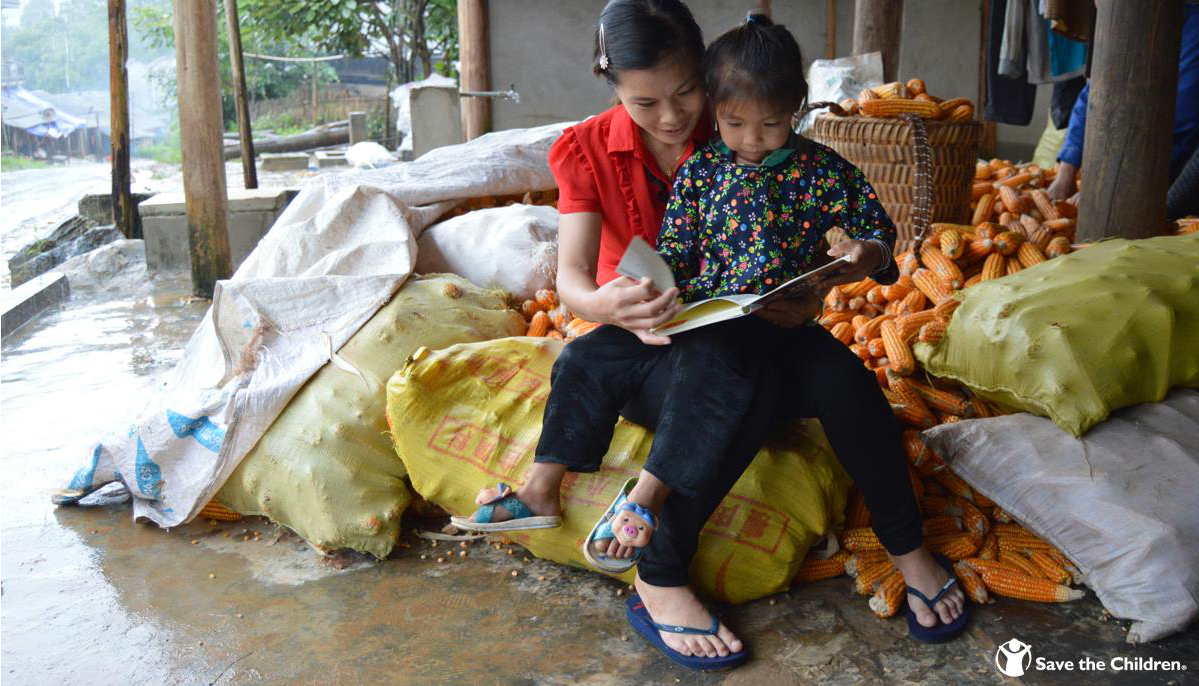
In Rwanda, children are significantly impacted by various factors that affect their well-being and development. The country's history of conflict and genocide has left a lasting impact on the younger generation, with many children facing challenges such as poverty, malnutrition, limited access to education, and inadequate healthcare services. According to UNICEF, nearly 40% of children in Rwanda live below the poverty line, which has implications for their overall quality of life. Furthermore, issues such as child labor and child marriage continue to be prevalent in certain parts of the country, further hindering the rights and opportunities of Rwandan children. Addressing these challenges requires a concerted effort from government agencies, non-profit organizations, and the international community to ensure that all children in Rwanda have access to the resources and support they need to thrive.

Animals

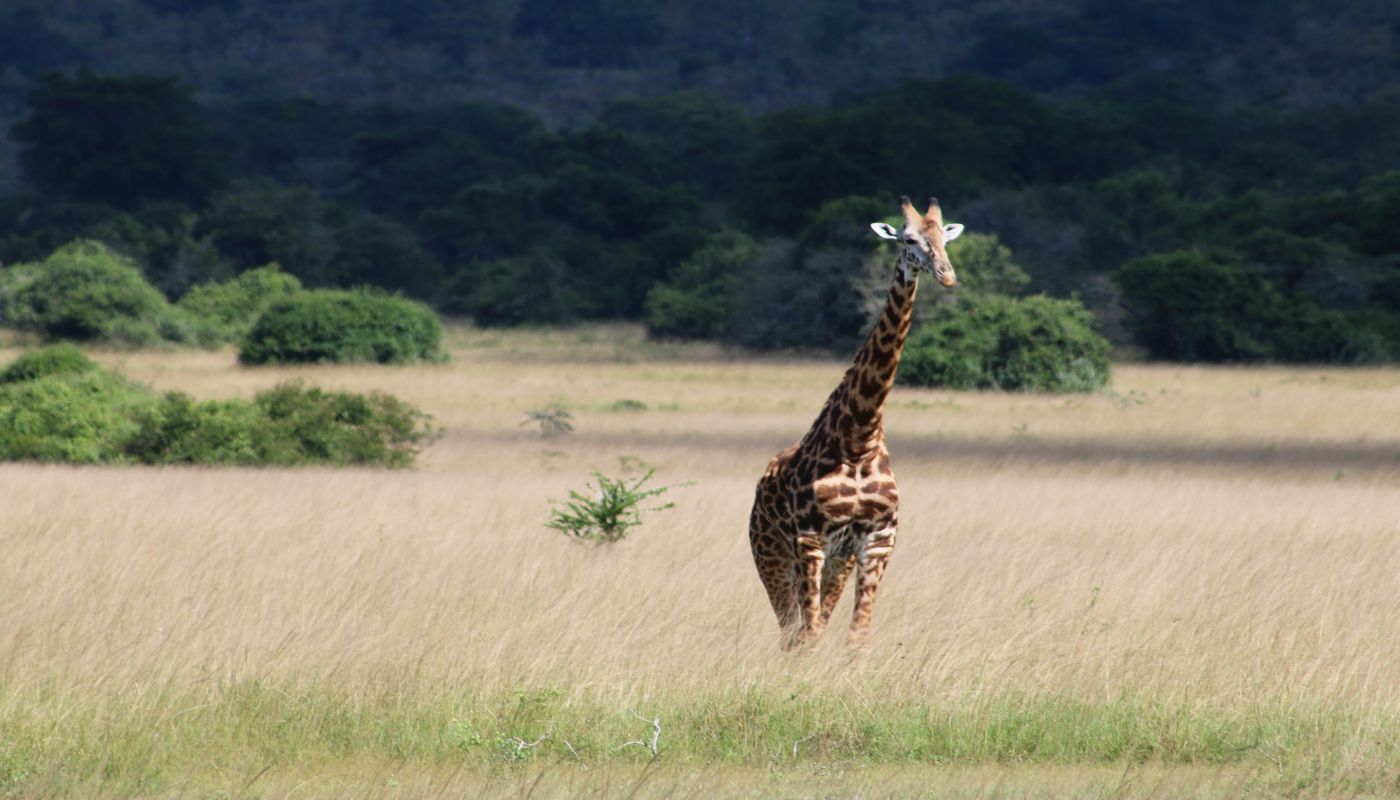
Rwanda, known for its stunning landscapes and diverse wildlife, faces significant challenges in wildlife conservation. The country's rich biodiversity, including iconic species such as mountain gorillas, elephants, and lions, plays a crucial role in maintaining the ecological balance and promoting tourism, a vital economic sector in Rwanda. However, habitat loss, poaching, and human-wildlife conflicts threaten many animal populations in the country. Efforts by the Rwandan government, along with local and international conservation organizations, are being made to protect these species and their habitats through initiatives such as community-based conservation projects and anti-poaching patrols. Increasing awareness about the importance of preserving Rwanda's wildlife is essential to ensure a sustainable future for both the animals and the communities that rely on them.

Nonprofits Working in Rwanda

Discover organizations making a difference in Rwanda

Rising International

Rising International

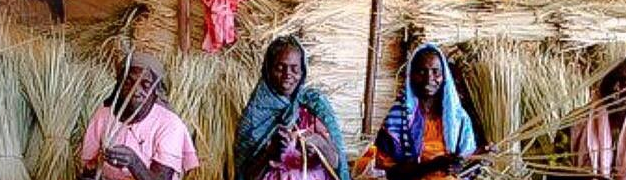
Our Unique Local-Global Solution Rising International is a nonprofit organization that has revolutionized the home party business model to alleviate poverty locally and globally. Think Avon or Tupperware for a social cause. We find the world’s most forgotten women (like Fatima) and enable them to change their destinies by selling their handmade crafts at Rising Home and Corporate Parties. We train women and teens, many un-employed or under- employed, (like Susana) to run their own Rising Home Party businesses and sell crafts made by their global sisters. We search the U.S. for party hosts (like Nancy) who invite friends to their homes to shop. Our sustainable model empowers both local and global entrepreneurs to rise above their circumstances.

Santa Cruz, California

Make Your Impact Today

Discover causes you care about and support the nonprofits making a difference in communities around the world.

Are you a nonprofit? Join Project World Impact for free

Join Us Free