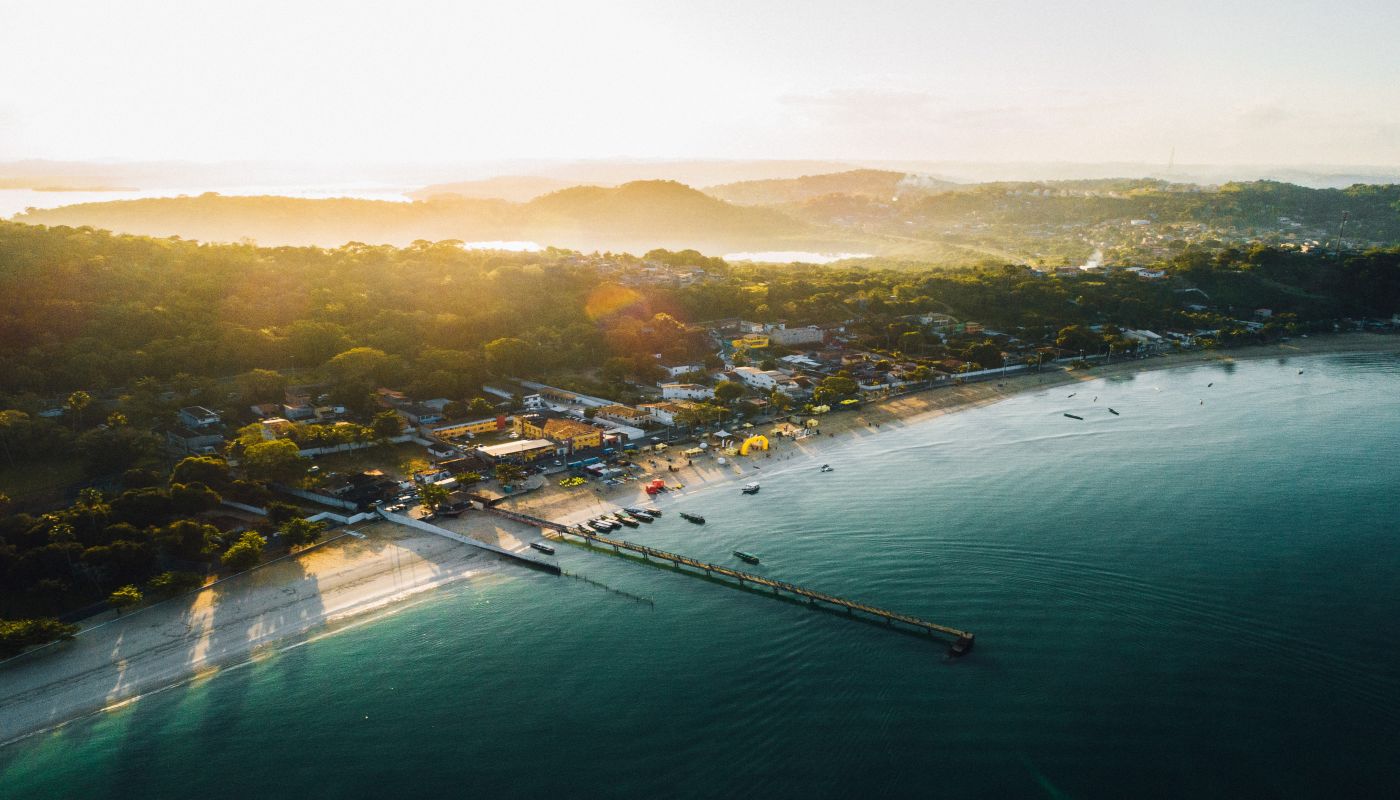
Landscape of Sao Tome and Principe
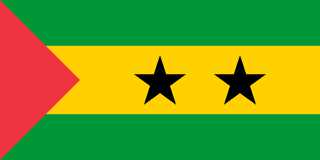
Flag of Sao Tome and Principe

Sao Tome and Principe

Africa

Sao Tome and Principe is a small island nation located in the Gulf of Guinea, off the western coast of Africa the country has a population of around 200,000 people. One of the most significant achievements is poverty reduction, with the percentage of the population living below the poverty line declining from 66% in 2001 to 49% in 2018. This is due to the government's efforts to improve infrastructure, promote economic growth, and increase access to education and healthcare.

What would you like to learn about in Sao Tome and Principe?

Select a section to explore the country where nonprofits are creating positive change.

About Sao Tome and Principe

Discovered and claimed by Portugal in the late 15th century, the islands' sugar-based economy gave way to coffee and cocoa in the 19th century - all grown with African plantation slave labor, a form of which lingered into the 20th century. While independence was achieved in 1975, democratic reforms were not instituted until the late 1980s. The country held its first free elections in 1991, but frequent internal wrangling between the various political parties precipitated repeated changes in leadership and two failed coup attempts in 1995 and 2003. In 2012, three opposition parties combined in a no confidence vote to bring down the majority government of former Prime Minister Patrice TROVOADA. The new government of Prime Minister Gabriel Arcanjo Ferreira DA COSTA is entirely composed of opposition party members with limited experience in governance. The recent discovery of oil in the Gulf of Guinea promises to attract increased attention to the small island nation.

Quick Facts

Population
186,817 (July 2013 est.)
Area
964 sq km
ISO Code
ST
Continent
Africa
Government
republic
Active Causes
12
View all countries in Africa

Geography & Environment

Climate

tropical; hot, humid; one rainy season (October to May)

Terrain

volcanic, mountainous

Natural Resources

fish, hydropower

Environmental Issues

deforestation; soil erosion and exhaustion

People & Society

63.86 years
Avg. Life Expectancy
69.5%
Literacy Rate
62.7% of total population (2011)
Total Urban Population

Languages

Portuguese (official)

Religions

Catholic 70.3%, Evangelical 3.4%, New Apostolic 2%, Adventist 1.8%, other 3.1%, none 19.4% (2001 census)

Health Expenditure

7.2% of GDP (2010) of GDP

Education Expenditure

NA of GDP

Economy

$2,400
GDP per Capita (PPP)
NA%
Unemployment Rate
66.2% (2009 est.)
Below Poverty Line

Economic Overview

This small, poor island economy has become increasingly dependent on cocoa since independence in 1975. Cocoa production has substantially declined in recent years because of drought and mismanagement. Sao Tome and Principe has to import fuels, most manufactured goods, consumer goods, and a substantial amount of food, making it vulnerable to fluctuations in global commodity prices. Over the years, it has had difficulty servicing its external debt and has relied heavily on concessional aid and debt rescheduling. Sao Tome and Principe benefited from $200 million in debt relief in December 2000 un...

Causes in Sao Tome and Principe

Environment

Sao Tome and Principe, a small island nation located off the coast of Central Africa, faces significant environmental challenges that have a profound impact on its population and ecosystems. The country's economy heavily relies on agriculture, fishing, and ecotourism, all of which are vulnerable to the effects of climate change, deforestation, and pollution. Rising sea levels threaten coastal communities, while deforestation leads to soil erosion and loss of biodiversity. Pollution from waste disposal and oil spills further degrades the delicate marine and terrestrial environments of Sao Tome and Principe. The government has taken steps to address these issues through conservation efforts and sustainable development initiatives, but more awareness and action are needed to safeguard the country's natural resources for future generations.

Family

In Sao Tome and Principe, a small island nation off the coast of Central Africa, family plays a central role in shaping societal dynamics and individual well-being. The familial structure in Sao Tome and Principe is typically characterized by strong kinship ties and a collective approach to decision-making. Families in this country often provide emotional support, financial assistance, and a sense of belonging to their members. Moreover, family units serve as the primary social safety net, particularly in times of economic hardship or crisis. However, challenges such as poverty, limited access to education, and health disparities can strain familial relationships and impact the overall well-being of individuals and communities in Sao Tome and Principe. It is essential to recognize the significance of family in this context and work towards addressing systemic issues to strengthen familial bonds and enhance the quality of life for all residents.

Human Rights

Sao Tome and Principe, a small island nation off the western coast of Central Africa, faces various human rights challenges that impact its population. Despite having made progress in democratic governance and socio-economic development, the country continues to grapple with issues related to human rights violations. These violations include gender-based violence, discrimination against vulnerable groups such as women and children, lack of access to quality healthcare and education, and limited freedom of speech and press. The government of Sao Tome and Principe needs to address these issues to ensure the protection of its citizens' fundamental rights and promote a more inclusive and equitable society.

Education

Sao Tome and Principe, a small island nation off the coast of Central Africa, faces significant challenges in the realm of education. With limited resources and infrastructure, the country struggles to provide quality education to its population. The impact of this educational deficit is profound, affecting not only individual opportunities for socio-economic advancement but also the overall development and prosperity of the nation. Education is crucial for empowering individuals, fostering critical thinking skills, and driving innovation and progress. In Sao Tome and Principe, improving access to quality education is essential for breaking the cycle of poverty, reducing inequality, and building a sustainable future for its people.

Poverty

São Tomé and Príncipe, a small island nation located off the western coast of Central Africa, faces significant challenges due to widespread poverty. Approximately 60% of the population in São Tomé and Príncipe lives below the poverty line, with limited access to basic necessities such as clean water, healthcare, and education. The high levels of poverty in the country are exacerbated by factors such as limited economic opportunities, a reliance on subsistence agriculture, and a vulnerability to external shocks such as fluctuating commodity prices. Poverty in São Tomé and Príncipe not only hinders the overall development of the country but also contributes to issues such as malnutrition, inadequate housing, and limited access to quality education and healthcare services. Addressing poverty in São Tomé and Príncipe requires sustainable economic development strategies, investments in social infrastructure, and targeted interventions to improve the livelihoods of the most vulnerable populations.

Religion

Sao Tome and Principe, a small island nation off the coast of Central Africa, have a predominantly Christian population with Catholicism being the dominant religion. Religion plays a significant role in the lives of the people in Sao Tome and Principe, influencing various aspects of their culture and society. Churches hold a central place in communities, serving not only as places of worship but also as hubs for social gatherings and support networks. Religious festivals and traditions are deeply ingrained in the fabric of society, contributing to the cultural identity of the nation. The influence of religion can also be seen in the country's moral values, shaping attitudes towards family, education, and social issues. Despite the strong presence of Christianity, there is religious diversity in Sao Tome and Principe, with small Muslim and indigenous religious communities coexisting peacefully alongside the majority Christian population.

Clean Water

In Sao Tome and Principe, an island nation located off the west coast of Central Africa, access to clean water remains a critical issue affecting the health and well-being of its population. With limited freshwater sources and inadequate infrastructure for water treatment and distribution, many communities in Sao Tome and Principe lack reliable access to safe drinking water. This scarcity not only poses a direct threat to public health by increasing the risk of waterborne diseases but also hinders socio-economic development by limiting educational opportunities, perpetuating poverty, and exacerbating inequalities. Addressing the challenges related to clean water availability in Sao Tome and Principe requires investments in infrastructure, sustainable water management practices, and community empowerment initiatives that prioritize equitable access to this essential resource.

Economy

Sao Tome and Principe, a small island nation located in the Gulf of Guinea, faces significant economic challenges that deeply impact its population. With an economy heavily reliant on agriculture, particularly cocoa production, the country is vulnerable to fluctuations in global commodity prices and weather patterns. Limited infrastructure and a lack of diversification further hinder economic growth and development. The high levels of poverty and unemployment exacerbate social inequalities, posing a threat to stability and well-being. Efforts to attract foreign investment and promote sustainable development are crucial for Sao Tome and Principe to improve its economic outlook and enhance the livelihoods of its people.

Government

Sao Tome and Principe, a small island nation off the coast of Central Africa, faces various challenges that are significantly influenced by its government. The country's political landscape is characterized by a history of corruption, inefficiency, and political instability, which have hindered socio-economic development and perpetuated poverty among its population. The government's lack of transparency and accountability has resulted in mismanagement of public resources and limited access to basic services such as healthcare and education for its citizens. Furthermore, the country's heavy reliance on foreign aid and volatile global market prices for its main exports, namely cocoa and coffee, make it vulnerable to external shocks. In order to address these issues and improve the quality of life for its people, Sao Tome and Principe must prioritize good governance practices, strengthen institutions, and promote sustainable economic growth strategies.

Health

Sao Tome and Principe, an island nation located off the coast of Central Africa, faces significant health challenges that impact its population. With a healthcare system that is strained due to limited resources and infrastructure, the country struggles to provide adequate medical care to its citizens. High rates of malaria, tuberculosis, and HIV/AIDS further exacerbate the health issues faced by the people of Sao Tome and Principe. Additionally, malnutrition and inadequate access to clean water contribute to the overall poor health outcomes in the country. The lack of healthcare facilities in rural areas also hinders the population's access to essential medical services, leading to preventable illnesses and deaths. Addressing these health challenges is crucial to improving the well-being of the people of Sao Tome and Principe and ensuring a healthier future for the nation.

Children

São Tomé and Príncipe, a small island nation located off the western coast of Central Africa, faces several challenges that impact its children. The country's high poverty rate, limited access to quality education and healthcare, and vulnerability to natural disasters all contribute to the difficult circumstances faced by children in São Tomé and Príncipe. According to UNICEF, around 30% of children under five years old suffer from malnutrition, affecting their physical and cognitive development. Additionally, the lack of adequate sanitation facilities exposes children to waterborne diseases, further jeopardizing their health and well-being. Limited educational opportunities hinder children's prospects for a better future, perpetuating the cycle of poverty in the country. Increasing awareness and support for the children of São Tomé and Príncipe is crucial in addressing these pressing issues and improving the lives of the younger generation.

Animals

Sao Tome and Principe, a small island nation off the coast of Central Africa, is home to a diverse range of animal species that play a crucial role in the ecosystem. The unique biodiversity of these islands is threatened by various factors such as habitat destruction, poaching, and climate change. Animals like the Sao Tome shrew, the Principe kingfisher, and the critically endangered Sao Tome giant treefrog are facing extinction due to human activities. These animals are not only intrinsic to the islands' ecological balance but also hold cultural significance for the local communities. Conservation efforts are essential to protect these vulnerable species and preserve the natural heritage of Sao Tome and Principe for future generations.

Nonprofits Working in Sao Tome and Principe

Discover organizations making a difference in Sao Tome and Principe

Make Your Impact Today

Discover causes you care about and support the nonprofits making a difference in communities around the world.

Are you a nonprofit? Join Project World Impact for free

Join Us Free