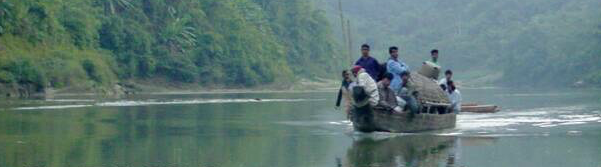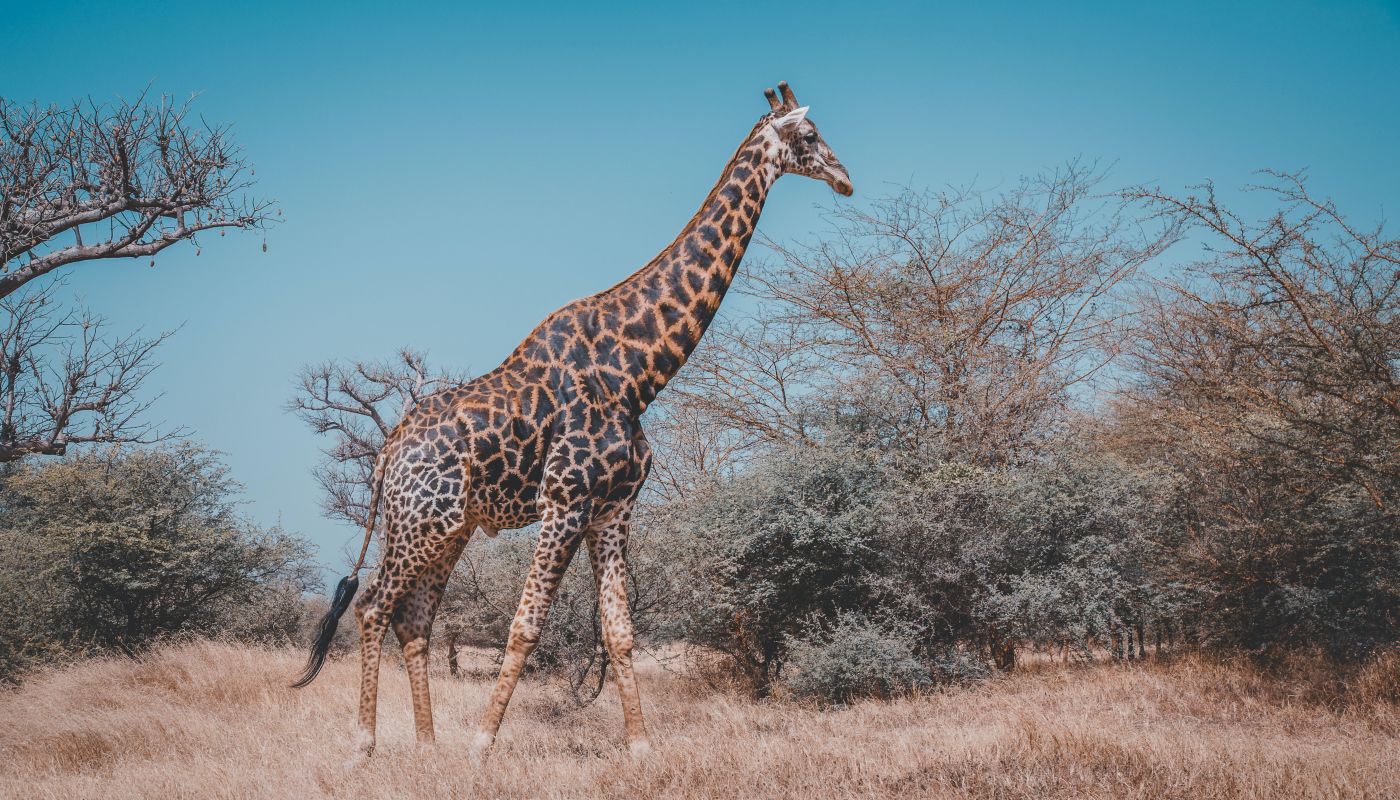
Landscape of Senegal
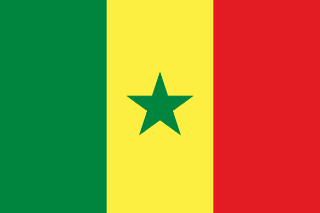
Flag of Senegal

Senegal

Africa

Senegal is a culturally rich and diverse country located in West Africa, known for its stunning beaches, vibrant music, and unique cuisine. With a population of over 16 million people, Senegal is a developing country that has made progress in areas such as healthcare, education, and infrastructure. The country's economy is based on agriculture, fishing, and mining, but it is also working to diversify into other sectors. Senegal faces challenges related to poverty, political instability, and environmental degradation.

What would you like to learn about in Senegal?

Select a section to explore the country where nonprofits are creating positive change.

About Senegal

The French colonies of Senegal and the French Sudan were merged in 1959 and granted their independence as the Mali Federation in 1960. The union broke up after only a few months. Senegal joined with The Gambia to form the nominal confederation of Senegambia in 1982. The envisaged integration of the two countries was never carried out, and the union was dissolved in 1989. The Movement of Democratic Forces in the Casamance (MFDC) has led a low-level separatist insurgency in southern Senegal since the 1980s, and several peace deals have failed to resolve the conflict. Nevertheless, Senegal remains one of the most stable democracies in Africa and has a long history of participating in international peacekeeping and regional mediation. Senegal was ruled by a Socialist Party for 40 years until Abdoulaye WADE was elected president in 2000. He was reelected in 2007 and during his two terms amended Senegal's constitution over a dozen times to increase executive power and to weaken the opposition. His decision to run for a third presidential term sparked a large public backlash that led to his defeat in a March 2012 runoff election with Macky SALL.

Quick Facts

Population
13,300,410 (July 2013 est.)
Area
196,722 sq km
ISO Code
SN
Continent
Africa
Government
republic
Active Causes
12
View all countries in Africa

Geography & Environment

Climate

tropical; hot, humid; rainy season (May to November) has strong southeast winds; dry season (December to April) dominated by hot, dry, harmattan wind

Terrain

generally low, rolling, plains rising to foothills in southeast

Natural Resources

fish, phosphates, iron ore

Environmental Issues

wildlife populations threatened by poaching; deforestation; overgrazing; soil erosion; desertification; overfishing

People & Society

60.57 years
Avg. Life Expectancy
49.7%
Literacy Rate
42.5% of total population (2011)
Total Urban Population

Languages

French (official), Wolof, Pulaar, Jola, Mandinka

Religions

Muslim 94%, Christian 5% (mostly Roman Catholic), indigenous beliefs 1%

Health Expenditure

5.7% of GDP (2010) of GDP

Education Expenditure

5.6% of GDP (2010) of GDP

Economy

$2,100
GDP per Capita (PPP)
48%
Unemployment Rate
54% (2001 est.)
Below Poverty Line

Economic Overview

Senegal relies heavily on donor assistance and foreign direct investment. The country's key export industries are phosphate mining, fertilizer production, and commercial fishing. The country is also working on iron ore and oil exploration projects. After seeing its economy contract by 2.1% in 1993, Senegal made an important turnaround, thanks to an economic reform program backed by the donor community, which led to real growth in GDP averaging over 5% annually during 1995-2007. Annual inflation was pushed down to the single digits. The global economic downturn reduced growth to 2.2% in 2009. T...

Causes in Senegal

Environment

Senegal, located in West Africa, faces numerous environmental challenges that significantly impact its population and economy. The country is vulnerable to climate change, experiencing rising sea levels, desertification, and unpredictable rainfall patterns, leading to droughts and floods. These environmental changes have severe consequences on agriculture, the main source of livelihood for many Senegalese people. Moreover, the degradation of natural habitats threatens biodiversity and puts additional pressure on ecosystems. Pollution and inadequate waste management exacerbate these issues, posing risks to public health and marine life. Addressing these environmental challenges is crucial for Senegal's sustainable development and the well-being of its people.

Family

In Senegal, family plays a central role in shaping societal norms and values. The concept of family extends beyond immediate relatives to include extended family members, creating a strong sense of community and support. Families in Senegal typically live in close-knit units, with multiple generations residing together under one roof. This fosters a deep sense of harmony and interconnectedness among family members. Family is regarded as the primary source of identity, security, and social standing in Senegalese society, with individuals often prioritizing the needs of the family over personal aspirations. Moreover, family gatherings and celebrations are significant events that reinforce bonds and strengthen relationships within the community. The emphasis on familial ties in Senegal serves as a foundation for social cohesion and collective well-being.

Human Rights

Senegal, a West African nation known for its rich culture and diverse population, faces various human rights challenges that impact its citizens. The country has made progress in promoting human rights by ratifying key international treaties and incorporating them into domestic law. However, issues such as gender inequality, child labor, and limited access to education and healthcare still persist. Discrimination against marginalized groups, including the LGBTQ+ community and people with disabilities, remains a concern as well. Organizations like Amnesty International and Human Rights Watch continue to monitor and report on human rights violations in Senegal, urging the government to take action to address these issues and uphold the rights of all its citizens.

Education

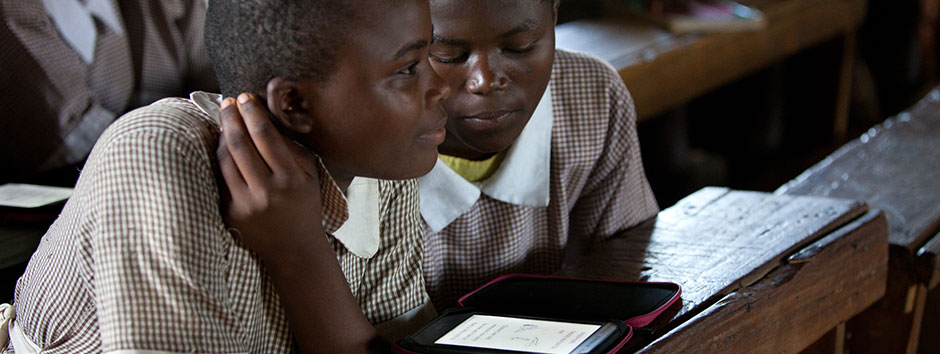
Senegal, a country in West Africa, faces various challenges in its educational system that significantly impact its population. Despite progress in recent years, disparities in access to quality education persist across regions and socioeconomic backgrounds. The lack of adequate infrastructure, qualified teachers, and educational resources hinders the country's efforts to provide quality education to all its citizens. This disparity not only affects academic achievement but also perpetuates socio-economic inequalities and limits opportunities for the youth. Addressing these challenges is crucial for Senegal's development and progress towards achieving sustainable growth and social equity.

Poverty

Senegal, located in West Africa, is a country grappling with the pervasive issue of poverty. According to the World Bank, nearly 40% of Senegal's population lives below the national poverty line, struggling to access basic necessities such as food, clean water, and education. The impact of poverty in Senegal is profound, leading to limited economic opportunities, inadequate healthcare services, and disparities in education quality. This cycle of poverty perpetuates social inequality and hinders the country's overall development. Addressing poverty in Senegal requires comprehensive strategies that focus on improving access to education, healthcare, and sustainable livelihoods for all citizens.

Religion

In Senegal, religion plays a significant role in shaping the cultural and social fabric of the country. Islam is the predominant religion, with over 90% of the population identifying as Muslims. This religious influence is deeply ingrained in various aspects of Senegalese society, from politics and education to daily life and social interactions. The peaceful coexistence between different religious groups, including Muslims, Christians, and followers of indigenous beliefs, is a notable characteristic of Senegal. Religious leaders hold considerable sway in the community, often acting as mediators in conflict resolution and playing a vital role in moral guidance. However, while religion unites many Senegalese people, it can also be a source of division at times, particularly when political or social issues intersect with religious beliefs.

Clean Water

Senegal, located in West Africa, faces significant challenges in accessing clean water. With a population of over 16 million people, a large percentage of Senegalese lack access to safe drinking water, leading to health issues and hindering the country's development. The scarcity of clean water sources in Senegal is exacerbated by factors such as climate change, pollution, and inadequate infrastructure. As a result, many communities rely on contaminated water sources, leading to waterborne diseases and high mortality rates, particularly among children. Addressing the issue of clean water access in Senegal is crucial not only for improving public health but also for promoting economic growth and social stability in the country.

Economy

Senegal, located in West Africa, is a country with a diverse economy heavily reliant on agriculture, fishing, mining, and services. The economy of Senegal has shown resilience over the years, but it faces challenges such as high unemployment rates and poverty levels. The impact of the economy on the people of Senegal is significant, particularly on those in rural areas where access to basic services like education and healthcare is limited. Economic disparities in urban and rural areas further exacerbate inequality in the country. The government of Senegal has been working towards improving the economy through various reforms and initiatives to promote sustainable growth and development. However, more efforts are needed to address the underlying issues and create opportunities for all citizens to thrive.

Government

Senegal, a West African country known for its rich culture, diverse landscapes, and vibrant music scene, faces a number of challenges that are significantly impacted by its government. The government of Senegal plays a crucial role in shaping the country's development trajectory, particularly in areas such as healthcare, education, infrastructure, and economic growth. However, issues such as corruption, political instability, and inefficiencies in governance have hindered progress in these key sectors. In recent years, there have been efforts to combat these challenges through various reforms and initiatives aimed at promoting transparency, accountability, and good governance. By addressing these issues effectively, the government of Senegal can create a more stable and prosperous future for its citizens.

Health

Senegal, located in West Africa, faces various health challenges that significantly impact its population. The country grapples with high rates of infectious diseases such as malaria, tuberculosis, and HIV/AIDS, alongside maternal and child health issues. Limited access to healthcare facilities and resources further exacerbates these challenges, especially in rural areas where healthcare infrastructure is lacking. Additionally, malnutrition remains a pressing concern, particularly among children under the age of five. Senegal's health sector also faces the dual burden of communicable and non-communicable diseases, highlighting the need for comprehensive healthcare interventions to address these complex health issues. By raising awareness about these challenges, efforts can be made to improve healthcare access and quality in Senegal, ultimately leading to better health outcomes for its population.

Children

In Senegal, children face numerous challenges that impact their well-being and development. The country has a high rate of child labor, with many children forced to work in fields, mines, or as domestic servants instead of attending school. This perpetuates a cycle of poverty and limits their opportunities for a better future. Additionally, child marriage is prevalent in Senegal, with many young girls being married off before the age of 18, jeopardizing their health, education, and overall well-being. Lack of access to quality education and healthcare further exacerbates the situation for children in Senegal, hindering their chances of breaking free from the cycle of poverty. It is crucial to address these issues and advocate for the rights and well-being of children in Senegal to ensure a brighter future for the next generation.

Animals

Senegal, located in West Africa, boasts a rich biodiversity that is crucial for its ecosystems and economy. Animals play a significant role in Senegal's cultural heritage, providing sustenance, transportation, and economic opportunities for its people. The country is home to a diverse array of wildlife, including elephants, lions, and rare bird species like the Egyptian plover. However, the impact of human activities such as deforestation, poaching, and climate change threatens the survival of these animals and their habitats. Conservation efforts are essential to safeguard Senegal's biodiversity and ensure the well-being of both its animal populations and human communities.

Nonprofits Working in Senegal

Discover organizations making a difference in Senegal

GUTTMACHER INSTITUTE INC

GUTTMACHER INSTITUTE INC

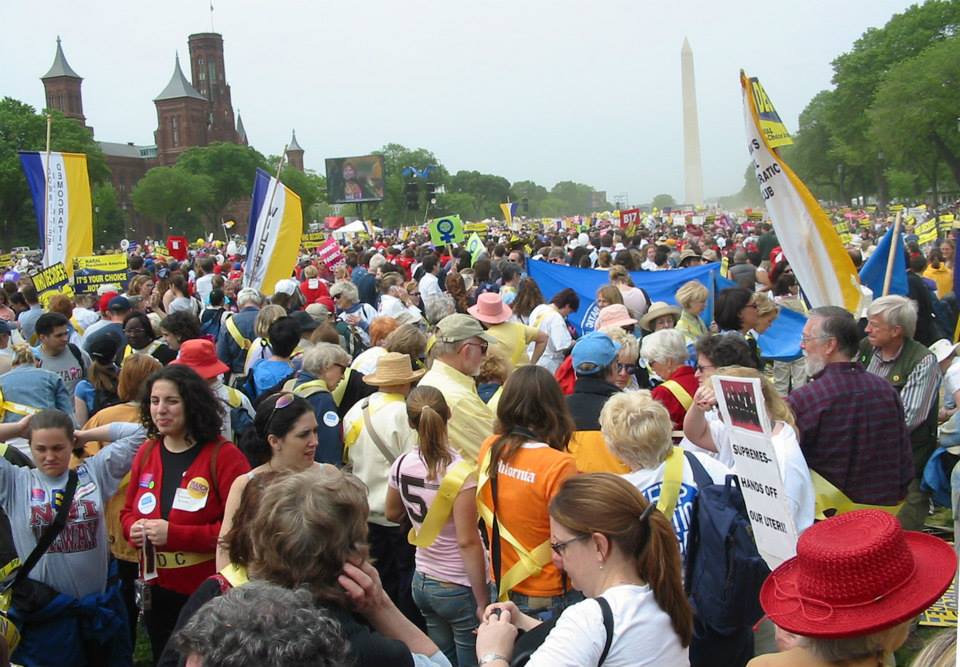
Now in its fifth decade, the Guttmacher Institute remains committed to the mission and goals that led to its creation. The Guttmacher Institute was founded in 1968 as the Center for Family Planning Program Development. At the time, Presidents John F. Kennedy, Lyndon Johnson and Richard Nixon had begun to call the public's attention to the problem of unplanned and unwanted childbearing and its consequences for individual women and men, their children and their communities both at home and abroad. Concurrently, the United States Congress was taking its first steps toward the development of an international population assistance program, as well as a multifaceted, national program aimed at providing equitable access to modern methods of birth control in the United States. By integrating nonpartisan social science research, policy analysis and public education, the Center hoped to provide a factual basis for the development of sound governmental policies and for public consideration of the sensitive issues involved in the promotion of reproductive health and rights. This purpose and commitment continue today. The Center was originally housed within the corporate structure of Planned Parenthood Federation of America (PPFA). Its program, however, was independently developed and overseen by a National Advisory Council separate from the PPFA Board of Directors. Its early development was nurtured by Alan F. Guttmacher, an eminent obstetrician-gynecologist, teacher and writer who was PPFA's president for more than a decade until his death in 1974. The Center was renamed in Dr. Guttmacher's memory, and the Guttmacher Institute incorporated as an entirely independent nonprofit policy research institute with its own Board in 1977. The Guttmacher Institute maintains offices in New York and Washington. Its current staff of 81 comprises demographers, social scientists, public policy analysts, editors, writers, communications specialists, and financial and technical personnel. A few of its employees have been with the organization for most of its existence, and an affiliation that goes back 10 or 15 years is not unusual. The Institute's work is guided by a 39-member board made up of eminent professionals from a rich variety of disciplines, as well as civic leaders from across the United States and around the world. The Guttmacher Institute's annual budget of approximately $17 million is derived largely from private foundations, government agencies, multilateral organizations and individual contributions.

New York, New York

Make Your Impact Today

Discover causes you care about and support the nonprofits making a difference in communities around the world.

Are you a nonprofit? Join Project World Impact for free

Join Us Free