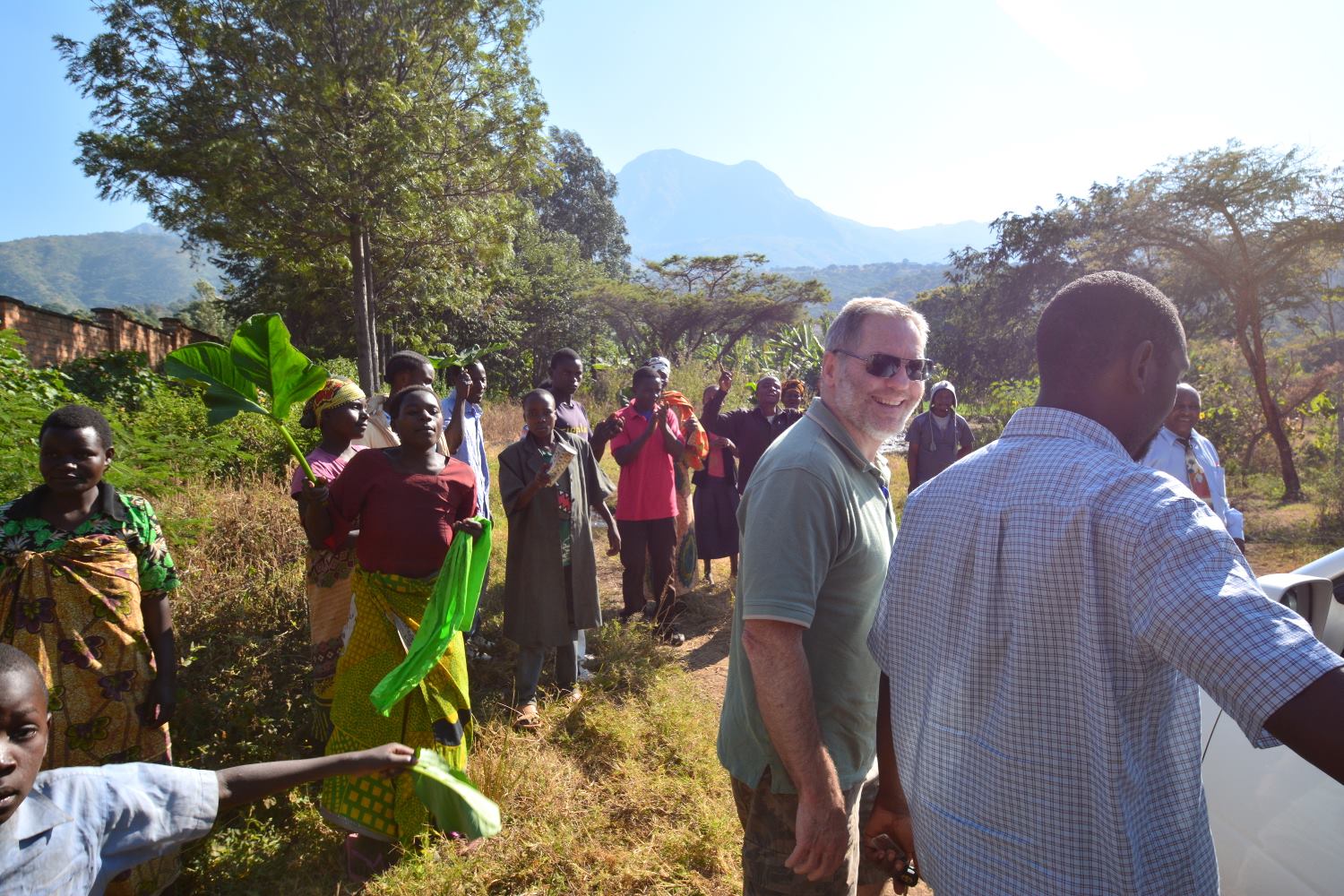
Landscape of Sierra Leone
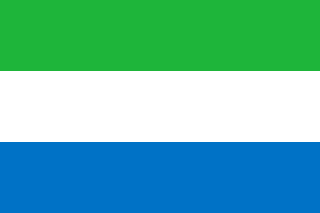
Flag of Sierra Leone

Sierra Leone

Africa

Sierra Leone is located in West Africa, known for its stunning natural landscapes and vibrant music. With a population of over 8 million people, Sierra Leone is a developing country that has made progress in areas such as healthcare, education, and infrastructure. The country's economy is based on agriculture and mining, but it also faces challenges related to corruption, political instability, and environmental degradation. Sierra Leone is working to address these challenges and promote sustainable development.

What would you like to learn about in Sierra Leone?

Select a section to explore the country where nonprofits are creating positive change.

About Sierra Leone

Democracy is slowly being reestablished after the civil war from 1991 to 2002 that resulted in tens of thousands of deaths and the displacement of more than 2 million people (about a third of the population). The military, which took over full responsibility for security following the departure of UN peacekeepers at the end of 2005, is increasingly developing as a guarantor of the country's stability. The armed forces remained on the sideline during the 2007 and 2012 national elections but still look to the UN Integrated Peacebuilding Office in Sierra Leone (UNIPSIL) - a civilian UN mission - to support efforts to consolidate peace. The new government's priorities include furthering development, creating jobs, and stamping out endemic corruption.

Quick Facts

Population
5,612,685 (July 2013 est.)
Area
71,740 sq km
ISO Code
SL
Continent
Africa
Government
constitutional democracy
Active Causes
12
View all countries in Africa

Geography & Environment

Climate

tropical; hot, humid; summer rainy season (May to December); winter dry season (December to April)

Terrain

coastal belt of mangrove swamps, wooded hill country, upland plateau, mountains in east

Natural Resources

diamonds, titanium ore, bauxite, iron ore, gold, chromite

Environmental Issues

rapid population growth pressuring the environment; overharvesting of timber, expansion of cattle grazing, and slash-and-burn agriculture have resulted in deforestation and soil exhaustion; civil war...

People & Society

56.98 years
Avg. Life Expectancy
43.3%
Literacy Rate
39.2% of total population (2011)
Total Urban Population

Languages

English (official, regular use limited to literate minority), Mende (principal vernacular in the south), Temne (principal vernacular in the north), Kr...

Religions

Muslim 60%, Christian 10%, indigenous beliefs 30%

Health Expenditure

13.1% of GDP (2010) of GDP

Education Expenditure

3.6% of GDP (2011) of GDP

Economy

$1,400
GDP per Capita (PPP)
NA%
Unemployment Rate
70.2% (2004)
Below Poverty Line

Economic Overview

Sierra Leone is an extremely poor nation with tremendous inequality in income distribution. While it possesses substantial mineral, agricultural, and fishery resources, its physical and social infrastructure has yet to recover from the civil war, and serious social disorders continue to hamper economic development. Nearly half of the working-age population engages in subsistence agriculture. Manufacturing consists mainly of the processing of raw materials and of light manufacturing for the domestic market. Alluvial diamond mining remains the major source of hard currency earnings, accounting f...

Causes in Sierra Leone

Environment

Sierra Leone, a country located on the west coast of Africa, is profoundly affected by environmental issues that have wide-ranging impacts on its population and economy. Deforestation, soil degradation, water pollution, and climate change pose significant challenges to the nation's sustainable development and the well-being of its people. The loss of forests due to logging and agriculture not only threatens biodiversity but also exacerbates issues such as soil erosion and flooding. Water pollution from mining activities and inadequate waste management systems further jeopardizes public health and access to clean water. Additionally, the country is increasingly vulnerable to the effects of climate change, including more frequent and severe droughts, floods, and storms. Addressing these environmental concerns is crucial for Sierra Leone to safeguard its natural resources, protect its citizens, and promote long-term resilience and sustainability.

Family

In Sierra Leone, a country in West Africa, family plays a crucial role in shaping the social fabric and community dynamics. Families in Sierra Leone are typically close-knit and extend beyond the nuclear unit to include relatives and even members of the wider community. The concept of family in Sierra Leone encompasses a sense of responsibility, mutual support, and collective decision-making. Family ties are often the primary source of emotional, financial, and social support for individuals, especially in times of need or crisis. This strong emphasis on family solidarity contributes significantly to the overall well-being and resilience of Sierra Leonean society. However, challenges such as poverty, political instability, and health crises can strain familial relationships and disrupt traditional family structures. Understanding the central role of family in Sierra Leone is essential for addressing social issues and promoting sustainable development in the country.

Human Rights

Sierra Leone, a country in West Africa, has endured significant human rights challenges over the years. The impact of human rights violations in Sierra Leone has been profound, affecting the population's well-being and social fabric. Issues such as gender-based violence, child labor, and limited access to education and healthcare continue to persist, hindering the country's development and stability. The legacy of the civil war that ravaged Sierra Leone from 1991 to 2002 still lingers, with many individuals and communities grappling with the trauma and consequences of widespread atrocities. Efforts to address these human rights issues have been ongoing, but more support and resources are needed to fully address the root causes and ensure lasting change for the people of Sierra Leone.

Education

Sierra Leone, a West African nation, faces significant challenges in its education sector that have far-reaching implications on its development. Despite progress in recent years, the country continues to grapple with issues such as inadequate infrastructure, limited access to quality education, and high dropout rates, particularly among girls. The impact of these challenges is profound, contributing to a cycle of poverty and hindering the country's overall socio-economic growth. Education is crucial in Sierra Leone as it not only empowers individuals to break the cycle of poverty but also plays a pivotal role in fostering social cohesion, promoting gender equality, and driving sustainable development. Source: United Nations Educational, Scientific and Cultural Organization (UNESCO) - Sierra Leone Education Sector Analysis Report

Poverty

Sierra Leone, a country in West Africa, faces significant challenges due to widespread poverty. The impact of poverty on this nation is profound and multifaceted. Poverty in Sierra Leone contributes to limited access to basic necessities such as clean water, healthcare, and education. It also perpetuates a cycle of malnutrition and disease, particularly affecting vulnerable populations such as children and women. Furthermore, extreme poverty hinders economic development, leading to high unemployment rates and limited opportunities for growth. The lack of infrastructure and social services exacerbates the situation, making it difficult for many Sierra Leoneans to break free from poverty. Addressing the root causes of poverty in Sierra Leone is crucial for sustainable development and improving the well-being of its citizens.

Religion

Religion plays a significant role in the social fabric of Sierra Leone, a country in West Africa. With a population that is predominantly Muslim, followed by a sizeable Christian minority, religious beliefs and practices shape many aspects of daily life for Sierra Leoneans. Islam is the largest religion in the country, influencing cultural norms, laws, and societal structures. Christianity also holds sway, particularly among the Krio and Mende populations. While religious diversity has been a source of unity in some instances, it has also been a source of tension and conflict, most notably during the civil war in the 1990s. Religious leaders often wield considerable influence in Sierra Leone, engaging in peacemaking efforts and community development initiatives. Understanding the complex interplay between religion and society is crucial for fostering peaceful coexistence and promoting social cohesion in this diverse nation.

Clean Water

Sierra Leone, a country located in West Africa, faces significant challenges in ensuring access to clean water for its population. Approximately 5.2 million people in Sierra Leone lack access to clean water sources, leading to widespread health issues such as waterborne diseases like cholera and typhoid fever. The lack of clean water also hinders agricultural productivity, as farmers struggle to irrigate their crops effectively. Additionally, the scarcity of clean water disproportionately affects women and children, who often have to walk long distances to fetch water, leaving little time for education or other activities. Addressing the issue of clean water in Sierra Leone is crucial for improving public health, enhancing food security, and promoting economic development in the country.

Economy

Sierra Leone, a country located in West Africa, has faced significant economic challenges that have had a profound impact on its population. The economy of Sierra Leone heavily relies on agriculture, mining, and forestry, with the majority of the population engaged in subsistence farming. However, the country has been struggling with high levels of poverty, unemployment, and limited access to basic services such as healthcare and education. The civil war that lasted from 1991 to 2002 further exacerbated the economic situation, causing widespread destruction of infrastructure and displacement of people. Despite abundant natural resources such as diamonds, iron ore, and rutile, mismanagement and corruption have hindered economic development and perpetuated poverty in the country. Addressing these economic challenges is crucial for improving the livelihoods of the people of Sierra Leone and promoting sustainable development.

Government

Sierra Leone, a West African nation, has faced a tumultuous history marked by civil war, Ebola outbreaks, and political instability. The government of Sierra Leone plays a significant role in shaping the country's development and well-being. Issues such as corruption, lack of infrastructure, and limited access to basic services like healthcare and education have been major challenges that the government needs to address effectively. The government's policies and decisions directly impact the lives of the people in Sierra Leone, influencing their access to resources, opportunities for growth, and overall quality of life. By promoting transparency, accountability, and sustainable development initiatives, the government can contribute to improving the socio-economic conditions of its citizens and fostering a more stable and prosperous future for the country.

Health

Sierra Leone, a West African country, faces significant health challenges that impact its population's well-being. The country's health system has been strained by a history of civil unrest, poverty, and limited access to healthcare services. Infectious diseases such as malaria, cholera, and HIV/AIDS remain prevalent, contributing to high mortality rates. Maternal and child health are also major concerns, with Sierra Leone having one of the highest maternal mortality rates in the world. Limited resources, inadequate infrastructure, and a shortage of healthcare professionals further exacerbate these challenges. The government and international organizations are working to improve healthcare access and quality in Sierra Leone through various initiatives and programs.

Children

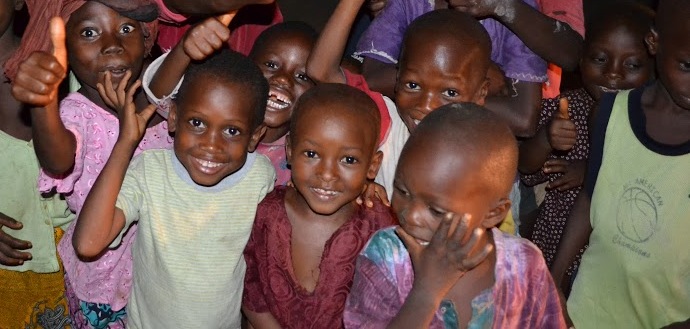
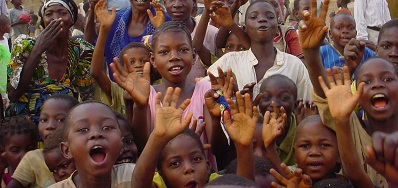
Sierra Leone, a West African country known for its natural beauty, faces numerous challenges that impact its children. With a population of approximately 7.9 million, Sierra Leone has one of the highest child mortality rates in the world, with many children succumbing to preventable diseases such as malaria, pneumonia, and diarrhea. Moreover, the country's civil war and Ebola epidemic have left a lasting impact on its youth, with many children experiencing trauma and psychological distress. Limited access to quality education and healthcare further exacerbates the situation for Sierra Leonean children, hindering their overall development and future prospects. It is crucial to address these issues and provide support to ensure a brighter future for the children of Sierra Leone.

Animals

Sierra Leone, a country in West Africa, is home to a diverse range of wildlife, including various species of mammals, birds, reptiles, and marine life. The presence of animals in Sierra Leone plays a crucial role in the ecosystem and contributes to the country's biodiversity. Unfortunately, the wildlife in Sierra Leone faces numerous threats such as deforestation, habitat loss, illegal poaching, and climate change. These factors have led to a decline in animal populations and have put several species at risk of extinction. Conservation efforts are being made to protect the wildlife in Sierra Leone and raise awareness about the importance of preserving these animals for future generations.

Nonprofits Working in Sierra Leone

Discover organizations making a difference in Sierra Leone

Project Peanut Butter

Project Peanut Butter

Across the world, severe acute malnutrition is the largest killer of children under 5 years of age, contributing to nearly half of all childhood deaths (more than 3 million children per year). We produce peanut based ready-to-use therapeutic foods (RUTF) locally in factories in Malawi, Sierra Leone, and Ghana. Our factories are internationally accredited by UNICEF, Doctors Without Borders, and the World Food Program, and our product is considered the standard of care worldwide for severely malnourished children. We strive to use as many local ingredients and staff as possible. In addition, we distribute the therapeutic food at our own mobile clinics, where PPB nurses assess children for malnutrition and provide qualifying children with life-saving food at no charge.

Maplewood, Missouri

Make Your Impact Today

Discover causes you care about and support the nonprofits making a difference in communities around the world.

Are you a nonprofit? Join Project World Impact for free

Join Us Free