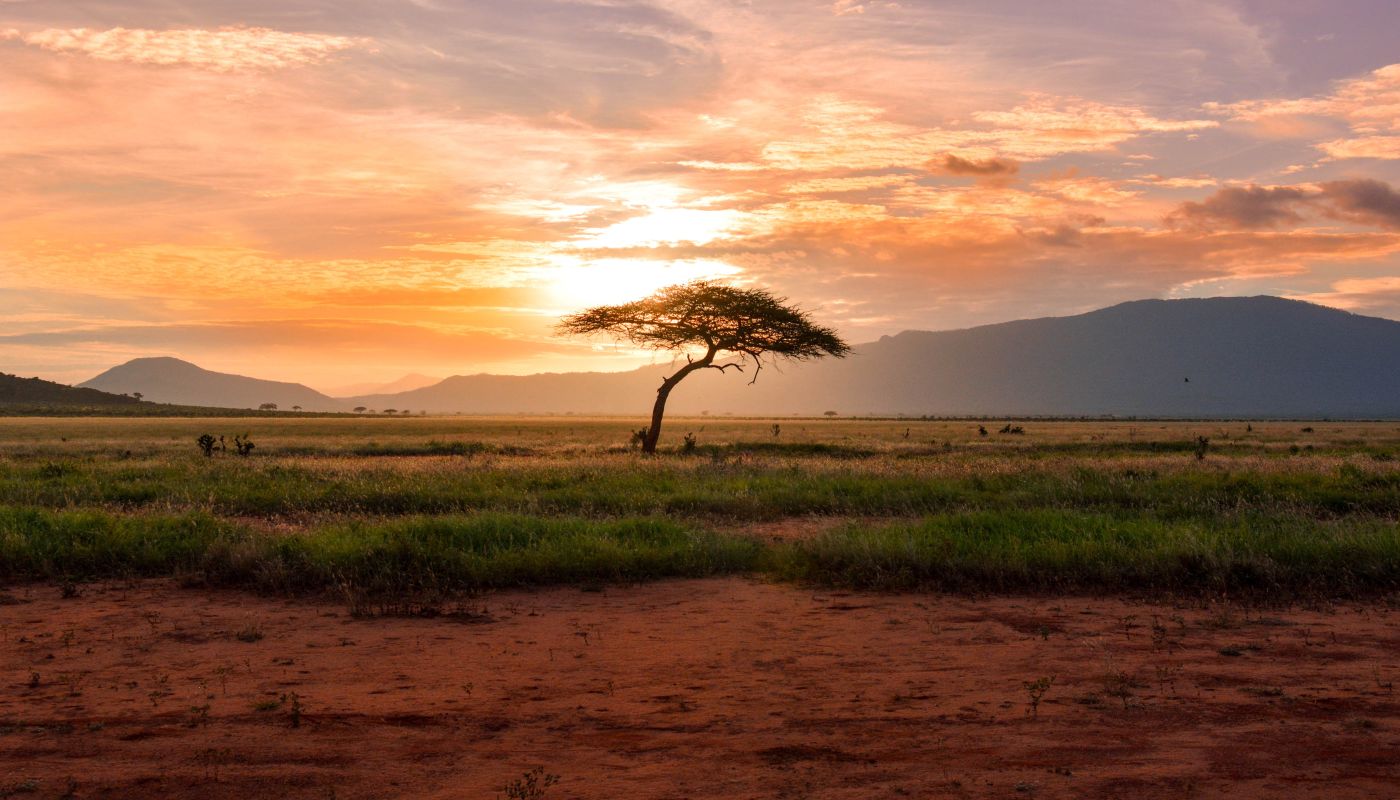
Landscape of South Africa
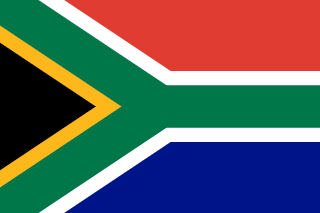
Flag of South Africa

South Africa

Africa

South Africa is a country located at the southern tip of Africa, known for its stunning landscapes including the iconic Table Mountain and Kruger National Park, unique wildlife, and history of apartheid. With a population of over 60 million people, South Africa is a developing country that has made progress in areas such as healthcare, education, and infrastructure. The country's economy is based on natural resources, manufacturing, and services, but it faces challenges related to income inequality, unemployment, and crime.

What would you like to learn about in South Africa?

Select a section to explore the country where nonprofits are creating positive change.

About South Africa

Dutch traders landed at the southern tip of modern day South Africa in 1652 and established a stopover point on the spice route between the Netherlands and the Far East, founding the city of Cape Town. After the British seized the Cape of Good Hope area in 1806, many of the Dutch settlers (the Boers) trekked north to found their own republics. The discovery of diamonds (1867) and gold (1886) spurred wealth and immigration and intensified the subjugation of the native inhabitants. The Boers resisted British encroachments but were defeated in the Boer War (1899-1902); however, the British and the Afrikaners, as the Boers became known, ruled together beginning in 1910 under the Union of South Africa, which became a republic in 1961 after a whites-only referendum. In 1948, the National Party was voted into power and instituted a policy of apartheid - the separate development of the races - which favored the white minority at the expense of the black majority. The African National Congress (ANC) led the opposition to apartheid and many top ANC leaders, such as Nelson MANDELA, spent decades in South Africa's prisons. Internal protests and insurgency, as well as boycotts by some Western nations and institutions, led to the regime's eventual willingness to negotiate a peaceful transition to majority rule. The first multi-racial elections in 1994 brought an end to apartheid and ushered in majority rule under an ANC-led government. South Africa since then has struggled to address apartheid-era imbalances in decent housing, education, and health care. ANC infighting, which has grown in recent years, came to a head in September 2008 when President Thabo MBEKI resigned, and Kgalema MOTLANTHE, the party's General-Secretary, succeeded him as interim president. Jacob ZUMA became president after the ANC won general elections in April 2009.

Quick Facts

Population
48,601,098 (July 2013 est.)
Area
1,219,090 sq km
ISO Code
ZA
Continent
Africa
Government
republic
Active Causes
12
View all countries in Africa

Geography & Environment

Climate

mostly semiarid; subtropical along east coast; sunny days, cool nights

Terrain

vast interior plateau rimmed by rugged hills and narrow coastal plain

Natural Resources

gold, chromium, antimony, coal, iron ore, manganese, nickel, phosphates, tin, rare earth elements, uranium, gem diamonds, platinum, copper, vanadium, salt, natural gas

Environmental Issues

lack of important arterial rivers or lakes requires extensive water conservation and control measures; growth in water usage outpacing supply; pollution of rivers from agricultural runoff and urban di...

People & Society

49.48 years
Avg. Life Expectancy
93%
Literacy Rate
62% of total population (2011)
Total Urban Population

Languages

IsiZulu (official) 23.82%, IsiXhosa (official) 17.64%, Afrikaans (official) 13.35%, Sepedi (offcial) 9.39%, English (official) 8.2%, Setswana (officia...

Religions

Protestant 36.6% (Zionist Christian 11.1%, Pentecostal/Charismatic 8.2%, Methodist 6.8%, Dutch Reformed 6.7%, Anglican 3.8%), Catholic 7.1%, Muslim 1....

Health Expenditure

8.9% of GDP (2010) of GDP

Education Expenditure

6% of GDP (2010) of GDP

Economy

$11,600
GDP per Capita (PPP)
22.7%
Unemployment Rate
31.3% (2009 est.)
Below Poverty Line

Economic Overview

South Africa is a middle-income, emerging market with an abundant supply of natural resources; well-developed financial, legal, communications, energy, and transport sectors and a stock exchange that is the 15th largest in the world. Even though the country possesses modern infrastructure that support a relatively efficient distribution of goods to major urban centers throughout the region, some components retard growth. The economy began to slow in the second half of 2007 due to an electricity crisis. State power supplier Eskom encountered problems with aging plants and meeting electricity de...

Causes in South Africa

Environment

South Africa, a country known for its rich biodiversity and stunning landscapes, faces significant environmental challenges that impact its people and ecosystems. Climate change has brought about more frequent droughts and erratic weather patterns, putting pressure on agriculture and water resources. Pollution from industries and mining activities has led to water contamination and air pollution, affecting the health of communities living nearby. Deforestation and habitat destruction threaten wildlife species, some of which are already endangered. These environmental issues not only jeopardize the country's natural heritage but also pose risks to human health and economic stability. Addressing these challenges requires collective efforts from government, businesses, and individuals to promote sustainable practices and conservation efforts.

Family

In South Africa, family plays a crucial role in shaping individuals and communities, impacting various aspects of society. Family units in South Africa often extend beyond the nuclear family to include relatives and close family friends, creating a strong sense of kinship and support networks. The concept of "Ubuntu," emphasizing the interconnectedness and interdependence of all individuals, underpins many familial relationships in the country. However, challenges such as high rates of poverty, unemployment, and social inequality can strain families and erode their ability to provide support and stability. Additionally, issues like domestic violence, substance abuse, and HIV/AIDS can further disrupt family dynamics and have far-reaching consequences on individuals and society as a whole. Understanding the complexities of family life in South Africa is crucial for addressing social issues and promoting well-being within the country.

Human Rights

South Africa has a complex history with human rights issues, stemming from the apartheid era that ended in 1994. Despite significant progress since then, challenges remain in ensuring the protection of human rights for all its citizens. Issues such as discrimination, gender-based violence, access to healthcare, and economic inequality continue to impact the lives of many South Africans. The country has made efforts to address these issues through legislation and policy measures, but implementation and enforcement remain key challenges. Promoting human rights in South Africa is crucial for achieving social justice and equality for all its people.

Education

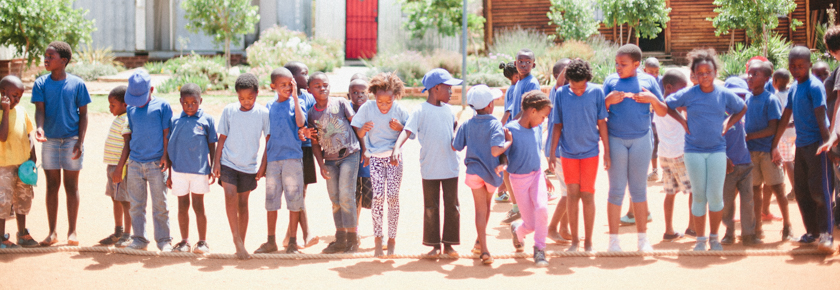
South Africa faces significant challenges in its education system, with longstanding inequalities and disparities that continue to impact the country's development. The legacy of apartheid has left a lasting imprint on the education sector, with issues such as unequal access to quality education, under-resourced schools, and a lack of skilled teachers prevalent across the nation. These disparities perpetuate social and economic divides, hindering progress towards a more equitable society. Despite efforts to improve the system, including initiatives to address infrastructure deficits and enhance teacher training, significant work remains to be done to ensure that all South African children have equal opportunities to receive a quality education. Addressing these educational challenges is crucial for the country's future prosperity and social cohesion.

Poverty

South Africa is a country rife with socioeconomic challenges, with poverty being a significant concern that affects a large portion of its population. According to the World Bank, over 55% of South Africans live below the national poverty line, which amounts to less than $2.30 a day. The impact of poverty in South Africa is far-reaching, leading to inadequate access to basic necessities such as education, healthcare, and housing. This perpetuates a cycle of poverty that disproportionately affects marginalized communities, exacerbating social inequalities and hindering overall economic development. Addressing the root causes of poverty in South Africa requires comprehensive strategies that focus on improving education and skills training, creating employment opportunities, and enhancing social welfare programs to support those most in need.

Religion

Religion in South Africa holds significant influence over the country's social fabric, culture, and history. With a diverse population encompassing various faith traditions such as Christianity, Islam, Hinduism, and traditional African religions, religious beliefs play a crucial role in shaping the lives of South Africans. Christianity remains the dominant religion, with a large portion of the population identifying as Christian. Churches not only serve as places of worship but also as community centers that provide social services and support to those in need. Islam is also widely practiced, particularly among the Cape Malay community. Religious festivals and ceremonies are celebrated with fervor across the country, reflecting the rich tapestry of beliefs present in South Africa. Despite its unifying potential, religion has also been a source of conflict at times, particularly during periods of political tension. Overall, religion in South Africa is a multifaceted aspect of society that continues to shape and influence various aspects of daily life.

Clean Water

South Africa, a country known for its diverse landscapes and rich cultural heritage, faces significant challenges in ensuring access to clean water for all its citizens. The issue of clean water scarcity is particularly acute in rural areas and impoverished communities, where infrastructure is often lacking and water sources are contaminated. The lack of access to clean water not only jeopardizes public health but also hinders economic development and perpetuates social inequalities. Inadequate sanitation facilities further exacerbate the problem, leading to waterborne diseases and preventable deaths. Addressing the issue of clean water scarcity in South Africa requires a multi-faceted approach involving government intervention, community engagement, and sustainable water management practices.

Economy

South Africa, a country located in the southernmost part of Africa, has a diverse economy that plays a crucial role in shaping its society. The economy of South Africa is characterized by sectors such as mining, agriculture, manufacturing, and services. However, despite being the most developed economy on the continent, South Africa faces significant challenges such as high unemployment rates, income inequality, and poverty. The impact of the economy on the people of South Africa is profound; it influences their access to education, healthcare, housing, and overall quality of life. Economic factors also play a role in shaping social issues such as crime rates and social unrest. Therefore, understanding and addressing the complexities of South Africa's economy is essential for sustainable development and improving the well-being of its citizens.

Government

South Africa is a country with a complex history that has significantly shaped its present state. The government in South Africa plays a crucial role in various aspects of the country, including policy-making, resource allocation, and service delivery. The impact of the government on South Africa is profound, influencing its economy, social welfare programs, and overall stability. The government's policies and actions can either foster development and progress or exacerbate existing challenges such as inequality, poverty, and corruption. By understanding the role of the government in South Africa, individuals can better comprehend the systemic issues facing the country and work towards advocating for positive change.

Health

South Africa faces significant health challenges that have a profound impact on its population. The country suffers from a high burden of infectious diseases, including HIV/AIDS, tuberculosis, and malaria. Non-communicable diseases such as diabetes and hypertension are also on the rise. Limited access to healthcare services, especially in rural areas, exacerbates these issues. Maternal and child health outcomes remain poor, with high rates of maternal and infant mortality. Additionally, social determinants such as poverty, unemployment, and inadequate sanitation contribute to the overall health disparities in the country. Addressing these health challenges requires a holistic approach that addresses both medical and social factors to improve the well-being of all South Africans.

Children

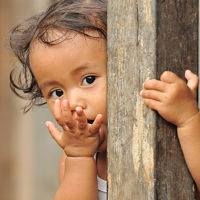
In South Africa, children face numerous challenges that significantly impact their well-being. The country grapples with high levels of poverty, limited access to quality education, and widespread health issues such as HIV/AIDS. These factors contribute to a cycle of disadvantage that hinders children's opportunities for a better future. Additionally, South Africa has one of the highest rates of violence against children in the world, with many experiencing abuse, neglect, and exploitation. These adverse circumstances not only affect the current generation but also have long-term implications for the country's development and stability. It is imperative that concerted efforts are made to address these issues and ensure a brighter future for South Africa's children.

Animals

South Africa boasts a rich biodiversity, hosting a wide array of animals that play a significant role in the country's ecosystem and economy. The presence of iconic species such as lions, elephants, and rhinoceroses draws tourists from around the world, contributing to the country's tourism industry. However, the impact of human activities, such as habitat destruction, poaching, and climate change, poses a grave threat to these animals. For instance, the illegal wildlife trade has led to a decline in rhino populations, with an average of three rhinos being poached every day in South Africa. Conservation efforts are crucial to protect these animals and preserve the country's natural heritage for future generations.

Nonprofits Working in South Africa

Discover organizations making a difference in South Africa

Rising International

Rising International

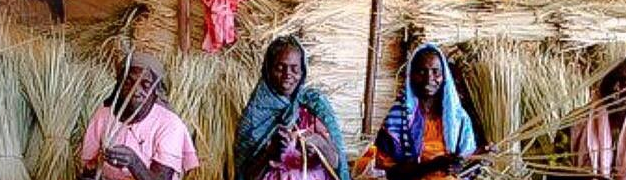
Our Unique Local-Global Solution Rising International is a nonprofit organization that has revolutionized the home party business model to alleviate poverty locally and globally. Think Avon or Tupperware for a social cause. We find the world’s most forgotten women (like Fatima) and enable them to change their destinies by selling their handmade crafts at Rising Home and Corporate Parties. We train women and teens, many un-employed or under- employed, (like Susana) to run their own Rising Home Party businesses and sell crafts made by their global sisters. We search the U.S. for party hosts (like Nancy) who invite friends to their homes to shop. Our sustainable model empowers both local and global entrepreneurs to rise above their circumstances.

Santa Cruz, California

Make Your Impact Today

Discover causes you care about and support the nonprofits making a difference in communities around the world.

Are you a nonprofit? Join Project World Impact for free

Join Us Free