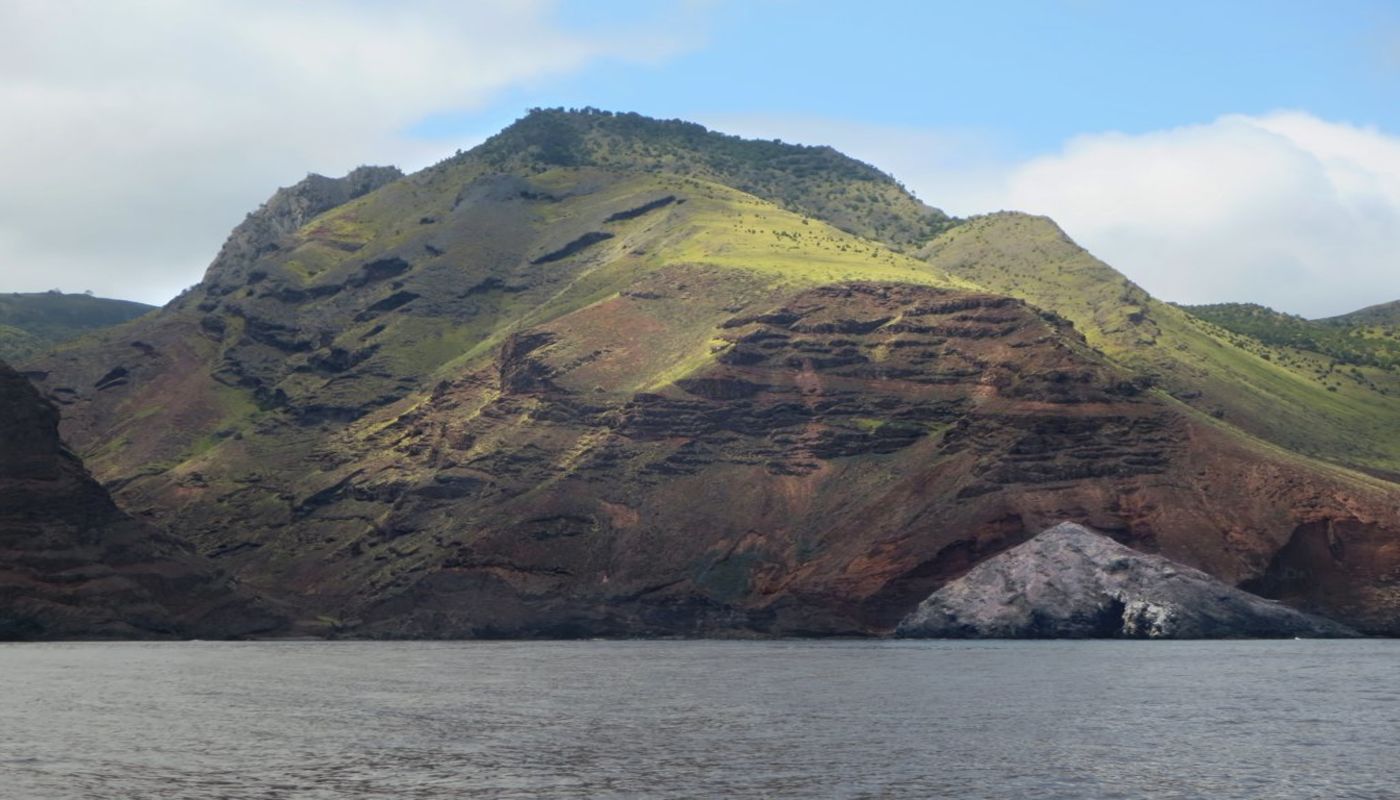
Landscape of St.Helena
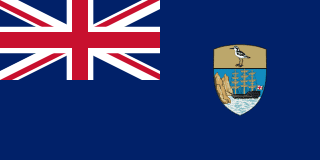
Flag of St.Helena

St.Helena

Africa

St. Helena is a remote island territory located in the South Atlantic Ocean. With a population of just over 4,000 people, St. Helena is a British Overseas Territory that has faced challenges related to isolation, economic sustainability, and environmental conservation. The island is heavily dependent on aid from the British government, but there are opportunities for growth and development in areas such as tourism and agriculture.
What would you like to learn about in St.Helena?

Select a section to explore the country where nonprofits are creating positive change.

About St.Helena

St. Helena is a remote island territory located in the South Atlantic Ocean. With a population of just over 4,000 people, St. Helena is a British Overseas Territory that has faced challenges related to isolation, economic sustainability, and environmental conservation. The island is heavily dependent on aid from the British government, but there are opportunities for growth and development in areas such as tourism and agriculture.
Causes in St.Helena

Environment

Saint Helena, a remote British Overseas Territory located in the South Atlantic Ocean, faces various environmental challenges that significantly impact its ecosystem and residents. The island's limited land area and fragile ecosystems are particularly vulnerable to the effects of climate change, such as rising sea levels, extreme weather events, and ocean acidification. These environmental changes have direct consequences on Saint Helena's biodiversity, agriculture, and water resources. Deforestation, soil erosion, and invasive species also pose significant threats to the island's unique flora and fauna. Additionally, waste management and pollution issues contribute to the degradation of Saint Helena's natural environment. As a small and isolated island nation, Saint Helena relies heavily on its natural resources for sustenance and economic activities, making it imperative to address these environmental challenges effectively to ensure the long-term sustainability of the island.

Family

Family plays a significant role in the social fabric of St. Helena, a British Overseas Territory located in the South Atlantic Ocean. The community on the island places a strong emphasis on family values, with close-knit familial ties serving as a cornerstone of society. The concept of family extends beyond nuclear relationships to include extended family members and even close friends, creating a sense of interconnectedness and support among individuals. Family structures on the island often involve multiple generations living together or in close proximity, fostering a sense of unity and mutual care. In St. Helena, families provide emotional support, financial assistance, and practical help, contributing to the well-being and resilience of individuals within the community.

Human Rights

St. Helena, a remote British Overseas Territory in the South Atlantic Ocean, faces unique challenges regarding human rights. The island's small population and geographical isolation can limit access to essential services and opportunities, affecting various human rights aspects such as healthcare, education, and employment. Limited resources and infrastructure can also pose obstacles to the realization of human rights for its residents. Additionally, cultural norms and historical factors may influence social attitudes towards certain groups, potentially impacting their rights and freedoms. Despite efforts to promote human rights on the island, ongoing vigilance and support are necessary to address these challenges effectively and ensure that all individuals in St. Helena can enjoy their fundamental rights.

Education

St. Helena, a remote British Overseas Territory located in the South Atlantic Ocean, faces unique challenges due to its isolation. Education plays a crucial role in shaping the future of the island's population and its sustainable development. With limited resources and access to higher education opportunities, St. Helena has been actively working on improving its educational system to empower its citizens and equip them with the skills needed to thrive in a rapidly changing world. By investing in education, the country aims to break the cycle of poverty, reduce unemployment rates, and foster social progress. The government's efforts in providing quality education are vital for ensuring a brighter future for the people of St. Helena.

Poverty

St. Helena, a British Overseas Territory located in the South Atlantic Ocean, faces significant challenges related to poverty. With a population of around 4,500 people, the island's economy is heavily reliant on government aid, fishing, and agriculture. Limited employment opportunities and high living costs contribute to a poverty rate of approximately 28%, with many residents struggling to meet their basic needs. Poverty on St. Helena not only affects individuals' access to necessities such as food, housing, and healthcare but also impacts the overall well-being and development of the community. It is crucial to address these socioeconomic disparities through targeted interventions and support mechanisms to uplift the quality of life for all residents on the island.

Religion

Saint Helena is a British Overseas Territory in the South Atlantic Ocean known for its remote location and unique cultural heritage. Religion plays a significant role in the daily lives of the residents of Saint Helena, with Christianity being the predominant faith. The island has a long history of Christian influence, dating back to the early 16th century when Portuguese explorers first visited. Today, the island is home to a variety of Christian denominations, including Anglican, Baptist, Roman Catholic, and Seventh-day Adventist churches. Religious practices and traditions are deeply ingrained in the social fabric of Saint Helena, shaping community values, customs, and celebrations. While religion serves as a source of comfort and guidance for many residents, it also contributes to a sense of unity and shared identity among the island's population.

Clean Water

St. Helena, a remote British Overseas Territory located in the South Atlantic Ocean, faces significant challenges in ensuring access to clean water for its population. With limited freshwater resources and a reliance on rainwater harvesting as the primary source of drinking water, the island strives to manage its water supply sustainably. The impact of inadequate access to clean water on St. Helena is profound, affecting public health, agriculture, and overall economic development. Contaminated water sources can lead to waterborne diseases, compromised sanitation, and reduced agricultural productivity. As a result, initiatives to improve water quality through infrastructure development, conservation efforts, and public awareness campaigns are crucial for the well-being of the island's residents and the preservation of its ecosystem.

Economy

St. Helena, a British Overseas Territory located in the South Atlantic Ocean, faces unique economic challenges due to its remote location and small population. With limited natural resources and a small domestic market, the island heavily relies on external aid and subsidies from the UK government to sustain its economy. The lack of a diversified economy makes St. Helena vulnerable to external shocks, such as fluctuations in aid funding or disruptions in transportation links. The island has been striving to boost its economy through initiatives like developing tourism, agriculture, and fishing industries. However, the economic progress is slow, hindered by factors like geographical isolation, limited infrastructure, and high operating costs. The sustainability of St. Helena's economy remains a pressing concern for the island's long-term development and prosperity.

Government

St. Helena, a British Overseas Territory located in the South Atlantic Ocean, faces various challenges due to its remote location. The government of St. Helena plays a crucial role in addressing these challenges and shaping the island's development. With a small population and limited resources, the government focuses on providing essential services such as healthcare, education, and infrastructure development. Additionally, the government works to promote economic growth through tourism, agriculture, and sustainable development initiatives. However, issues such as limited job opportunities, high cost of living, and environmental concerns pose significant challenges to the sustainable development of St. Helena. Despite these challenges, the government continues to work towards improving the quality of life for its residents and preserving the unique environment of the island.

Health

St. Helena, a remote island in the South Atlantic Ocean, faces unique health challenges due to its isolated location and limited access to healthcare resources. The island's small population of around 4,500 inhabitants relies on a single hospital and a few health clinics for medical care, making it difficult to provide comprehensive healthcare services. This lack of resources results in delays in accessing healthcare, limited treatment options, and challenges in managing chronic conditions. Additionally, St. Helena has a high prevalence of non-communicable diseases such as diabetes and hypertension, which are further exacerbated by limited access to fresh produce and healthy food options on the island. The impact of these health challenges is significant, affecting the overall well-being and quality of life of the residents of St. Helena.

Children

St. Helena, a remote British Overseas Territory located in the South Atlantic Ocean, faces unique challenges that impact its children. With a population of just over 4,000 people, the island's limited resources and isolation contribute to issues such as limited access to quality education and healthcare services for its youth. The lack of diverse employment opportunities also poses a threat to the future prospects of children on the island, leading to potential barriers in their socio-economic development. Furthermore, environmental concerns, such as the impact of climate change and limited water resources, can have detrimental effects on the well-being of St. Helena's children. Raising awareness about these challenges is crucial to fostering support and implementing sustainable solutions to improve the lives of the island's youth.

Animals

St. Helena, a remote island in the South Atlantic Ocean, is home to a unique array of flora and fauna, some of which are found nowhere else on Earth. The animals on St. Helena play a crucial role in maintaining the delicate balance of its ecosystem. The extinction of species on the island due to various factors such as habitat destruction, invasive species, and climate change poses a significant threat to the biodiversity of the region. For example, the critically endangered Wirebird, the national bird of St. Helena, faces threats from habitat loss and predation by introduced species. Additionally, marine life around the island, including endangered whale species and seabirds, are also vulnerable to human activities such as overfishing and pollution. Conservation efforts on St. Helena are essential to safeguard the unique wildlife that inhabits this isolated island.

Make Your Impact Today

Discover causes you care about and support the nonprofits making a difference in communities around the world.

Are you a nonprofit? Join Project World Impact for free

Join Us Free