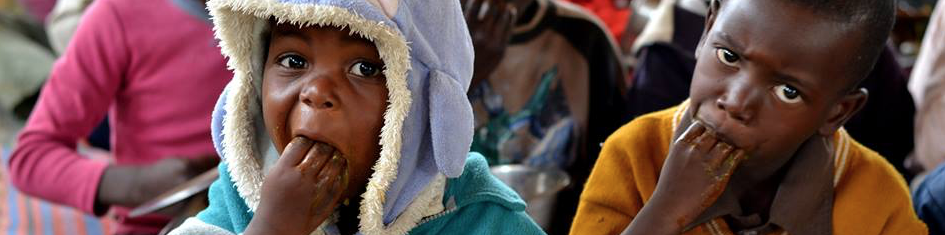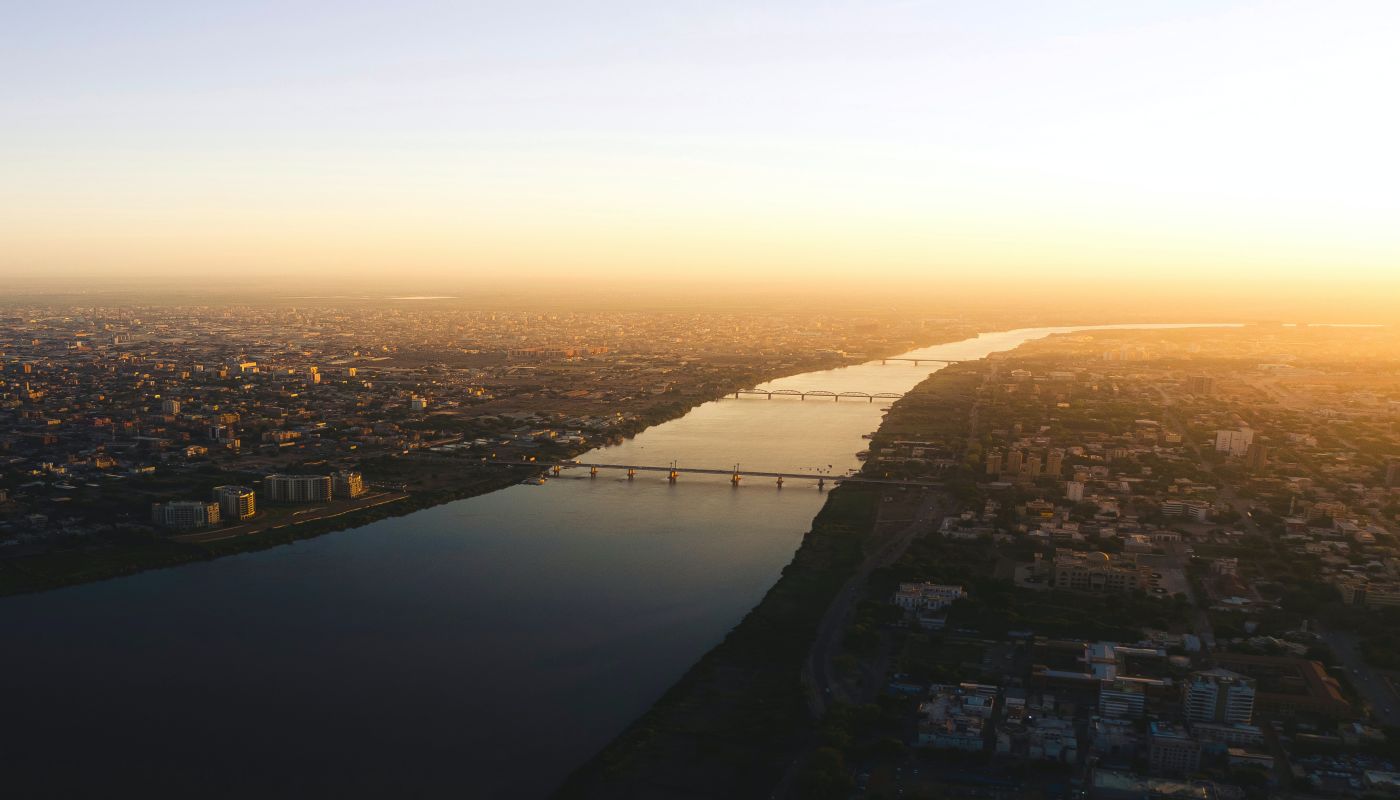
Landscape of Sudan
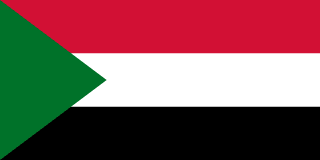
Flag of Sudan

Sudan

Africa

Sudan is a large country located in North Africa, known for its rich history, stunning natural landscapes, and challenging political situation. With a population of over 40 million people, Sudan is a developing country that has faced significant challenges related to political instability, poverty, and armed conflict. The country's economy is based on agriculture and natural resources, but it also faces challenges related to environmental degradation, human rights, and economic diversification.

What would you like to learn about in Sudan?

Select a section to explore the country where nonprofits are creating positive change.

About Sudan

Military regimes favoring Islamic-oriented governments have dominated national politics since independence from the UK in 1956. Sudan was embroiled in two prolonged civil wars during most of the remainder of the 20th century. These conflicts were rooted in northern economic, political, and social domination of largely non-Muslim, non-Arab southern Sudanese. The first civil war ended in 1972 but broke out again in 1983. The second war and famine-related effects resulted in more than four million people displaced and, according to rebel estimates, more than two million deaths over a period of two decades. Peace talks gained momentum in 2002-04 with the signing of several accords. The final North/South Comprehensive Peace Agreement (CPA), signed in January 2005, granted the southern rebels autonomy for six years followed by a referendum on independence for Southern Sudan. The referendum was held in January 2011 and indicated overwhelming support for independence. South Sudan became independent on 9 July 2011. Since southern independence Sudan has been combating rebels from the Sudan People's Liberation Movement-North (SPLM-N) in Southern Kordofan and Blue Nile states. A separate conflict, which broke out in the western region of Darfur in 2003, has displaced nearly two million people and caused an estimated 200,000 to 400,000 deaths. The UN took command of the Darfur peacekeeping operation from the African Union in December 2007. Peacekeeping troops have struggled to stabilize the situation, which has become increasingly regional in scope and has brought instability to eastern Chad. Sudan also has faced large refugee influxes from neighboring countries primarily Ethiopia and Chad. Armed conflict, poor transport infrastructure, and lack of government support have chronically obstructed the provision of humanitarian assistance to affected populations.

Quick Facts

Population
34,847,910
Area
1,861,484 sq km
ISO Code
SD
Continent
Africa
Government
Federal republic ruled by the National Congress Party the (NCP), which came to power by military coup in 1989; the CPA-mandated Government of National Unity, which since 2005 provided a percentage of leadership posts to the south Sudan-based Sudan People's Liberation Movement (SPLM), was disbanded following the secession of South Sudan.
Active Causes
12
View all countries in Africa

Geography & Environment

Climate

hot and dry; arid desert; rainy season varies by region (April to November)

Terrain

generally flat, featureless plain; desert dominates the north

Natural Resources

petroleum; small reserves of iron ore, copper, chromium ore, zinc, tungsten, mica, silver, gold; hydropower

Environmental Issues

inadequate supplies of potable water; wildlife populations threatened by excessive hunting; soil erosion; desertification; periodic drought

People & Society

62.95 years
Avg. Life Expectancy
71.9%
Literacy Rate
33.2% of total population (2011)
Total Urban Population

Languages

Arabic (official), English (official), Nubian, Ta Bedawie, Fur

Religions

Sunni Muslim, small Christian minority

Health Expenditure

6.3% of GDP (2010) of GDP

Education Expenditure

NA of GDP

Economy

$2,600
GDP per Capita (PPP)
20%
Unemployment Rate
46.5% (2009 est.)
Below Poverty Line

Economic Overview

Sudan is an extremely poor country that has had to deal with social conflict, civil war, and the July 2011 secession of South Sudan - the region of the country that had been responsible for about three-fourths of the former Sudan's total oil production. The oil sector had driven much of Sudan's GDP growth since it began exporting oil in 1999. For nearly a decade, the economy boomed on the back of increases in oil production, high oil prices, and significant inflows of foreign direct investment. Following South Sudan''s secession, Sudan has struggled to maintain economic stability, because oil...

Causes in Sudan

Environment

Sudan, located in northeastern Africa, is a country that grapples with significant environmental challenges. The country's environment has a profound impact on its population, economy, and overall well-being. Sudan faces issues such as deforestation, desertification, water scarcity, and loss of biodiversity due to factors like climate change and unsustainable agricultural practices. The degradation of natural resources further exacerbates food insecurity and poverty in the region. These environmental challenges not only threaten the livelihoods of the Sudanese people but also contribute to conflicts and displacement within the country. It is crucial for stakeholders to address these environmental issues through sustainable practices and policies to ensure a more secure and prosperous future for Sudan and its inhabitants.

Family

In Sudan, the concept of family plays a vital role in shaping social structures and cultural norms within the society. Families in Sudan are typically large and extended, encompassing not only immediate family members but also relatives beyond the nuclear family. The importance of family is deeply ingrained in Sudanese culture, influencing various aspects of daily life, decision-making processes, and societal expectations. Family units provide emotional support, financial assistance, and a sense of belonging for individuals, especially in times of need or crisis. Moreover, familial ties serve as a cornerstone for social cohesion and community solidarity in Sudanese society. However, economic challenges, political instability, and conflict have strained many families in Sudan, leading to disruptions in traditional family dynamics and posing significant challenges to social welfare and stability. Source: United Nations Development Programme (UNDP) - Sudan. "Sudan: Family and Community Development." Retrieved from [insert link here]

Human Rights

Sudan, a country located in North Africa, has long been plagued by human rights violations that have had a profound impact on its population. The Sudanese people have faced issues such as conflict, displacement, and lack of access to basic services due to ongoing political instability and government repression. Human rights abuses in Sudan have included arbitrary arrests, torture, restrictions on freedom of expression and assembly, and discrimination based on ethnicity and religion. These violations have led to a humanitarian crisis, with millions of Sudanese people in need of assistance and protection. It is crucial for the international community to advocate for the protection of human rights in Sudan to ensure the well-being and dignity of its citizens.

Education

Sudan, a country in Northeast Africa, faces numerous challenges in its education system that significantly impact its population. With a literacy rate of approximately 60%, Sudan struggles to provide quality education to its citizens due to various factors such as limited resources, inadequate infrastructure, and political instability. The lack of access to proper education has contributed to high levels of poverty, unemployment, and social inequalities in the country. Additionally, the ongoing conflicts in Sudan have disrupted the education system, with many children being forced out of school and deprived of their right to learn. Addressing these obstacles and investing in education is crucial for Sudan to achieve long-term stability, economic growth, and social development.

Poverty

Sudan, a country in North Africa, grapples with widespread poverty that has profound impacts on its population. The World Bank estimates that over 40% of Sudanese people live below the poverty line, struggling to access basic necessities such as food, clean water, and healthcare. Poverty in Sudan is exacerbated by factors such as political instability, conflict, and natural disasters, which have hindered economic development and perpetuated cycles of deprivation. The lack of infrastructure and limited access to education further contribute to the persistence of poverty in Sudan, particularly in rural areas where resources are scarce. Addressing poverty in Sudan requires comprehensive strategies that focus on improving livelihoods, promoting sustainable development, and fostering economic growth to uplift the most vulnerable populations in the country. (Source: World Bank)

Religion

Sudan, a country located in North Africa, is deeply influenced by religion, particularly Islam. Islam plays a significant role in the daily lives of Sudanese people, shaping their cultural practices, societal norms, and political landscape. The majority of Sudan's population adheres to Sunni Islam, with Islamic principles guiding various aspects of their lives, including family structure, education, and governance. The intertwining of religion and politics in Sudan has led to periods of conflict and instability, with religious differences often fueling tensions within the diverse population. Despite efforts to promote religious tolerance and inclusivity, challenges remain in ensuring equal rights and opportunities for all citizens regardless of their religious beliefs in Sudan.

Clean Water

Sudan, a country located in North Africa, faces significant challenges in accessing clean water. With a population of over 40 million people, many Sudanese lack access to safe and clean water sources, leading to serious health implications. Contaminated water sources contribute to the spread of diseases such as cholera, typhoid, and diarrhea, particularly affecting children and vulnerable communities. The scarcity of clean water is exacerbated by environmental factors such as droughts and the lack of infrastructure for water purification and distribution. Addressing the issue of clean water accessibility in Sudan is crucial not only for improving public health but also for promoting economic development and stability in the region.

Economy

Sudan, located in Northeast Africa, faces significant economic challenges that have a profound impact on its population. With a GDP heavily reliant on agriculture, the country has struggled with recurring droughts and political instability, leading to food insecurity and economic setbacks. Sudan's economy is also heavily affected by international sanctions and limited access to foreign investment, hindering its growth potential. The high inflation rate and currency depreciation further exacerbate the economic hardships faced by its people. The consequences of these economic challenges are far-reaching, with many Sudanese experiencing poverty, unemployment, and limited access to basic services such as healthcare and education. Addressing these economic issues is crucial to improving the well-being of Sudan's population and fostering sustainable development in the country.

Government

Sudan, a country located in northeastern Africa, has faced numerous challenges due to the impact of its government on its citizens. The government in Sudan has historically been characterized by instability, corruption, and human rights abuses, resulting in widespread poverty, lack of access to basic services, and political repression. The lack of transparency and accountability within the government has further exacerbated these issues, leading to social unrest and economic instability. The government's actions have also contributed to conflicts within the country, particularly in regions such as Darfur and South Kordofan, where violence and displacement have had devastating effects on the population. It is crucial for international attention to be focused on Sudan to address these issues and support efforts towards peace, stability, and development in the region.

Health

Sudan, located in North Africa, faces numerous health challenges that significantly impact its population. The country's health system has been strained by decades of conflict, inadequate infrastructure, limited access to healthcare services, and a high burden of infectious diseases such as malaria, tuberculosis, and cholera. Malnutrition is also prevalent, especially among children, leading to stunted growth and developmental issues. The ongoing humanitarian crisis in Sudan further exacerbates the health situation, with millions of people in need of assistance due to food insecurity and lack of healthcare. Addressing these health challenges requires significant investment in healthcare infrastructure, resources, and personnel to ensure access to quality healthcare for all Sudanese citizens.

Children

Sudan, a country in Northeast Africa, faces a multitude of challenges that significantly impact children. The ongoing conflicts and political instability in Sudan have led to widespread violence, displacement, and a breakdown of essential services, disproportionately affecting children. Children in Sudan are subjected to various forms of abuse, exploitation, and recruitment into armed forces, robbing them of their childhood and future prospects. Additionally, the country's healthcare system is under immense strain, leading to high child mortality rates due to preventable diseases and malnutrition. Education in Sudan is also severely disrupted, with many children unable to access quality schooling due to the conflict and economic hardships. It is crucial to address the root causes of these issues and work towards providing a safe and nurturing environment for children in Sudan to thrive and reach their full potential.

Animals

In Sudan, animals play a significant role in the lives of its people, impacting various aspects of their daily existence. Livestock such as cattle, sheep, and goats are crucial sources of food, income, and social status for many Sudanese communities, particularly nomadic herders who rely on these animals for their livelihood. Additionally, wildlife in Sudan, including species like elephants, giraffes, and antelopes, contribute to the country's rich biodiversity and serve as important ecological indicators. However, Sudan's animal populations face numerous threats, including habitat loss, poaching, and climate change, which have led to declining numbers of both domestic and wild animals. Conservation efforts are essential to protect Sudan's diverse fauna and ensure the sustainability of its ecosystems for future generations.

Nonprofits Working in Sudan

Discover organizations making a difference in Sudan

Make Your Impact Today

Discover causes you care about and support the nonprofits making a difference in communities around the world.

Are you a nonprofit? Join Project World Impact for free

Join Us Free