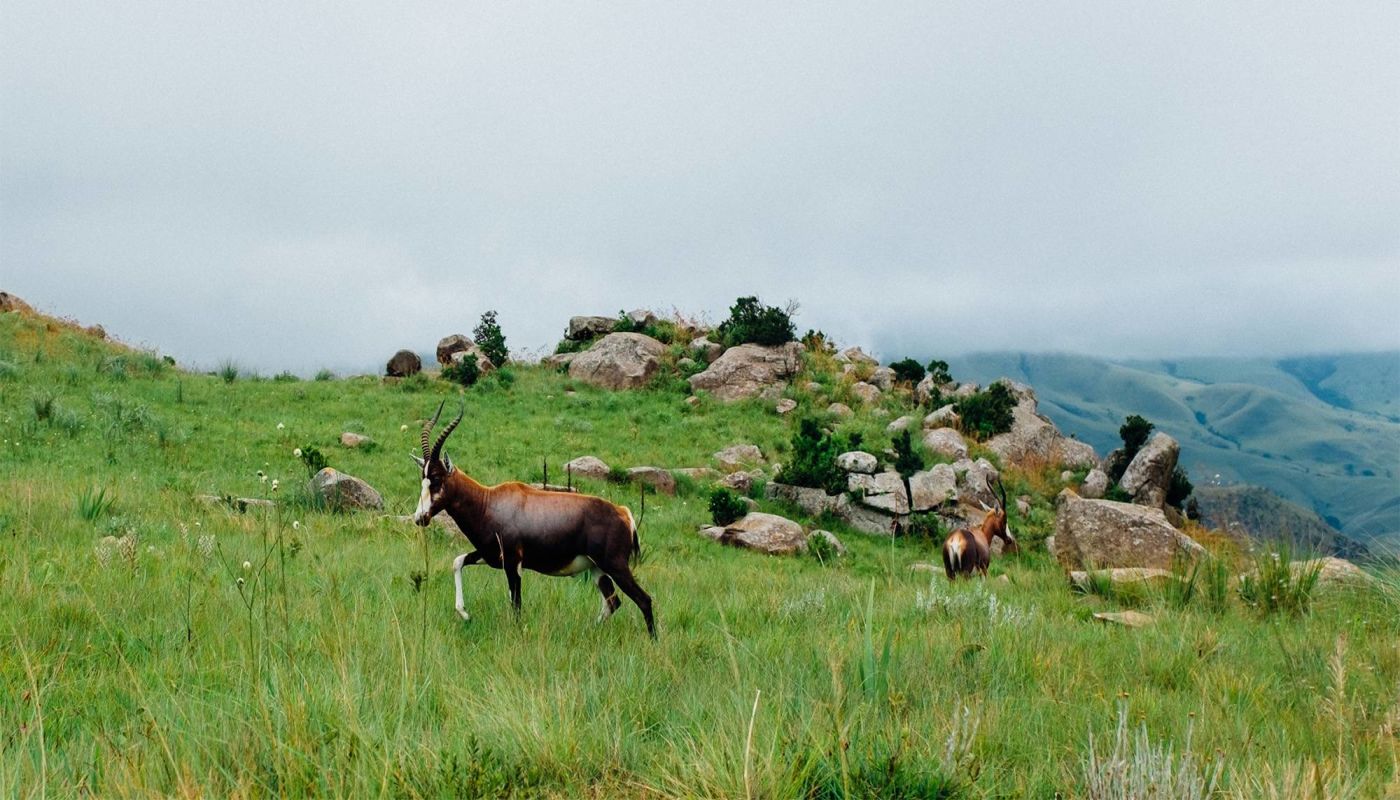
Landscape of Swaziland
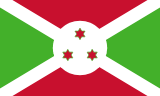
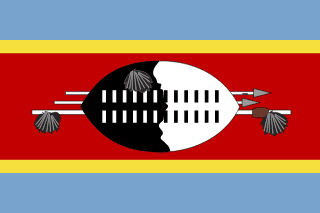
Flag of Swaziland

Swaziland

Africa

Eswatini (formerly Swaziland) is a small country bordered by South Africa to the west and Mozambique to the east. With a population of just over 1.1 million people, Eswatini is a developing country that has made progress in areas such as healthcare, education, and environmental conservation. The country is known for its challenges related to the HIV/AIDS epidemic, poverty, unemployment, and political stability. Eswatini is a monarchy with a traditional system of governance, but it also has a democratic parliament and has made efforts to promote human rights and gender equality. The country's economy is based on agriculture and natural resources, but it is working to diversify its economy and attract more foreign investment. Despite its challenges, Eswatini remains a resilient and determined nation, striving to build a brighter future.

What would you like to learn about in Swaziland?

Select a section to explore the country where nonprofits are creating positive change.

About Swaziland

Autonomy for the Swazis of southern Africa was guaranteed by the British in the late 19th century; independence was granted in 1968. Student and labor unrest during the 1990s pressured King MSWATI III, Africa's last absolute monarch, to grudgingly allow political reform and greater democracy, although he has backslid on these promises in recent years. A constitution came into effect in 2006, but the legal status of political parties remains unclear. The African United Democratic Party tried unsuccessfully to register as an official political party in mid 2006. Talks over the constitution broke down between the government and progressive groups in 2007. Swaziland recently surpassed Botswana as the country with the world's highest known HIV/AIDS prevalence rate.

Quick Facts

Population
1,403,362 (July 2013 est.)
Area
17,364 sq km
ISO Code
SZ
Continent
Africa
Government
monarchy
Active Causes
12
View all countries in Africa

Geography & Environment

Climate

varies from tropical to near temperate

Terrain

mostly mountains and hills; some moderately sloping plains

Natural Resources

asbestos, coal, clay, cassiterite, hydropower, forests, small gold and diamond deposits, quarry stone, and talc

Environmental Issues

limited supplies of potable water; wildlife populations being depleted because of excessive hunting; overgrazing; soil degradation; soil erosion

People & Society

50.01 years
Avg. Life Expectancy
87.8%
Literacy Rate
21.2% of total population (2011)
Total Urban Population

Languages

English (official, used for government business), siSwati (official)

Religions

Zionist 40% (a blend of Christianity and indigenous ancestral worship), Roman Catholic 20%, Muslim 10%, other (includes Anglican, Baha'i, Methodist, M...

Health Expenditure

6.6% of GDP (2010) of GDP

Education Expenditure

8.2% of GDP (2011) of GDP

Economy

$5,900
GDP per Capita (PPP)
40%
Unemployment Rate
69% (2006)
Below Poverty Line

Economic Overview

Surrounded by South Africa, except for a short border with Mozambique, Swaziland depends heavily on South Africa from which it receives more than 90% of its imports and to which it sends 60% of its exports. Swaziland's currency is pegged to the South African rand, effectively subsuming Swaziland's monetary policy to South Africa. The government is heavily dependent on customs duties from the Southern African Customs Union (SACU), and worker remittances from South Africa supplement domestically earned income. Subsistence agriculture employs approximately 70% of the population. The manufacturing...

Causes in Swaziland

Environment

Swaziland, a small landlocked country in Southern Africa, faces significant environmental challenges that impact its population and economy. Deforestation, soil erosion, and water scarcity are some of the key issues that have been exacerbated by climate change and unsustainable human activities. The loss of forests not only affects biodiversity but also contributes to soil degradation and reduced water availability. In a country where agriculture is a vital part of the economy, these environmental challenges can have far-reaching consequences, leading to food insecurity and economic instability. Additionally, Swaziland is vulnerable to extreme weather events such as droughts and floods, further threatening the well-being of its people. Addressing these environmental issues requires a concerted effort from both the government and the community to implement sustainable practices and policies that protect the country's natural resources for future generations.

Family

In Swaziland, the role of family holds significant cultural and societal importance, shaping the fabric of daily life for its citizens. Family serves as the cornerstone of social structure, providing emotional support, financial security, and a sense of belonging. The extended family system is prevalent in Swazi society, with multiple generations often living together under one roof and working collectively to sustain the household. This close-knit familial network plays a crucial role in childcare, education, and elder care, fostering a strong sense of interdependence and communal responsibility. However, despite these strong familial bonds, challenges such as poverty, HIV/AIDS prevalence, and traditional gender roles can strain family dynamics and impact overall well-being in Swaziland.

Human Rights

Swaziland, officially known as Eswatini, is a landlocked country in Southern Africa known for its rich cultural heritage and stunning landscapes. Despite its natural beauty, Swaziland faces significant challenges in upholding human rights within its borders. The country's governance structure, characterized by a monarchy with strong executive powers, has been criticized for limiting political freedoms and stifling dissent. Human rights issues such as restrictions on freedom of expression, assembly, and association have been reported by international organizations. Additionally, gender inequality and discrimination against marginalized groups persist in Swazi society, impacting access to education, healthcare, and economic opportunities. Efforts to address these human rights concerns are ongoing, but more work is needed to ensure that all Swazi citizens can fully enjoy their fundamental rights and freedoms.

Education

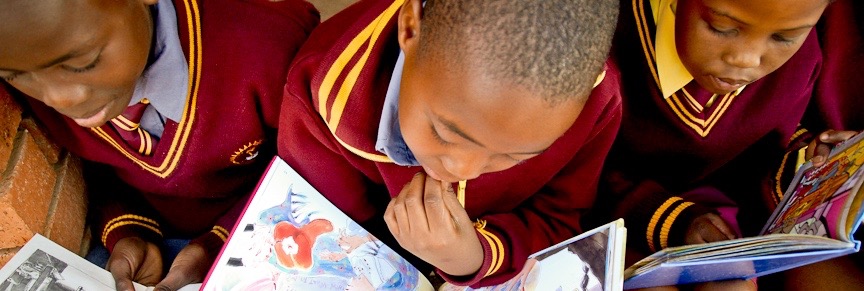
Swaziland, a landlocked country in Southern Africa, faces numerous challenges in the realm of education. Despite efforts to improve access to education, factors such as poverty, high HIV/AIDS prevalence, and cultural norms continue to hinder progress. The impact of these challenges is significant, with a large portion of the population lacking basic education and skills necessary for employment and economic development. Additionally, gender disparities persist in education, with girls often facing barriers to accessing schooling. Addressing these issues is crucial for Swaziland's future prosperity and development. By investing in education and ensuring equal opportunities for all, Swaziland can empower its citizens to break the cycle of poverty and contribute to the nation's growth.

Poverty

Swaziland, a landlocked country in Southern Africa, is grappling with the pervasive issue of poverty, which significantly impacts its population. According to the World Bank, approximately 60% of Swazis live below the national poverty line, struggling to access basic necessities such as food, clean water, and healthcare. The high prevalence of poverty in Swaziland exacerbates social inequalities, limits opportunities for education and economic advancement, and hampers overall development efforts. Moreover, the country's heavy reliance on agriculture, coupled with environmental challenges like droughts and soil degradation, further compounds the issue of poverty among its citizens. Source: World Bank. (2021). "Swaziland Overview." Retrieved from https://www.worldbank.org/

Religion

Swaziland, officially known as the Kingdom of Eswatini, is a landlocked country located in Southern Africa. Religion plays a significant role in the lives of the Swazi people, with Christianity being the dominant faith practiced by a majority of the population. The influence of religion can be observed in various aspects of Swazi society, including cultural traditions, moral values, and social norms. Churches and religious institutions hold a central place in the community, providing spiritual guidance, social support, and educational services. However, the country also embraces a diversity of beliefs, including traditional African religions and Islam, contributing to a rich tapestry of religious practices in Swaziland.

Clean Water

Swaziland, a landlocked country in Southern Africa, faces significant challenges in accessing clean water. With a population of approximately 1.3 million people, a large percentage of the rural population lacks access to safe drinking water, leading to waterborne diseases and health issues. The scarcity of clean water in Swaziland is exacerbated by factors such as climate change, deforestation, and inadequate infrastructure. The impact of unclean water on the population's health is profound, with diarrheal diseases being a leading cause of death among children under five years old. Improving access to clean water in Swaziland is essential for enhancing public health, reducing poverty, and promoting economic development in the country.

Economy

Swaziland, officially known as Eswatini, is a landlocked country located in Southern Africa. With a population of approximately 1.1 million people, the nation faces economic challenges that significantly impact its citizens' well-being. The economy of Swaziland heavily relies on agriculture, particularly sugar production, forestry, and mining. However, the country faces high unemployment rates and widespread poverty, which pose significant obstacles to its development. Limited access to quality education and healthcare further exacerbates the challenges faced by the population. The economic disparities in Swaziland have led to social issues such as inequality and limited opportunities for many of its residents. Efforts to address these challenges are ongoing, with a focus on sustainable economic growth and development strategies.

Government

Swaziland, officially known as the Kingdom of Eswatini, is a landlocked country located in Southern Africa. With a population of approximately 1.2 million people, Swaziland faces various challenges, including high rates of HIV/AIDS, poverty, and limited access to healthcare and education. The government of Swaziland plays a crucial role in addressing these issues and shaping the country's development trajectory. The monarchy in Swaziland holds significant power, with King Mswati III having executive authority over the government. This centralized power structure has been criticized for limiting democratic freedoms and hindering social and economic progress. Despite efforts to improve governance and promote development, Swaziland continues to face challenges related to political stability, human rights, and economic inequality. It is essential for the government to prioritize inclusive policies that address the needs of all citizens and promote sustainable development in Swaziland.

Health

Swaziland, a small landlocked country in Southern Africa, faces significant health challenges that impact its population. One of the most pressing issues is the high prevalence of HIV/AIDS, with an estimated 27% of adults aged 15-49 living with the virus. This has devastating effects on the country's population, leading to increased mortality rates and placing a significant strain on healthcare resources. Furthermore, limited access to healthcare facilities and resources in rural areas exacerbates the situation, making it difficult for individuals to receive proper treatment and care. The lack of adequate sanitation and clean water sources also contributes to the spread of diseases such as cholera and typhoid. Addressing these health challenges in Swaziland requires a comprehensive approach that includes improving healthcare infrastructure, increasing access to essential services, and promoting health education and awareness among the population.

Children

Swaziland, officially known as the Kingdom of Eswatini, is a landlocked country in Southern Africa with a population of approximately 1.2 million people. Children in Swaziland face numerous challenges that impact their well-being and development. High rates of poverty, HIV/AIDS prevalence, limited access to education and healthcare, and cultural practices like child marriage and labor all contribute to the vulnerabilities faced by children in the country. According to UNICEF, about 63% of Swazi children live in multidimensional poverty, lacking access to basic necessities such as clean water, sanitation, healthcare, education, and shelter. The impact of these factors on children is profound, affecting their physical, emotional, and cognitive development. It is crucial to address these issues through targeted interventions to ensure that children in Swaziland have the opportunity to thrive and reach their full potential.

Animals

Swaziland, located in southern Africa, boasts a rich biodiversity with a variety of animal species residing within its borders. The animals in Swaziland play a crucial role in the ecosystem and are an essential part of the country's cultural heritage. However, the wildlife in Swaziland faces numerous threats such as habitat loss, poaching, and human-wildlife conflicts. These factors have led to a decline in populations of many iconic species including elephants, rhinos, and lions. Conservation efforts are being made to protect these animals and their habitats, but more awareness and support are needed to ensure their survival for future generations.

Nonprofits Working in Swaziland

Discover organizations making a difference in Swaziland

Make Your Impact Today

Discover causes you care about and support the nonprofits making a difference in communities around the world.

Are you a nonprofit? Join Project World Impact for free

Join Us Free