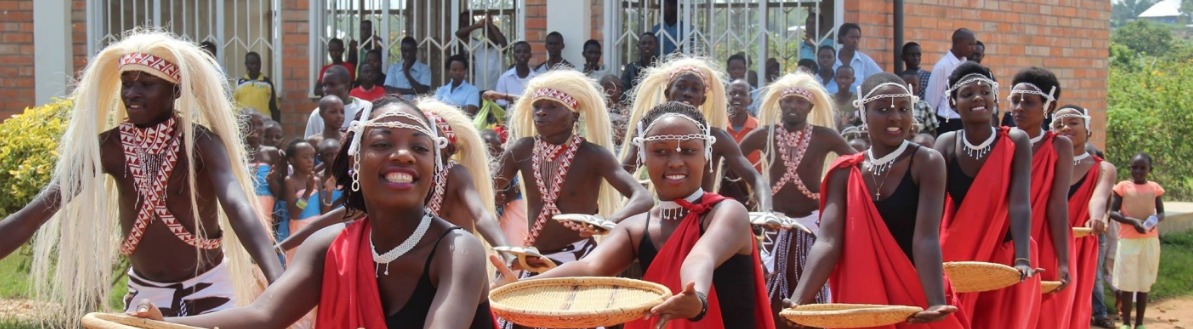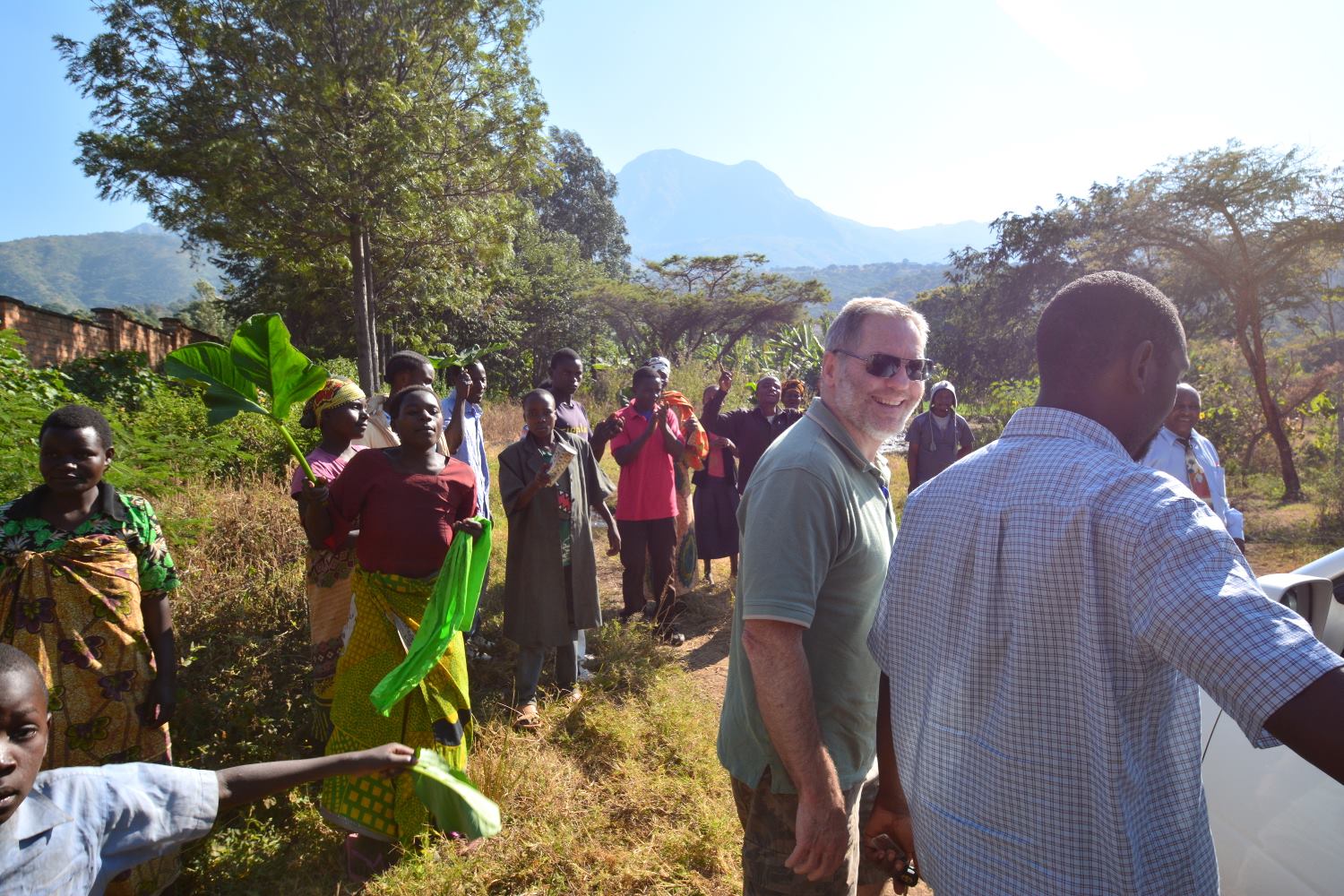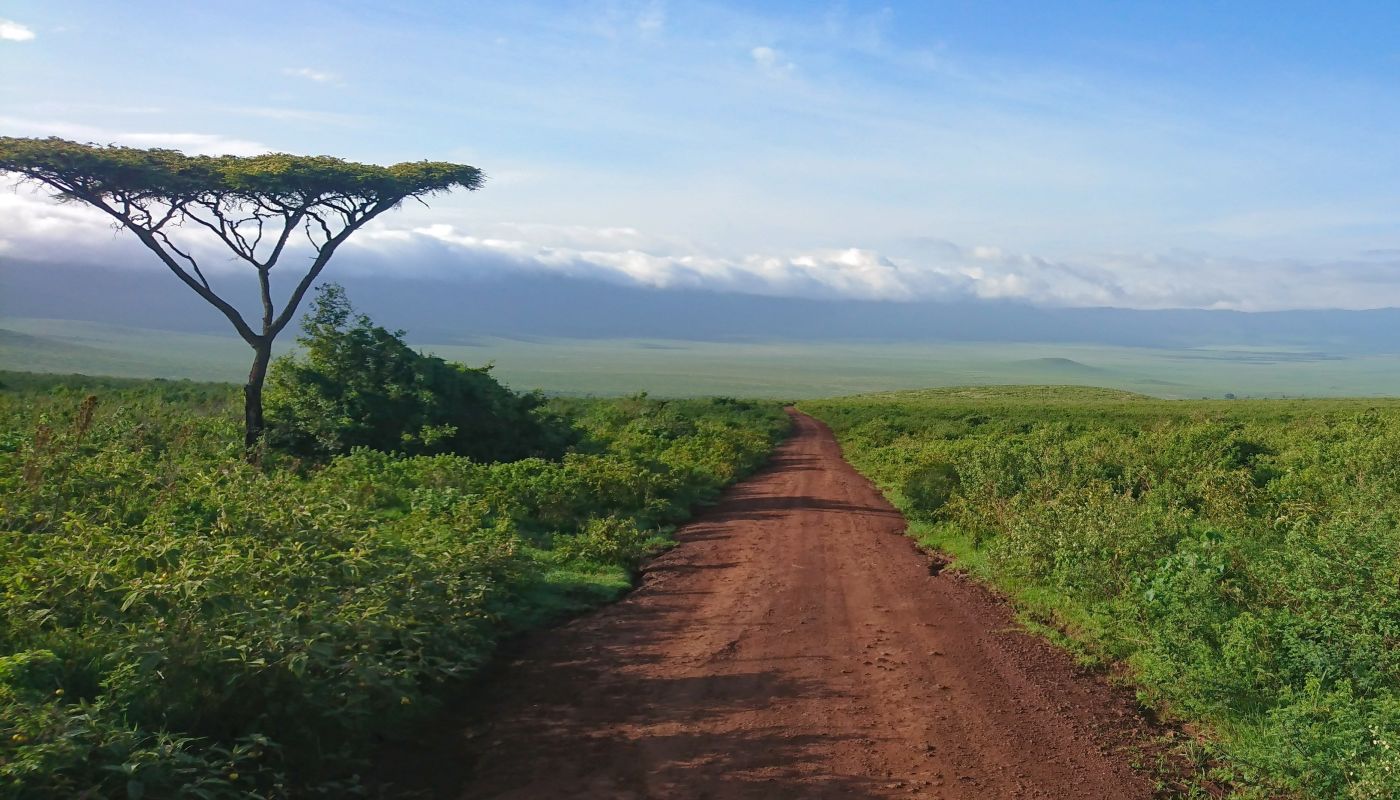
Landscape of Tanzania
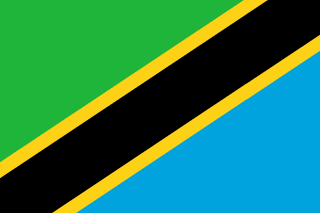
Flag of Tanzania

Tanzania

Africa

Tanzania is a large East African country with a population of approximately 61 million. The country is known for its diverse wildlife, including the Serengeti National Park and the Ngorongoro Conservation Area, which attract millions of visitors each year. Tanzania also has a rich cultural heritage, with over 120 different ethnic groups and languages spoken. Despite challenges such as poverty, limited infrastructure, and high rates of infectious diseases, Tanzania has made progress in areas such as education and gender equality.

What would you like to learn about in Tanzania?

Select a section to explore the country where nonprofits are creating positive change.

About Tanzania

Shortly after achieving independence from Britain in the early 1960s, Tanganyika and Zanzibar merged to form the nation of Tanzania in 1964. One-party rule ended in 1995 with the first democratic elections held in the country since the 1970s. Zanzibar's semi-autonomous status and popular opposition led to two contentious elections since 1995, which the ruling party won despite international observers' claims of voting irregularities. The formation of a government of national unity between Zanzibar's two leading parties succeeded in minimizing electoral tension in 2010.

Quick Facts

Population
48,261,942 (July 2013 est.)
Area
947,300 sq km
ISO Code
TZ
Continent
Africa
Government
republic
Active Causes
12
View all countries in Africa

Geography & Environment

Climate

varies from tropical along coast to temperate in highlands

Terrain

plains along coast; central plateau; highlands in north, south

Natural Resources

hydropower, tin, phosphates, iron ore, coal, diamonds, gemstones, gold, natural gas, nickel

Environmental Issues

soil degradation; deforestation; desertification; destruction of coral reefs threatens marine habitats; recent droughts affected marginal agriculture; wildlife threatened by illegal hunting and trade,...

People & Society

60.76 years
Avg. Life Expectancy
67.8%
Literacy Rate
26.7% of total population (2011)
Total Urban Population

Languages

Kiswahili or Swahili (official), Kiunguja (name for Swahili in Zanzibar), English (official, primary language of commerce, administration, and higher...

Religions

mainland - Christian 30%, Muslim 35%, indigenous beliefs 35%; Zanzibar - more than 99% Muslim

Health Expenditure

6% of GDP (2010) of GDP

Education Expenditure

6.2% of GDP (2009) of GDP

Economy

$1,600
GDP per Capita (PPP)
NA%
Unemployment Rate
36% (2002 est.)
Below Poverty Line

Economic Overview

Tanzania is one of the world's poorest economies in terms of per capita income, however, it has achieved high overall growth rates based on gold production and tourism. Tanzania has largely completed its transition to a liberalized market economy, though the government retains a presence in sectors such as telecommunications, banking, energy, and mining. The economy depends on agriculture, which accounts for more than one-quarter of GDP, provides 85% of exports, and employs about 80% of the work force. The World Bank, the IMF, and bilateral donors have provided funds to rehabilitate Tanzania's...

Causes in Tanzania

Environment

Tanzania, a country in East Africa, is rich in natural beauty and biodiversity, boasting stunning landscapes from Mt. Kilimanjaro to the Serengeti Plains. However, environmental issues pose significant challenges to the nation. Deforestation, caused by agricultural expansion and logging, threatens Tanzania's rich forests and wildlife habitats. Climate change exacerbates these threats, leading to more frequent droughts and floods that impact agriculture, water resources, and human health. Pollution from industrial activities and improper waste disposal further degrades the environment. These environmental challenges not only endanger Tanzania's natural heritage but also jeopardize the livelihoods of its people who depend on agriculture and natural resources for their sustenance. Addressing these issues through sustainable practices and conservation efforts is crucial to ensure a healthy environment for current and future generations in Tanzania.

Family

In Tanzania, family plays a significant role in shaping the social fabric and cultural dynamics of the society. The concept of family extends beyond the nuclear unit to encompass an extensive network of relatives, reflecting the country's strong emphasis on kinship and community. Families in Tanzania are often considered the cornerstone of support, providing emotional, financial, and social assistance to their members. This support system is particularly crucial in rural areas where resources may be scarce, highlighting the resilience and interconnectedness fostered within Tanzanian families. Moreover, family ties also play a pivotal role in decision-making processes, inheritance practices, and societal norms, influencing individual behaviors and attitudes towards education, health, and employment opportunities. Recognizing the pivotal role of family in Tanzania is essential for understanding the intricate social dynamics and fostering community development initiatives.

Human Rights

Tanzania, a country in East Africa, has been facing various human rights challenges that have significant impacts on its population. The government has been criticized for restricting freedom of expression and assembly, as well as for clamping down on media freedom and political opposition. Human rights violations, such as extrajudicial killings, torture, and arbitrary arrests, have been reported in Tanzania, leading to concerns from international human rights organizations. Discrimination against marginalized groups, including the LGBTQ+ community and people with albinism, is also prevalent in the country. These issues not only infringe upon the fundamental rights of Tanzanian citizens but also hinder the country's socio-economic development and stability.

Education

Education in Tanzania faces various challenges that impact the nation significantly. Despite efforts to improve access to education, Tanzania continues to struggle with issues such as inadequate infrastructure, insufficient trained teachers, high dropout rates, and disparities in education quality between urban and rural areas. These challenges hinder the country's progress towards achieving sustainable development goals and reducing poverty levels. Education in Tanzania plays a crucial role in addressing social and economic disparities, empowering individuals, and fostering national development. By investing in education and addressing these challenges, Tanzania can enhance its human capital, foster innovation, and drive economic growth for a more prosperous future.

Poverty

Tanzania, a country in East Africa, grapples with the pervasive issue of poverty, impacting its population across various socio-economic strata. Despite its rich natural resources and promising economic growth in recent years, a significant portion of Tanzanians still live below the poverty line. Poverty in Tanzania is multifaceted, stemming from factors such as limited access to quality education, healthcare services, and employment opportunities, especially in rural areas. The lack of basic infrastructure, such as clean water and sanitation facilities, further exacerbates the challenges faced by the population. The consequences of poverty in Tanzania are far-reaching, affecting individuals' health outcomes, educational attainment, and overall well-being. Addressing poverty in Tanzania requires holistic interventions that focus on sustainable economic development, equitable access to essential services, and social protection programs to uplift the most vulnerable populations.

Religion

Religion plays a significant role in Tanzanian society, influencing various aspects of life for its citizens. With a population that is predominantly Christian and Muslim, religious beliefs shape moral values, social norms, and cultural practices in the country. The coexistence of multiple faiths has generally fostered tolerance and harmony among different religious communities in Tanzania. However, tensions have occasionally arisen, especially in areas where religious differences intersect with political or social issues. Religious institutions also play a vital role in providing social services, such as education and healthcare, particularly in remote and underserved regions. Understanding the diverse religious landscape of Tanzania is crucial for fostering interfaith dialogue and promoting peaceful coexistence among its people.

Clean Water

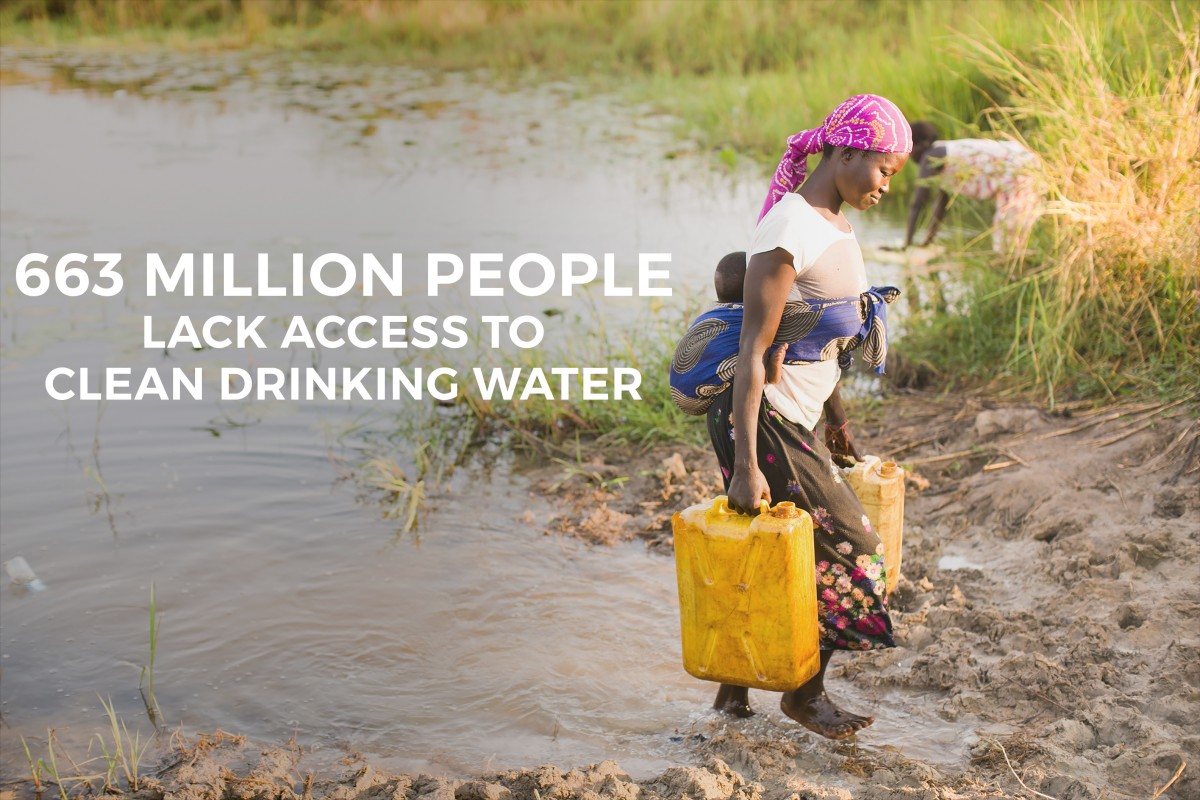
Tanzania, a country located in East Africa, faces significant challenges in accessing clean water. With a population of over 60 million people, approximately 23 million Tanzanians lack access to safe drinking water, leading to widespread health issues and economic constraints. The scarcity of clean water in rural areas particularly affects women and children, who often bear the responsibility of walking long distances to fetch water from contaminated sources, risking exposure to waterborne diseases such as cholera and typhoid. Moreover, the lack of access to clean water hinders agricultural productivity, perpetuating a cycle of poverty in many communities. Investments in water infrastructure and sanitation programs are crucial for improving public health outcomes and fostering sustainable development in Tanzania.

Economy

Tanzania, located in East Africa, is a country with a diverse economy that faces several challenges. The economy of Tanzania heavily relies on agriculture, which accounts for a significant portion of the country's GDP and employs a majority of the population. However, factors such as climate change, limited access to modern farming techniques, and inadequate infrastructure pose significant challenges to the agricultural sector's growth. Additionally, Tanzania struggles with issues such as high unemployment rates, income inequality, and a lack of diversification in its economy. These factors contribute to economic instability and hinder the country's overall development. In order to address these challenges and foster sustainable economic growth, Tanzania must focus on improving infrastructure, investing in education and skills development, and promoting entrepreneurship and innovation.

Government

Tanzania, located in East Africa, is a country with a population of over 60 million people. The government plays a crucial role in shaping the socio-economic landscape of Tanzania. The government's impact is particularly significant in areas such as healthcare, education, infrastructure development, and economic policies. In recent years, the Tanzanian government has made efforts to improve healthcare services by investing in healthcare facilities and initiatives to combat diseases such as malaria and HIV/AIDS. Additionally, the government has focused on enhancing educational opportunities by implementing policies to increase access to education for all citizens. Infrastructure development projects, such as road construction and energy production, have also been prioritized to stimulate economic growth and improve living standards for Tanzanians. Overall, the government's influence is pervasive in Tanzania, affecting various aspects of the country's development and well-being.

Health

In Tanzania, the state of health has a profound impact on its population, with various factors influencing the overall well-being of its citizens. High rates of infectious diseases such as malaria, HIV/AIDS, and tuberculosis continue to pose significant challenges to public health in the country. Limited access to healthcare services, particularly in rural areas, exacerbates these issues, leading to higher mortality rates and lower life expectancies. Furthermore, malnutrition and inadequate sanitation further contribute to the burden of preventable diseases and illnesses among Tanzanians. Efforts to improve healthcare infrastructure and increase access to healthcare services are crucial in addressing these health disparities and improving the well-being of the population.

Children

In Tanzania, children face numerous challenges that significantly impact their lives. Poverty is a prevalent issue in the country, with over 30% of the population living below the national poverty line. This economic hardship often results in limited access to education, healthcare, and proper nutrition for children, hindering their overall development and well-being. Child labor is also a concerning issue in Tanzania, with many children forced into work at a young age to support their families. This deprives them of their right to a proper childhood and education. Furthermore, child marriage remains a common practice in some regions of Tanzania, exposing young girls to early pregnancy and health risks.

Animals

In Tanzania, animals play a significant role in the ecosystem and have a profound impact on the country's economy and cultural heritage. With its diverse wildlife, including iconic species such as elephants, lions, and giraffes, Tanzania relies heavily on wildlife-based tourism as a major source of revenue. The country's national parks and conservation areas attract a large number of tourists each year, providing employment opportunities and supporting local communities. However, the illegal wildlife trade, poaching, and habitat destruction pose serious threats to Tanzania's rich biodiversity. Conservation efforts are crucial to protect the country's wildlife and ensure the sustainability of its natural resources for future generations.

Nonprofits Working in Tanzania

Discover organizations making a difference in Tanzania

Rising International

Rising International

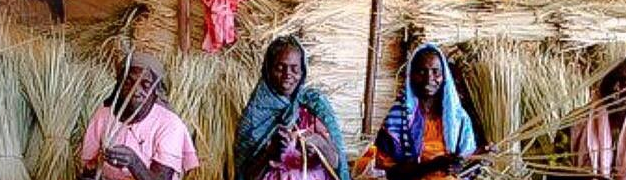
Our Unique Local-Global Solution Rising International is a nonprofit organization that has revolutionized the home party business model to alleviate poverty locally and globally. Think Avon or Tupperware for a social cause. We find the world’s most forgotten women (like Fatima) and enable them to change their destinies by selling their handmade crafts at Rising Home and Corporate Parties. We train women and teens, many un-employed or under- employed, (like Susana) to run their own Rising Home Party businesses and sell crafts made by their global sisters. We search the U.S. for party hosts (like Nancy) who invite friends to their homes to shop. Our sustainable model empowers both local and global entrepreneurs to rise above their circumstances.

Santa Cruz, California

Make Your Impact Today

Discover causes you care about and support the nonprofits making a difference in communities around the world.

Are you a nonprofit? Join Project World Impact for free

Join Us Free