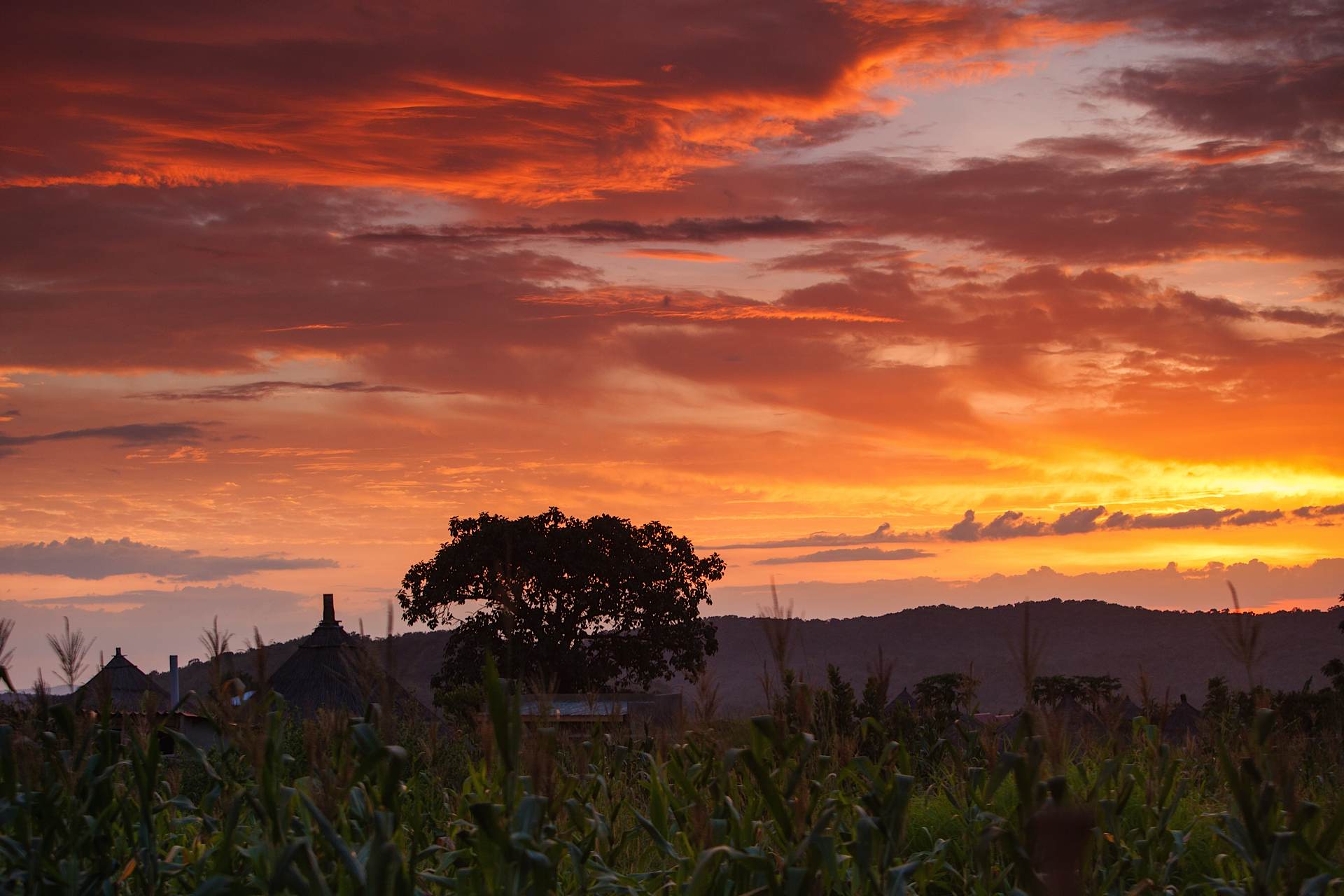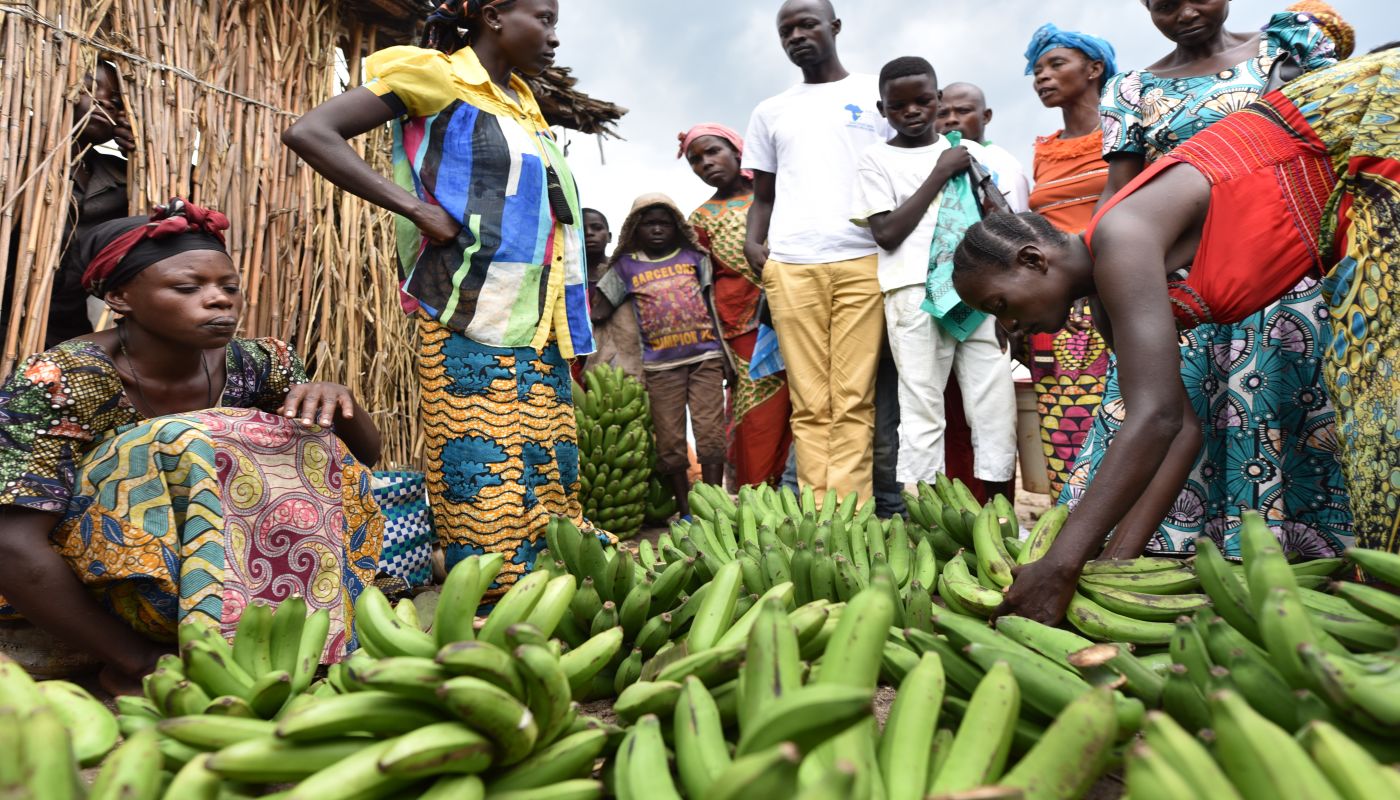
Landscape of The Republic of South Sudan
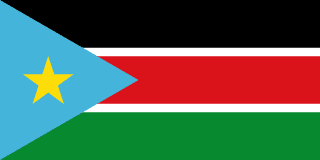
Flag of The Republic of South Sudan

The Republic of South Sudan

Africa

South Sudan is a young and diverse country located in East-Central Africa, known for its stunning natural landscapes, unique cultures, and rich history. With a population of over 11 million people, South Sudan is a developing country that faces significant challenges related to poverty, political instability, and environmental degradation. The country's economy is based on oil production and agriculture, but it has been severely impacted by years of conflict and instability. South Sudan is working to address these challenges and promote sustainable development for its people.

What would you like to learn about in The Republic of South Sudan?

Select a section to explore the country where nonprofits are creating positive change.

About The Republic of South Sudan

Egypt attempted to colonize the region of southern Sudan by establishing the province of Equatoria in the 1870s. Islamic Mahdist revolutionaries overran the region in 1885, but in 1898 a British force was able to overthrow the Mahdist regime. An Anglo-Egyptian Sudan was established the following year with Equatoria being the southernmost of its eight provinces. The isolated region was largely left to itself over the following decades, but Christian missionaries converted much of the population and facilitated the spread of English. When Sudan gained its independence in 1956, it was with the understanding that the southerners would be able to participate fully in the political system. When the Arab Khartoum government reneged on its promises, a mutiny began that led to two prolonged periods of conflict (1955-1972 and 1983-2005) in which perhaps 2.5 million people died - mostly civilians - due to starvation and drought. Ongoing peace talks finally resulted in a Comprehensive Peace Agreement, signed in January 2005. As part of this agreement the south was granted a six-year period of autonomy to be followed by a referendum on final status. The result of this referendum, held in January 2011, was a vote of 98% in favor of secession. Independence was attained on 9 July 2011. Since independence South Sudan has struggled with good governance and nation building and has attempted to control rebel militia groups operating in its territory. Economic conditions have deteriorated since January 2012 when the government decided to shut down oil production following bilateral disagreements with Sudan.

Quick Facts

Population
11,090,104 (July 2013 est.)
Area
644,329 sq km
ISO Code
SS
Continent
Africa
Government
republic
Active Causes
12
View all countries in Africa

Geography & Environment

Climate

hot with seasonal rainfall influenced by the annual shift of the Inter-Tropical Convergence Zone; rainfall is heaviest in the upland areas of the south and diminishes to the north

Terrain

the terrain gradually rises from plains in the north and center to southern highlands along the border with Uganda and Kenya; the White Nile, flowing north out of the uplands of Central Africa, is the...

Natural Resources

hydropower, fertile agricultural land, gold, diamonds, petroleum, hardwoods, limestone, iron ore, copper, chromium ore, zinc, tungsten, mica, silver

People & Society

27%
Literacy Rate
18% of total population (2011)
Total Urban Population

Languages

English (official), Arabic (includes Juba and Sudanese variants) (official), regional languages include Dinka, Nuer, Bari, Zande, Shilluk

Religions

animist, Christian

Economy

$1,000
GDP per Capita (PPP)
50.6% (2009)
Below Poverty Line

Economic Overview

Industry and infrastructure in landlocked South Sudan are severely underdeveloped and poverty is widespread, following several decades of civil war with Sudan. Subsistence agriculture provides a living for the vast majority of the population. Property rights are tentative and price signals are missing because markets are not well organized. South Sudan has little infrastructure - just 60 km of paved roads. Electricity is produced mostly by costly diesel generators and running water is scarce. The government spends large sums of money to maintain a big army; delays in paying salaries have perio...

Causes in The Republic of South Sudan

Environment

The Republic of South Sudan, a young nation that gained independence in 2011, faces significant environmental challenges that have profound impacts on its population. The country's environment is characterized by deforestation, soil degradation, water scarcity, and loss of biodiversity, exacerbated by climate change effects such as erratic rainfall patterns and prolonged droughts. These environmental issues directly affect the livelihoods of the majority of South Sudanese people who rely on agriculture and natural resources for their sustenance. Deforestation, driven by factors such as logging and land clearance for agriculture and fuelwood, contributes to soil erosion and loss of wildlife habitat. Water scarcity, exacerbated by both natural factors and human activities such as over-extraction of water resources, further strains the limited resources available to the population. The loss of biodiversity not only impacts the ecosystem but also threatens food security and human health. Addressing these environmental challenges requires concerted efforts from the government, civil society, and international organizations to promote sustainable land management practices, conservation strategies, and climate change adaptation measures.

Family

Family plays a crucial role in the Republic of South Sudan, a nation that has faced significant challenges since gaining independence in 2011. The traditional family structure in South Sudan is typically large and extended, with strong emphasis placed on kinship ties and community support. Families provide social and economic security, especially in rural areas where access to formal social services is limited. However, the ongoing civil conflicts and political instability have had a devastating impact on families in South Sudan, leading to displacement, separation, and loss of loved ones. The breakdown of family units has resulted in heightened vulnerability, particularly for women and children who are often left to fend for themselves. Addressing the impact of conflict on families is crucial for building a stable and prosperous future for all South Sudanese.

Education

The Republic of South Sudan, a young nation which gained independence in 2011, faces numerous challenges, among which education plays a crucial role. With a literacy rate of only about 27%, education in South Sudan is significantly limited. The impact of this issue is profound, as lack of access to quality education perpetuates cycles of poverty and hinders the country's development. Inadequate infrastructure, shortage of trained teachers, and ongoing conflicts further exacerbate the situation, hindering the population, especially children and youth, from accessing proper education. Addressing the educational needs in South Sudan is essential for building a more stable and prosperous society. By prioritizing education, the nation can empower its citizens, foster economic growth, and promote social cohesion.

Poverty

The Republic of South Sudan, a young nation in East Africa, has been grappling with high levels of poverty since gaining independence in 2011. The country's economy heavily relies on oil revenues, making it vulnerable to fluctuations in global oil prices. This, coupled with decades of civil war and political instability, has severely hindered development efforts and exacerbated poverty levels. According to the World Bank, more than 80% of South Sudanese live below the poverty line, with limited access to basic services such as healthcare, education, and clean water. This dire situation has been further exacerbated by the impact of climate change, leading to food insecurity and displacement of communities. Addressing poverty in South Sudan requires comprehensive strategies that focus on promoting sustainable economic growth, improving governance, and investing in social services to uplift the lives of its people.

Religion

The Republic of South Sudan, a young nation that gained independence in 2011, is a country where religion plays a significant role in shaping its societal fabric. Christianity and Islam are the two dominant religions practiced in South Sudan, with Christianity being the majority religion. Religious beliefs influence various aspects of life in South Sudan, including cultural practices, social norms, and political ideologies. However, despite the religious diversity in the country, conflicts often arise along religious lines, leading to tensions and violence within communities. Religious leaders hold significant influence in shaping public opinion and policy decisions, sometimes exacerbating tensions or promoting peace and reconciliation efforts. Understanding the complex interplay between religion and societal dynamics is crucial for fostering unity and harmony in South Sudan.

Clean Water

The Republic of South Sudan, the youngest country in the world, faces significant challenges in accessing clean water. With a population of over 11 million people, approximately half of the population lacks access to safe drinking water sources, leading to widespread waterborne diseases and high mortality rates, especially among children. The lack of clean water infrastructure and poor sanitation facilities exacerbate the situation, contributing to a cycle of poverty and health issues within the nation. The provision of clean water is crucial for improving public health, reducing infant mortality rates, and fostering economic development in South Sudan. Addressing this issue requires concerted efforts from both the government and international organizations to invest in sustainable water supply systems and promote hygiene education among the population.

Economy

The Republic of South Sudan, a young nation that gained independence in 2011, has faced significant economic challenges since its inception. The country's economy heavily relies on oil production, with oil accounting for nearly all export revenues. However, the economy is vulnerable to fluctuations in global oil prices, leading to economic instability and hindering sustainable development efforts. Furthermore, the ongoing civil conflicts and political instability have exacerbated economic woes, resulting in high inflation rates, limited access to basic services, and widespread poverty. The lack of infrastructure, skilled labor, and investment opportunities further hinders economic growth and diversification. Addressing these economic challenges is crucial to improving the livelihoods of the South Sudanese people and fostering long-term stability in the region.

Government

The Republic of South Sudan, the youngest country in the world, has been plagued by political instability and conflict since gaining independence in 2011. The impact of government actions in South Sudan is profound, with corruption, ethnic tensions, and power struggles among political elites contributing to widespread violence and humanitarian crises. The government's failure to effectively address these issues has led to a severe lack of basic services, such as healthcare and education, leaving much of the population in poverty and suffering. Additionally, the government's mismanagement of resources has hindered economic development and perpetuated a cycle of instability. As a result, the people of South Sudan continue to face immense challenges in their daily lives, with little hope for improvement without significant reforms at the governmental level.

Health

The Republic of South Sudan, a young nation that gained independence in 2011, faces significant health challenges that affect its population. Health in South Sudan is impacted by several factors, including limited access to healthcare services, inadequate infrastructure, high rates of infectious diseases such as malaria and tuberculosis, malnutrition, and ongoing conflicts that disrupt healthcare delivery. The country has one of the highest maternal mortality rates globally, and infant mortality rates are also alarmingly high. Additionally, the healthcare system in South Sudan is under-resourced and struggles to meet the needs of its population. Improving the health situation in South Sudan requires increased investment in healthcare infrastructure, training of healthcare professionals, disease prevention programs, and efforts to address the root causes of poor health outcomes. By addressing these challenges, South Sudan can improve the well-being of its population and work towards a healthier future.

Children

The Republic of South Sudan, the youngest country in the world, has been plagued by conflict and instability since gaining independence in 2011. Children in South Sudan are among the most vulnerable populations, facing significant challenges that impact their well-being and development. Due to ongoing violence, poverty, and a lack of access to education and healthcare, many children in South Sudan are deprived of their basic rights and suffer from malnutrition, disease, and trauma. The prolonged conflict has also led to the recruitment of child soldiers, further perpetuating cycles of violence and depriving children of their childhood. Efforts to protect and support children in South Sudan are crucial to breaking the cycle of violence and building a more stable and prosperous future for the country.

Human Rights

The Republic of South Sudan, the youngest nation in the world, has faced significant challenges since gaining independence in 2011. Human rights violations have been a pervasive issue, with reports of widespread atrocities including extrajudicial killings, sexual violence, and forced displacement. These violations have had a profound impact on the citizens of South Sudan, undermining their security, well-being, and basic dignity. The lack of accountability for these human rights abuses further perpetuates a cycle of violence and impunity in the country. International organizations such as Amnesty International and Human Rights Watch have extensively documented these violations, calling for urgent action to address the human rights crisis in South Sudan.

Animals

The Republic of South Sudan, a landlocked country in East-Central Africa, is home to a diverse range of wildlife species that play a crucial role in the ecosystem and the lives of its people. Animals in South Sudan are not only a source of food and income for many communities but also hold cultural and spiritual significance. However, the country faces significant challenges related to wildlife conservation, including poaching, habitat destruction, and human-wildlife conflicts. These threats endanger many species, such as elephants, giraffes, and rhinos, pushing them towards the brink of extinction. Efforts to protect and preserve South Sudan's wildlife are essential to ensure the country's ecological balance and sustainable development for future generations.

Nonprofits Working in The Republic of South Sudan

Discover organizations making a difference in The Republic of South Sudan

Make Your Impact Today

Discover causes you care about and support the nonprofits making a difference in communities around the world.

Are you a nonprofit? Join Project World Impact for free

Join Us Free