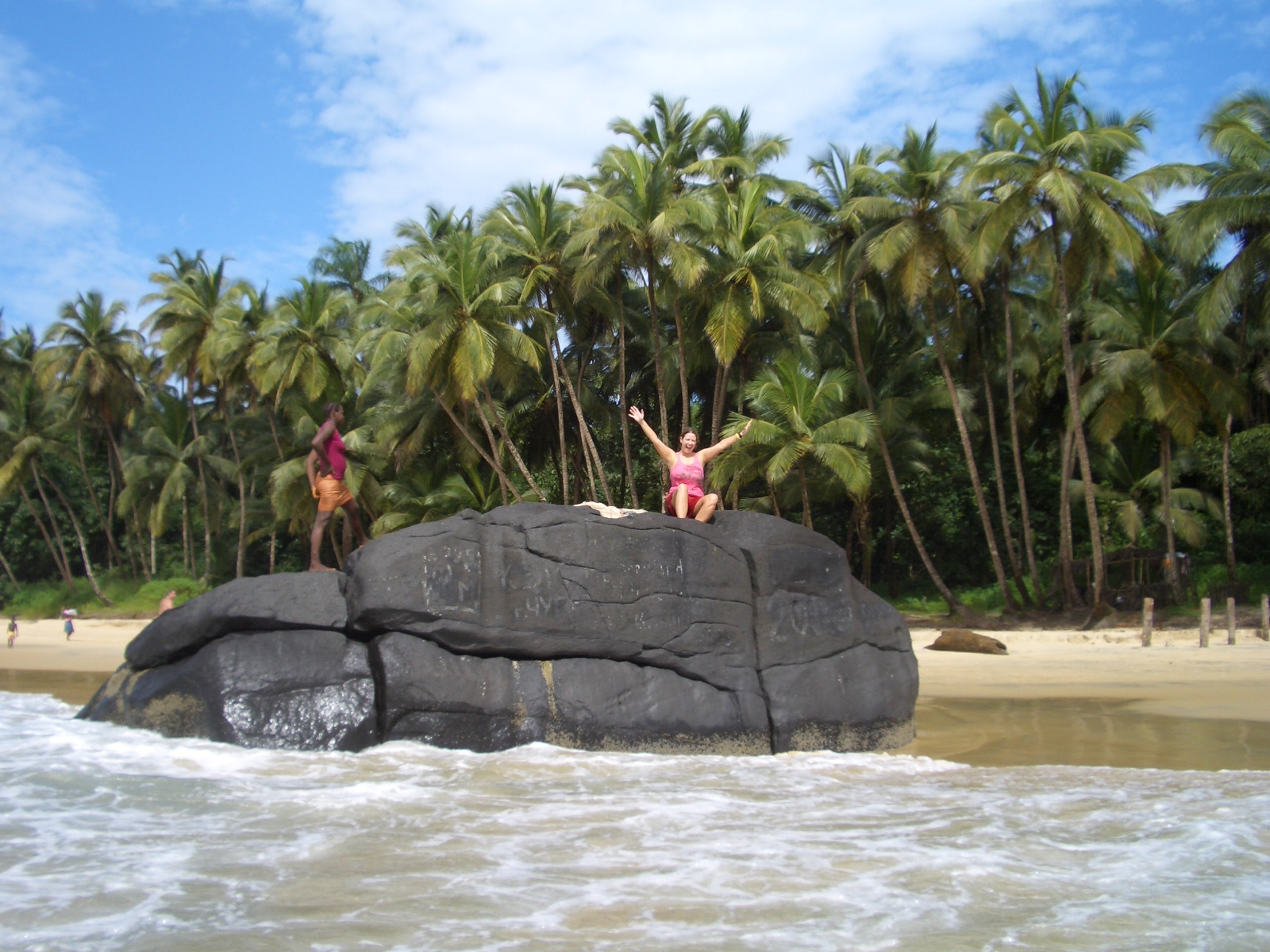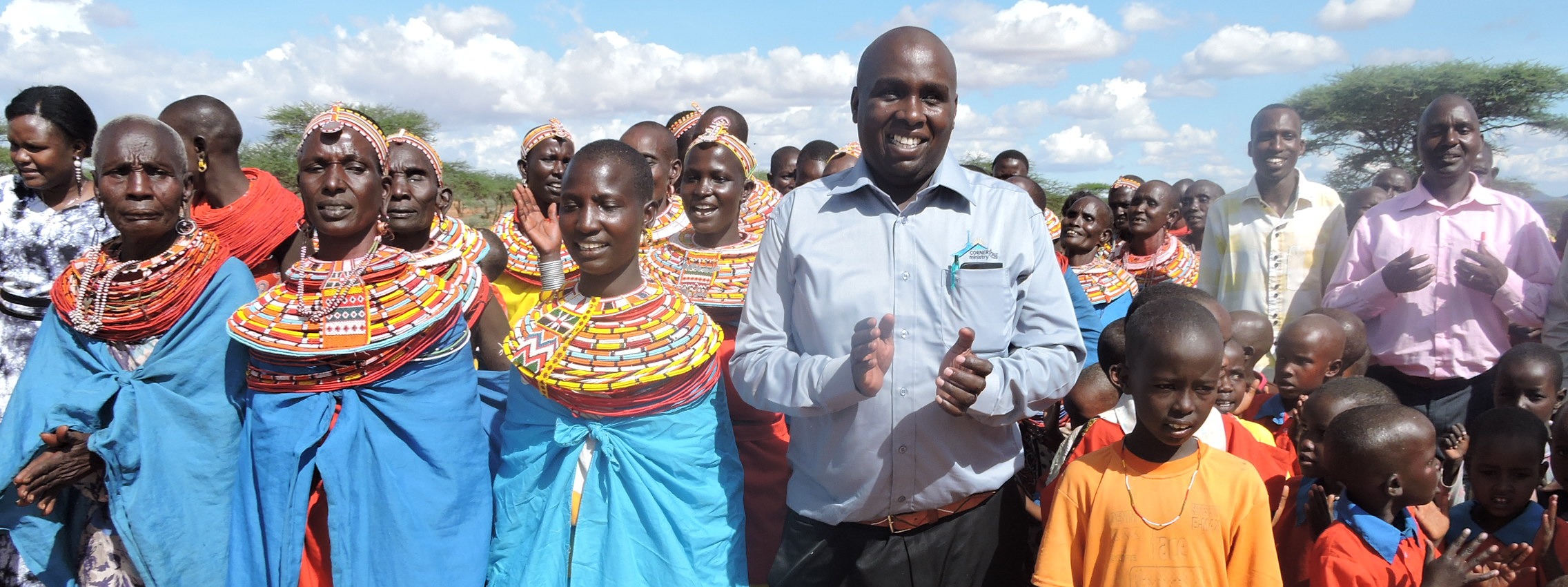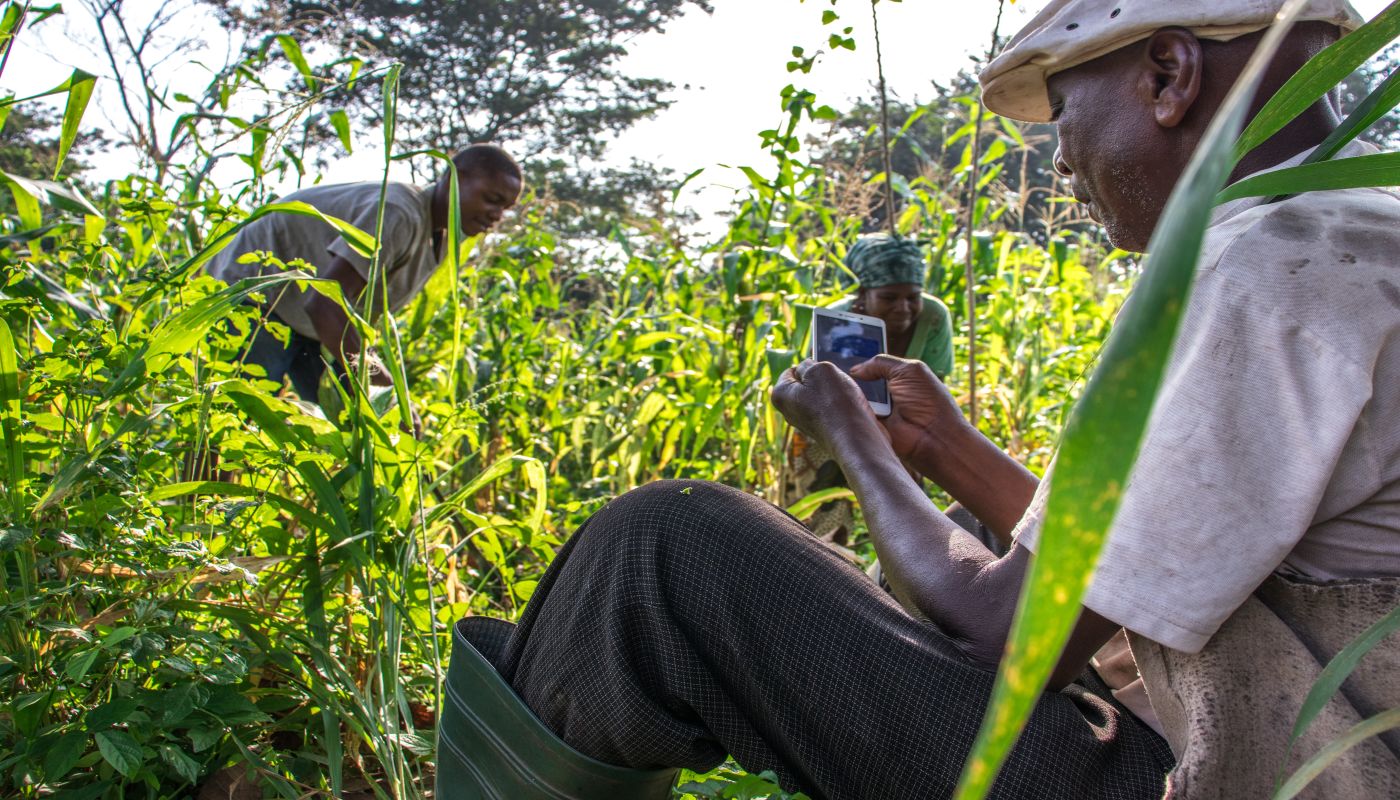
Landscape of Togo
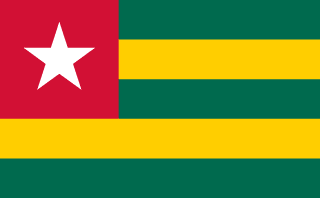
Flag of Togo

Togo

Africa

Togo is a small West African country with a population of approximately 8 million people. Despite being one of the poorest countries in the region, Togo has made progress in areas such as education and healthcare, and the government has implemented policies to promote economic development and reduce poverty. Togo is also known for its vibrant culture, with traditional music, dance, and festivals such as the Epe-Ekpe festival and the Fête du Vaudou.

What would you like to learn about in Togo?

Select a section to explore the country where nonprofits are creating positive change.

About Togo

French Togoland became Togo in 1960. Gen. Gnassingbe EYADEMA, installed as military ruler in 1967, ruled Togo with a heavy hand for almost four decades. Despite the facade of multi-party elections instituted in the early 1990s, the government was largely dominated by President EYADEMA, whose Rally of the Togolese People (RPT) party has maintained power almost continually since 1967 and maintains a majority of seats in today's legislature. Upon EYADEMA's death in February 2005, the military installed the president's son, Faure GNASSINGBE, and then engineered his formal election two months later. Democratic gains since then allowed Togo to hold its first relatively free and fair legislative elections in October 2007. After years of political unrest and condemnation from international organizations for human rights abuses, Togo is finally being re-welcomed into the international community. In January 2012, Togo assumed a nonpermanent seat on the UN Security Council for the 2012-13 term.

Quick Facts

Population
7,154,237 (July 2013 est.)
Area
56,785 sq km
ISO Code
TG
Continent
Africa
Government
republic under transition to multiparty democratic rule
Active Causes
12
View all countries in Africa

Geography & Environment

Climate

tropical; hot, humid in south; semiarid in north

Terrain

gently rolling savanna in north; central hills; southern plateau; low coastal plain with extensive lagoons and marshes

Natural Resources

phosphates, limestone, marble, arable land

Environmental Issues

deforestation attributable to slash-and-burn agriculture and the use of wood for fuel; water pollution presents health hazards and hinders the fishing industry; air pollution increasing in urban areas

People & Society

63.62 years
Avg. Life Expectancy
60.4%
Literacy Rate
38% of total population (2011)
Total Urban Population

Languages

French (official, the language of commerce), Ewe and Mina (the two major African languages in the south), Kabye (sometimes spelled Kabiye) and Dagomba...

Religions

Christian 29%, Muslim 20%, indigenous beliefs 51%

Health Expenditure

7.7% of GDP (2010) of GDP

Education Expenditure

4.6% of GDP (2011) of GDP

Economy

$1,100
GDP per Capita (PPP)
NA%
Unemployment Rate
32% (1989 est.)
Below Poverty Line

Economic Overview

This small, sub-Saharan economy depends heavily on both commercial and subsistence agriculture, which provides employment for a significant share of the labor force. Some basic foodstuffs must still be imported. Cocoa, coffee, and cotton generate about 40% of export earnings with cotton being the most important cash crop. Togo is among the world's largest producers of phosphate and Togo seeks to develop its carbonate phosphate reserves. The government's decade-long effort, supported by the World Bank and the IMF, to implement economic reform measures, encourage foreign investment, and bring re...

Causes in Togo

Environment

Togo, located in West Africa, is a country with a rich natural heritage that is intricately linked to the well-being of its people. The environment in Togo plays a crucial role in shaping the lives of its citizens, as agriculture and fishing are vital sources of livelihood for much of the population. However, Togo faces significant environmental challenges such as deforestation, soil degradation, and water pollution. Deforestation, driven by unsustainable agricultural practices and demand for firewood, threatens the country's biodiversity and exacerbates soil erosion. Soil degradation further impacts agricultural productivity, leading to food insecurity and economic hardships for many Togolese. Additionally, water pollution from industrial activities and inadequate waste management poses serious health risks to communities reliant on contaminated water sources. Addressing these environmental issues is essential to safeguarding Togo's natural resources and ensuring a sustainable future for its people.

Family

In Togo, a country located in West Africa, the concept of family holds significant importance and plays a vital role in shaping the social fabric of the society. Extended families often live together, providing a strong support network for individuals. Family ties are deeply valued, and elders are highly respected for their wisdom and experience. In Togolese culture, family members are expected to care for one another, both emotionally and financially. The sense of unity and togetherness within the family structure is crucial in times of celebration, such as weddings and births, as well as in times of hardship. Additionally, family plays a crucial role in the passing down of traditions, values, and cultural heritage from one generation to the next.

Human Rights

Togo, a West African nation, faces significant challenges in upholding human rights within its borders. Despite efforts to improve the situation, issues such as government repression, limited freedom of speech and press, and discrimination against marginalized groups continue to persist. The lack of access to justice and the prevalence of corruption further exacerbate these human rights violations. Addressing these issues is crucial not only for the well-being of Togo's citizens but also for the country's overall stability and development. By promoting respect for human rights and accountability among its institutions, Togo can work towards creating a more just and equitable society for all its people.

Education

In Togo, education plays a pivotal role in shaping the future of its population. Despite efforts to improve access to education, the country still faces significant challenges in providing quality education to all its citizens. With a literacy rate of around 60%, Togo lags behind many other nations in terms of educational attainment. Limited resources, inadequate infrastructure, and a shortage of qualified teachers are some of the key barriers hindering the development of the education system in Togo. As a result, many children are unable to receive a proper education, perpetuating cycles of poverty and limiting their opportunities for socio-economic advancement. Addressing these issues and investing in education is crucial for Togo to break this cycle and empower its citizens to lead more prosperous and fulfilling lives.

Poverty

Togo, a West African nation with a population of approximately 8 million, is significantly impacted by poverty. The prevalence of poverty in Togo is primarily due to factors such as limited access to education, healthcare, and basic services, as well as high levels of unemployment and underemployment. According to the World Bank, in 2019, over half of the population in Togo lived below the national poverty line. This has led to challenges in meeting the basic needs of the population, including adequate nutrition, shelter, and healthcare. The impact of poverty in Togo is particularly evident in rural areas where access to resources and opportunities is limited, exacerbating the cycle of poverty for many individuals and families. Efforts to address poverty in Togo require a multi-faceted approach that focuses on improving access to education, healthcare, and economic opportunities for all segments of the population.

Religion

Religion plays a significant role in the socio-cultural fabric of Togo, a West African nation known for its diverse religious landscape. The population of Togo is predominantly Christian, with Catholicism and various Protestant denominations being the most widely practiced faiths. Additionally, there is a notable Muslim minority, particularly in the northern regions of the country. Traditional indigenous beliefs also hold sway among certain ethnic groups in Togo. Religion influences various aspects of life in Togo, including social norms, cultural practices, and political dynamics. Places of worship serve as community centers where people gather not only for religious ceremonies but also for social gatherings and support networks. Religious leaders often wield influence in local communities and are looked upon for guidance on matters ranging from personal issues to community affairs. Despite the peaceful coexistence of different religious groups in Togo, tensions have occasionally arisen over issues such as land ownership and cultural practices. Overall, religion in Togo serves as a unifying force that shapes the country's identity and provides a sense of belonging for its people.

Clean Water

Togo, a West African country, faces significant challenges related to access to clean water. With a population of over 8 million people, a large proportion of Togolese lack access to safe drinking water, leading to severe health implications. In rural areas, only about 50% of the population has access to clean water sources, leading to high rates of waterborne diseases such as cholera, typhoid fever, and diarrhea. Additionally, inadequate sanitation facilities exacerbate these issues, contributing to a cycle of poor health outcomes. The lack of clean water not only impacts individual health but also hinders overall socio-economic development in Togo. Addressing this issue requires concerted efforts from both the government and international organizations to improve water infrastructure, promote hygiene practices, and ensure sustainable access to clean water for all Togolese citizens.

Economy

Togo, a West African nation, faces complex economic challenges that significantly impact its population. With an economy largely dependent on agriculture, Togo struggles with high levels of poverty and limited access to essential services such as healthcare and education. The lack of economic diversification leaves Togo vulnerable to external shocks, hindering sustainable growth and development. Additionally, issues such as corruption and inadequate infrastructure further exacerbate the economic difficulties faced by the country, impeding progress towards prosperity for its citizens. To address these challenges, efforts to promote inclusive growth, improve governance, and invest in key sectors are crucial for Togo's economic stability and long-term sustainability.

Government

Togo, a West African country with a population of approximately 8 million, faces numerous challenges that have a significant impact on its citizens. The government of Togo plays a crucial role in shaping the country's socio-economic landscape. Despite efforts to improve governance and promote development, Togo continues to struggle with issues such as political instability, corruption, and limited access to basic services. The government's policies and decisions directly influence the well-being of its people, affecting areas such as healthcare, education, and infrastructure development. By addressing these challenges and implementing effective governance practices, the Togolese government can create a more sustainable and prosperous future for its citizens.

Health

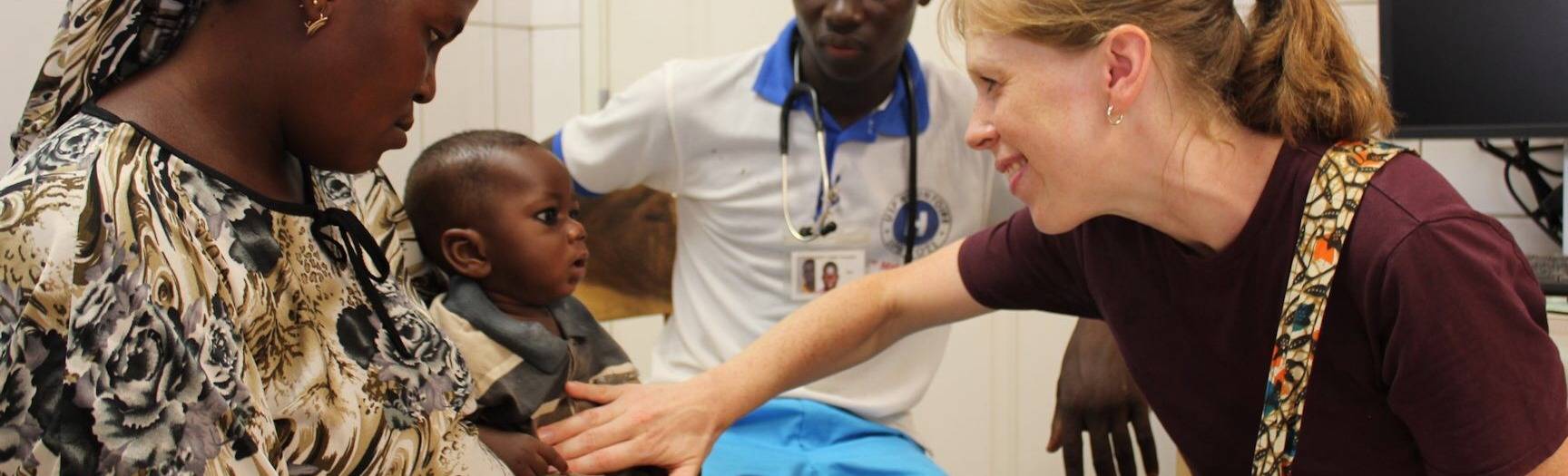
Togo, a West African country, faces various health challenges that significantly impact its population. High maternal and infant mortality rates, limited access to healthcare facilities, and prevalence of diseases such as malaria and HIV/AIDS are major concerns in Togo. The healthcare system in the country is under-resourced, with inadequate medical supplies and trained healthcare professionals. Poor sanitation practices and lack of clean water sources contribute to the spread of diseases, further exacerbating the health situation in Togo. Addressing these health issues requires concerted efforts from both the government and international organizations to improve healthcare infrastructure, increase access to essential medical services, and promote public health awareness among the population.

Children

In Togo, children face various challenges that significantly impact their well-being and development. Limited access to education, healthcare, and basic necessities such as clean water and sanitation are some of the critical issues affecting children in the country. Poverty is a key factor contributing to these challenges, with many families struggling to meet their children's needs. Child labor is prevalent in Togo, with a significant number of children engaged in hazardous work instead of attending school. Furthermore, child trafficking remains a serious concern, with many children being exploited for labor or subjected to other forms of abuse. Addressing these issues requires a multi-faceted approach involving government intervention, community support, and international cooperation to ensure the protection and welfare of Togo's children.

Animals

Togo, a West African country, is home to a diverse range of wildlife that plays a crucial role in the ecosystem and the lives of its people. Animals in Togo serve as a source of food, income, and cultural significance for many communities. However, factors such as deforestation, poaching, and climate change are threatening the survival of these animals. The loss of biodiversity not only impacts the natural balance but also has far-reaching consequences on human livelihoods and well-being. By raising awareness about the importance of protecting Togo's wildlife and their habitats, we can work towards ensuring a sustainable future for both animals and people in this region.

Nonprofits Working in Togo

Discover organizations making a difference in Togo

Make Your Impact Today

Discover causes you care about and support the nonprofits making a difference in communities around the world.

Are you a nonprofit? Join Project World Impact for free

Join Us Free