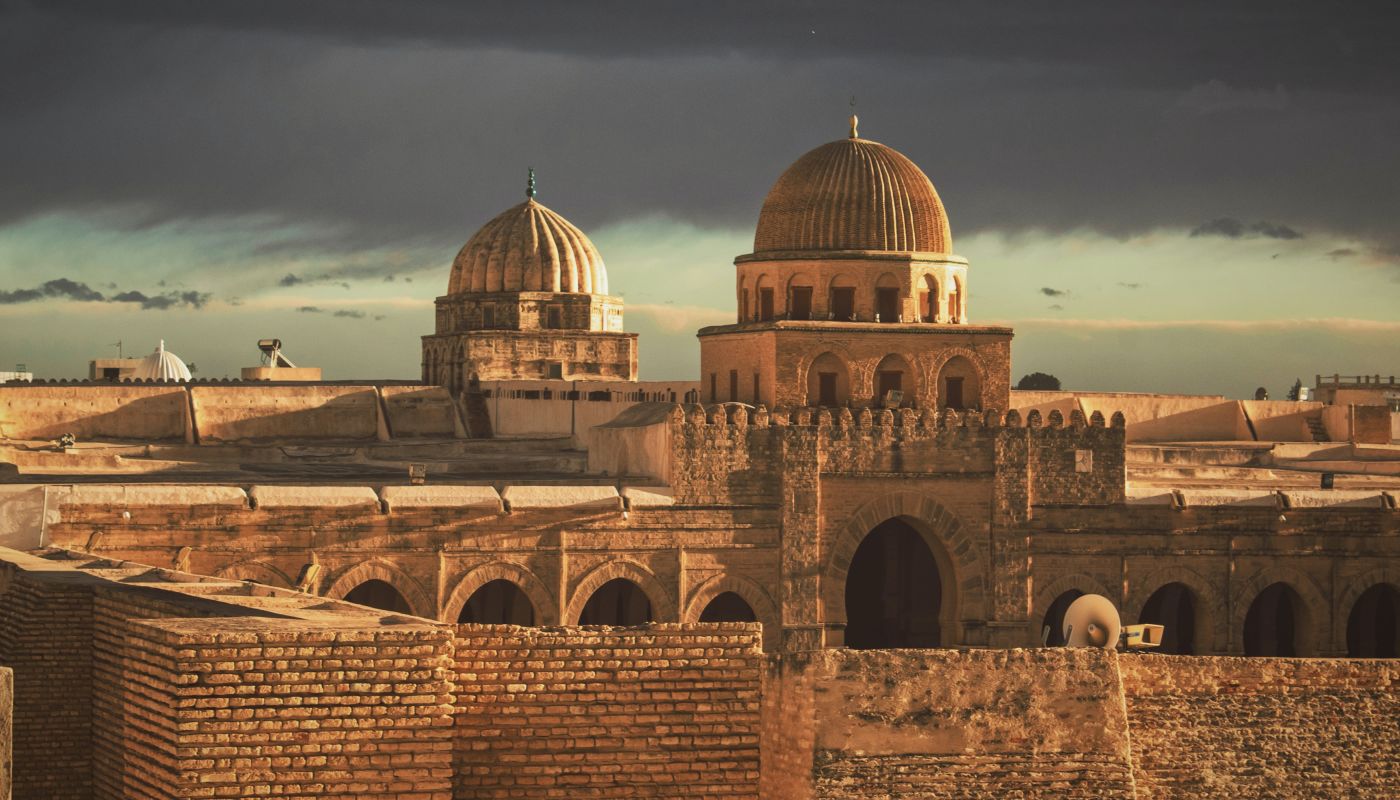
Landscape of Tunisia
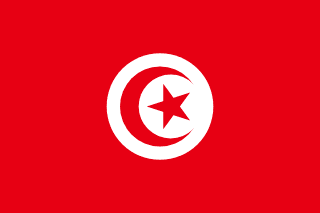
Flag of Tunisia

Tunisia

Africa

Tunisia is a country located in North Africa with a population of approximately 12 million. The country is known for its rich history and stunning beaches. Tunisia has a diverse economy, including industries such as agriculture, manufacturing, and tourism. The country has made progress in areas such as education, health care, and economic growth, and is considered a model for democratic transition in the Middle East and North Africa (MENA) region.

What would you like to learn about in Tunisia?

Select a section to explore the country where nonprofits are creating positive change.

About Tunisia

Rivalry between French and Italian interests in Tunisia culminated in a French invasion in 1881 and the creation of a protectorate. Agitation for independence in the decades following World War I was finally successful in getting the French to recognize Tunisia as an independent state in 1956. The country's first president, Habib BOURGUIBA, established a strict one-party state. He dominated the country for 31 years, repressing Islamic fundamentalism and establishing rights for women unmatched by any other Arab nation. In November 1987, BOURGUIBA was removed from office and replaced by Zine el Abidine BEN ALI in a bloodless coup. Street protests that began in Tunis in December 2010 over high unemployment, corruption, widespread poverty, and high food prices escalated in January 2011, culminating in rioting that led to hundreds of deaths. On 14 January 2011, the same day BEN ALI dismissed the government, he fled the country, and by late January 2011, a "national unity government" was formed. Elections for the new Constituent Assembly were held in late October 2011, and in December, it elected human rights activist Moncef MARZOUKI as interim president. The Assembly began drafting a new constitution in February 2012, and released a second working draft in December 2012. The interim government has proposed presidential and parliamentary elections be held in 2013.

Quick Facts

Population
10,835,873 (July 2013 est.)
Area
163,610 sq km
ISO Code
TN
Continent
Africa
Government
republic
Active Causes
12
View all countries in Africa

Geography & Environment

Climate

temperate in north with mild, rainy winters and hot, dry summers; desert in south

Terrain

mountains in north; hot, dry central plain; semiarid south merges into the Sahara

Natural Resources

petroleum, phosphates, iron ore, lead, zinc, salt

Environmental Issues

toxic and hazardous waste disposal is ineffective and poses health risks; water pollution from raw sewage; limited natural freshwater resources; deforestation; overgrazing; soil erosion; desertificati...

People & Society

75.46 years
Avg. Life Expectancy
79.1%
Literacy Rate
66.3% of total population (2011)
Total Urban Population

Languages

Arabic (official, one of the languages of commerce), French (commerce), Berber (Tamazight)

Religions

Muslim (Islam - official) 98%, Christian 1%, Jewish and other 1%

Health Expenditure

6.2% of GDP (2010) of GDP

Education Expenditure

6.2% of GDP (2010) of GDP

Economy

$9,900
GDP per Capita (PPP)
17.4%
Unemployment Rate
3.8% (2005 est.)
Below Poverty Line

Economic Overview

Tunisia's diverse, market-oriented economy has long been cited as a success story in Africa and the Middle East, but it faces an array of challenges during the country's ongoing political transition. Following an ill-fated experiment with socialist economic policies in the 1960s, Tunisia embarked on a successful strategy focused on bolstering exports, foreign investment, and tourism, all of which have become central to the country''s economy. Key exports now include textiles and apparel, food products, petroleum products, chemicals, and phosphates, with about 80% of exports bound for Tunisia''...

Causes in Tunisia

Environment

Tunisia, a North African country known for its diverse landscapes ranging from Mediterranean coastlines to the Sahara Desert, faces various environmental challenges that significantly impact its population and ecosystems. One of the most pressing issues is water scarcity, exacerbated by climate change and unsustainable water management practices. This scarcity not only affects daily life for Tunisians but also poses a threat to agriculture, which is a crucial sector for the country's economy. Additionally, deforestation, overgrazing, and soil erosion contribute to desertification, further degrading the environment and leading to loss of biodiversity. The lack of proper waste management systems also results in pollution of land and water resources, posing health risks to both humans and wildlife. Addressing these environmental issues is imperative for Tunisia's sustainable development and the well-being of its people.

Family

In Tunisia, family plays a central role in the cultural fabric of society, influencing various aspects of individuals' lives. Families in Tunisia are typically large and extended, with strong bonds between members. Family unity is highly valued, and there is a deep sense of loyalty and support among relatives. The family serves as a primary source of emotional, financial, and social support for its members, shaping their values, traditions, and identity. Furthermore, familial ties often extend beyond the nuclear family to include aunts, uncles, cousins, and even close family friends. This interconnected network provides a strong sense of community and belonging for Tunisians. However, while the emphasis on family unity can be a source of strength and security, it can also lead to challenges such as pressure to conform to traditional norms and expectations. Understanding the significance of family dynamics in Tunisia is crucial for grasping the complexities of its social structure and the daily lives of its people.

Human Rights

Tunisia, a North African country known for its rich history and diverse culture, has been grappling with various human rights challenges in recent years. Despite making significant strides in transitioning to democracy since the 2011 revolution, Tunisia continues to face issues related to freedom of expression, gender equality, and the rights of marginalized communities. The government has taken steps to improve human rights through legislative reforms and institutional changes; however, implementation and enforcement remain key challenges. Civil society organizations play a crucial role in advocating for human rights in Tunisia, highlighting areas that require attention and action. It is essential for the international community to support Tunisia in its efforts to promote and protect human rights, ensuring that all individuals in the country can enjoy their fundamental freedoms and rights.

Education

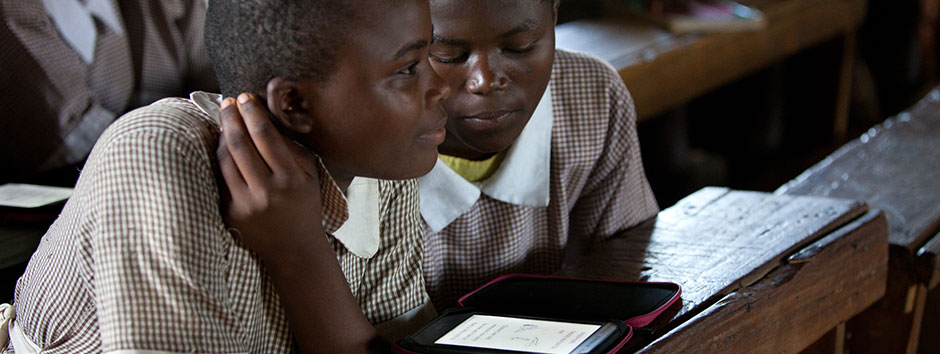
Education plays a crucial role in shaping the socio-economic landscape of Tunisia. With a literacy rate of around 81%, the country has made significant strides in improving access to education over the years. However, challenges such as high dropout rates and educational inequality persist, particularly in rural areas and among marginalized communities. Education in Tunisia is impacted by factors such as poverty, limited resources, and outdated teaching methods. Investing in education is essential for Tunisia's future development, as it not only empowers individuals with knowledge and skills but also plays a key role in promoting social cohesion and economic growth. To address these challenges, policymakers need to prioritize education reform, enhance teacher training programs, and allocate sufficient resources to ensure quality education for all Tunisian citizens.

Poverty

Tunisia, a North African nation with a population of approximately 11.7 million, faces significant challenges due to poverty. The country's economy has been struggling, with high unemployment rates and a large informal sector contributing to widespread poverty. Poverty in Tunisia is often rooted in factors such as limited access to education, healthcare, and employment opportunities, particularly in rural areas. This economic disparity has led to social unrest and political instability in recent years, further exacerbating the issue of poverty in the country. Addressing poverty in Tunisia requires comprehensive strategies that focus on creating sustainable economic growth, improving access to education and healthcare, and promoting social inclusion for all citizens.

Religion

Tunisia, a North African country known for its rich history and diverse culture, has a predominantly Muslim population with Islam as the state religion. Religion, particularly Islam, plays a significant role in shaping the social, cultural, and political landscape of Tunisia. The influence of religion can be seen in various aspects of daily life, including family structure, education, laws, and societal norms. While Tunisia is often considered more liberal compared to some of its neighboring countries in terms of women's rights and personal freedoms, the interplay between religion and governance remains complex and sometimes contentious. The country has witnessed debates over issues such as the role of Islam in public life, religious freedom, and the balance between secular values and religious traditions. Despite these challenges, Tunisia continues to navigate its religious identity while striving for social cohesion and development.

Clean Water

Tunisia, a North African country located on the Mediterranean coast, faces significant challenges in ensuring access to clean water for its population. With a growing population and increasing water scarcity due to climate change, Tunisia has been grappling with issues related to water quality and availability. Lack of access to clean water not only poses health risks but also hinders socio-economic development in the country. In rural areas, in particular, communities struggle to access safe drinking water, leading to waterborne diseases and overall poor health outcomes. Efforts are being made by the Tunisian government and various organizations to improve water infrastructure and promote sustainable water management practices to address this pressing issue.

Economy

Tunisia, located in North Africa, has been grappling with economic challenges that significantly impact its population. The country's economy heavily relies on agriculture, manufacturing, and tourism, but faces structural issues such as high unemployment rates, particularly among the youth. Political instability, corruption, and regional security concerns have further hindered economic growth and investment opportunities in Tunisia. The World Bank reports that the country's economy has been struggling to recover from the effects of the Arab Spring uprisings in 2011. These economic issues have led to social unrest and protests in the country, highlighting the urgent need for sustainable solutions to address Tunisia's economic woes.

Government

Tunisia, a North African country known for its rich history and diverse culture, has experienced significant political changes in recent years. The government in Tunisia plays a crucial role in shaping the country's social, economic, and political landscape. The impact of government policies and decisions can be seen in various aspects of Tunisian society, including education, healthcare, infrastructure, and employment opportunities. The government's ability to provide effective governance, maintain security, and promote economic growth greatly influences the well-being of its citizens. However, challenges such as corruption, political instability, and social inequality continue to pose obstacles to Tunisia's development. It is essential for the government to address these issues in order to ensure a stable and prosperous future for the country.

Health

Tunisia, a North African country, faces various health challenges that significantly impact its population. Despite making progress in healthcare infrastructure and services, Tunisia continues to grapple with issues such as high rates of non-communicable diseases, inadequate access to healthcare in rural areas, and a growing burden of mental health disorders. The prevalence of diseases like diabetes, cardiovascular conditions, and cancer poses a significant burden on the healthcare system and the overall well-being of the population. Furthermore, disparities in healthcare access and quality contribute to health inequities among different socio-economic groups within the country. Addressing these health challenges requires targeted interventions, improved healthcare financing, and strengthened primary care services to ensure universal health coverage for all Tunisians.

Children

In Tunisia, children face various challenges that impact their well-being and development. High rates of poverty, limited access to quality education, and inadequate healthcare services are some of the key factors affecting children in this North African country. According to UNICEF, around 15% of children in Tunisia live in poverty, which hinders their access to proper nutrition, healthcare, and education. Additionally, the quality of education remains a concern, with many children lacking access to adequate schooling facilities and trained teachers. These issues collectively contribute to a cycle of poverty and inequality that disproportionately affects Tunisian children, limiting their opportunities for a better future. Heightened awareness and targeted interventions are essential to address these challenges and improve the well-being of children in Tunisia.

Animals

Tunisia, a North African country known for its rich cultural heritage and diverse landscapes, is home to a variety of animals that play a crucial role in its ecosystem. The impact of animals in Tunisia is significant, as they contribute to biodiversity conservation, agriculture, and tourism. The Barbary macaque, the national animal of Tunisia, is an endangered species that resides in the Atlas Mountains and plays a vital role in seed dispersal, thus contributing to forest regeneration. Additionally, the Tunisian coastline is frequented by sea turtles such as the loggerhead and green turtles, which are protected under Tunisian law due to their importance in maintaining marine ecosystems. However, these animals face threats such as habitat loss, poaching, and climate change, which endanger their populations and the delicate balance of Tunisia's ecosystems. Raising awareness about the importance of protecting these animals and their habitats is crucial for the conservation efforts in Tunisia.

Nonprofits Working in Tunisia

Discover organizations making a difference in Tunisia

Make Your Impact Today

Discover causes you care about and support the nonprofits making a difference in communities around the world.

Are you a nonprofit? Join Project World Impact for free

Join Us Free