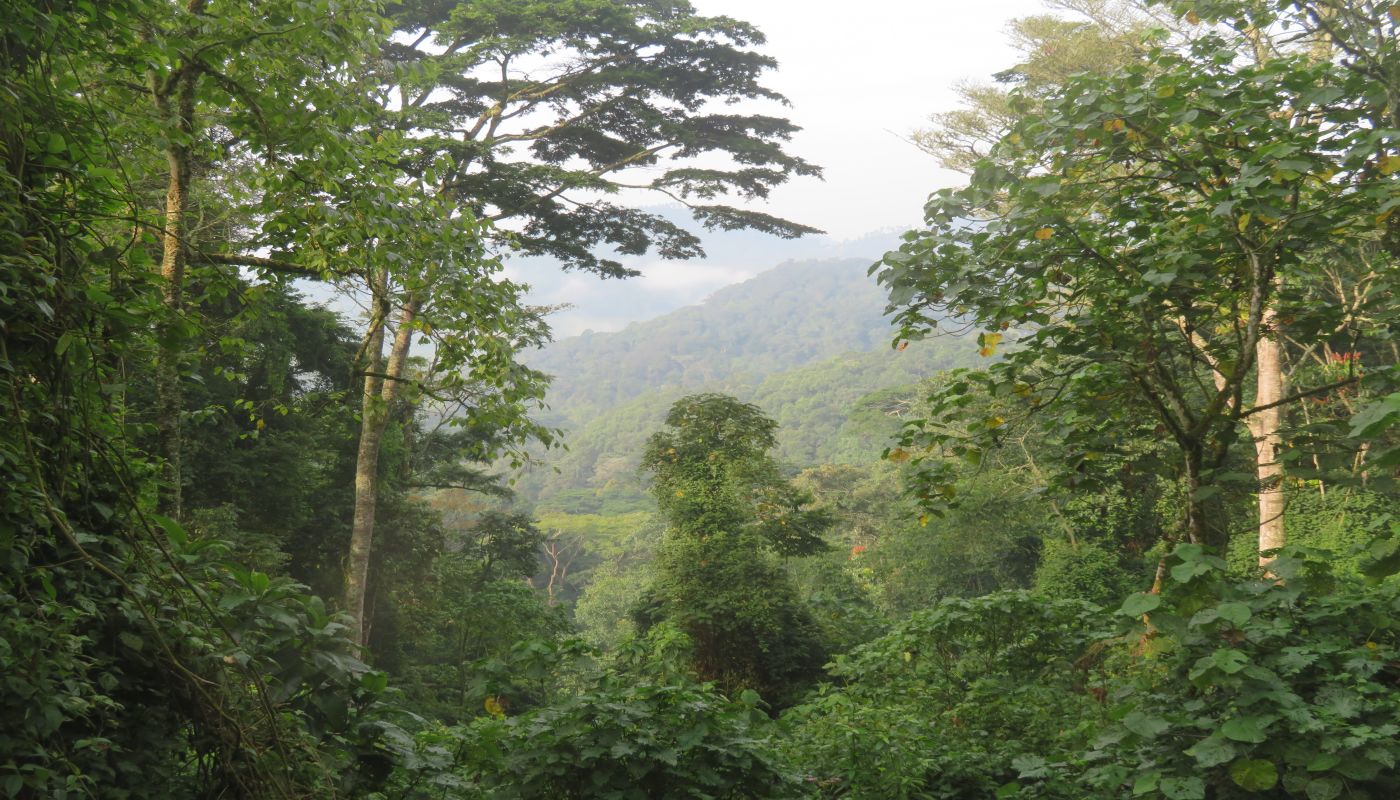
Landscape of Uganda
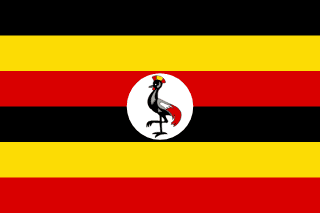
Flag of Uganda

Uganda

Africa

Uganda is a landlocked country located in East Africa, known for diverse wildlife, and constrastingly, the ongoing challenges related to poverty and political instability. With a population of over 45 million people, Uganda is a developing country that has made progress in areas such as healthcare, education, and environmental conservation. The country's economy is based on agriculture and natural resources, but it also faces challenges related to economic diversification and job creation. Uganda has a democratic government, but it faces challenges related to corruption and human rights abuses. Despite these challenges, Uganda remains a vibrant and resilient nation with a promising future ahead, and is working towards improving the standard of living for its people through economic and social reforms.

What would you like to learn about in Uganda?

Select a section to explore the country where nonprofits are creating positive change.

About Uganda

The colonial boundaries created by Britain to delimit Uganda grouped together a wide range of ethnic groups with different political systems and cultures. These differences prevented the establishment of a working political community after independence was achieved in 1962. The dictatorial regime of Idi AMIN (1971-79) was responsible for the deaths of some 300,000 opponents; guerrilla war and human rights abuses under Milton OBOTE (1980-85) claimed at least another 100,000 lives. The rule of Yoweri MUSEVENI since 1986 has brought relative stability and economic growth to Uganda. A constitutional referendum in 2005 cancelled a 19-year ban on multi-party politics.

Quick Facts

Population
34,758,809 (July 2013 est.)
Area
241,038 sq km
ISO Code
UG
Continent
Africa
Government
republic
Active Causes
12
View all countries in Africa

Geography & Environment

Climate

tropical; generally rainy with two dry seasons (December to February, June to August); semiarid in northeast

Terrain

mostly plateau with rim of mountains

Natural Resources

copper, cobalt, hydropower, limestone, salt, arable land, gold

Environmental Issues

draining of wetlands for agricultural use; deforestation; overgrazing; soil erosion; water hyacinth infestation in Lake Victoria; widespread poaching

People & Society

53.98 years
Avg. Life Expectancy
73.2%
Literacy Rate
15.6% of total population (2011)
Total Urban Population

Languages

English (official national language, taught in grade schools, used in courts of law and by most newspapers and some radio broadcasts), Ganda or Lugand...

Religions

Roman Catholic 41.9%, Protestant 42% (Anglican 35.9%, Pentecostal 4.6%, Seventh-Day Adventist 1.5%), Muslim 12.1%, other 3.1%, none 0.9% (2002 census)

Health Expenditure

9% of GDP (2010) of GDP

Education Expenditure

3.3% of GDP (2012) of GDP

Economy

$1,400
GDP per Capita (PPP)
NA%
Unemployment Rate
24.5% (2009 est.)
Below Poverty Line

Economic Overview

Uganda has substantial natural resources, including fertile soils, regular rainfall, small deposits of copper, gold, and other minerals, and recently discovered oil. Uganda has never conducted a national minerals survey. Agriculture is the most important sector of the economy, employing over 80% of the work force. Coffee accounts for the bulk of export revenues. Since 1986, the government - with the support of foreign countries and international agencies - has acted to rehabilitate and stabilize the economy by undertaking currency reform, raising producer prices on export crops, increasing pri...

Causes in Uganda

Environment

Uganda, a landlocked country in East Africa, is significantly impacted by its environment, which plays a crucial role in shaping the country's economy and livelihoods of its people. The environmental challenges faced by Uganda include deforestation, soil erosion, water pollution, and loss of biodiversity. Deforestation, driven by agricultural expansion and logging, contributes to soil degradation and loss of wildlife habitats. Soil erosion is exacerbated by unsustainable farming practices, leading to reduced agricultural productivity and food insecurity. Water pollution from industrial activities and inadequate waste management poses health risks to communities relying on contaminated water sources. Loss of biodiversity threatens Uganda's rich ecological heritage and the ecosystem services it provides. Addressing these environmental issues is vital for sustainable development and the well-being of Uganda's population.

Family

In Uganda, family plays a central role in shaping the social fabric and cultural identity of the nation. The concept of family extends beyond the immediate nuclear family to include extended relatives, creating strong kinship networks that provide a sense of belonging, support, and security. Families in Uganda are typically large and close-knit, with members often living in close proximity and actively participating in each other's lives. This emphasis on family ties fosters a collective mindset where individuals prioritize the well-being of the group over personal interests. Moreover, families in Uganda serve as primary sources of socialization, transmitting cultural values, traditions, and norms from one generation to the next. However, challenges such as poverty, disease, and conflict can strain familial relationships and disrupt the traditional roles and functions of families in Ugandan society.

Human Rights

Uganda, a country located in East Africa, faces significant human rights challenges that impact its population. Human rights violations in Uganda span from political repression to discrimination against minority groups such as the LGBTQ+ community. The government's suppression of political dissent, media censorship, and restrictions on freedom of assembly have been widely documented. Additionally, Uganda has a history of violence and discrimination against marginalized groups, leading to social exclusion and limited access to basic services for vulnerable populations. These human rights abuses not only infringe upon individuals' fundamental freedoms but also hinder the country's overall development and stability. It is crucial for stakeholders to address these issues and work towards creating a more equitable society where all Ugandans can enjoy their rights and live free from discrimination.

Education

Education plays a crucial role in shaping the future of Uganda, a country in East Africa. While Uganda has made significant strides in improving its education system over the years, challenges such as inadequate funding, limited access to quality education in rural areas, and high dropout rates persist. The impact of these challenges is evident in the low literacy rates and limited opportunities for Ugandan youth. With only about 75% of children completing primary school and even fewer going on to pursue secondary or higher education, there is a pressing need to address these issues to ensure sustainable development and prosperity for the country. Education not only empowers individuals to break the cycle of poverty but also plays a crucial role in promoting economic growth and social development in Uganda.

Poverty

Poverty remains a significant challenge in Uganda, affecting a large portion of the population. With approximately 21.4% of Ugandans living below the poverty line, lack of access to basic necessities such as clean water, healthcare, and education persists as a pressing issue in the country. The impact of poverty in Uganda is far-reaching, leading to malnutrition, limited educational opportunities, inadequate healthcare services, and overall reduced quality of life for many individuals and families. This economic disparity also contributes to social issues such as unemployment, crime, and poor living conditions. Efforts by the government and various organizations are ongoing to address these challenges and uplift those affected by poverty in Uganda.

Religion

Religion plays a significant role in the social fabric of Uganda, a country situated in East Africa. With a population that is predominantly Christian (about 85%), followed by Muslims (around 14%), and a small percentage practicing traditional indigenous beliefs, religion deeply influences the daily lives and cultural practices of Ugandans. The religious landscape has not only shaped the moral values and ethics of the society but also acts as a source of comfort and guidance for many individuals. Places of worship, such as churches and mosques, serve as not only spiritual centers but also as hubs for community gatherings and support networks. However, despite the positive aspects, religious differences have also been a source of tension and conflict in Uganda's history, leading to instances of discrimination and even violence. It is crucial to promote interfaith dialogue and understanding to foster unity and tolerance among different religious groups in Uganda.

Clean Water

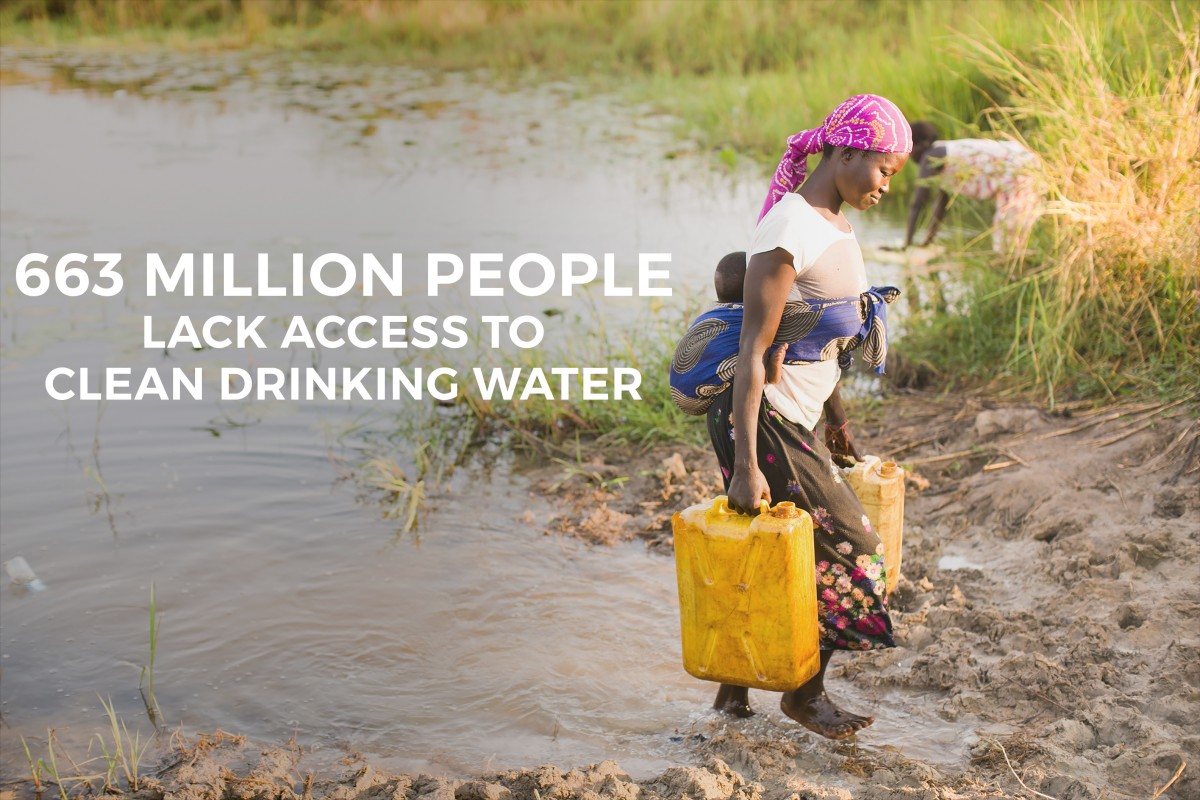
The availability of clean water in Uganda remains a critical issue with far-reaching impacts on the country's population. According to UNICEF, approximately 23 million people in Uganda lack access to safe water, leading to health challenges such as waterborne diseases and poor sanitation practices. The inadequate infrastructure and limited access to clean water sources exacerbate these issues, particularly in rural areas where the majority of the population resides. This situation not only hinders personal hygiene and sanitation but also contributes to a cycle of poverty and impedes socio-economic development. Addressing the issue of clean water scarcity in Uganda is crucial for improving public health, promoting sustainable development, and enhancing the overall quality of life for its citizens.

Economy

Uganda, a landlocked country in East Africa, has been significantly impacted by its economy. The nation's economy is primarily based on agriculture, with coffee being a major export crop. However, Uganda faces challenges such as limited access to credit, poor infrastructure, and high levels of corruption, which hinder economic growth and development. These issues have contributed to high poverty rates and limited opportunities for many Ugandans. Moreover, the country has struggled with political instability and conflicts, further affecting its economic stability. As a result, many people in Uganda continue to face economic hardships, lack of basic amenities, and limited access to education and healthcare. It is crucial for stakeholders to address these challenges and work towards sustainable economic development in Uganda to improve the quality of life for its citizens.

Government

In Uganda, the government plays a significant role in shaping the country's socio-economic landscape. The impact of the government is felt across various sectors, including healthcare, education, infrastructure development, and economic policies. One of the key challenges faced by Uganda is corruption, which undermines the effectiveness of government programs and services. This has a direct negative impact on the country's development and the well-being of its citizens. Additionally, political instability and lack of transparency in governance further exacerbate these issues, leading to a cycle of poverty and inequality. It is essential for the government to prioritize good governance practices and accountability to ensure sustainable development and improve the quality of life for all Ugandans.

Health

In Uganda, health plays a pivotal role in shaping the well-being of its population. The country faces various health challenges, including high rates of infectious diseases such as malaria, HIV/AIDS, and tuberculosis. Limited access to healthcare services, inadequate infrastructure, and a shortage of healthcare professionals further exacerbate the health disparities within the nation. Maternal and child mortality rates remain high, with issues such as malnutrition and poor sanitation contributing to these alarming statistics. Additionally, non-communicable diseases such as cardiovascular diseases and diabetes are on the rise, posing a growing threat to public health in Uganda. Addressing these health issues requires concerted efforts from the government, healthcare providers, and international partners to improve healthcare infrastructure, increase access to essential services, and promote health education and awareness among the population.

Children

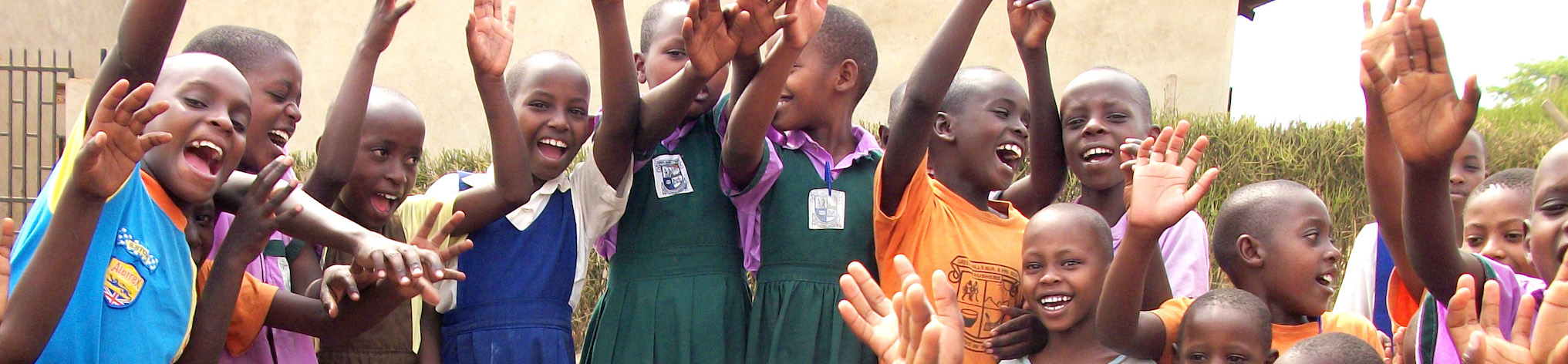
In Uganda, children face numerous challenges that significantly impact their well-being and future prospects. Poverty remains a pervasive issue, with many children lacking access to basic necessities such as food, clean water, and education. This has severe consequences on their health and development, leading to high rates of malnutrition and stunted growth among Ugandan children. Furthermore, the country's healthcare system is strained, resulting in limited access to quality healthcare services for children, particularly those living in rural areas. Child labor is also prevalent in Uganda, with many children engaged in hazardous work that jeopardizes their safety and denies them the opportunity to receive an education. Additionally, the ongoing conflicts in some regions of the country have led to widespread displacement of families, leaving children vulnerable to exploitation and abuse. Addressing these issues requires concerted efforts from the government, civil society organizations, and the international community to ensure that every child in Uganda has a chance to thrive and reach their full potential.

Animals

Uganda, located in East Africa, boasts a rich biodiversity with a wide array of animal species that play a significant role in the country's ecosystem and economy. Animals in Uganda, such as elephants, gorillas, and various bird species, are vital to the country's tourism industry, attracting visitors from around the world and contributing to economic growth. However, these animals are facing threats such as habitat loss, poaching, and human-wildlife conflict, which endanger their survival and disrupt the delicate balance of the ecosystem. Conservation efforts in Uganda are crucial to protect these animals and ensure their long-term survival for future generations to appreciate and enjoy.

Nonprofits Working in Uganda

Discover organizations making a difference in Uganda

Make Your Impact Today

Discover causes you care about and support the nonprofits making a difference in communities around the world.

Are you a nonprofit? Join Project World Impact for free

Join Us Free