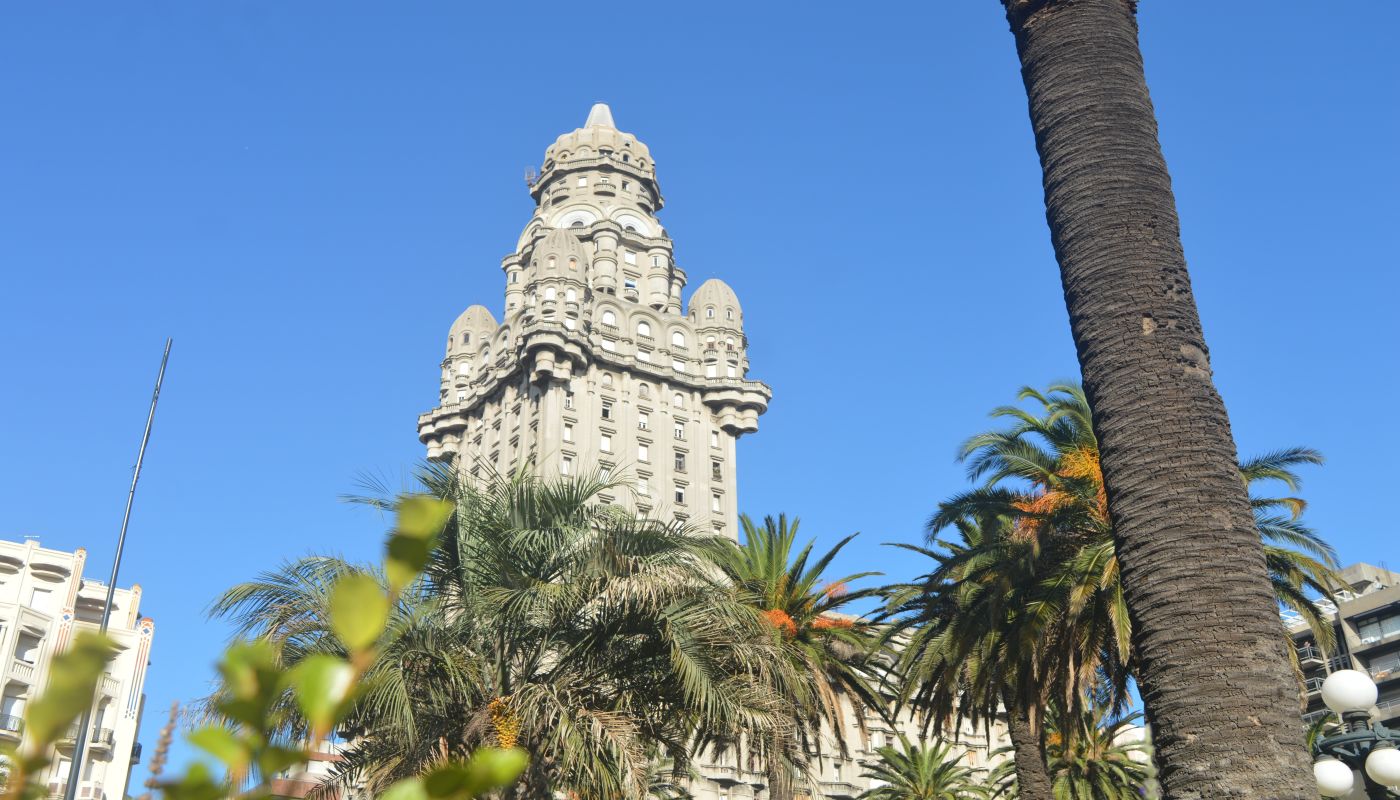

Landscape of Uruguay
Flag of Uruguay

Uruguay

South America

Uruguay is a small country located in South America, known for its progressive social policies, rich culture, and competitive economy. With a population of just over 3.4 million people, Uruguay is a highly developed country that has made progress in areas such as healthcare, education, and environmental conservation. The country's economy is based on agriculture, manufacturing, and services, and it has been working to attract more foreign investment and develop its infrastructure. Uruguay faces challenges related to economic inequality, political polarization, and environmental sustainability, but it continues to persevere.

What would you like to learn about in Uruguay?

Select a section to explore the country where nonprofits are creating positive change.

About Uruguay

Montevideo, founded by the Spanish in 1726 as a military stronghold, soon took advantage of its natural harbor to become an important commercial center. Claimed by Argentina but annexed by Brazil in 1821, Uruguay declared its independence four years later and secured its freedom in 1828 after a three-year struggle. The administrations of President Jose BATLLE in the early 20th century established widespread political, social, and economic reforms that established a statist tradition. A violent Marxist urban guerrilla movement named the Tupamaros, launched in the late 1960s, led Uruguay's president to cede control of the government to the military in 1973. By yearend, the rebels had been crushed, but the military continued to expand its hold over the government. Civilian rule was not restored until 1985. In 2004, the left-of-center Frente Amplio Coalition won national elections that effectively ended 170 years of political control previously held by the Colorado and Blanco parties. Uruguay's political and labor conditions are among the freest on the continent.

Quick Facts

Population
3,324,460 (July 2013 est.)
Area
176,215 sq km
ISO Code
UY
Continent
South America
Government
constitutional republic
Active Causes
12
View all countries in South America

Geography & Environment

Climate

warm temperate; freezing temperatures almost unknown

Terrain

mostly rolling plains and low hills; fertile coastal lowland

Natural Resources

arable land, hydropower, minor minerals, fish

Environmental Issues

water pollution from meat packing/tannery industry; inadequate solid/hazardous waste disposal

People & Society

76.61 years
Avg. Life Expectancy
98.1%
Literacy Rate
92% of total population (2010)
Total Urban Population

Languages

Spanish (official), Portunol, Brazilero (Portuguese-Spanish mix on the Brazilian frontier)

Religions

Roman Catholic 47.1%, non-Catholic Christians 11.1%, nondenominational 23.2%, Jewish 0.3%, atheist or agnostic 17.2%, other 1.1% (2006)

Health Expenditure

8.4% of GDP (2010) of GDP

Education Expenditure

2.9% of GDP (2006) of GDP

Economy

$16,200
GDP per Capita (PPP)
6.1%
Unemployment Rate
18.6% (2010 est.)
Below Poverty Line

Economic Overview

Uruguay has a free market economy characterized by an export-oriented agricultural sector, a well-educated work force, and high levels of social spending. Following financial difficulties in the late 1990s and early 2000s, economic growth for Uruguay averaged 8% annually during the period 2004-08. The 2008-09 global financial crisis put a brake on Uruguay's vigorous growth, which decelerated to 2.6% in 2009. Nevertheless, the country managed to avoid a recession and keep positive growth rates, mainly through higher public expenditure and investment, and GDP growth reached 8.9% in 2010 but fell...

Causes in Uruguay

Environment

Uruguay, a country known for its rich biodiversity and natural beauty, faces significant environmental challenges that impact its population and ecosystems. The country's economy heavily relies on agriculture and livestock farming, which can lead to deforestation, soil degradation, and water pollution. Additionally, Uruguay is vulnerable to climate change effects such as droughts and floods, which pose risks to its agriculture and infrastructure. The country has made efforts to promote sustainable practices and conservation initiatives to mitigate these issues, but continued awareness and action are crucial to protect Uruguay's environment for future generations.

Family

In Uruguay, family plays a central role in shaping individuals and society as a whole. The concept of family extends beyond the nuclear unit to include extended family members, creating strong support networks and fostering close-knit communities. Families in Uruguay typically prioritize spending quality time together and are actively involved in each other's lives. This emphasis on family values contributes to the overall well-being of individuals and promotes social cohesion within the country. Additionally, the Uruguayan government has implemented policies to support families, such as providing parental leave and promoting work-life balance, further highlighting the importance of family in Uruguayan society.

Human Rights

Uruguay, a South American country known for its progressive policies, has made significant strides in upholding human rights within its borders. With a long history of political turmoil and military dictatorships, Uruguay has placed a strong emphasis on promoting and protecting human rights as a fundamental aspect of its democratic governance. The country has implemented various measures to ensure the rights of its citizens, including the establishment of independent institutions dedicated to monitoring and addressing human rights violations. Additionally, Uruguay has ratified numerous international human rights treaties and conventions, demonstrating its commitment to upholding universal standards of human rights. Despite these efforts, challenges persist, particularly concerning issues such as gender equality, indigenous rights, and access to justice for marginalized communities. By continuing to prioritize human rights in its policies and practices, Uruguay can further advance towards a more inclusive and just society.

Education

Uruguay, a South American nation known for its commitment to social policies, places great value on education as a cornerstone of its development. The country has made significant strides in ensuring access to quality education for all its citizens, with policies aimed at achieving universal education and reducing inequality. Education in Uruguay is largely public and free, from primary to higher education levels. The government invests heavily in its education system, dedicating a significant portion of its budget to this sector. This emphasis on education has led to positive outcomes such as increased literacy rates, improved social mobility, and enhanced workforce skills. Despite these efforts, challenges remain, including disparities in educational quality between urban and rural areas. By continuing to prioritize education and address these disparities, Uruguay aims to further enhance its social and economic development.

Poverty

Uruguay, a South American nation known for its stable economy and high quality of life, also grapples with the persistent issue of poverty. Despite being one of the more affluent countries in the region, poverty rates in Uruguay remain a concern, particularly in rural areas and among marginalized populations. The impact of poverty in Uruguay is profound, affecting access to education, healthcare, and adequate housing for many citizens. Limited employment opportunities and income inequality further exacerbate the problem, creating barriers to social mobility and economic advancement. Addressing poverty in Uruguay requires sustainable policies that promote inclusive growth, social welfare programs, and targeted support for vulnerable communities. By raising awareness about the complexities of poverty in Uruguay, we can work towards fostering a more equitable society for all its inhabitants.

Religion

Religion plays a significant role in the cultural landscape of Uruguay, a South American country known for its progressive social policies and high levels of secularism. While the constitution guarantees freedom of religion, the majority of Uruguayans identify as non-religious or agnostic, with only a small percentage affiliated with Christian denominations such as Roman Catholicism or Protestantism. Despite this, religion continues to influence various aspects of Uruguayan society, particularly in traditional ceremonies and celebrations. Religious institutions also provide social services and support to communities in need. It is important to recognize the diverse religious perspectives within Uruguay and the impact they have on its rich cultural tapestry.

Clean Water

Uruguay, a South American country known for its progressive social policies and high standard of living, faces significant challenges regarding access to clean water. Despite being one of the most developed countries in the region, Uruguay struggles with water pollution and inadequate infrastructure, particularly in rural areas where access to clean water is limited. Contamination from agricultural activities, industrial waste, and urban runoff has led to waterborne diseases and health issues among the population. The lack of proper sanitation facilities exacerbates the problem, further compromising public health. Addressing these issues requires coordinated efforts from the government, non-governmental organizations, and the private sector to improve water quality, invest in infrastructure, and promote sustainable water management practices.

Economy

Uruguay, a country located in South America, is influenced significantly by its economy. The nation's economy is primarily driven by agriculture, particularly beef production and exports, as well as tourism and renewable energy industries. Economic stability in Uruguay has a direct impact on various aspects of its society, including employment rates, social welfare programs, and overall living standards. However, the country also faces challenges such as income inequality and fluctuations in global commodity prices that can affect its economic growth and development. By understanding the intricate relationship between the economy and its societal implications, stakeholders can work towards implementing sustainable policies that promote long-term prosperity for all Uruguayans.

Government

Uruguay, a South American country known for its progressive policies and strong democratic institutions, has a government that plays a crucial role in shaping the nation's socio-economic landscape. The government of Uruguay is a representative democratic republic with a strong emphasis on social welfare and equality. Through policies focused on education, healthcare, and social security, the government aims to provide its citizens with a high standard of living and equal opportunities for all. Additionally, Uruguay has been proactive in promoting environmental sustainability and renewable energy initiatives, positioning itself as a leader in the region. The government's commitment to transparency and accountability has fostered a stable political environment, attracting foreign investment and promoting economic growth. Overall, the government of Uruguay is instrumental in driving positive change and progress within the country.

Health

Uruguay, a South American country known for its progressive social policies, faces various health challenges that significantly impact its population. One of the most pressing issues is the prevalence of non-communicable diseases such as cardiovascular diseases, cancer, and diabetes, which account for a significant portion of the country's disease burden. Factors such as high tobacco consumption rates, unhealthy diets, and insufficient physical activity contribute to the rise of these illnesses. Additionally, mental health disorders are also a concern in Uruguay, with increasing rates of depression and anxiety affecting individuals across different age groups. The healthcare system in Uruguay continues to strive towards providing accessible and quality care to its citizens, but there is a need for ongoing efforts to address these health challenges and promote overall well-being in the population.

Children

Uruguay, a South American nation known for its progressive social policies and high levels of human development, faces various challenges in ensuring the well-being of its children. Despite being one of the region's wealthier countries, child poverty and inequality persist, affecting access to education, healthcare, and basic needs. Factors such as domestic violence, substance abuse, and inadequate social services contribute to the vulnerability of Uruguayan children. Additionally, issues like child labor and teenage pregnancy remain prevalent, posing risks to the physical and mental health of the younger population. Addressing these challenges requires a comprehensive approach that includes improved social programs, enhanced educational opportunities, and increased support for at-risk families. By prioritizing the well-being of its children, Uruguay can secure a brighter future for the next generation.

Animals

Uruguay, a South American country known for its rich culture and diverse landscapes, faces various challenges related to animal welfare. The impact of animals on Uruguay is significant, as they play a crucial role in the country's agriculture industry, with cattle farming being a major economic activity. However, despite their economic importance, animals in Uruguay also face issues such as inadequate protection from cruelty and exploitation. The lack of strict enforcement of animal welfare laws and regulations poses a threat to the well-being of animals in the country. Initiatives promoting responsible pet ownership and advocating for stronger animal protection laws are vital to addressing these challenges and improving the overall welfare of animals in Uruguay.

Nonprofits Working in Uruguay

Discover organizations making a difference in Uruguay

Make Your Impact Today

Discover causes you care about and support the nonprofits making a difference in communities around the world.

Are you a nonprofit? Join Project World Impact for free

Join Us Free