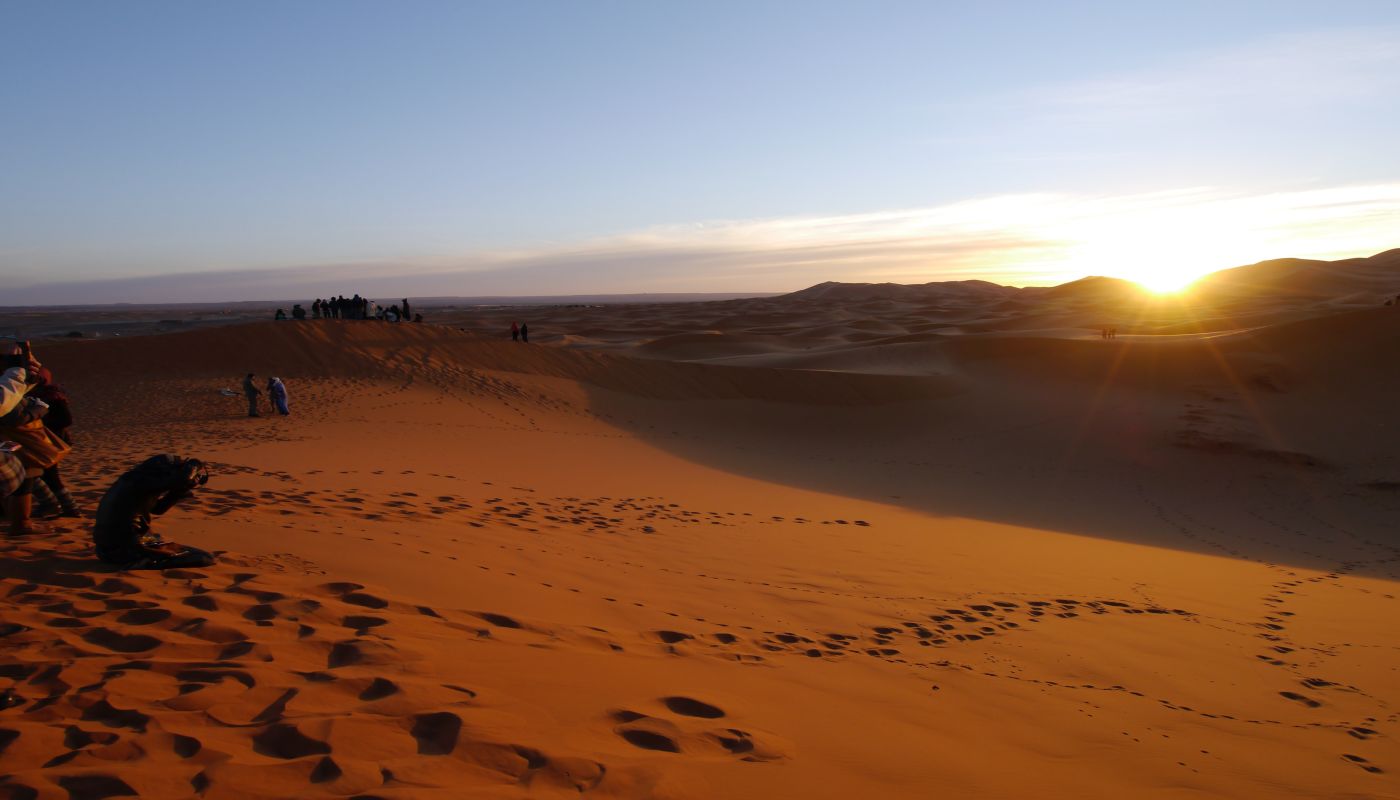
Landscape of Western Sahara
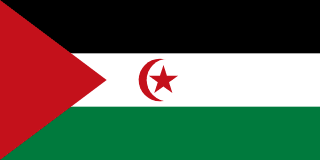
Flag of Western Sahara

Western Sahara

Africa

Western Sahara is a disputed territory located in North Africa, bordered by Morocco to the north and Mauritania to the south. The territory has been the subject of a long-standing conflict between Morocco and the Polisario Front, a nationalist movement seeking independence for the Sahrawi people. Despite being recognized by the United Nations as a non-self-governing territory, Western Sahara remains under Moroccan control, and the conflict has resulted in human rights abuses, refugee crises, and economic challenges for the local population.
What would you like to learn about in Western Sahara?

Select a section to explore the country where nonprofits are creating positive change.

About Western Sahara

Western Sahara is a disputed territory located in North Africa, bordered by Morocco to the north and Mauritania to the south. The territory has been the subject of a long-standing conflict between Morocco and the Polisario Front, a nationalist movement seeking independence for the Sahrawi people. Despite being recognized by the United Nations as a non-self-governing territory, Western Sahara remains under Moroccan control, and the conflict has resulted in human rights abuses, refugee crises, and economic challenges for the local population.
Causes in Western Sahara

Environment

Western Sahara, a disputed territory in North Africa, faces significant environmental challenges that impact its inhabitants. The region's fragile ecosystem is threatened by desertification, overgrazing, and limited access to water resources. Prolonged periods of drought exacerbate these issues, leading to food insecurity and loss of livelihoods for the local population. The lack of proper environmental management and infrastructure further compounds the situation, putting additional strain on the already vulnerable communities in Western Sahara. Addressing these environmental concerns is crucial to ensuring the well-being and sustainability of the region for future generations.

Family

In Western Sahara, a disputed territory in North Africa, family plays a crucial role in the social fabric and everyday life of its people. Family ties are deeply valued, with extended family members often providing strong support systems for individuals. In this patriarchal society, familial relationships are typically hierarchical, with elders holding significant authority and respect. Family gatherings are important occasions where traditions, customs, and cultural values are upheld and passed down through generations. The concept of collectivism is prevalent, with an emphasis on the well-being of the family unit over individual pursuits. However, due to the ongoing political conflict and displacement faced by many in Western Sahara, families often endure challenges such as separation, loss, and uncertainty, which can strain these vital familial bonds.

Human Rights

Western Sahara is a disputed territory located in North Africa, bordered by Morocco, Algeria, and Mauritania. The region has been the subject of a long-standing territorial dispute between the indigenous Sahrawi people, represented by the Polisario Front, and Morocco. Human rights violations have been reported in Western Sahara, including restrictions on freedom of speech, assembly, and association, as well as allegations of torture and arbitrary arrests. The United Nations has expressed concerns about the situation in Western Sahara and called for the respect of human rights in the region. It is crucial to raise awareness about the human rights issues in Western Sahara to advocate for justice and protection of the rights of its people.

Education

Western Sahara is a disputed territory located in North Africa, bordered by Morocco, Algeria, and Mauritania. The ongoing conflict in the region has had a significant impact on the educational system in Western Sahara. Limited resources, lack of infrastructure, and political instability have created barriers to quality education for the local population. Despite efforts by the Sahrawi authorities and international organizations to improve access to education, challenges such as a shortage of qualified teachers and inadequate learning materials persist. Education is crucial for the future development and stability of Western Sahara, as it empowers individuals, fosters economic growth, and promotes social cohesion. By addressing the educational challenges in Western Sahara, there is an opportunity to create a more prosperous and sustainable future for its people.

Poverty

Western Sahara is a non-self-governing territory in North Africa, characterized by a protracted conflict over its sovereignty. The region faces significant challenges, with poverty being a prominent issue affecting its population. Factors such as limited economic opportunities, inadequate infrastructure, and political instability contribute to the high levels of poverty experienced by the people of Western Sahara. Poverty in the region has far-reaching impacts, including food insecurity, limited access to healthcare and education, and overall reduced quality of life for its residents. Addressing poverty in Western Sahara requires sustainable development initiatives, improved governance, and increased international support to create lasting positive change for its population.

Religion

Western Sahara is a disputed territory in North Africa, bordered by Morocco to the north, Algeria to the northeast, Mauritania to the east and south, and the Atlantic Ocean to the west. The region has been the subject of a long-standing political conflict between Morocco and the Polisario Front, a Sahrawi liberation movement seeking independence. Religion plays a significant role in the lives of the Sahrawi people, with Islam being the predominant faith. The practice of Islam influences various aspects of their daily lives, including social customs, family structure, and community interactions. Mosques serve as centers for spiritual and communal activities, fostering a sense of unity among believers. Religious festivals and traditions are celebrated with fervor, reflecting the deep-rooted religious identity of the Sahrawi people. Despite the challenging political circumstances they face, religion provides a source of solace and strength for many inhabitants of Western Sahara.

Clean Water

Western Sahara is a disputed territory located in North Africa, bordered by Morocco, Algeria, and Mauritania. The region faces significant challenges in accessing clean water, primarily due to its arid climate and limited water resources. The lack of access to clean water has severe implications on the health and well-being of the local population, leading to waterborne diseases and malnutrition. In Western Sahara, clean water scarcity exacerbates existing social, economic, and environmental issues, impacting livelihoods and hindering development efforts. Addressing the clean water crisis in the region is crucial to improving the quality of life and promoting sustainable development for its residents.

Economy

Western Sahara is a territory in North Africa with a longstanding conflict over its sovereignty. The economy of Western Sahara heavily relies on fishing and phosphate mining, with limited natural resources and infrastructure development. The ongoing dispute has hindered economic growth and stability in the region, leading to poverty and unemployment among the local population. The lack of control over its resources and the uncertain political status have further exacerbated the economic challenges faced by the people of Western Sahara. International efforts to find a resolution to the conflict remain ongoing to bring about sustainable economic development in the region.

Government

Western Sahara is a disputed territory located in North Africa, bordered by Morocco, Algeria, and Mauritania. The region has been the subject of a long-standing territorial dispute between the indigenous Sahrawi people and Morocco. Following Spain's withdrawal from the territory in 1976, Morocco claimed sovereignty over Western Sahara, leading to a conflict with the Polisario Front, a Sahrawi independence movement. The United Nations considers Western Sahara a non-self-governing territory and has called for a referendum on self-determination for its people. The presence of a large number of Moroccan troops in the region has led to allegations of human rights abuses and restrictions on freedom of expression for Sahrawi activists. The government's control over the territory has also limited access to humanitarian aid for the local population, causing significant challenges in addressing poverty and healthcare issues. The ongoing political impasse continues to impact the lives of the Sahrawi people, highlighting the importance of resolving the conflict through peaceful means to ensure their rights and well-being.

Health

Western Sahara is a disputed territory located in North Africa. The ongoing political conflict and lack of autonomy have led to significant health challenges for its population. The limited access to healthcare services, clean water, and adequate nutrition has resulted in high rates of malnutrition, maternal mortality, and infectious diseases. Additionally, the lack of proper sanitation facilities and healthcare infrastructure exacerbates the health crisis in Western Sahara. The precarious health situation in the region calls for urgent attention and support to improve the well-being of its inhabitants and address the underlying causes of these health issues.

Children

Western Sahara is a territory in North Africa that has been the subject of a long-standing dispute between Morocco and the Polisario Front. The ongoing conflict has had a profound impact on the children of Western Sahara. Children in this region face numerous challenges, including limited access to education, healthcare, and basic services. Many children are forced to live in refugee camps, where living conditions are often harsh and resources are scarce. The lack of stability and security in the region also exposes children to violence and trauma, affecting their mental and emotional well-being. Additionally, the protracted conflict has disrupted families and communities, leading to a breakdown of social support systems that are crucial for children's development and well-being.

Animals

Western Sahara, located in North Africa, is a region known for its diverse wildlife and unique ecosystems. The animals in Western Sahara play a crucial role in maintaining the delicate balance of the environment. From the endangered addax antelope to the abundant bird species, the fauna of this region contributes to its biodiversity and ecological health. However, human activities such as overgrazing, habitat destruction, and climate change pose significant threats to the animal populations in Western Sahara. These impacts not only endanger individual species but also disrupt entire ecosystems, leading to cascading effects on both wildlife and humans. By raising awareness about the importance of preserving the animals in Western Sahara, we can work towards conserving their habitats and ensuring their long-term survival.

Nonprofits Working in Western Sahara

Discover organizations making a difference in Western Sahara

Make Your Impact Today

Discover causes you care about and support the nonprofits making a difference in communities around the world.

Are you a nonprofit? Join Project World Impact for free

Join Us Free