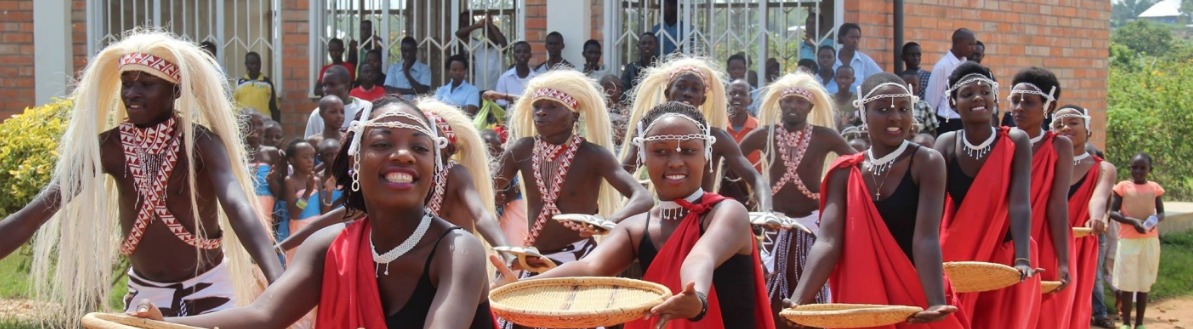
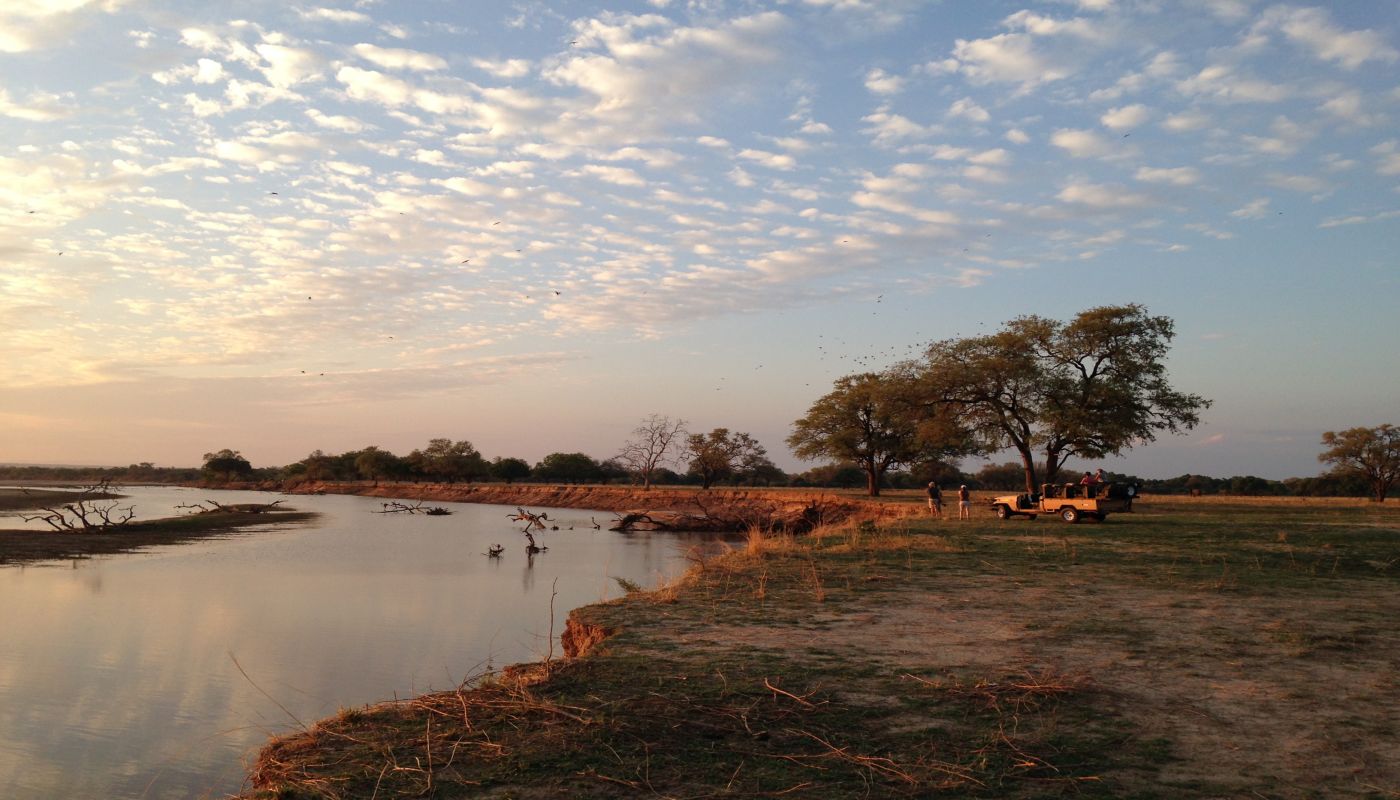
Landscape of Zambia
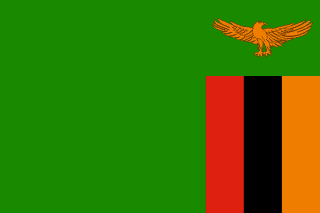
Flag of Zambia

Zambia

Africa

Zambia is a landlocked country located in Southern Africa with a population of over 18 million people, Zambia is a developing country that has made progress in areas such as healthcare, education, and economic growth. The country's economy is based on mining, agriculture, and tourism, but it also faces challenges related to income inequality and environmental sustainability. Zambia has been working to address issues related to climate change and deforestation, while also promoting social inclusion and economic development.

What would you like to learn about in Zambia?

Select a section to explore the country where nonprofits are creating positive change.

About Zambia

The territory of Northern Rhodesia was administered by the [British] South Africa Company from 1891 until it was taken over by the UK in 1923. During the 1920s and 1930s, advances in mining spurred development and immigration. The name was changed to Zambia upon independence in 1964. In the 1980s and 1990s, declining copper prices, economic mismanagement and a prolonged drought hurt the economy. Elections in 1991 brought an end to one-party rule, but the subsequent vote in 1996 saw blatant harassment of opposition parties. The election in 2001 was marked by administrative problems with three parties filing a legal petition challenging the election of ruling party candidate Levy MWANAWASA. MWANAWASA was reelected in 2006 in an election that was deemed free and fair. Upon his abrupt death in August 2008, he was succeeded by his vice president, Rupiah BANDA, who subsequently won a special presidential byelection in October 2008. Michael SATA was elected president in September 2011.

Quick Facts

Population
14,222,233 (July 2013 est.)
Area
752,618 sq km
ISO Code
ZM
Continent
Africa
Government
republic
Active Causes
12
View all countries in Africa

Geography & Environment

Climate

tropical; modified by altitude; rainy season (October to April)

Terrain

mostly high plateau with some hills and mountains

Natural Resources

copper, cobalt, zinc, lead, coal, emeralds, gold, silver, uranium, hydropower

Environmental Issues

air pollution and resulting acid rain in the mineral extraction and refining region; chemical runoff into watersheds; poaching seriously threatens rhinoceros, elephant, antelope, and large cat populat...

People & Society

51.51 years
Avg. Life Expectancy
61.4%
Literacy Rate
39.2% of total population (2011)
Total Urban Population

Languages

11 Bantu languages (Bemba (official) 30.1%, Nyanja (official) 10.7%, Tonga (official) 10.6%, Lozi (official) 5.7%, Chewa 4.9%, Nsenga 3.4%, Tumbuka 2....

Religions

Christian 50%-75%, Muslim and Hindu 24%-49%, indigenous beliefs 1%

Health Expenditure

5.9% of GDP (2010) of GDP

Education Expenditure

1.4% of GDP (2008) of GDP

Economy

$1,700
GDP per Capita (PPP)
14%
Unemployment Rate
64% (2006)
Below Poverty Line

Economic Overview

Zambia's economy has experienced strong growth in recent years, with real GDP growth in 2005-12 more than 6% per year. Privatization of government-owned copper mines in the 1990s relieved the government from covering mammoth losses generated by the industry and greatly increased copper mining output and profitability to spur economic growth. Copper output has increased steadily since 2004, due to higher copper prices and foreign investment. In 2005, Zambia qualified for debt relief under the Highly Indebted Poor Country Initiative, consisting of approximately US$6 billion in debt relief. Pover...

Causes in Zambia

Environment

Zambia, a landlocked country in southern Africa, is rich in natural resources and biodiversity. The environment plays a crucial role in shaping the lives of its people, with a significant impact on agriculture, water resources, and wildlife. Climate change has led to erratic rainfall patterns, affecting crop yields and food security for many Zambians who rely on agriculture for their livelihoods. Deforestation, mainly driven by logging and agricultural expansion, poses a threat to the country's forests and wildlife habitats. Additionally, pollution from mining activities has contributed to water contamination, jeopardizing the health of communities living near mining sites. Addressing these environmental challenges is vital to safeguarding Zambia's natural heritage and ensuring sustainable development for its people.

Family

In Zambia, family plays a crucial role in shaping the social fabric and providing support to individuals. The traditional family structure in Zambia is typically extended, encompassing not only parents and children but also grandparents, aunts, uncles, and cousins. Families in Zambia are often the primary source of emotional, financial, and social assistance, with strong bonds of interdependence and mutual care. However, factors such as poverty, HIV/AIDS prevalence, and urbanization have strained familial relationships in recent years, leading to challenges such as orphanhood, child-headed households, and intergenerational caregiving responsibilities. Recognizing the importance of strong family ties in promoting well-being and resilience in Zambian society is crucial for addressing these complex issues effectively.

Human Rights

Zambia, a landlocked country in Southern Africa, has made strides towards upholding human rights but continues to face challenges in ensuring the full protection of its citizens' rights. Despite constitutional provisions and international commitments, such as the Universal Declaration of Human Rights and the African Charter on Human and Peoples' Rights, Zambia struggles with issues such as police brutality, restrictions on freedom of expression, gender inequality, and discrimination against marginalized groups. The lack of accountability mechanisms and limited access to justice further compound these challenges, hindering the realization of human rights for all Zambians. Civil society organizations and human rights defenders play a crucial role in advocating for change and holding authorities accountable. By addressing these systemic issues, Zambia can move closer to fulfilling its commitment to promoting and protecting human rights for all its people.

Education

Education plays a crucial role in the development of Zambia, a landlocked country located in Southern Africa. With a literacy rate of approximately 63.4%, education has a significant impact on the country's economic growth and social development. Access to quality education empowers individuals, reduces poverty, and promotes gender equality. However, challenges such as inadequate infrastructure, insufficient funding, and teacher shortages hinder the progress of the education system in Zambia. Despite efforts by the government and various organizations to improve education outcomes, disparities persist, particularly in rural areas where access to schools remains limited. Addressing these challenges and investing in education are essential to ensuring a brighter future for Zambia's youth and fostering sustainable development in the country.

Poverty

Zambia, a landlocked country in Southern Africa, faces significant challenges due to high levels of poverty. The impact of poverty in Zambia is widespread, affecting access to education, healthcare, and basic necessities for a large portion of the population. With approximately 60% of Zambians living below the poverty line, the country struggles with malnutrition, limited access to clean water, and inadequate healthcare services. The lack of economic opportunities and infrastructure further exacerbate the situation, leading to a cycle of poverty that is difficult to break. Addressing the root causes of poverty in Zambia is crucial to improving the quality of life for its citizens and fostering sustainable development.

Religion

In Zambia, religion plays a significant role in shaping the cultural and social fabric of the society. The country is predominantly Christian, with a sizable Muslim minority and smaller communities practicing indigenous beliefs. Religion influences various aspects of life in Zambia, including moral values, family dynamics, education, and even politics. Churches and religious organizations often serve as pillars of support for communities, providing social services, education, and healthcare. Additionally, religious beliefs and practices are deeply intertwined with traditional customs and ceremonies, fostering a sense of identity and cohesion among the Zambian people. However, religious diversity in Zambia has also led to occasional tensions and conflicts, highlighting the need for interfaith dialogue and understanding to promote peace and harmony in the nation.

Clean Water

Zambia, a landlocked country in Southern Africa, faces significant challenges in accessing clean water. With a population of over 17 million people, a considerable portion of Zambians lack access to safe drinking water, leading to severe health issues and economic strains. Contaminated water sources contribute to waterborne diseases such as cholera, typhoid fever, and diarrhea, significantly impacting the overall well-being of the population. Additionally, the lack of clean water hinders agricultural productivity, perpetuating food insecurity and poverty in rural communities. Addressing the issue of clean water scarcity in Zambia is crucial for improving public health and fostering sustainable development in the country.

Economy

Zambia, a landlocked country in southern Africa, faces significant economic challenges that impact the daily lives of its citizens. The economy of Zambia heavily relies on copper mining, with the industry accounting for a substantial portion of the country's GDP and export earnings. Fluctuations in global copper prices directly affect Zambia's economic stability, making the nation vulnerable to external market conditions. Additionally, the country grapples with high levels of poverty, unemployment, and income inequality, further exacerbating the socio-economic disparities within its population. In recent years, Zambia has also faced issues related to debt sustainability and fiscal management, leading to concerns about the country's long-term economic prospects. Addressing these economic challenges is crucial for Zambia to ensure sustainable development and improve the well-being of its people.

Government

Zambia, a landlocked country in Southern Africa, faces various challenges including poverty, unemployment, and inadequate access to healthcare and education. The government of Zambia plays a crucial role in addressing these issues and shaping the country's development trajectory. The government's policies and actions significantly impact the well-being of its citizens, influencing economic growth, social welfare, and overall quality of life. For instance, government decisions on budget allocation, infrastructure development, and social programs directly affect the daily lives of Zambians. By promoting transparency, accountability, and good governance practices, the Zambian government can enhance public trust and foster sustainable development for the benefit of all its people.

Health

Zambia, a landlocked country in Southern Africa, faces significant health challenges that have a profound impact on its population. High rates of HIV/AIDS, malaria, and tuberculosis contribute to the country's health burden. Limited access to healthcare facilities and healthcare professionals further exacerbate these issues, particularly in rural areas where the majority of the population resides. The lack of adequate sanitation and clean drinking water also poses a threat to public health, leading to the spread of infectious diseases. Additionally, malnutrition remains a pressing concern, especially among children under five years old. Addressing these health challenges is crucial to improving the overall well-being of Zambia's population and achieving sustainable development in the country.

Children

Zambia, a landlocked country in southern Africa, faces numerous challenges that impact its children. Factors such as poverty, limited access to education and healthcare, high rates of child marriage, and the prevalence of HIV/AIDS have a significant impact on the well-being of Zambian children. According to UNICEF, about 60% of Zambian children live in poverty, lacking access to basic necessities such as clean water, nutritious food, and proper shelter. This leads to malnutrition and poor health outcomes among children. Furthermore, the country has one of the highest child marriage rates in the world, with around 31% of girls marrying before the age of 18. Early marriage often results in girls dropping out of school and facing increased health risks. Additionally, Zambia has a high prevalence of HIV/AIDS, with an estimated 89,000 children living with the virus. This not only affects their health but also their access to education and support services. Addressing these issues is crucial to ensure a better future for Zambian children.

Animals

Zambia, located in southern Africa, boasts a rich diversity of wildlife that plays a significant role in the country's economy and ecosystem. Animals in Zambia contribute to the tourism industry, drawing visitors from around the world to witness the majestic wildlife in national parks such as South Luangwa and Lower Zambezi. These visitors not only provide revenue for the country but also support conservation efforts through park fees and donations. Furthermore, animals in Zambia are crucial for maintaining ecological balance by controlling populations of prey species and promoting plant growth through grazing. However, the escalating threats of poaching, habitat loss, and human-wildlife conflict endanger the survival of many species in Zambia, highlighting the urgent need for conservation initiatives to protect these precious animals and their habitats.

Nonprofits Working in Zambia

Discover organizations making a difference in Zambia

GUTTMACHER INSTITUTE INC

GUTTMACHER INSTITUTE INC

Now in its fifth decade, the Guttmacher Institute remains committed to the mission and goals that led to its creation. The Guttmacher Institute was founded in 1968 as the Center for Family Planning Program Development. At the time, Presidents John F. Kennedy, Lyndon Johnson and Richard Nixon had begun to call the public's attention to the problem of unplanned and unwanted childbearing and its consequences for individual women and men, their children and their communities both at home and abroad. Concurrently, the United States Congress was taking its first steps toward the development of an international population assistance program, as well as a multifaceted, national program aimed at providing equitable access to modern methods of birth control in the United States. By integrating nonpartisan social science research, policy analysis and public education, the Center hoped to provide a factual basis for the development of sound governmental policies and for public consideration of the sensitive issues involved in the promotion of reproductive health and rights. This purpose and commitment continue today. The Center was originally housed within the corporate structure of Planned Parenthood Federation of America (PPFA). Its program, however, was independently developed and overseen by a National Advisory Council separate from the PPFA Board of Directors. Its early development was nurtured by Alan F. Guttmacher, an eminent obstetrician-gynecologist, teacher and writer who was PPFA's president for more than a decade until his death in 1974. The Center was renamed in Dr. Guttmacher's memory, and the Guttmacher Institute incorporated as an entirely independent nonprofit policy research institute with its own Board in 1977. The Guttmacher Institute maintains offices in New York and Washington. Its current staff of 81 comprises demographers, social scientists, public policy analysts, editors, writers, communications specialists, and financial and technical personnel. A few of its employees have been with the organization for most of its existence, and an affiliation that goes back 10 or 15 years is not unusual. The Institute's work is guided by a 39-member board made up of eminent professionals from a rich variety of disciplines, as well as civic leaders from across the United States and around the world. The Guttmacher Institute's annual budget of approximately $17 million is derived largely from private foundations, government agencies, multilateral organizations and individual contributions.

New York, New York
Make Your Impact Today

Discover causes you care about and support the nonprofits making a difference in communities around the world.

Are you a nonprofit? Join Project World Impact for free

Join Us Free