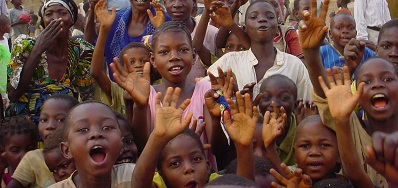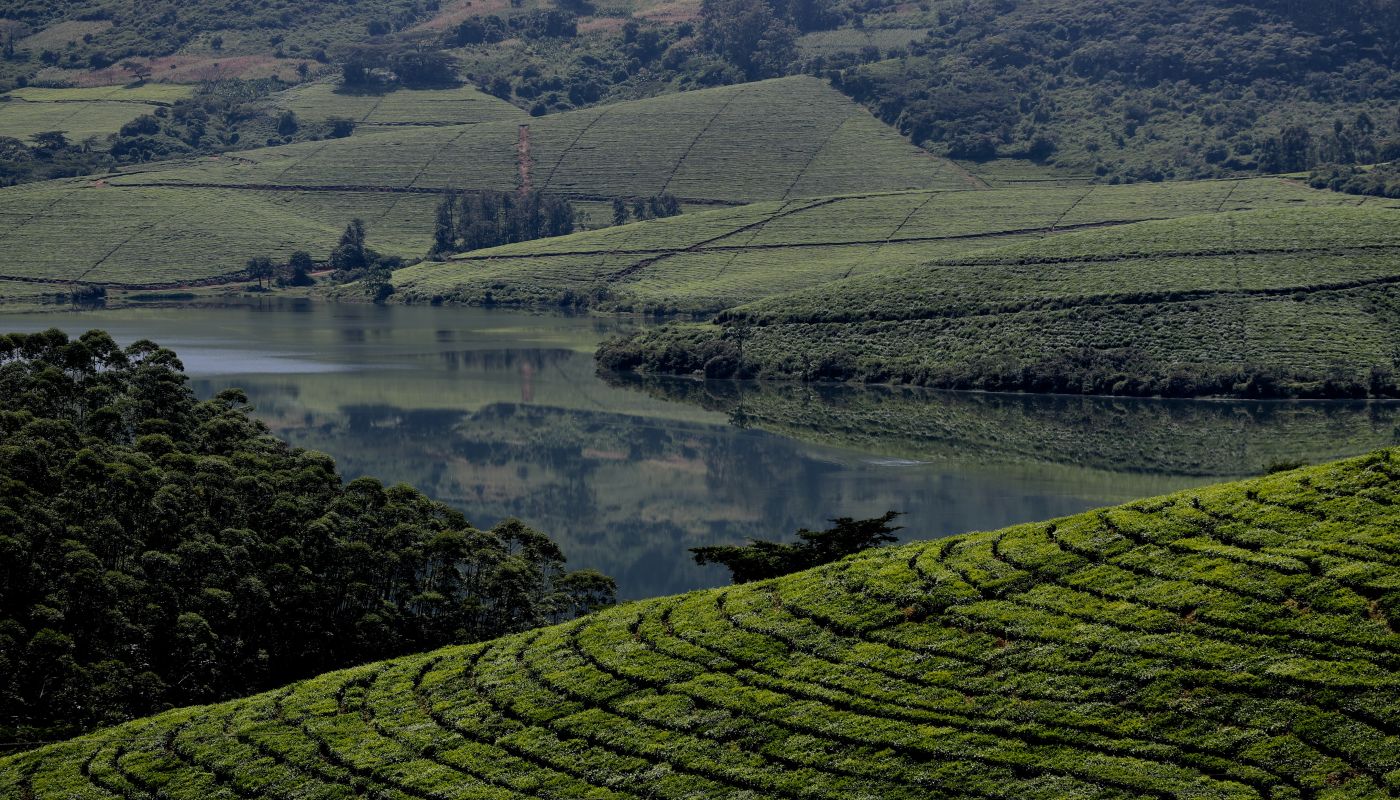
Landscape of Zimbabwe
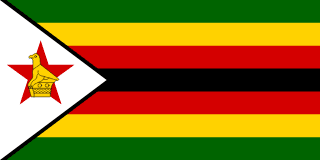
Flag of Zimbabwe

Zimbabwe

Africa

With a population of over 14 million people, Zimbabwe is a developing country that has made progress in areas such as healthcare, education, and environmental conservation. The country's economy is based on agriculture, mining, and tourism, but it also faces challenges related to economic diversification and job creation. The country is known for its stunning natural beauty, including national parks such as Hwange and Mana Pools, which offer opportunities for wildlife viewing and adventure tourism. Zimbabwe has been working to address issues related to corruption, human rights abuses, and political polarization, while also implementing market-oriented economic reforms to attract more foreign investment and create new opportunities for its people.

What would you like to learn about in Zimbabwe?

Select a section to explore the country where nonprofits are creating positive change.

About Zimbabwe

The UK annexed Southern Rhodesia from the [British] South Africa Company in 1923. A 1961 constitution was formulated that favored whites in power. In 1965 the government unilaterally declared its independence, but the UK did not recognize the act and demanded more complete voting rights for the black African majority in the country (then called Rhodesia). UN sanctions and a guerrilla uprising finally led to free elections in 1979 and independence (as Zimbabwe) in 1980. Robert MUGABE, the nation's first prime minister, has been the country's only ruler (as president since 1987) and has dominated the country's political system since independence. His chaotic land redistribution campaign, which began in 2000, caused an exodus of white farmers, crippled the economy, and ushered in widespread shortages of basic commodities. Ignoring international condemnation, MUGABE rigged the 2002 presidential election to ensure his reelection. In April 2005, the capital city of Harare embarked on Operation Restore Order, ostensibly an urban rationalization program, which resulted in the destruction of the homes or businesses of 700,000 mostly poor supporters of the opposition. President MUGABE in June 2007 instituted price controls on all basic commodities causing panic buying and leaving store shelves empty for months. General elections held in March 2008 contained irregularities but still amounted to a censure of the ZANU-PF-led government with the opposition winning a majority of seats in parliament. MDC opposition leader Morgan TSVANGIRAI won the most votes in the presidential polls, but not enough to win outright. In the lead up to a run-off election in late June 2008, considerable violence enacted against opposition party members led to the withdrawal of TSVANGIRAI from the ballot. Extensive evidence of violence and intimidation resulted in international condemnation of the process. Difficult negotiations over a power-sharing government, in which MUGABE remained president and TSVANGIRAI became prime minister, were finally settled in February 2009, although the leaders failed to agree upon many key outstanding governmental issues. MUGABE was reelected president in June 2013 in balloting that was severely flawed and internationally condemned.

Quick Facts

Population
13,182,908 (July 2013 est.)
Area
390,757 sq km
ISO Code
ZW
Continent
Africa
Government
parliamentary democracy
Active Causes
12
View all countries in Africa

Geography & Environment

Climate

tropical; moderated by altitude; rainy season (November to March)

Terrain

mostly high plateau with higher central plateau (high veld); mountains in east

Natural Resources

coal, chromium ore, asbestos, gold, nickel, copper, iron ore, vanadium, lithium, tin, platinum group metals

Environmental Issues

deforestation; soil erosion; land degradation; air and water pollution; the black rhinoceros herd - once the largest concentration of the species in the world - has been significantly reduced by poach...

People & Society

53.86 years
Avg. Life Expectancy
83.6%
Literacy Rate
38.6% of total population (2011)
Total Urban Population

Languages

English (official), Shona, Sindebele (the language of the Ndebele, sometimes called Ndebele), numerous but minor tribal dialects

Religions

syncretic (part Christian, part indigenous beliefs) 50%, Christian 25%, indigenous beliefs 24%, Muslim and other 1%

Education Expenditure

2.5% of GDP (2011) of GDP

Economy

$600
GDP per Capita (PPP)
95%
Unemployment Rate
68% (2004)
Below Poverty Line

Economic Overview

Zimbabwe's economy is growing despite continuing political uncertainty. Following a decade of contraction from 1998 to 2008, Zimbabwe's economy recorded real growth of more than 9% per year in 2010-11, before slowing to 5% in 2012, due in part to a poor harvest and low diamond revenues. However, the government of Zimbabwe still faces a number of difficult economic problems, including infrastructure and regulatory deficiencies, ongoing indigenization pressure, policy uncertainty, a large external debt burden, and insufficient formal employment. Zimbabwe''s 1998-2002 involvement in the war in th...

Causes in Zimbabwe

Environment

Zimbabwe, a country located in southern Africa, faces various environmental challenges that significantly impact its population. Deforestation, soil erosion, and water pollution are some of the key issues that have detrimental effects on Zimbabwe's environment and subsequently on the well-being of its people. Deforestation, primarily driven by agriculture and logging activities, has led to loss of habitat for wildlife and disrupted the natural ecosystem. Soil erosion, exacerbated by unsustainable farming practices and deforestation, threatens agricultural productivity and food security in the country. Furthermore, water pollution from mining activities and inadequate sanitation systems poses risks to both human health and aquatic life. These environmental issues in Zimbabwe underscore the urgent need for sustainable practices and effective environmental management strategies to safeguard the country's natural resources for future generations.

Family

In Zimbabwe, family plays a pivotal role in shaping the social fabric and providing support to individuals. The traditional family structure in Zimbabwe is often characterized by strong kinship ties, where extended family members are deeply involved in each other's lives. Families in Zimbabwe typically prioritize collective well-being over individual interests, with family members offering emotional, financial, and social support to one another. Moreover, the concept of "ubuntu," which emphasizes interconnectedness and mutual respect among individuals, further underscores the significance of family in Zimbabwean society. However, challenges such as economic instability, political unrest, and the HIV/AIDS epidemic have placed strains on families in Zimbabwe, leading to disruptions in traditional family dynamics and impacting individuals' well-being. Raising awareness about the importance of family support systems can help address these challenges and foster resilience within Zimbabwean communities.

Human Rights

Zimbabwe, located in southern Africa, has faced numerous human rights challenges that have had a significant impact on its population. The country has been characterized by political instability, economic hardships, and social unrest, all of which have contributed to violations of human rights. Some of the key issues include restrictions on freedom of expression and assembly, political repression, corruption, and lack of access to basic services such as healthcare and education. These violations have led to widespread poverty, inequality, and a sense of insecurity among the people of Zimbabwe. It is crucial for the international community to pay attention to the human rights situation in Zimbabwe and support efforts to promote accountability, transparency, and respect for human rights in the country.

Education

In Zimbabwe, education plays a crucial role in shaping the future of its population and the nation as a whole. Despite facing various challenges such as inadequate resources, outdated infrastructure, and teacher shortages, education remains a key priority for the Zimbabwean government. The impact of education in Zimbabwe is far-reaching, with educated individuals having better opportunities for employment, improved quality of life, and increased capacity to contribute positively to society. Furthermore, education has the potential to break the cycle of poverty and empower individuals to drive economic growth and development in the country. By investing in education, Zimbabwe can foster a more skilled workforce, enhance social mobility, and ultimately build a more prosperous future for its citizens.

Poverty

Zimbabwe, a country in southern Africa, faces significant challenges with poverty that have far-reaching impacts on its population. With an estimated poverty rate of over 70%, many Zimbabweans struggle to meet their basic needs for food, shelter, and healthcare. The causes of poverty in Zimbabwe are multifaceted and include factors such as economic instability, political corruption, lack of access to education and healthcare, and environmental issues such as droughts and crop failures. The consequences of poverty in Zimbabwe are profound, leading to high rates of malnutrition, limited educational opportunities, inadequate healthcare services, and a cycle of intergenerational poverty. Addressing the root causes of poverty in Zimbabwe requires a concerted effort from the government, civil society organizations, and the international community to implement sustainable solutions that improve the livelihoods of all Zimbabweans.

Religion

Religion plays a significant role in the social fabric of Zimbabwe, a country with a diverse religious landscape. Christianity, particularly the Protestant and Roman Catholic denominations, is the predominant faith in Zimbabwe, followed by indigenous beliefs and Islam. Religion serves as a source of comfort, guidance, and community for many Zimbabweans, shaping their moral values and societal norms. Churches and religious organizations also play a vital role in providing social services such as education, healthcare, and relief efforts in times of crisis. However, religious tensions and divisions have occasionally surfaced in Zimbabwe, particularly during times of political unrest. It is important to recognize the impact of religion on Zimbabwean society and promote dialogue and understanding among different religious groups to foster peace and unity within the nation.

Clean Water

Zimbabwe faces significant challenges in accessing clean water, with approximately 2.3 million people lacking access to safe drinking water sources. The limited availability of clean water in the country has led to high rates of waterborne diseases, contributing to the health crisis in Zimbabwe. Furthermore, the lack of clean water hinders agricultural productivity, exacerbating food insecurity issues in the region. The impact of inadequate access to clean water is particularly severe in rural areas, where communities often rely on contaminated water sources, leading to widespread health issues. Addressing the issue of clean water access in Zimbabwe is crucial for improving public health outcomes and promoting sustainable development in the country.

Economy

Zimbabwe, located in southern Africa, has been grappling with economic challenges that have significantly impacted its citizens. The country's economy has been plagued by hyperinflation, unemployment, and a shortage of foreign currency, leading to a decline in living standards for many Zimbabweans. The lack of investment, inadequate infrastructure, political instability, and corruption have all contributed to the economic woes faced by the nation. High levels of poverty and limited access to basic services such as healthcare and education further exacerbate the situation. Addressing these economic issues is crucial for Zimbabwe to improve the well-being of its population and foster sustainable development.

Government

Zimbabwe, a landlocked country in southern Africa, has faced numerous challenges stemming from governmental policies and practices. The government's impact on Zimbabwe's economy, social structure, and overall development has been significant. Political instability, corruption, and mismanagement of resources have hindered the country's growth and led to widespread poverty and inequality among its citizens. Additionally, human rights violations and lack of political freedom have further exacerbated the situation. Despite its rich natural resources and potential for economic prosperity, Zimbabwe continues to struggle under the weight of these governance issues. It is crucial for stakeholders both within and outside the country to address these challenges in order to pave the way for a more stable and prosperous future for Zimbabwe and its people.

Health

Zimbabwe, a country located in southern Africa, faces significant health challenges that have a profound impact on its population. The nation's healthcare system has been strained by various factors, including limited funding, shortages of medical supplies and personnel, and high rates of infectious diseases such as HIV/AIDS, tuberculosis, and malaria. These health issues contribute to a high mortality rate and reduce the overall quality of life for many Zimbabweans. Furthermore, inadequate access to clean water and sanitation facilities exacerbates the spread of diseases and hinders efforts to improve public health outcomes. The government of Zimbabwe has made efforts to address these challenges through various health initiatives and partnerships with international organizations, but more support is needed to ensure the well-being of the country's citizens.

Children

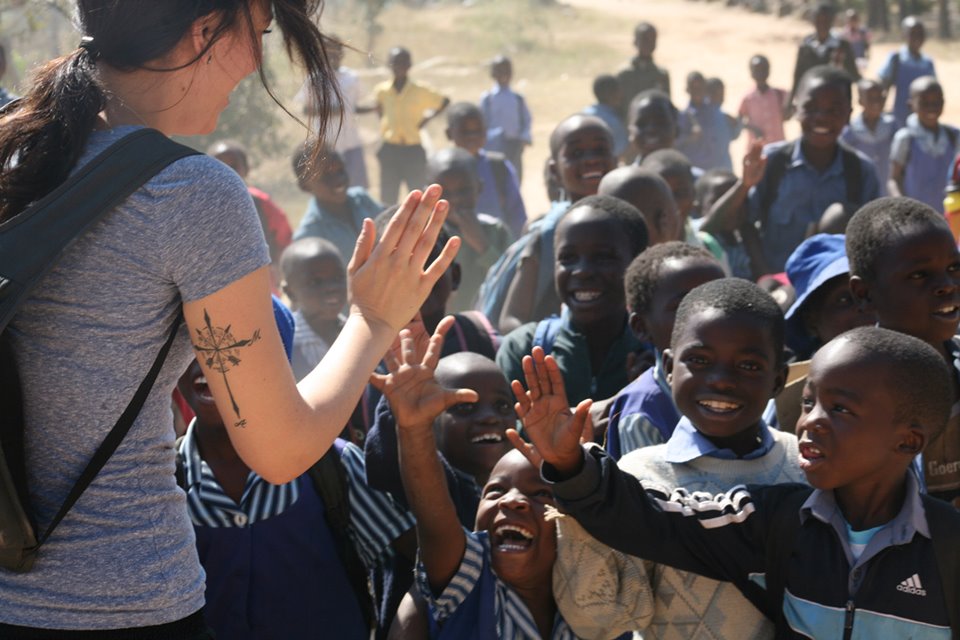
In Zimbabwe, children face numerous challenges that significantly impact their well-being and future prospects. One of the most pressing issues is the high prevalence of child poverty, with an estimated 72% of children living below the national poverty line. This pervasive poverty exposes children to malnutrition, lack of access to education, and inadequate healthcare services, all of which have long-term consequences on their physical and cognitive development. Additionally, Zimbabwe has a high prevalence of child labor, with many children engaged in hazardous work that deprives them of their right to education and puts them at risk of exploitation and abuse. These challenges are further exacerbated by the country's economic instability and political unrest, which have strained social services and limited resources available to support children in need. It is imperative that concerted efforts are made to address these issues and create a safe and nurturing environment for all children in Zimbabwe.

Animals

In Zimbabwe, animals play a crucial role in the country's ecosystems and economy. The diverse wildlife in Zimbabwe, including iconic species such as elephants, lions, and rhinoceroses, attract tourists from around the world, contributing significantly to the country's tourism industry. However, the wildlife in Zimbabwe faces numerous threats such as habitat loss, poaching, and human-wildlife conflict, putting many species at risk of extinction. Conservation efforts are crucial to protect Zimbabwe's rich biodiversity and ensure the survival of these magnificent creatures for future generations to appreciate and enjoy.

Nonprofits Working in Zimbabwe

Discover organizations making a difference in Zimbabwe

Rising International

Rising International

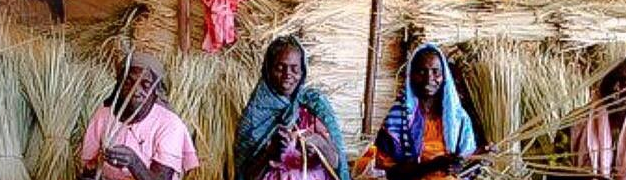
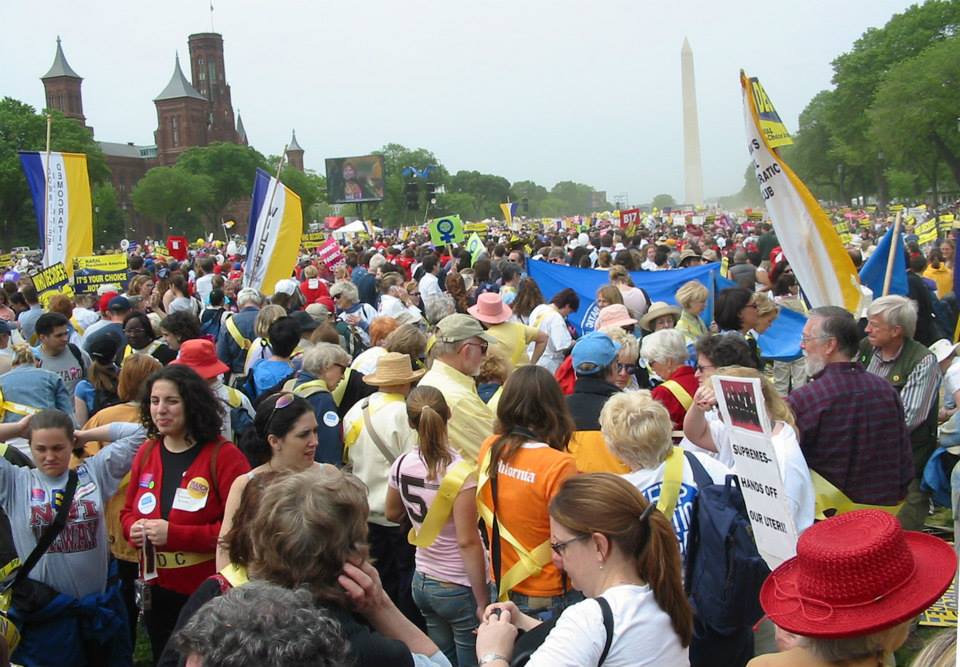
Our Unique Local-Global Solution Rising International is a nonprofit organization that has revolutionized the home party business model to alleviate poverty locally and globally. Think Avon or Tupperware for a social cause. We find the world’s most forgotten women (like Fatima) and enable them to change their destinies by selling their handmade crafts at Rising Home and Corporate Parties. We train women and teens, many un-employed or under- employed, (like Susana) to run their own Rising Home Party businesses and sell crafts made by their global sisters. We search the U.S. for party hosts (like Nancy) who invite friends to their homes to shop. Our sustainable model empowers both local and global entrepreneurs to rise above their circumstances.

Santa Cruz, California
GUTTMACHER INSTITUTE INC

GUTTMACHER INSTITUTE INC

Now in its fifth decade, the Guttmacher Institute remains committed to the mission and goals that led to its creation. The Guttmacher Institute was founded in 1968 as the Center for Family Planning Program Development. At the time, Presidents John F. Kennedy, Lyndon Johnson and Richard Nixon had begun to call the public's attention to the problem of unplanned and unwanted childbearing and its consequences for individual women and men, their children and their communities both at home and abroad. Concurrently, the United States Congress was taking its first steps toward the development of an international population assistance program, as well as a multifaceted, national program aimed at providing equitable access to modern methods of birth control in the United States. By integrating nonpartisan social science research, policy analysis and public education, the Center hoped to provide a factual basis for the development of sound governmental policies and for public consideration of the sensitive issues involved in the promotion of reproductive health and rights. This purpose and commitment continue today. The Center was originally housed within the corporate structure of Planned Parenthood Federation of America (PPFA). Its program, however, was independently developed and overseen by a National Advisory Council separate from the PPFA Board of Directors. Its early development was nurtured by Alan F. Guttmacher, an eminent obstetrician-gynecologist, teacher and writer who was PPFA's president for more than a decade until his death in 1974. The Center was renamed in Dr. Guttmacher's memory, and the Guttmacher Institute incorporated as an entirely independent nonprofit policy research institute with its own Board in 1977. The Guttmacher Institute maintains offices in New York and Washington. Its current staff of 81 comprises demographers, social scientists, public policy analysts, editors, writers, communications specialists, and financial and technical personnel. A few of its employees have been with the organization for most of its existence, and an affiliation that goes back 10 or 15 years is not unusual. The Institute's work is guided by a 39-member board made up of eminent professionals from a rich variety of disciplines, as well as civic leaders from across the United States and around the world. The Guttmacher Institute's annual budget of approximately $17 million is derived largely from private foundations, government agencies, multilateral organizations and individual contributions.

New York, New York

Make Your Impact Today

Discover causes you care about and support the nonprofits making a difference in communities around the world.

Are you a nonprofit? Join Project World Impact for free

Join Us Free