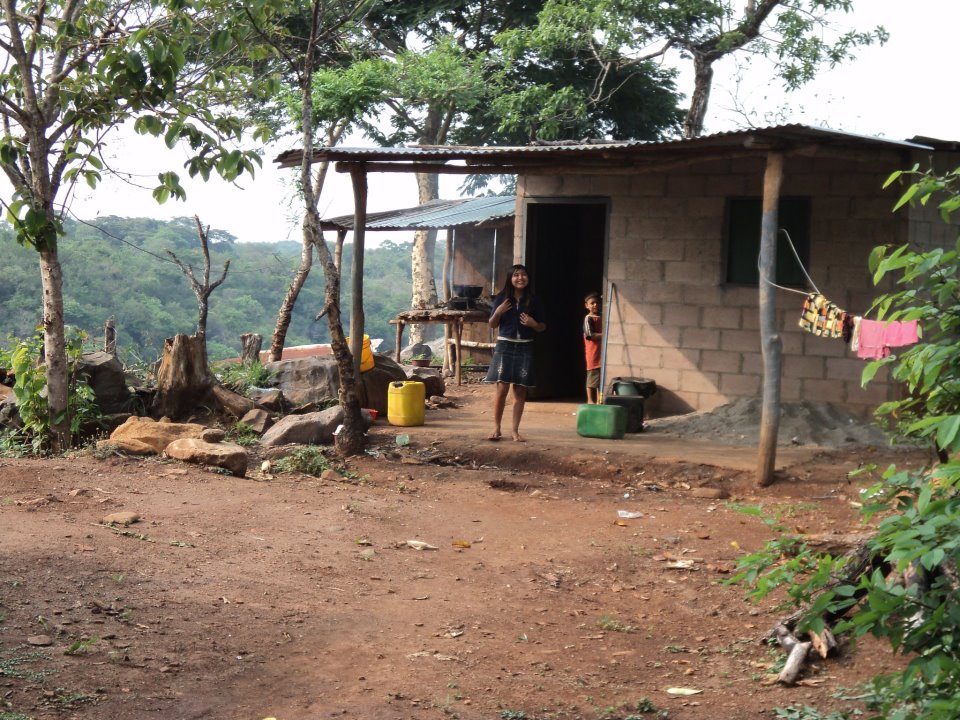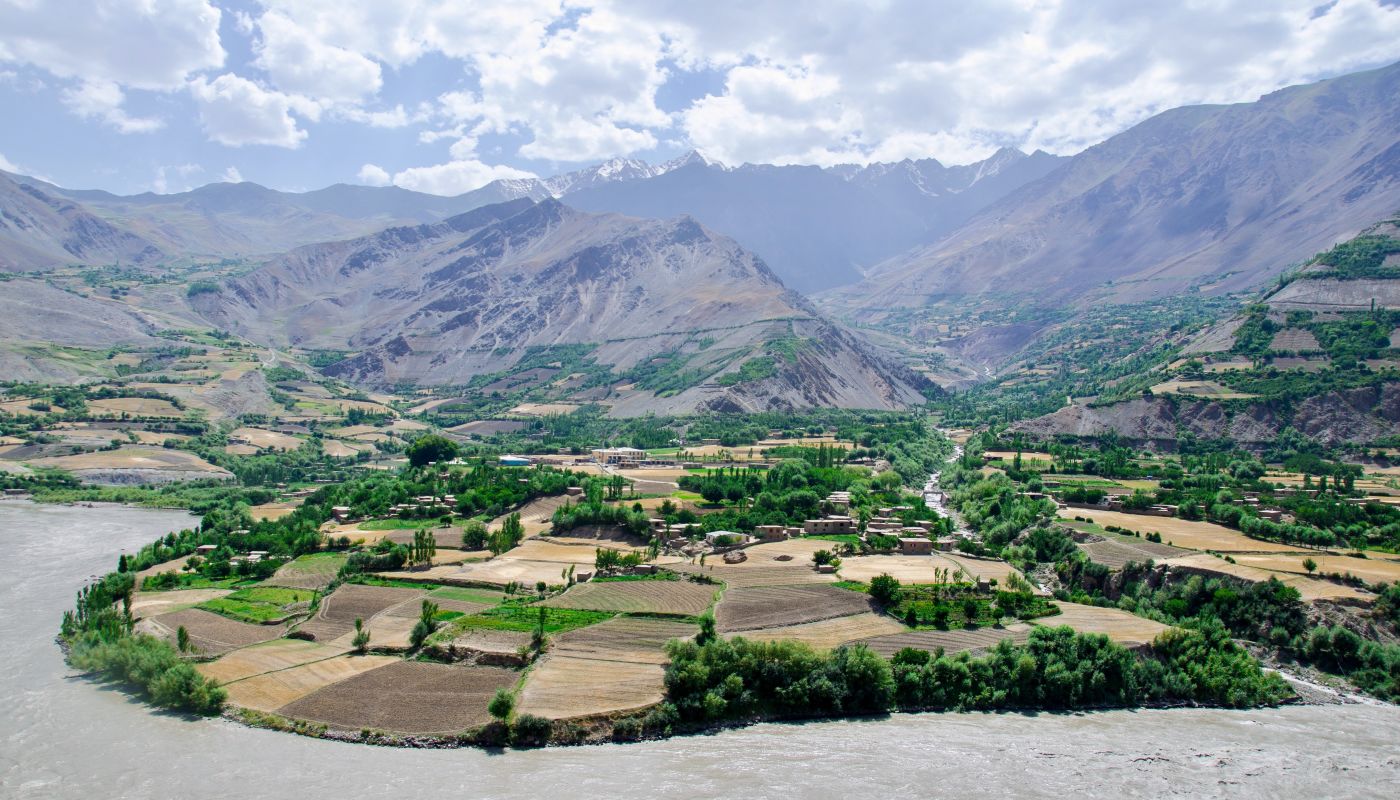
Landscape of Afghanistan
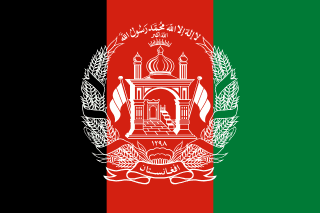
Flag of Afghanistan

Afghanistan

Asia

Afghanistan is a diverse and culturally rich country in South Asia, with a population of over 38 million people. Despite facing numerous challenges over the years, Afghanistan has made significant progress in various areas. The country has experienced improvements in healthcare, education, and infrastructure, with many schools, hospitals, and roads being built or renovated. Afghanistan's economy has also been growing, with new businesses and industries emerging and a rising middle class. In addition, the country has made strides in promoting gender equality, with more women participating in the workforce and politics. While there are still challenges to overcome, Afghanistan remains a resilient and vibrant country with much to offer.

What would you like to learn about in Afghanistan?

Select a section to explore the country where nonprofits are creating positive change.

About Afghanistan

Ahmad Shah DURRANI unified the Pashtun tribes and founded Afghanistan in 1747. The country served as a buffer between the British and Russian Empires until it won independence from notional British control in 1919. A brief experiment in democracy ended in a 1973 coup and a 1978 communist counter-coup. The Soviet Union invaded in 1979 to support the tottering Afghan communist regime, touching off a long and destructive war. The USSR withdrew in 1989 under relentless pressure by internationally supported anti-communist mujahedin rebels. A series of subsequent civil wars saw Kabul finally fall in 1996 to the Taliban, a hardline Pakistani-sponsored movement that emerged in 1994 to end the country's civil war and anarchy. Following the 11 September 2001 terrorist attacks, a US, Allied, and anti-Taliban Northern Alliance military action toppled the Taliban for sheltering Osama BIN LADIN. The UN-sponsored Bonn Conference in 2001 established a process for political reconstruction that included the adoption of a new constitution, a presidential election in 2004, and National Assembly elections in 2005. In December 2004, Hamid KARZAI became the first democratically elected president of Afghanistan and the National Assembly was inaugurated the following December. KARZAI was re-elected in August 2009 for a second term. Despite gains toward building a stable central government, a resurgent Taliban and continuing provincial instability - particularly in the south and the east - remain serious challenges for the Afghan Government.

Quick Facts

Population
31,108,077 (July 2013 est.)
Area
652,230 sq km
ISO Code
AF
Continent
Asia
Government
Islamic republic
Active Causes
12
View all countries in Asia

Geography & Environment

Climate

arid to semiarid; cold winters and hot summers

Terrain

mostly rugged mountains; plains in north and southwest

Natural Resources

natural gas, petroleum, coal, copper, chromite, talc, barites, sulfur, lead, zinc, iron ore, salt, precious and semiprecious stones

Environmental Issues

limited natural freshwater resources; inadequate supplies of potable water; soil degradation; overgrazing; deforestation (much of the remaining forests are being cut down for fuel and building materia...

People & Society

50.11 years
Avg. Life Expectancy
28.1%
Literacy Rate
23.5% of total population (2011)
Total Urban Population

Languages

Afghan Persian or Dari (official) 50%, Pashto (official) 35%, Turkic languages (primarily Uzbek and Turkmen) 11%, 30 minor languages (primarily Baloch...

Religions

Sunni Muslim 80%, Shia Muslim 19%, other 1%

Health Expenditure

7.6% of GDP (2010) of GDP

Education Expenditure

NA of GDP

Economy

$1,100
GDP per Capita (PPP)
35%
Unemployment Rate
36% (FY08/09)
Below Poverty Line

Economic Overview

Afghanistan's economy is recovering from decades of conflict. The economy has improved significantly since the fall of the Taliban regime in 2001 largely because of the infusion of international assistance, the recovery of the agricultural sector, and service sector growth. Despite the progress of the past few years, Afghanistan is extremely poor, landlocked, and highly dependent on foreign aid. Much of the population continues to suffer from shortages of housing, clean water, electricity, medical care, and jobs. Criminality, insecurity, weak governance, lack of infrastructure, and the Afghan...

Causes in Afghanistan

Environment

Afghanistan, a landlocked country in South Asia, is marked by a diverse and rugged landscape that plays a significant role in its environmental challenges. The environmental conditions in Afghanistan have been greatly impacted by decades of conflict, leading to widespread deforestation, soil degradation, and water scarcity. Droughts and floods are common occurrences, further exacerbating the already fragile ecosystem. The country's geographical location also makes it prone to natural disasters such as earthquakes and landslides. These environmental issues not only threaten the livelihoods of millions of Afghans but also contribute to food insecurity and displacement. Efforts to address these challenges are hindered by ongoing conflicts, limited resources, and a lack of infrastructure for sustainable development. It is crucial for both national and international stakeholders to prioritize environmental conservation in Afghanistan to ensure the well-being of its people and the preservation of its natural resources.

Family

In Afghanistan, the concept of family holds significant cultural and social importance, shaping the fabric of society. Families in Afghanistan are typically patriarchal, with the elderly members holding authority and respect. The family unit plays a crucial role in providing emotional support, financial security, and a sense of identity to its members. Moreover, families in Afghanistan often serve as a safety net during times of crisis and are instrumental in decision-making processes, particularly regarding marriage and career choices. However, the traditional family structure in Afghanistan can also perpetuate gender inequalities and restrict individual freedoms, especially for women who may face restrictions on education and employment opportunities. Despite these challenges, the strong bonds within Afghan families foster resilience and cohesion in the face of adversity.

Human Rights

Afghanistan, a country located in South Asia, has long been plagued by human rights issues that continue to impact its population. Despite efforts to improve conditions, challenges remain prevalent in various aspects of Afghan society. Issues such as discrimination against women and minorities, lack of access to education and healthcare, child labor, and restrictions on freedom of expression persist in the country. The ongoing conflict and political instability further exacerbate these problems, leading to a dire situation for many Afghan citizens. It is crucial to address these human rights violations and work towards creating a more just and equitable society for all individuals in Afghanistan.

Education

In Afghanistan, the state of education plays a crucial role in shaping the future of its population. With a long history of conflict and instability, access to quality education remains a significant challenge for many Afghans. According to UNESCO, Afghanistan has one of the lowest literacy rates in the world, particularly among women and girls. This lack of education not only hinders individual development and economic opportunities but also perpetuates cycles of poverty and social inequality. Furthermore, the ongoing violence and displacement in the country continue to disrupt educational systems, leaving many children without access to formal schooling. Addressing these barriers and investing in education is essential to promoting sustainable development and fostering a brighter future for Afghanistan's youth.

Poverty

Afghanistan, a country located in South Asia, has been deeply affected by poverty, which continues to be a significant challenge for its population. Poverty in Afghanistan is predominantly attributed to decades of conflict, political instability, and lack of infrastructure. The impact of poverty in Afghanistan is far-reaching, affecting access to basic necessities such as food, clean water, healthcare, and education. It has also resulted in high levels of unemployment, particularly among the youth, exacerbating social inequalities and limiting opportunities for economic growth and development. Addressing poverty in Afghanistan requires a multifaceted approach that includes investing in sustainable development projects, improving governance and transparency, and promoting social welfare programs to support the most vulnerable members of society.

Religion

Afghanistan, a country situated at the crossroads of Central and South Asia, has a longstanding history deeply intertwined with religion. Islam, particularly the Sunni branch, is the predominant faith in Afghanistan and plays a vital role in shaping the social, cultural, and political landscape of the nation. Religious beliefs not only provide a moral compass for individuals but also influence societal norms and governance structures. The strong influence of Islam in Afghanistan is evident in various aspects of daily life, from family dynamics to legal systems. However, the intertwining of religion with politics has also led to tensions and conflicts within the country, contributing to its complex socio-political context. It is crucial to understand the nuanced relationship between religion and society in Afghanistan to grasp the complexities of its challenges and opportunities for progress.

Clean Water

Afghanistan faces significant challenges in accessing clean water, with only 27% of its population having access to improved drinking water sources. The lack of adequate sanitation infrastructure and clean water supply has severe implications for public health in the country. Waterborne diseases, such as cholera and typhoid, are prevalent due to contaminated water sources, leading to high mortality rates, particularly among children under the age of five. Moreover, the scarcity of clean water hinders agricultural productivity and exacerbates food insecurity in Afghanistan, a country heavily reliant on agriculture for sustenance. Addressing the issue of clean water access in Afghanistan is crucial for improving public health outcomes and fostering sustainable development in the region. (Source: World Health Organization - WHO, United Nations Children's Fund - UNICEF)

Economy

Afghanistan, a country situated at the crossroads of Central and South Asia, has long been grappling with a fragile economy that significantly impacts its population. The nation's economy heavily relies on agriculture, with a substantial portion of its GDP derived from this sector. However, decades of conflict, political instability, and inadequate infrastructure have hindered economic growth and development. The lack of access to education and healthcare, high levels of poverty, and unemployment further exacerbate the challenges faced by the Afghan people. Moreover, the country's economy is also impacted by external factors such as international aid dependency, fluctuating global commodity prices, and regional instability. Addressing these economic issues is crucial for promoting stability and prosperity in Afghanistan.

Government

The country of Afghanistan has been significantly impacted by its government, which has played a crucial role in shaping the nation's socio-political landscape. The Afghan government faces numerous challenges, including corruption, inefficiency, and internal conflicts, all of which have hindered the country's development and stability. The lack of effective governance has contributed to widespread poverty, insecurity, and a fragile economy, further exacerbating the already dire situation in Afghanistan. The government's inability to provide basic services and ensure the rule of law has left many Afghans vulnerable and marginalized. This has led to discontent among the population and fueled ongoing instability in the region. It is essential for Afghanistan's government to address these issues promptly and effectively in order to bring about positive change and improve the lives of its citizens.

Health

Afghanistan faces numerous health challenges that significantly impact its population. The country has a high maternal mortality rate, with many women lacking access to proper healthcare during pregnancy and childbirth. Additionally, Afghanistan struggles with a high infant mortality rate, often due to preventable diseases and inadequate healthcare services. Infectious diseases such as tuberculosis, malaria, and polio are prevalent, further straining the already fragile healthcare system. Malnutrition is a pressing issue in Afghanistan, with many children suffering from stunted growth and developmental delays. Limited access to clean water and sanitation facilities also contributes to the spread of diseases. The ongoing conflict in the region exacerbates these health challenges, making it difficult for healthcare professionals to reach those in need. Addressing these health issues in Afghanistan requires a multi-faceted approach that includes improving healthcare infrastructure, increasing access to essential services, and promoting public health initiatives.

Children

Afghanistan, a country ravaged by decades of conflict and instability, faces numerous challenges affecting its children. Children in Afghanistan bear the brunt of ongoing violence, poverty, lack of access to education, and healthcare. The impact of these adversities on Afghan children is profound, with many facing malnutrition, forced labor, and recruitment into armed groups. In addition, the prevalence of child marriage, particularly among young girls, further exacerbates their vulnerability and limits their opportunities for a better future. Addressing the needs of Afghan children requires urgent attention and concerted efforts from government agencies, humanitarian organizations, and the international community to ensure their protection and well-being.

Animals

Afghanistan, a country located in South Asia, has a rich history deeply intertwined with animals. Livestock such as sheep, goats, and cattle play a significant role in Afghanistan's economy, providing livelihoods for many rural communities. Animals are also essential for agriculture, transportation, and as companions to many Afghans. However, the ongoing conflict in the country has taken a toll on animals as well. The lack of veterinary care, displacement of communities, and destruction of infrastructure have all contributed to the suffering of animals in Afghanistan. Organizations such as the Food and Agriculture Organization of the United Nations (FAO) and the International Fund for Animal Welfare (IFAW) work to provide support and assistance to improve the welfare of animals in Afghanistan amidst challenging circumstances.

Nonprofits Working in Afghanistan

Discover organizations making a difference in Afghanistan

Rising International

Rising International

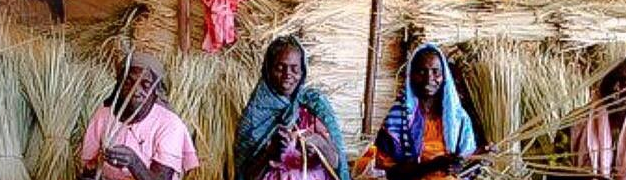
Our Unique Local-Global Solution Rising International is a nonprofit organization that has revolutionized the home party business model to alleviate poverty locally and globally. Think Avon or Tupperware for a social cause. We find the world’s most forgotten women (like Fatima) and enable them to change their destinies by selling their handmade crafts at Rising Home and Corporate Parties. We train women and teens, many un-employed or under- employed, (like Susana) to run their own Rising Home Party businesses and sell crafts made by their global sisters. We search the U.S. for party hosts (like Nancy) who invite friends to their homes to shop. Our sustainable model empowers both local and global entrepreneurs to rise above their circumstances.

Santa Cruz, California

Make Your Impact Today

Discover causes you care about and support the nonprofits making a difference in communities around the world.

Are you a nonprofit? Join Project World Impact for free

Join Us Free