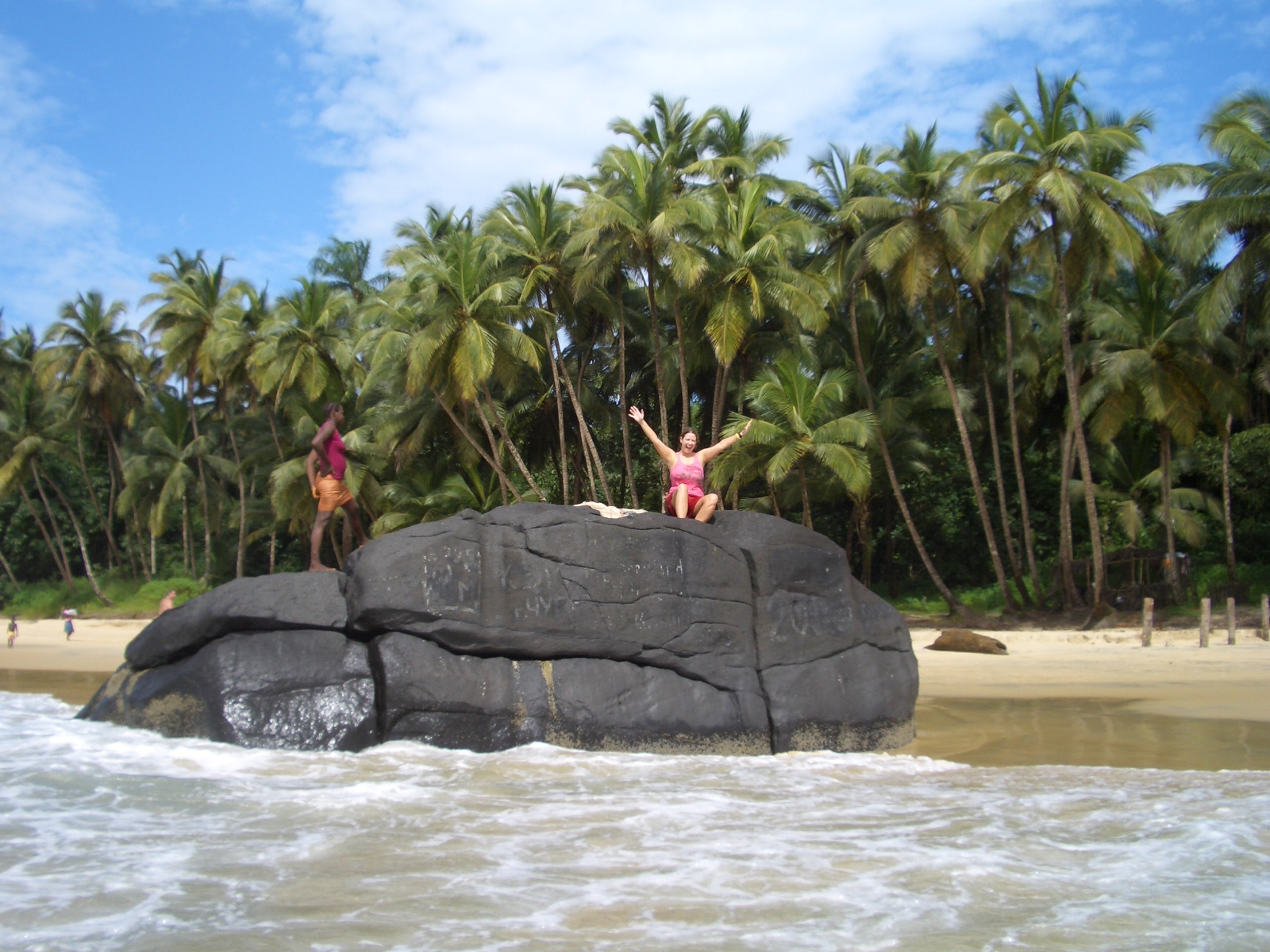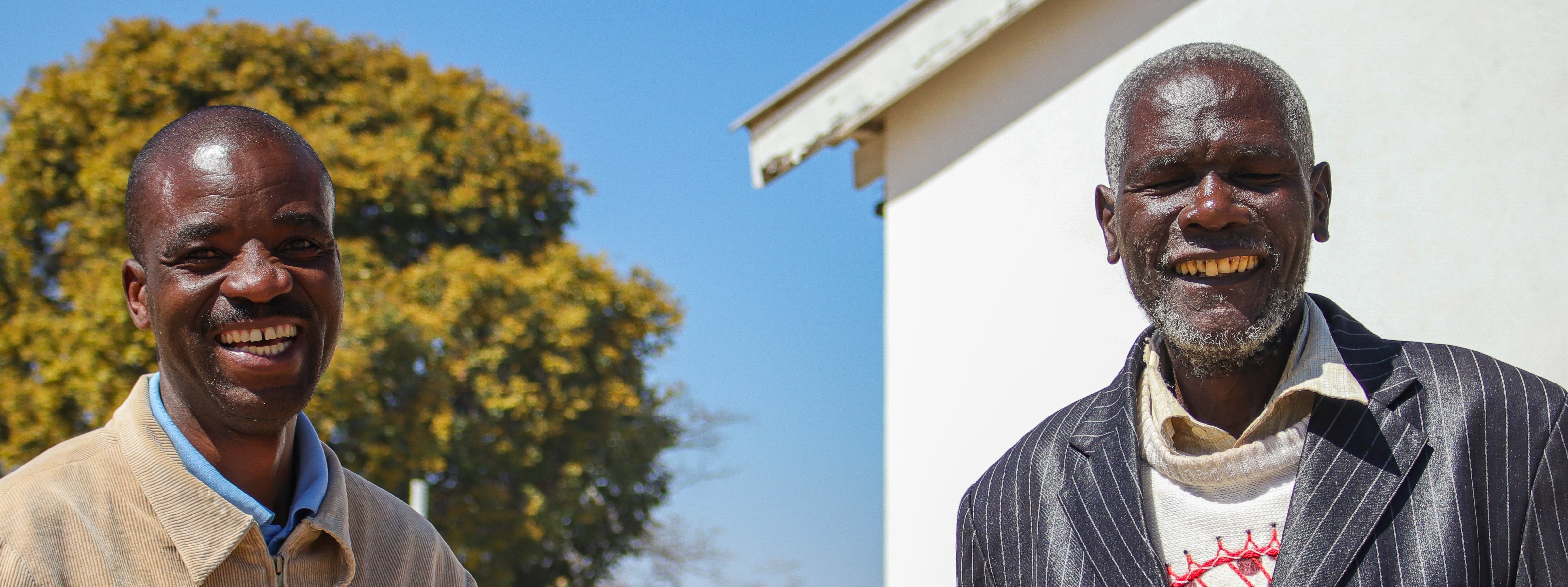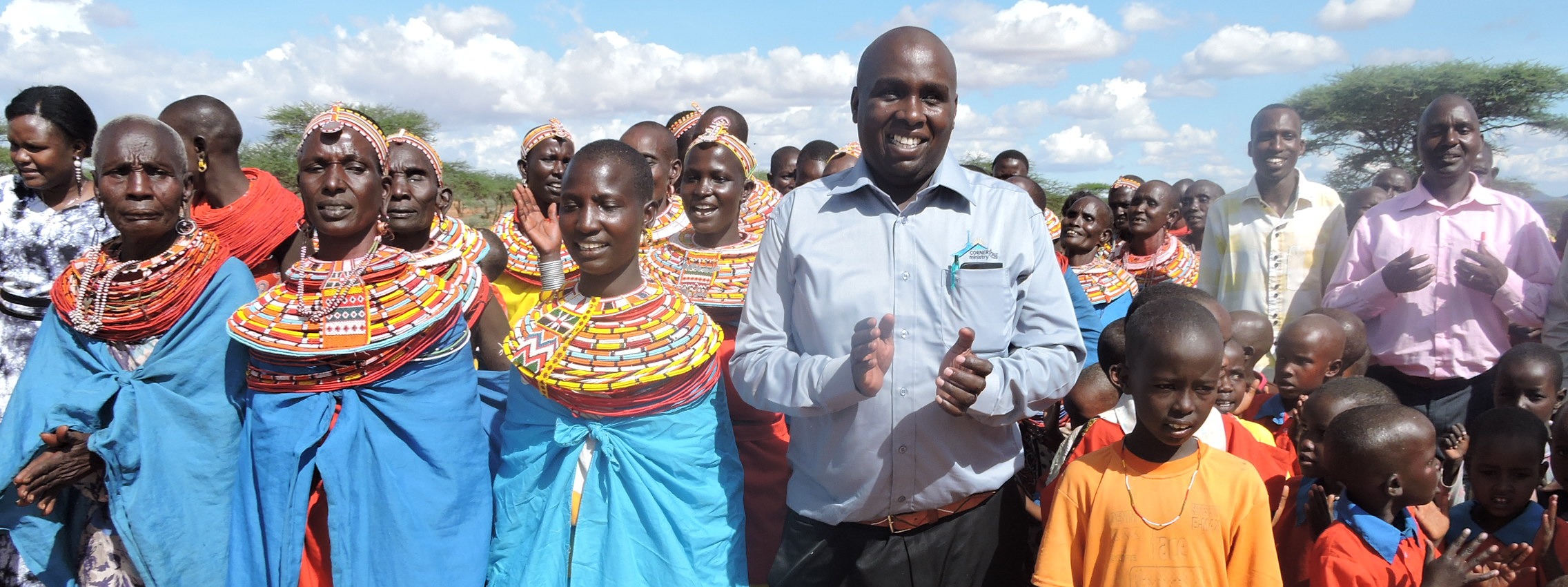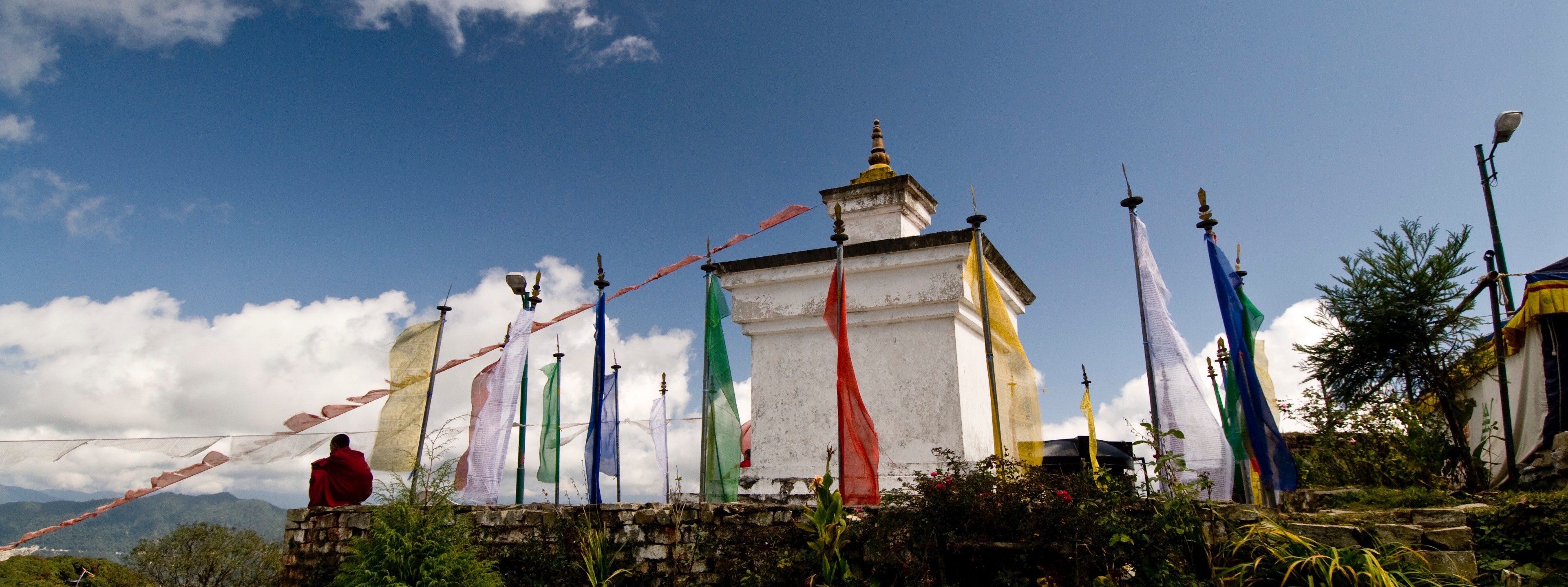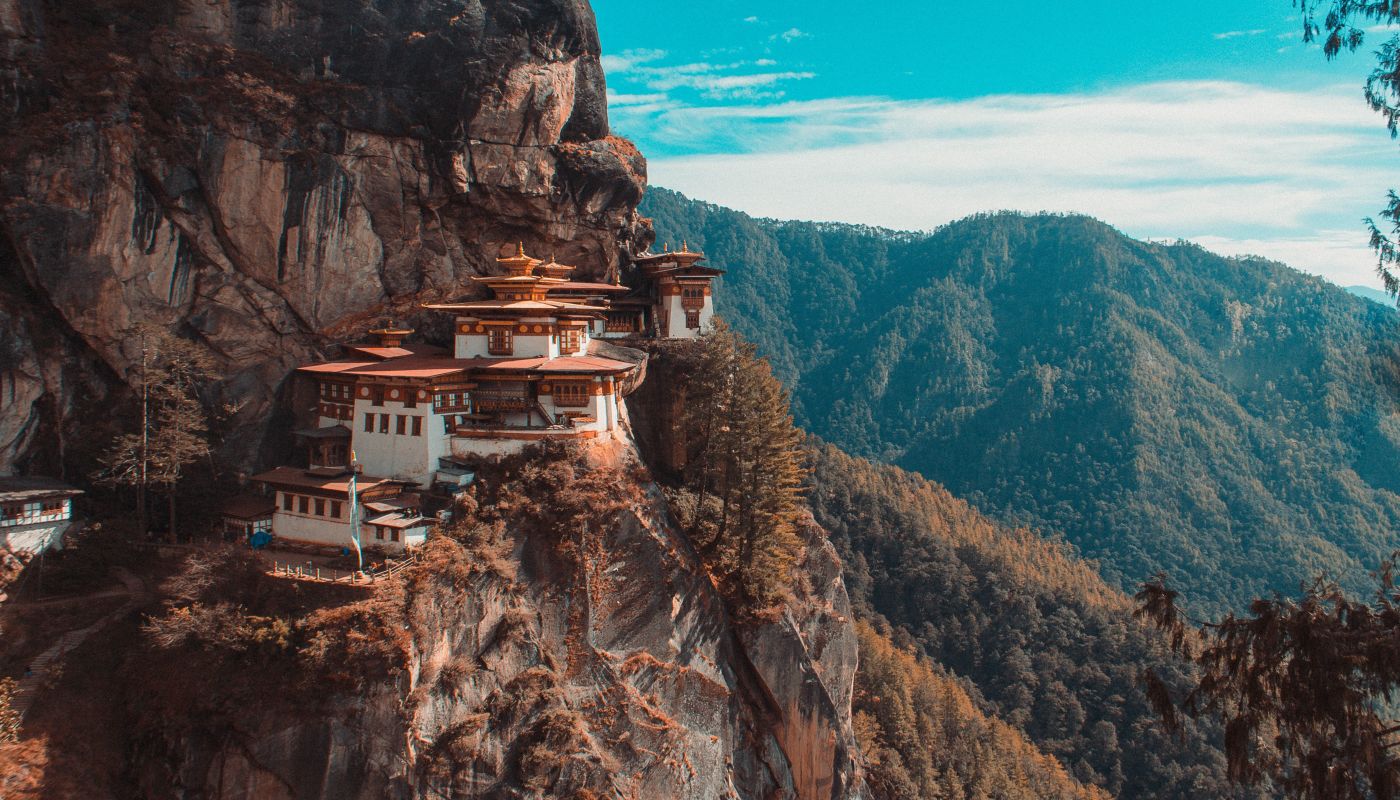
Landscape of Bhutan
Flag of Bhutan

Bhutan

Asia

Geographically, Bhutan is a landlocked country bordered by India to the south, east, and west, and by China to the north. The country's landscape is incredibly diverse, ranging from subtropical plains in the south to the high Himalayas in the north, with peaks reaching over 7,000 meters. Bhutan's natural beauty is protected by a strong commitment to conservation, with over half of the country's land designated as protected areas. Bhutan is also known for its unique approach to measuring progress, which is based on the principles of Gross National Happiness (GNH). This holistic and sustainable development model prioritizes the well-being and happiness of its citizens over economic growth. In fact, Bhutan is the only country in the world that uses GNH as its main development indicator. The country has achieved universal primary education and has made progress in reducing poverty and improving healthcare access.

What would you like to learn about in Bhutan?

Select a section to explore the country where nonprofits are creating positive change.

About Bhutan

In 1865, Britain and Bhutan signed the Treaty of Sinchulu, under which Bhutan would receive an annual subsidy in exchange for ceding some border land to British India. Under British influence, a monarchy was set up in 1907; three years later, a treaty was signed whereby the British agreed not to interfere in Bhutanese internal affairs, and Bhutan allowed Britain to direct its foreign affairs. This role was assumed by independent India after 1947. Two years later, a formal Indo-Bhutanese accord returned to Bhutan the areas annexed by the British, formalized the annual subsidies the country received, and defined India's responsibilities in defense and foreign relations. In March 2005, King Jigme Singye WANGCHUCK unveiled the government's draft constitution - which introduced major democratic reforms - and pledged to hold a national referendum for its approval. In December 2006, the King abdicated the throne in favor of his son, Jigme Khesar Namgyel WANGCHUCK, in order to give him experience as head of state before the democratic transition. In early 2007, India and Bhutan renegotiated their treaty to allow Bhutan greater autonomy in conducting its foreign policy, although Thimphu continues to coordinate policy decisions in this area with New Delhi. Elections for seating the country's first parliament were completed in March 2008; the king ratified the country's first constitution in July 2008. The disposition of some 43,000 Bhutanese refugees - housed in two UN refugee camps in Nepal - remains unresolved.

Quick Facts

Population
725,296 (July 2013 est.)
Area
38,394 sq km
ISO Code
BT
Continent
Asia
Government
constitutional monarchy
Active Causes
12
View all countries in Asia

Geography & Environment

Climate

varies; tropical in southern plains; cool winters and hot summers in central valleys; severe winters and cool summers in Himalayas

Terrain

mostly mountainous with some fertile valleys and savanna

Natural Resources

timber, hydropower, gypsum, calcium carbonate

Environmental Issues

soil erosion; limited access to potable water

People & Society

68.44 years
Avg. Life Expectancy
52.8%
Literacy Rate
35.6% of total population (2011)
Total Urban Population

Languages

Sharchhopka 28%, Dzongkha (official) 24%, Lhotshamkha 22%, other 26%

Religions

Lamaistic Buddhist 75%, Indian- and Nepalese-influenced Hinduism 25%

Health Expenditure

5.2% of GDP (2010) of GDP

Education Expenditure

4.7% of GDP (2011) of GDP

Economy

$6,800
GDP per Capita (PPP)
4%
Unemployment Rate
23.2% (2008)
Below Poverty Line

Economic Overview

Bhutan's economy, small and less developed, is based on agriculture and forestry, which provide the main livelihood for more than 40% of the population. Agriculture consists largely of subsistence farming and animal husbandry. Rugged mountains dominate the terrain and make the building of roads and other infrastructure difficult and expensive. The economy is closely aligned with India's through strong trade and monetary links and is dependent on India's financial assistance. The industrial sector is technologically backward with most production of the cottage industry type. Most development pr...

Causes in Bhutan

Environment

Bhutan, a landlocked country nestled in the Eastern Himalayas, is renowned for its commitment to environmental conservation. The environment plays a crucial role in Bhutan's cultural heritage and national identity, with its pristine landscapes and rich biodiversity providing the foundation for the country's unique Gross National Happiness index. However, Bhutan is not immune to the impacts of climate change, with glacial retreat, unpredictable weather patterns, and natural disasters posing significant challenges to its ecosystems and communities. Deforestation, habitat loss, and pollution further threaten Bhutan's environment, jeopardizing the delicate balance between human development and conservation efforts. As a nation deeply connected to its natural surroundings, Bhutan faces the imperative to address these environmental issues to safeguard its future generations and uphold its sustainable development goals.

Family

In Bhutan, the concept of family plays a significant role in shaping societal norms and values. Family cohesion is highly valued, with strong emphasis placed on mutual support, respect for elders, and collective decision-making. The traditional extended family structure, where multiple generations live together under one roof, fosters a sense of unity and shared responsibility among family members. This close-knit familial bond not only provides emotional support but also serves as a crucial safety net in times of need. Furthermore, the role of family extends beyond the household, influencing broader community dynamics and contributing to the overall social fabric of Bhutanese society.

Human Rights

Bhutan, a small Himalayan kingdom nestled between India and China, faces several challenges in upholding human rights within its borders. Despite its commitment to Gross National Happiness as a measure of development, Bhutan has been criticized for issues such as restrictions on freedom of expression, discrimination against ethnic minorities, and limited political freedoms. The government's policies on citizenship have also been a point of contention, with concerns raised about the treatment of stateless people within Bhutanese society. As Bhutan continues its path towards modernization and global integration, addressing these human rights concerns will be crucial in ensuring the well-being and dignity of all its citizens.

Education

Bhutan, a landlocked country nestled in the eastern Himalayas, places high importance on education as a fundamental pillar of its development. With a rich cultural heritage and a commitment to preserving its unique identity, Bhutan has made significant strides in advancing its educational system over the years. The government of Bhutan has prioritized education as a key tool for fostering national unity, promoting sustainable development, and empowering its citizens. The country's focus on education has led to increased literacy rates, improved access to quality education, and enhanced opportunities for its people. By investing in education, Bhutan aims to equip its citizens with the knowledge and skills needed to thrive in a rapidly changing world while also safeguarding its cultural heritage for future generations.

Poverty

Bhutan, a landlocked country in South Asia, is known for its unique approach to measuring national progress through the Gross National Happiness index. Despite its focus on happiness and well-being, poverty remains a significant issue in Bhutan. The country has made strides in reducing poverty over the years, with poverty rates declining from 23% in 2007 to 8.2% in 2017. However, poverty continues to impact a significant portion of the population, particularly those living in rural areas. Factors such as limited access to education, healthcare, and economic opportunities contribute to the persistence of poverty in Bhutan. Efforts are being made by the government and various organizations to address these challenges and improve the living conditions of those affected by poverty in the country.

Religion

Religion plays a significant role in the cultural and social fabric of Bhutan. The country's official religion is Vajrayana Buddhism, which is deeply intertwined with Bhutanese identity and societal norms. Monasteries and temples are prominent features of the landscape, serving as spiritual centers and cultural hubs. The religious practices of Bhutanese people, such as prayer flags, stupas, and religious festivals like Tshechus, are integral to their way of life. This influence of religion extends to governance, with the Bhutanese monarchy historically being closely associated with Buddhism. Despite efforts to maintain a secular government, religion continues to shape various aspects of public and private life in Bhutan.

Clean Water

Bhutan, a landlocked country nestled in the Eastern Himalayas, faces significant challenges in ensuring access to clean water. With a population of around 770,000 people, Bhutan's mountainous terrain and limited infrastructure pose obstacles to providing safe drinking water to all its inhabitants. The impact of contaminated water sources is profound, leading to a range of waterborne diseases such as diarrhea, cholera, and typhoid fever. Poor sanitation practices further exacerbate the situation, contributing to the spread of water-related illnesses. The lack of access to clean water not only affects public health but also hinders economic development and overall well-being in Bhutan. Efforts are underway to improve water quality and sanitation facilities across the country, aiming to safeguard the health and livelihoods of its people.

Economy

Bhutan, a landlocked country in South Asia, is renowned for its unique approach to measuring national progress through the concept of Gross National Happiness (GNH). Despite its picturesque landscapes and rich cultural heritage, Bhutan faces economic challenges that impact its overall development. The economy of Bhutan heavily relies on agriculture, forestry, and hydroelectric power generation. However, limited arable land, rugged terrain, and vulnerability to climate change pose significant obstacles to sustained economic growth. Additionally, the country's small market size and geographical isolation hinder trade opportunities. These economic factors contribute to high levels of poverty and unemployment in Bhutan, particularly in rural areas. Addressing these economic challenges is crucial for Bhutan to achieve sustainable development and improve the well-being of its citizens.

Government

Bhutan, a small landlocked country nestled in the Eastern Himalayas, has a unique system of government that significantly influences its citizens' lives. The country follows a democratic constitutional monarchy, where the King serves as the head of state and the Prime Minister heads the government. The Government of Bhutan plays a pivotal role in promoting Gross National Happiness (GNH) as a measure of progress, placing equal emphasis on economic growth, cultural preservation, and environmental sustainability. Policies and decisions made by the government aim to maintain a delicate balance between modernization and traditional values, ensuring the well-being of its people and the protection of its stunning natural landscapes. By prioritizing GNH over GDP, Bhutan sets itself apart as a nation that values holistic well-being above mere material wealth.

Health

Bhutan, a small landlocked country in South Asia, faces various challenges in the healthcare sector that significantly impact its population. The country's healthcare system is still developing, with limited resources and infrastructure, leading to disparities in healthcare access and quality. Bhutan struggles with high rates of communicable diseases, such as tuberculosis and malaria, due to its geographical location and climate conditions. Additionally, non-communicable diseases like diabetes and cardiovascular diseases are on the rise, attributed to lifestyle changes and an aging population. The lack of healthcare facilities in remote areas further exacerbates these health issues, making it difficult for residents to receive timely medical care. To address these challenges, Bhutan has been working towards strengthening its healthcare system through policies focused on improving infrastructure, increasing healthcare workforce capacity, and enhancing preventive health measures.

Children

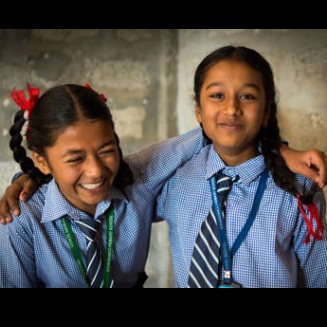
In Bhutan, children are a significant part of the population, comprising nearly 30% of the total inhabitants. Despite being known for its Gross National Happiness index, Bhutan faces challenges in ensuring the well-being of its children. Issues such as poverty, limited access to quality education and healthcare, child labor, and malnutrition persist in various parts of the country. The government of Bhutan has taken steps to address these challenges through initiatives aimed at improving healthcare services, promoting education, and eradicating child labor. However, there is still more to be done to safeguard the rights and well-being of children in Bhutan. By raising awareness and advocating for policies that prioritize children's needs, we can help create a better future for the youngest members of Bhutanese society.

Animals

Bhutan, a landlocked country nestled in the Eastern Himalayas, boasts a rich biodiversity that is integral to its cultural and environmental heritage. Animals play a significant role in the daily lives of Bhutanese people, serving as a source of sustenance, livelihood, and spiritual connection. The diverse wildlife found in Bhutan includes endangered species such as the Bengal tiger, snow leopard, and black-necked crane. However, the country faces challenges such as habitat loss, poaching, and human-wildlife conflicts that threaten the survival of these species. Conservation efforts in Bhutan are crucial to protect its unique ecosystems and ensure the coexistence of humans and animals for future generations.

Nonprofits Working in Bhutan

Discover organizations making a difference in Bhutan

Make Your Impact Today

Discover causes you care about and support the nonprofits making a difference in communities around the world.

Are you a nonprofit? Join Project World Impact for free

Join Us Free