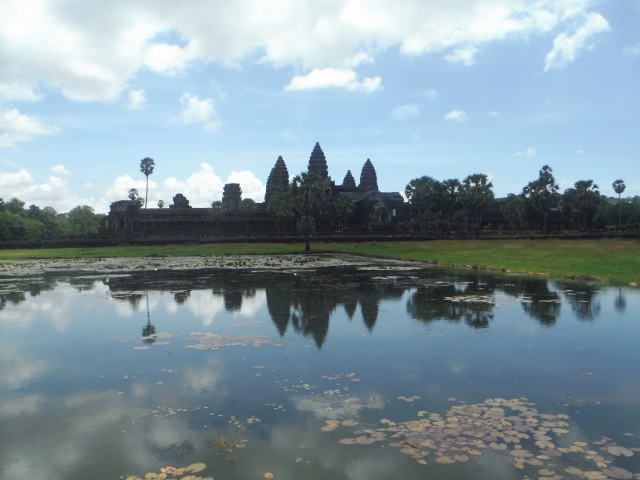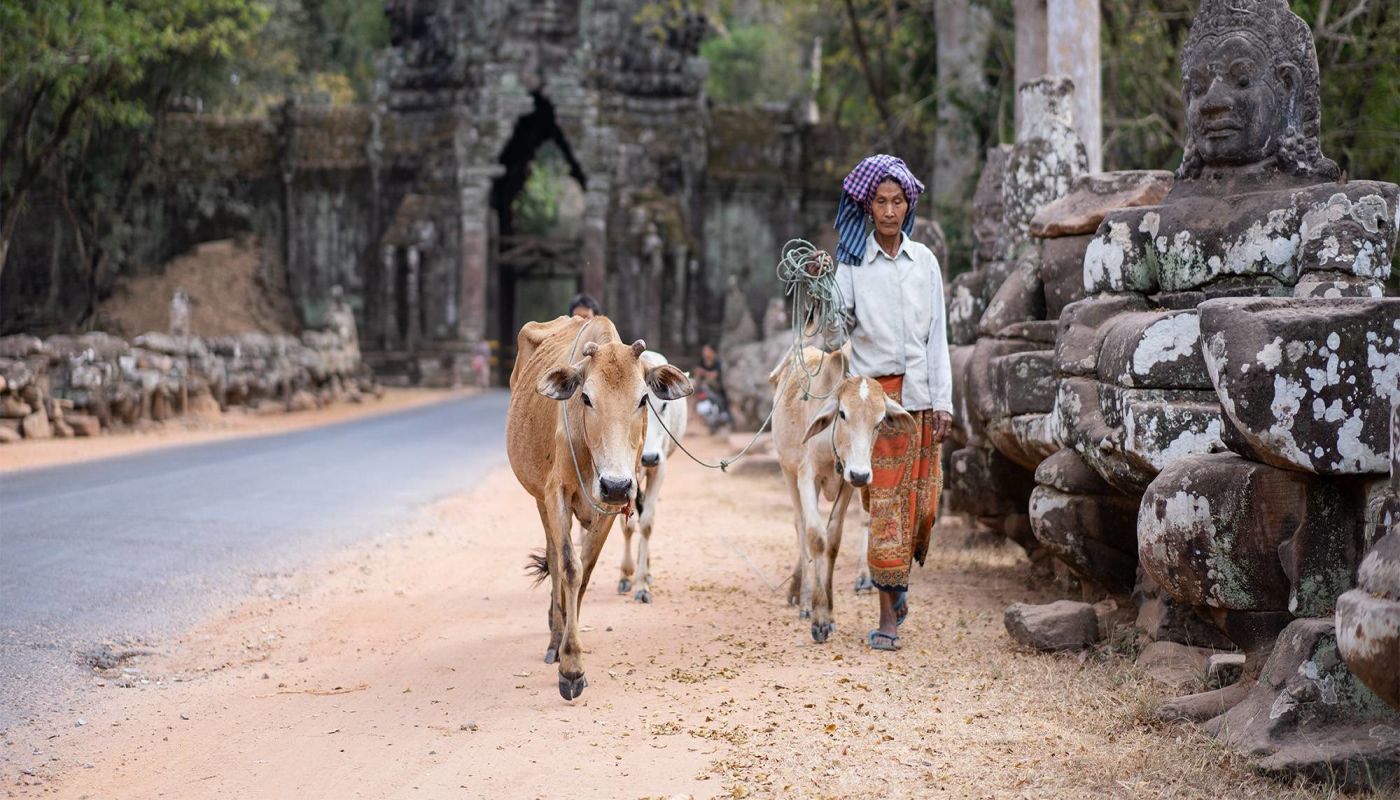
Landscape of Cambodia
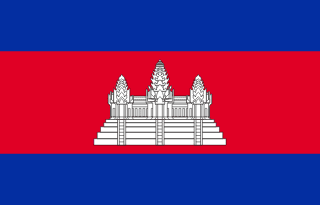
Flag of Cambodia

Cambodia

Asia

Cambodia is a Southeast Asian country known for its rich culture, ancient temples, and tragic recent history. The country has a population of over 16 million people, with its capital city being Phnom Penh. Cambodia is home to the world-famous Angkor Wat temple complex, which draws millions of visitors each year. The country's history has been marked by a devastating genocide in the 1970s under the Khmer Rouge regime, which has had lasting effects on the country's political and social landscape. Cambodia is slowly recovering and has become a popular tourist destination for its beautiful beaches, tropical jungles, and friendly people.

What would you like to learn about in Cambodia?

Select a section to explore the country where nonprofits are creating positive change.

About Cambodia

Most Cambodians consider themselves to be Khmers, descendants of the Angkor Empire that extended over much of Southeast Asia and reached its zenith between the 10th and 13th centuries. Attacks by the Thai and Cham (from present-day Vietnam) weakened the empire, ushering in a long period of decline. The king placed the country under French protection in 1863, and it became part of French Indochina in 1887. Following Japanese occupation in World War II, Cambodia gained full independence from France in 1953. In April 1975, after a five-year struggle, communist Khmer Rouge forces captured Phnom Penh and evacuated all cities and towns. At least 1.5 million Cambodians died from execution, forced hardships, or starvation during the Khmer Rouge regime under POL POT. A December 1978 Vietnamese invasion drove the Khmer Rouge into the countryside, began a 10-year Vietnamese occupation, and touched off almost 13 years of civil war. The 1991 Paris Peace Accords mandated democratic elections and a ceasefire, which was not fully respected by the Khmer Rouge. UN-sponsored elections in 1993 helped restore some semblance of normalcy under a coalition government. Factional fighting in 1997 ended the first coalition government, but a second round of national elections in 1998 led to the formation of another coalition government and renewed political stability. The remaining elements of the Khmer Rouge surrendered in early 1999. Some of the surviving Khmer Rouge leaders have been tried or are awaiting trial for crimes against humanity by a hybrid UN-Cambodian tribunal supported by international assistance. Elections in July 2003 were relatively peaceful, but it took one year of negotiations between contending political parties before a coalition government was formed. In October 2004, King Norodom SIHANOUK abdicated the throne and his son, Prince Norodom SIHAMONI, was selected to succeed him. Local elections were held in Cambodia in April 2007, with little of the pre-election violence that preceded prior elections. National elections in July 2008 were relatively peaceful, as were commune council elections in June 2012.

Quick Facts

Population
15,205,539 (July 2013 est.)
Area
181,035 sq km
ISO Code
KH
Continent
Asia
Government
multiparty democracy under a constitutional monarchy
Active Causes
12
View all countries in Asia

Geography & Environment

Climate

tropical; rainy, monsoon season (May to November); dry season (December to April); little seasonal temperature variation

Terrain

mostly low, flat plains; mountains in southwest and north

Natural Resources

oil and gas, timber, gemstones, iron ore, manganese, phosphates, hydropower potential

Environmental Issues

illegal logging activities throughout the country and strip mining for gems in the western region along the border with Thailand have resulted in habitat loss and declining biodiversity (in particular...

People & Society

63.41 years
Avg. Life Expectancy
73.9%
Literacy Rate
20% of total population (2011)
Total Urban Population

Languages

Khmer (official) 95%, French, English

Religions

Buddhist (official) 96.4%, Muslim 2.1%, other 1.3%, unspecified 0.2% (1998 census)

Health Expenditure

5.6% of GDP (2010) of GDP

Education Expenditure

2.6% of GDP (2010) of GDP

Economy

$2,400
GDP per Capita (PPP)
0%
Unemployment Rate
20% (2012 est.)
Below Poverty Line

Economic Overview

Since 2004, garments, construction, agriculture, and tourism have driven Cambodia's growth. GDP climbed more than 6% per year between 2010 and 2012. The garment industry currently employs more about 400,000 people and accounts for about 70% of Cambodia's total exports. In 2005, exploitable oil deposits were found beneath Cambodia's territorial waters, representing a potential revenue stream for the government, if commercial extraction becomes feasible. Mining also is attracting some investor interest and the government has touted opportunities for mining bauxite, gold, iron and gems. The touri...

Causes in Cambodia

Environment

Cambodia, a country in Southeast Asia, is deeply impacted by environmental challenges affecting its population and economy. Deforestation, caused by logging and agricultural expansion, has led to loss of biodiversity, soil erosion, and increased vulnerability to natural disasters such as floods and landslides. The Mekong River, a vital waterway for the country, is facing threats of pollution from industrial activities and agricultural runoff. Climate change poses a significant risk to Cambodia's agriculture-based economy, with changing rainfall patterns affecting crop yields and food security. Addressing these environmental issues is crucial to safeguarding the well-being of Cambodians and preserving the country's natural resources for future generations.

Family

In Cambodia, family plays a central role in shaping individuals' lives and the broader societal fabric. The concept of family extends beyond the nuclear unit to include extended relatives, often forming tight-knit communities that provide emotional support, financial assistance, and a sense of belonging. Families in Cambodia are traditionally patriarchal, with fathers typically holding authority and responsibility for the family's well-being. However, the roles of women within the family are also significant, as they often serve as caretakers and educators of children. Moreover, the strong emphasis on filial piety in Cambodian culture underscores the importance of respecting and caring for elders within the family structure. Family ties are crucial in providing social stability and cohesion in Cambodian society, as they serve as a safety net during times of hardship and adversity.

Human Rights

Cambodia has a complex history marked by periods of political unrest and human rights violations. The country has faced challenges in upholding the rights of its citizens, including freedom of speech, assembly, and a fair judicial system. Human rights issues such as forced evictions, land grabbing, and restrictions on civil liberties continue to be prevalent in Cambodia. The impact of human rights violations in Cambodia is seen in the marginalization of vulnerable populations, including ethnic minorities and marginalized groups. Addressing these issues is crucial for the country to achieve sustainable development and ensure the well-being of its people.

Education

In Cambodia, education plays a crucial role in shaping the future of its population and the overall development of the nation. With a history marked by political turmoil and conflict, the country's education system has faced significant challenges. Despite efforts to rebuild after years of civil unrest, Cambodia still grapples with issues such as low literacy rates, inadequate infrastructure, and a shortage of qualified teachers. Access to quality education remains limited, particularly in rural areas where poverty rates are high. The impact of these educational challenges is far-reaching, contributing to cycles of poverty and hindering socio-economic progress. However, initiatives led by the government and various organizations are working towards improving the education system in Cambodia, aiming to provide equal opportunities for all its citizens to access quality education and ultimately break the cycle of poverty.

Poverty

Cambodia, a Southeast Asian nation, grapples with the profound effects of poverty that permeate various aspects of its society. Approximately one-third of the population lives below the national poverty line, struggling to access basic necessities such as food, clean water, and healthcare. The prevalence of poverty in Cambodia is exacerbated by factors such as limited economic opportunities, inadequate infrastructure, political instability, and environmental challenges. This dire situation not only hinders individual well-being but also impedes the country's overall development and prosperity. Efforts must be intensified to address the root causes of poverty in Cambodia and implement sustainable solutions to uplift the lives of its people.

Religion

Religion holds significant importance in Cambodia, shaping the cultural and social fabric of the nation. The predominant religion in Cambodia is Theravada Buddhism, which is practiced by the majority of the population. Buddhism influences various aspects of Cambodian life, including art, architecture, festivals, and daily rituals. The presence of numerous temples and pagodas across the country attests to the deep-rooted spiritual beliefs of the Cambodian people. Additionally, religion plays a crucial role in providing moral guidance and fostering a sense of community among individuals. However, it is important to note that Cambodia is a diverse country with followers of other religions such as Islam and Christianity coexisting peacefully alongside Buddhists. Understanding the role of religion in Cambodia is essential for appreciating the rich cultural heritage and values that shape this Southeast Asian nation.

Clean Water

In Cambodia, access to clean water remains a critical issue that significantly impacts the health and well-being of its population. With approximately 6.3 million people lacking access to improved water sources, inadequate sanitation facilities, and poor hygiene practices, the country faces numerous challenges related to waterborne diseases such as diarrhea, cholera, and typhoid fever. The prevalence of these diseases contributes to high mortality rates, particularly among children under the age of five. Furthermore, limited access to clean water hinders economic development and perpetuates the cycle of poverty in many rural communities. Addressing this issue requires sustainable solutions that ensure equitable access to safe drinking water and proper sanitation facilities for all Cambodians.

Economy

Cambodia, a Southeast Asian nation, has a developing economy that plays a crucial role in shaping its society. With agriculture being the primary sector, employing a significant portion of the population, the country faces challenges due to its heavy reliance on this industry. Issues such as climate change, natural disasters, and limited access to modern farming techniques hinder agricultural productivity. Furthermore, Cambodia's economy is also impacted by political instability and corruption, affecting foreign investments and economic growth. As a result, poverty rates remain high, with many Cambodians lacking access to basic necessities such as healthcare and education. Addressing these economic challenges is essential for Cambodia to achieve sustainable development and improve the quality of life for its citizens.

Government

Cambodia, a Southeast Asian country known for its rich history and cultural heritage, has faced various challenges throughout its existence. One significant factor impacting Cambodia is its government. The government plays a crucial role in shaping the country's development, economy, social welfare, and overall well-being of its citizens. However, political instability, corruption, and human rights violations have hindered progress in Cambodia. The government's policies and decisions have had a direct impact on issues such as poverty, healthcare, education, and environmental conservation in the country. It is essential for the government to prioritize transparency, accountability, and good governance to ensure a better future for Cambodia and its people.

Health

Cambodia, a country in Southeast Asia, faces numerous health challenges that significantly impact its population. One of the leading causes of health issues in Cambodia is the high prevalence of infectious diseases such as malaria, dengue fever, and tuberculosis. In addition, inadequate access to clean water and sanitation facilities contributes to the spread of diseases and infections. Malnutrition is also a major concern, especially among children, leading to stunted growth and developmental delays. Furthermore, Cambodia's healthcare system faces challenges such as limited healthcare infrastructure, shortage of healthcare professionals, and unequal distribution of healthcare services between urban and rural areas. Addressing these health issues is crucial to improving the overall well-being and quality of life for the people of Cambodia.

Children

In Cambodia, children face numerous challenges that significantly impact their lives. Poverty remains a pressing issue in the country, with many families struggling to meet their basic needs. As a result, children often lack access to adequate healthcare, nutrition, and education, leading to long-term consequences for their well-being. Additionally, Cambodia has a high prevalence of child labor, with many children engaged in hazardous work conditions instead of attending school. Child trafficking and exploitation are also prevalent issues in the country, further endangering the lives of Cambodian children. To address these issues effectively, it is crucial to support initiatives that promote child rights, education, and protection in Cambodia.

Animals

Cambodia, a country in Southeast Asia, is home to a diverse array of animal species that play a crucial role in its ecosystem. However, rampant deforestation, illegal wildlife trade, and habitat destruction have posed significant threats to the wildlife in Cambodia. Endangered species such as elephants, tigers, and pangolins are particularly vulnerable to these activities. The loss of habitat not only affects the animals directly but also disrupts the balance of the entire ecosystem. Moreover, the exploitation of wildlife for traditional medicine and exotic pets further exacerbates the situation. Conservation efforts and increased awareness about the importance of protecting Cambodia's wildlife are crucial to safeguarding the country's rich biodiversity for future generations.

Nonprofits Working in Cambodia

Discover organizations making a difference in Cambodia

Rising International

Rising International

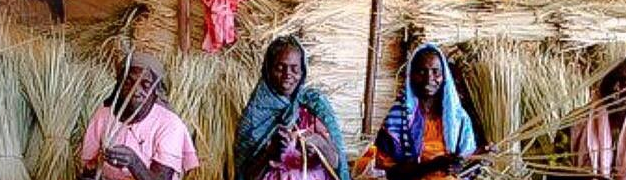
Our Unique Local-Global Solution Rising International is a nonprofit organization that has revolutionized the home party business model to alleviate poverty locally and globally. Think Avon or Tupperware for a social cause. We find the world’s most forgotten women (like Fatima) and enable them to change their destinies by selling their handmade crafts at Rising Home and Corporate Parties. We train women and teens, many un-employed or under- employed, (like Susana) to run their own Rising Home Party businesses and sell crafts made by their global sisters. We search the U.S. for party hosts (like Nancy) who invite friends to their homes to shop. Our sustainable model empowers both local and global entrepreneurs to rise above their circumstances.

Santa Cruz, California

Make Your Impact Today

Discover causes you care about and support the nonprofits making a difference in communities around the world.

Are you a nonprofit? Join Project World Impact for free

Join Us Free