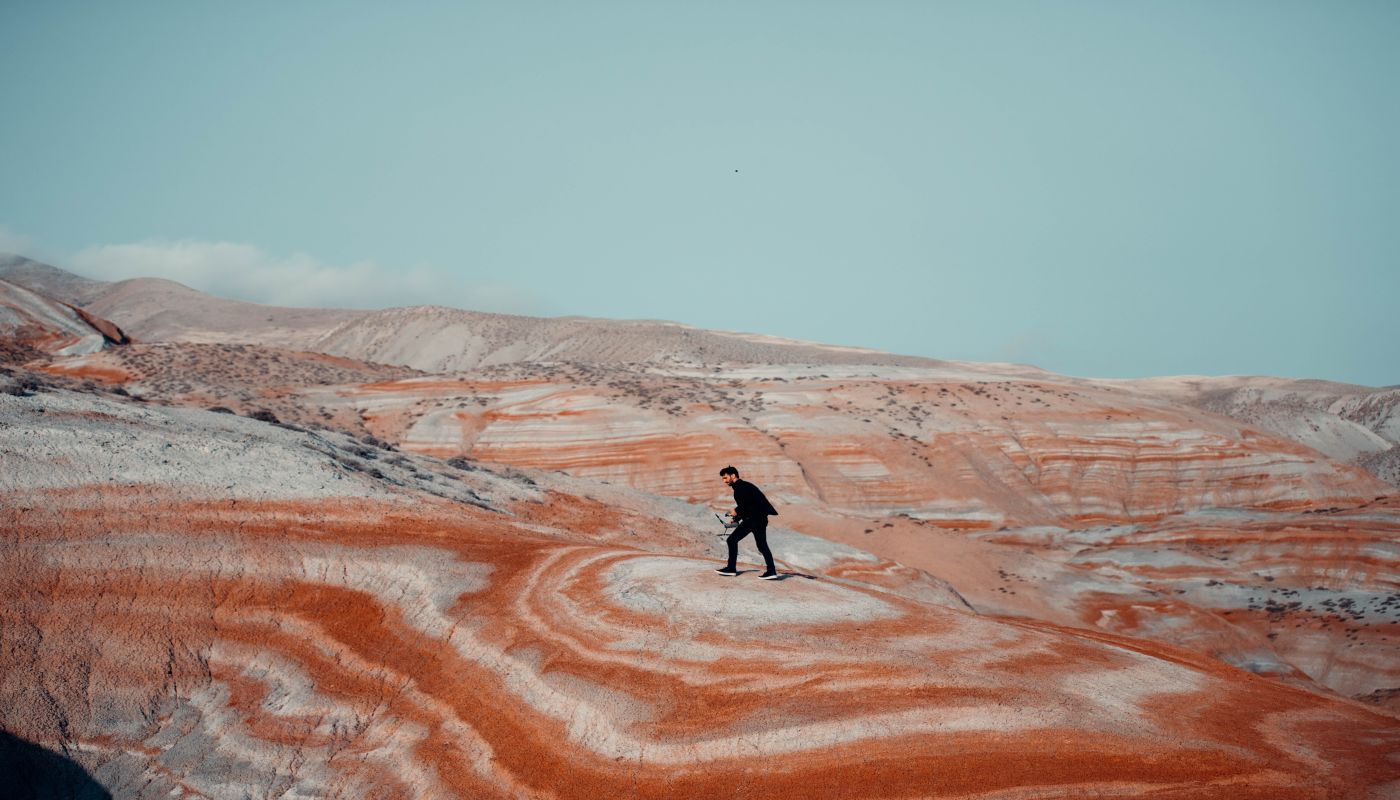
Landscape of Azerbaijan
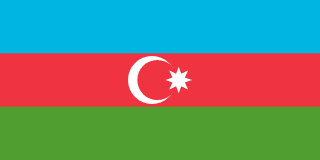
Flag of Azerbaijan

Azerbaijan

Asia

Azerbaijan is a beautiful and diverse country located in the South Caucasus region of Eurasia, bordering the Caspian Sea to the east. With a population of approximately 10 million people, Azerbaijan boasts a rich cultural heritage, including a long history of music, literature, and art. The country's strategic location and abundant natural resources, such as oil and gas, have played a crucial role in its development. Azerbaijan has also invested heavily in infrastructure projects, such as the Baku-Tbilisi-Ceyhan oil pipeline and the Baku-Tbilisi-Kars railway, which have strengthened its position as a key player in regional trade and transportation. With its strategic location at the crossroads of Europe and Asia, Azerbaijan is well positioned to take advantage of opportunities for growth and development, and continues to work towards creating a brighter future for its people.

What would you like to learn about in Azerbaijan?

Select a section to explore the country where nonprofits are creating positive change.

About Azerbaijan

Azerbaijan - a nation with a majority-Turkic and majority-Shia Muslim population - was briefly independent (from 1918 to 1920) following the collapse of the Russian Empire; it was subsequently incorporated into the Soviet Union for seven decades. Azerbaijan has yet to resolve its conflict with Armenia over Nagorno-Karabakh, a primarily Armenian-populated region that Moscow recognized in 1923 as an autonomous region within Soviet Azerbaijan after Armenia and Azerbaijan disputed the status of the territory. Armenia and Azerbaijan began fighting over the area in 1988; the struggle escalated after both countries attained independence from the Soviet Union in 1991. By May 1994, when a cease-fire took hold, ethnic Armenian forces held not only Nagorno-Karabakh but also seven surrounding provinces in the territory of Azerbaijan. The OSCE Minsk Group, co-chaired by the United States, France, and Russia, is the framework established to mediate a peaceful resolution of the conflict. Corruption in the country is widespread, and the government, which eliminated presidential term limits in a 2009 referendum, has been accused of authoritarianism. Although the poverty rate has been reduced and infrastructure investment has increased substantially in recent years due to revenue from oil and gas production, reforms have not adequately addressed weaknesses in most government institutions, particularly in the education and health sectors. In January 2012, Azerbaijan assumed a nonpermanent seat on the UN Security Council for the 2012-13 term.

Quick Facts

Population
9,590,159 (July 2013 est.)
Area
86,600 sq km
ISO Code
AZ
Continent
Asia
Government
republic
Active Causes
12
View all countries in Asia

Geography & Environment

Climate

dry, semiarid steppe

Terrain

large, flat Kur-Araz Ovaligi (Kura-Araks Lowland, much of it below sea level) with Great Caucasus Mountains to the north, Qarabag Yaylasi (Karabakh Upland) in west; Baku lies on Abseron Yasaqligi (Aps...

Natural Resources

petroleum, natural gas, iron ore, nonferrous metals, bauxite

Environmental Issues

local scientists consider the Abseron Yasaqligi (Apsheron Peninsula) (including Baku and Sumqayit) and the Caspian Sea to be the ecologically most devastated area in the world because of severe air, s...

People & Society

71.61 years
Avg. Life Expectancy
99.8%
Literacy Rate
53.6% of total population (2011)
Total Urban Population

Languages

Azerbaijani (Azeri) (official) 90.3%, Lezgi 2.2%, Russian 1.8%, Armenian 1.5%, other 3.3%, unspecified 1% (1999 census)

Religions

Muslim 93.4%, Russian Orthodox 2.5%, Armenian Orthodox 2.3%, other 1.8% (1995 est.)

Health Expenditure

5.9% of GDP (2010) of GDP

Education Expenditure

2.8% of GDP (2010) of GDP

Economy

$10,700
GDP per Capita (PPP)
1%
Unemployment Rate
11% (2009 est.)
Below Poverty Line

Economic Overview

Azerbaijan's high economic growth during 2006-10 was attributable to large and growing oil and gas exports, but some non-export sectors also featured double-digit growth, including construction, banking, and real estate. In 2012, economic growth picked up to 3.8%. Continued production declines in the oil sector were offset by strong growth in the non-oil sector. However, the non-oil sector growth may be driven primarily by government investment, which may not be sustainable if oil production continues to decline. Oil exports through the Baku-Tbilisi-Ceyhan Pipeline, the Baku-Novorossiysk, and...

Causes in Azerbaijan

Environment

Azerbaijan, a country located at the crossroads of Eastern Europe and Western Asia, is greatly affected by environmental issues that pose significant challenges to its population and ecosystems. The exploitation of natural resources such as oil and gas has led to pollution of air, soil, and water, impacting the health of Azerbaijani citizens and the biodiversity of the region. Deforestation, overgrazing, and urbanization have also contributed to habitat loss and degradation, threatening the country's rich flora and fauna. Additionally, climate change has resulted in more frequent extreme weather events like floods and droughts, further exacerbating environmental concerns in Azerbaijan. It is crucial for the government, businesses, and communities to prioritize sustainable practices and conservation efforts to protect the environment and ensure a healthy future for all inhabitants of Azerbaijan.

Family

Family holds immense significance in Azerbaijani culture, serving as the cornerstone of society and playing a crucial role in shaping individuals' lives. In Azerbaijan, family ties are deeply rooted in tradition and values, with extended families often living together and offering strong support networks. Respect for elders and the concept of filial piety are deeply ingrained in Azerbaijani society, influencing familial relationships and decision-making processes within households. Family gatherings are frequent, fostering a sense of unity and belonging among relatives. Moreover, family members are expected to provide emotional, financial, and moral support to one another, creating a tight-knit community where individuals find comfort and security. The influence of family extends beyond the household, impacting social interactions and community dynamics. By understanding the pivotal role of family in Azerbaijani culture, we can appreciate the importance of preserving these traditions and nurturing strong familial bonds for future generations.

Human Rights

Azerbaijan, a country located at the crossroads of Eastern Europe and Western Asia, has faced ongoing challenges related to human rights issues. Despite being a signatory to various international human rights treaties, such as the International Covenant on Civil and Political Rights and the European Convention on Human Rights, Azerbaijan has been criticized for its restrictions on freedom of expression, assembly, and association. The government's crackdown on independent media outlets, activists, and political dissenters has raised concerns about the country's commitment to upholding fundamental human rights principles. Additionally, reports of arbitrary arrests, unfair trials, and allegations of torture further highlight the pressing need for reforms in Azerbaijan's human rights practices. As a member of the international community, it is crucial to monitor and address human rights violations in Azerbaijan to ensure that all individuals are afforded their basic rights and freedoms.

Education

Azerbaijan, a country located at the crossroads of Eastern Europe and Western Asia, faces several challenges in its education system that significantly impact its development and progress. Despite efforts to improve access to education, Azerbaijan continues to grapple with issues such as insufficient funding, lack of modern teaching methods, and disparities in educational opportunities between urban and rural areas. These challenges have resulted in a high dropout rate among students, particularly in rural regions, limiting the country's human capital development and potential for economic growth. Additionally, the quality of education provided in Azerbaijan has been a concern, with outdated curriculum and inadequate teacher training hindering the overall effectiveness of the education system. Addressing these issues is crucial for Azerbaijan to secure a brighter future for its citizens and to foster sustainable development across the nation.

Poverty

Azerbaijan, a country situated at the crossroads of Eastern Europe and Western Asia, faces significant challenges related to poverty. Despite its substantial oil and gas reserves, poverty remains a pressing issue in Azerbaijan, particularly in rural areas where access to basic services is limited. Poverty in Azerbaijan is often intertwined with factors such as unemployment, low wages, inadequate social protection systems, and disparities in access to education and healthcare. The lack of economic diversification and overreliance on the oil sector also contribute to the persistence of poverty in the country. Addressing poverty in Azerbaijan requires comprehensive policies that focus on improving social protection, promoting sustainable economic development, and reducing inequalities across regions. By raising awareness about the impact of poverty in Azerbaijan, we can support efforts to create a more inclusive and equitable society for all its citizens.

Religion

Azerbaijan, located at the crossroads of Eastern Europe and Western Asia, is a country with a rich tapestry of religious diversity. Islam is the predominant religion in Azerbaijan, with the majority of the population adhering to Shia Islam. However, the country also has significant Christian and Jewish minorities. Historically, Azerbaijan has been known for its religious tolerance and coexistence among different faiths. Nevertheless, in recent years, there have been instances of religious discrimination and restrictions on religious freedom in the country. The government closely monitors religious activities and has imposed regulations on religious organizations, leading to concerns about the infringement of individuals' rights to practice their faith freely. It is crucial to recognize the importance of upholding religious freedom and tolerance in Azerbaijan to foster a more inclusive and harmonious society.

Clean Water

Azerbaijan, a country located at the crossroads of Eastern Europe and Western Asia, faces significant challenges in accessing clean water. The lack of clean water sources and infrastructure in many regions of the country has led to widespread health issues among its population. Contaminated water sources contribute to the spread of waterborne diseases such as hepatitis A and typhoid fever. Additionally, inadequate sanitation facilities further exacerbate the problem, leading to the pollution of water sources and posing serious health risks to communities. Addressing the issue of clean water accessibility in Azerbaijan is crucial for improving public health and ensuring sustainable development in the country.

Economy

Azerbaijan, located at the crossroads of Eastern Europe and Western Asia, is an oil-rich country that heavily relies on its energy sector for economic stability. The economy of Azerbaijan has been significantly impacted by fluctuations in global oil prices, leading to periods of both growth and recession. The country's dependency on oil exports has made it vulnerable to market volatility, with the recent drop in oil prices having a substantial impact on government revenues and economic growth. This reliance on oil has also resulted in limited diversification of the economy, hindering the development of other sectors such as agriculture and tourism. Addressing these challenges and promoting economic diversification are crucial for Azerbaijan to ensure long-term sustainable growth and reduce its vulnerability to external shocks.

Government

Azerbaijan, a country located at the crossroads of Eastern Europe and Western Asia, is a nation deeply influenced by its government structure. The government of Azerbaijan is a unitary semi-presidential republic, where the President serves as the head of state and the Prime Minister as the head of government. The government plays a significant role in shaping various aspects of Azerbaijani society, including political, social, and economic spheres. Policies implemented by the government impact areas such as human rights, media freedom, and economic development within the country. The government's decisions and actions have far-reaching consequences on the lives of Azerbaijani citizens, influencing their everyday realities and opportunities for growth and prosperity.

Health

Health plays a crucial role in the well-being of the population of Azerbaijan, a country located at the crossroads of Eastern Europe and Western Asia. Despite notable progress in healthcare infrastructure and services in recent years, Azerbaijan still faces challenges in ensuring universal access to quality healthcare for its citizens. The country grapples with issues such as a high prevalence of non-communicable diseases, inadequate healthcare facilities in rural areas, and disparities in healthcare access among different socio-economic groups. Additionally, factors like air pollution, poor sanitation, and limited access to clean water contribute to health risks in Azerbaijan. Addressing these challenges requires concerted efforts from the government, healthcare providers, and civil society to improve healthcare policies, infrastructure, and health education initiatives across the country.

Children

Azerbaijan, a country located at the crossroads of Eastern Europe and Western Asia, faces various challenges related to children's well-being. Children in Azerbaijan are affected by factors such as poverty, inadequate access to education, and healthcare services, as well as child labor. Poverty remains a significant issue, with many children living in vulnerable conditions that affect their overall development and future opportunities. According to UNICEF, around 13% of children in Azerbaijan live in poverty, lacking access to essential resources for a healthy and fulfilling life. Furthermore, child labor is prevalent in the country, particularly in rural areas, where children are engaged in hazardous and exploitative work instead of attending school. This jeopardizes their right to education and exposes them to various risks. Addressing these challenges requires concerted efforts from the government, civil society organizations, and the international community to ensure that every child in Azerbaijan has access to a safe and nurturing environment where they can thrive and reach their full potential.

Animals

Azerbaijan, a country located at the crossroads of Eastern Europe and Western Asia, boasts a diverse ecosystem that is home to a wide variety of animal species. Animals play a significant role in Azerbaijan's culture and economy, with wildlife conservation efforts being crucial to the country's biodiversity and natural heritage. The Caspian Sea, one of the world's largest inland bodies of water, is inhabited by rare species such as the Caspian seal and sturgeon, which are vital to the region's ecosystem and economy. However, factors such as habitat loss, poaching, and climate change pose serious threats to Azerbaijan's wildlife. By raising awareness about the importance of protecting these animals and their habitats, we can contribute to safeguarding Azerbaijan's rich biodiversity for future generations.

Nonprofits Working in Azerbaijan

Discover organizations making a difference in Azerbaijan

Make Your Impact Today

Discover causes you care about and support the nonprofits making a difference in communities around the world.

Are you a nonprofit? Join Project World Impact for free

Join Us Free