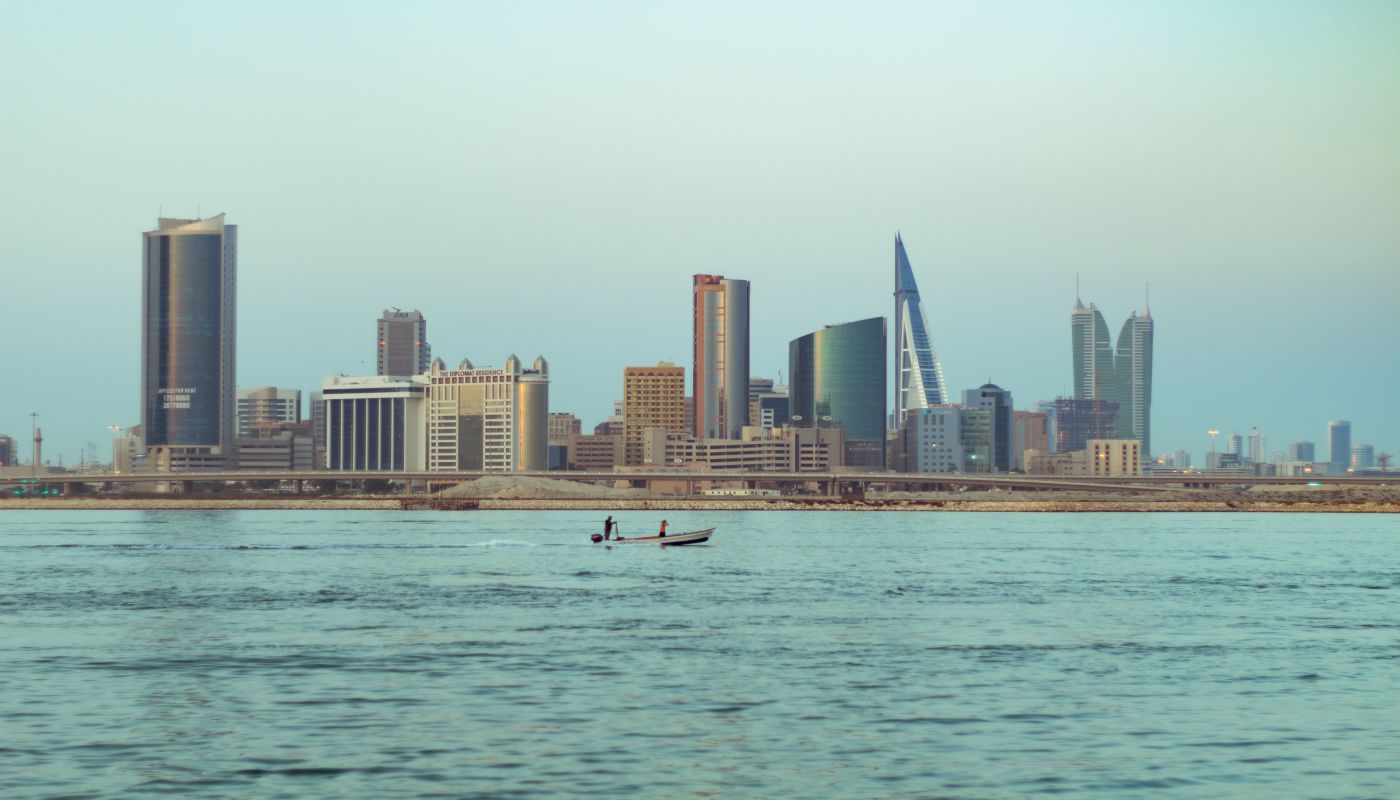

Landscape of Bahrain
Flag of Bahrain

Bahrain

Asia

Bahrain is a beautiful island nation located in the Persian Gulf. The country has a population of approximately 1.7 million people, with a diverse mix of expatriates and Bahraini nationals. The capital city, Manama, is a bustling metropolis that offers a mix of modern and traditional architecture, including stunning mosques, museums, and shopping centers. The country is also home to several historical landmarks, including the Bahrain Fort and the Bahrain National Museum, which provide a glimpse into the rich history and culture of the region. Bahrain is known for its focus on education, innovation, and sustainability. The country's thriving economy is driven by industries such as oil and gas, financial services, and tourism, and it has a high standard of living, with excellent healthcare and education systems.

What would you like to learn about in Bahrain?

Select a section to explore the country where nonprofits are creating positive change.

About Bahrain

In 1783, the Sunni Al-Khalifa family captured Bahrain from the Persians. In order to secure these holdings, it entered into a series of treaties with the UK during the 19th century that made Bahrain a British protectorate. The archipelago attained its independence in 1971. Facing declining oil reserves, Bahrain has turned to petroleum processing and refining and has become an international banking center. Bahrain's small size and central location among Persian Gulf countries require it to play a delicate balancing act in foreign affairs among its larger neighbors. The Sunni-led government has struggled to manage relations with its large Shia-majority population. In early 2011, amid Arab uprisings elsewhere in the region, the Bahraini Government confronted similar protests at home with police and military action. The aftermath led to modest reforms, though continued dissatisfaction by Bahraini oppositionists with the extent of the reforms, has led to a broader dialogue between government officials, political societies, and legislators.

Quick Facts

Population
1,281,332 July 2013 est.
Area
760 sq km
ISO Code
BH
Continent
Asia
Government
constitutional monarchy
Active Causes
12
View all countries in Asia

Geography & Environment

Climate

arid; mild, pleasant winters; very hot, humid summers

Terrain

mostly low desert plain rising gently to low central escarpment

Natural Resources

oil, associated and nonassociated natural gas, fish, pearls

Environmental Issues

desertification resulting from the degradation of limited arable land, periods of drought, and dust storms; coastal degradation (damage to coastlines, coral reefs, and sea vegetation) resulting from o...

People & Society

78.43 years
Avg. Life Expectancy
94.6%
Literacy Rate
88.7% of total population (2011)
Total Urban Population

Languages

Arabic (official), English, Farsi, Urdu

Religions

Muslim (Shia and Sunni) 81.2%, Christian 9%, other 9.8% (2001 census)

Health Expenditure

5% of GDP (2010) of GDP

Education Expenditure

2.9% of GDP (2008) of GDP

Economy

$29,200
GDP per Capita (PPP)
15%
Unemployment Rate
NA%
Below Poverty Line

Economic Overview

Bahrain has taken great strides in diversifying its economy and its highly developed communication and transport facilities make Bahrain home to numerous multinational firms with business in the Gulf. As part of its diversification plans, Bahrain implemented a Free Trade Agreement (FTA) with the US in August 2006, the first FTA between the US and a Gulf state. Bahrain's economy, however, continues to depend heavily on oil. Petroleum production and refining account for more than 60% of Bahrain's export receipts, 70% of government revenues, and 11% of GDP. Other major economic activities are pro...

Causes in Bahrain

Family

Family plays a fundamental role in Bahraini society, serving as the cornerstone of their cultural values and traditions. In Bahrain, family ties are highly regarded, with extended families often living in close proximity and providing a strong support system. The concept of family extends beyond immediate relatives to include cousins, aunts, uncles, and even close family friends. Family gatherings and celebrations are significant events where relationships are nurtured and strengthened. The influence of family is evident in decision-making processes, with elders often playing a key role in advising younger family members on important life choices. Furthermore, the concept of respect for elders and the importance of filial piety are deeply ingrained in Bahraini culture, contributing to the cohesion and stability of the society.

Human Rights

Bahrain, a small island country in the Middle East, has been under scrutiny for its human rights situation. Despite some progress in recent years, concerns persist over issues such as freedom of expression, arbitrary arrests, and the treatment of political prisoners. The government's crackdown on dissent has drawn criticism from international human rights organizations and governments alike. Activists and journalists face intimidation and harassment, while peaceful protests are often met with excessive force by security forces. These violations of human rights not only affect individual Bahrainis but also undermine the country's stability and reputation on the global stage. It is crucial for Bahrain to address these issues in order to ensure a more just and inclusive society for all its citizens.

Education

Education plays a vital role in Bahrain, a small island nation in the Middle East. With a strong emphasis on education, Bahrain has made significant strides in providing its citizens with access to quality education. The government of Bahrain has invested heavily in its education system, leading to a high literacy rate among its population. Education is seen as a key driver of economic growth and social development in the country, with an increasing number of Bahrainis pursuing higher education both domestically and abroad. Additionally, education plays a crucial role in promoting gender equality in Bahrain, with efforts being made to ensure equal access to education for both men and women. By investing in education, Bahrain aims to equip its citizens with the knowledge and skills needed to thrive in a rapidly changing global economy.

Religion

Bahrain, a small island country in the Persian Gulf, is known for its diverse religious landscape. The population of Bahrain predominantly practices Islam, with Shia Muslims forming a significant majority. The influence of religion in Bahrain extends beyond personal belief, impacting various aspects of society including politics, education, and social norms. Religious affiliation often plays a role in determining social status and can influence relationships within the community. However, Bahrain also prides itself on its tradition of religious tolerance, with freedom of worship enshrined in the constitution. Despite this, tensions have occasionally arisen between different religious communities, highlighting the delicate balance that exists in a country where religion holds such significance.

Clean Water

In the Kingdom of Bahrain, access to clean water is a critical issue that directly impacts the health and well-being of its population. Despite being located in a region characterized by arid climate and limited water resources, Bahrain faces challenges in ensuring the availability of safe drinking water for its residents. The scarcity of fresh water sources in Bahrain has led to a heavy reliance on desalination plants to meet the country's water needs. However, this process is energy-intensive and costly, posing environmental concerns and sustainability challenges. Moreover, inadequate infrastructure and pollution from various sources further compound the issue of water quality in Bahrain. Addressing these challenges through sustainable water management practices and conservation efforts is crucial for safeguarding public health and ensuring the long-term viability of Bahrain's water resources.

Economy

Bahrain, a small island country in the Middle East, is heavily reliant on its economy, which plays a crucial role in shaping its societal and political landscapes. The economy of Bahrain is primarily driven by the oil industry, with oil and gas accounting for a significant portion of the country's GDP. However, in recent years, Bahrain has made efforts to diversify its economy by investing in sectors such as tourism, finance, and manufacturing. Despite these efforts, the economy remains vulnerable to fluctuations in global oil prices, which can have a significant impact on the country's overall economic stability. Furthermore, Bahrain faces challenges related to high levels of public debt and unemployment rates, which can further strain its economy and hinder overall growth and development.

Government

Bahrain, a small island nation in the Middle East, has a government system that significantly influences its population and societal dynamics. The country is a constitutional monarchy with a parliamentary system, where the King serves as the head of state and the Prime Minister as the head of government. The government's impact on Bahrainis is notable in various aspects of their lives, including political participation, social programs, economic policies, and civil rights. The government plays a crucial role in shaping laws, regulations, and public policies that affect the daily lives of Bahrain's citizens. Additionally, the government's stance on issues such as freedom of speech, human rights, and political dissent also greatly influences the socio-political landscape of the country.

Health

Health plays a critical role in the socio-economic development of Bahrain. The country faces various health challenges, including rising rates of non-communicable diseases such as diabetes, obesity, and cardiovascular diseases. Factors contributing to these health issues include sedentary lifestyles, unhealthy diets, and smoking. Furthermore, Bahrain's healthcare system is strained by an increasing demand for services due to a growing population and an aging demographic. Despite efforts by the government to improve healthcare infrastructure and services, disparities in access to quality healthcare persist among different socio-economic groups in the country. Raising awareness about preventive measures, promoting healthy lifestyles, and ensuring equitable access to healthcare are essential steps towards improving the overall health outcomes for the people of Bahrain.

Children

In Bahrain, children face various challenges that impact their well-being and development. One significant issue is the lack of access to quality education for all children. Despite efforts to improve the education system, disparities still exist, particularly for marginalized groups such as children from low-income families or those with disabilities. Additionally, child labor remains a concern in Bahrain, with some children being forced to work in hazardous conditions instead of attending school. Furthermore, mental health issues among children are on the rise, attributed to factors such as academic pressure and social media influence. These challenges underscore the importance of addressing the needs of Bahraini children to ensure their rights and well-being are safeguarded.

Environment

Bahrain, an island country in the Persian Gulf, faces significant environmental challenges that directly impact its population and economy. The country's arid climate and limited freshwater resources make it particularly susceptible to water scarcity and desertification. Additionally, rapid urbanization and industrial development have led to air and water pollution, threatening the health of both humans and ecosystems. Rising sea levels due to climate change further endanger coastal areas and infrastructure. These environmental issues not only affect the well-being of Bahrain's residents but also pose long-term threats to the country's sustainability and resilience. It is crucial for Bahrain to implement effective environmental policies and practices to mitigate these challenges and ensure a healthier future for its people and environment.

Poverty

Bahrain, a small island nation in the Middle East, is facing the challenge of poverty that impacts a significant portion of its population. Despite being classified as a high-income economy, Bahrain still grapples with poverty due to various factors such as high cost of living, limited job opportunities, and disparities in income distribution. The poverty rate in Bahrain stands at 12.2%, with a notable concentration of poverty among marginalized communities and migrant workers. This economic disparity not only affects individuals' quality of life but also poses social and health implications for the country as a whole. Efforts to address poverty in Bahrain include social welfare programs, employment initiatives, and educational reforms aimed at providing equal opportunities for all residents. By raising awareness about the impact of poverty in Bahrain, it is imperative to foster inclusivity, social cohesion, and sustainable development for the nation's prosperity.

Animals

Bahrain, a small island nation in the Middle East, is home to a rich culture and history deeply intertwined with its natural environment. Animals in Bahrain play a significant role in the ecosystem and contribute to the country's biodiversity. However, due to urbanization and habitat destruction, many animal species in Bahrain are facing threats to their survival. The Arabian oryx, once native to Bahrain, is now extinct in the wild due to hunting and habitat loss. Additionally, marine life in the waters surrounding Bahrain, such as dugongs and sea turtles, are also at risk due to pollution and overfishing. Conservation efforts are crucial to protect these vulnerable species and preserve the natural heritage of Bahrain for future generations.

Nonprofits Working in Bahrain

Discover organizations making a difference in Bahrain

Make Your Impact Today

Discover causes you care about and support the nonprofits making a difference in communities around the world.

Are you a nonprofit? Join Project World Impact for free

Join Us Free