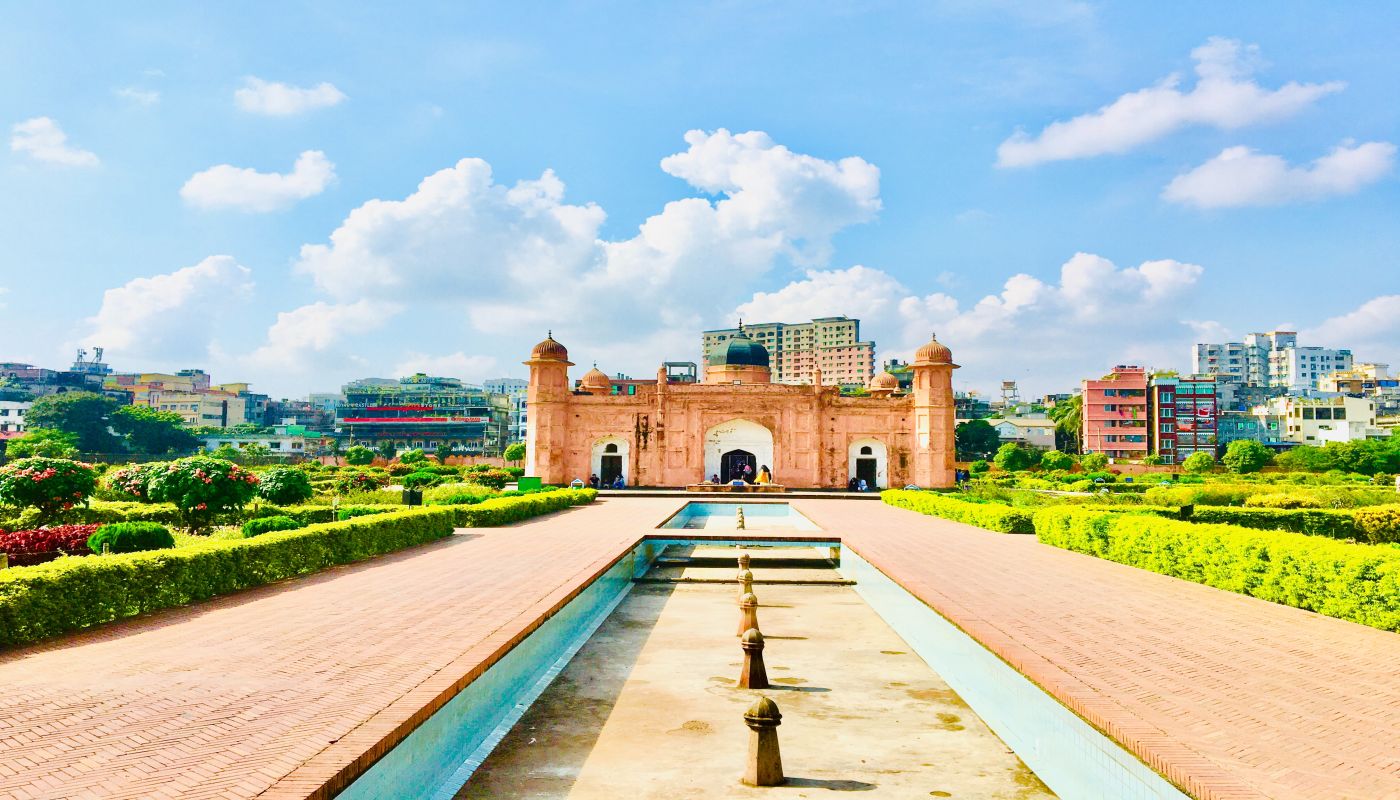

Landscape of Bangladesh
Flag of Bangladesh

Bangladesh

Asia

Bangladesh is a beautiful country located in South Asia. It is the eighth-most populous country in the world with a population of over 165 million people. The country's capital and largest city is Dhaka, which is home to more than 21 million people. One of the most impressive things about Bangladesh is its progress in reducing poverty. According to the World Bank, poverty in Bangladesh has declined from 44.2% in 1991 to 20.5% in 2020. Additionally, the country has made significant strides in increasing access to education, with a net primary school enrollment rate of 98% in 2020. Geographically, Bangladesh is home to a diverse range of landscapes, including the world's largest delta system, the Sundarbans. The country is also famous for its stunning natural beauty, including its numerous rivers, forests, and wetlands.

What would you like to learn about in Bangladesh?

Select a section to explore the country where nonprofits are creating positive change.

About Bangladesh

Muslim conversions and settlement in the region now referred to as Bangladesh began in the 10th century, primarily from Arab and Persian traders and preachers. Europeans began to set up trading posts in the area in the 16th century. Eventually the area known as Bengal, primarily Hindu in the western section and mostly Muslim in the eastern half, became part of British India. Partition in 1947 resulted in an eastern wing of Pakistan in the Muslim-majority area, which became East Pakistan. Calls for greater autonomy and animosity between the eastern and western wings of Pakistan led to a Bengali independence movement. That movement, led by the Awami League (AL) and supported by India, won independence for Bangladesh in 1971, although at least 300,000 civilians died in the process. The post-independence, AL government faced daunting challenges and in 1975 was overthrown by the military, triggering a series of military coups that resulted in a military-backed government and subsequent creation of the Bangladesh Nationalist Party (BNP). That government also ended in a coup in 1981, followed by military-backed rule until democratic elections in 1991. The BNP and AL have alternately held power since then, with the exception of a military-backed, emergency caretaker regime that suspended parliamentary elections planned for January 2007 in an effort to reform the political system and root out corruption. That government returned the country to fully democratic rule in December 2008 with the election of the AL and Prime Minister Sheikh HASINA. With the help of international development assistance, Bangladesh has made great progress in food security since independence, and the economy has grown at an average of about 6 percent over the last two decades.

Quick Facts

Population
163,654,860 (July 2013 est.)
Area
143,998 sq km
ISO Code
BD
Continent
Asia
Government
parliamentary democracy
Active Causes
12
View all countries in Asia

Geography & Environment

Climate

tropical; mild winter (October to March); hot, humid summer (March to June); humid, warm rainy monsoon (June to October)

Terrain

mostly flat alluvial plain; hilly in southeast

Natural Resources

natural gas, arable land, timber, coal

Environmental Issues

many people are landless and forced to live on and cultivate flood-prone land; waterborne diseases prevalent in surface water; water pollution, especially of fishing areas, results from the use of com...

People & Society

70.36 years
Avg. Life Expectancy
57.7%
Literacy Rate
28.4% of total population (2011)
Total Urban Population

Languages

Bangla (official, also known as Bengali), English

Religions

Muslim 89.5%, Hindu 9.6%, other 0.9% (2004)

Health Expenditure

3.5% of GDP (2010) of GDP

Education Expenditure

2.2% of GDP (2009) of GDP

Economy

$2,100
GDP per Capita (PPP)
5%
Unemployment Rate
31.5% (2010 est.)
Below Poverty Line

Economic Overview

In real terms Bangladesh's economy has grown 5.8% per year since 1996 despite political instability, poor infrastructure, corruption, insufficient power supplies, and slow implementation of economic reforms. Bangladesh remains a poor, overpopulated, and inefficiently-governed nation. Although more than half of GDP is generated through the service sector, 45% of Bangladeshis are employed in the agriculture sector with rice as the single-most-important product. Bangladesh's growth was resilient during the 2008-09 global financial crisis and recession. Garment exports, totaling $12.3 billion in F...

Causes in Bangladesh

Environment

Bangladesh, a densely populated South Asian country, faces significant environmental challenges that profoundly impact its people and economy. The country is highly vulnerable to climate change due to its low-lying geography, making it prone to frequent floods, cyclones, and rising sea levels. These environmental hazards not only displace millions of people annually but also damage infrastructure and disrupt agricultural activities, which are crucial for the country's economy. Furthermore, deforestation, water pollution, and air pollution are significant concerns in Bangladesh, leading to health problems and loss of biodiversity. It is imperative for Bangladesh to focus on sustainable development practices and invest in climate resilience strategies to mitigate the adverse effects of environmental degradation on its population and ensure a sustainable future.

Family

In Bangladesh, family plays a crucial role in shaping the social fabric and cultural norms of the society. With strong emphasis on filial piety and collectivism, families in Bangladesh are typically large and multigenerational, with extended family members living together or in close proximity. The concept of family extends beyond just blood relations to include relatives by marriage or even close friends, creating a tight-knit support system for individuals. Families in Bangladesh are often the primary source of emotional, financial, and social support, providing a sense of security and belonging to its members. However, challenges such as poverty, limited access to education and healthcare, and traditional gender roles can strain family dynamics and exacerbate issues such as child marriage and domestic violence. Understanding the pivotal role that family plays in Bangladeshi society is essential in addressing these complex issues and promoting sustainable development.

Human Rights

Bangladesh, a South Asian country with a population of over 160 million, has faced significant challenges in upholding human rights. The country has grappled with issues such as political unrest, corruption, gender inequality, and limited access to quality healthcare and education. Human rights violations including arbitrary arrests, extrajudicial killings, and restrictions on freedom of expression have been reported. These violations not only undermine the well-being and dignity of the Bangladeshi people but also hinder the country's social and economic development. Addressing these human rights issues is essential for fostering a just and equitable society in Bangladesh.

Poverty

Bangladesh, a South Asian country with a population of over 160 million, faces significant challenges due to widespread poverty. Approximately 24% of the population lives below the national poverty line, struggling to meet basic needs such as food, shelter, and healthcare. The impact of poverty in Bangladesh is profound, affecting access to education, healthcare services, and proper nutrition. This economic hardship perpetuates a cycle of deprivation, limiting opportunities for social mobility and economic growth. Furthermore, climate change and natural disasters exacerbate the situation, leading to further economic instability and displacement. Addressing poverty in Bangladesh requires comprehensive strategies that prioritize sustainable development, social welfare programs, and equitable distribution of resources to uplift marginalized communities and improve overall quality of life.

Religion

In Bangladesh, religion plays a significant role in shaping the societal fabric and daily lives of its people. The country is predominantly Muslim, with over 90% of the population adhering to Islam. This religious influence is evident in various aspects of Bangladeshi culture, politics, and social norms. Islam not only provides a moral compass for many Bangladeshis but also influences their traditions, laws, and customs. The relationship between religion and society in Bangladesh is complex, with a blend of religious beliefs and practices interwoven into the country's identity. While the majority follow Islam, there are also minority communities practicing Hinduism, Buddhism, Christianity, and other religions, contributing to the nation's diverse religious landscape.

Clean Water

Bangladesh, a densely populated country in South Asia, faces significant challenges in accessing clean water. The lack of access to safe drinking water is a pressing issue that affects millions of people in Bangladesh. Contaminated water sources lead to waterborne diseases such as cholera, typhoid, and diarrhea, causing widespread health problems and even fatalities. The impact of unclean water is particularly severe in rural areas where access to clean water infrastructure is limited. Furthermore, climate change has exacerbated the situation with increased salinity in groundwater sources due to rising sea levels, further compromising the quality of available water resources. Addressing the issue of clean water is crucial for improving public health and ensuring sustainable development in Bangladesh.

Economy

Bangladesh, a densely-populated country in South Asia, faces significant challenges that are closely linked to its economy. The impact of the economy on Bangladesh is profound, with factors such as poverty, lack of infrastructure, and environmental degradation posing serious threats to the country's development. The economy heavily relies on the textile industry, which accounts for a large portion of its exports. However, issues such as low wages, poor working conditions, and environmental pollution have raised concerns about sustainability and social responsibility within the industry. Furthermore, natural disasters such as cyclones and flooding exacerbate economic hardships, leading to food insecurity and displacement of communities. Addressing these economic challenges is crucial for Bangladesh's long-term stability and prosperity.

Government

Bangladesh, a South Asian country with a rich cultural heritage and a high population density, faces numerous challenges that are significantly influenced by its government. The Government of Bangladesh plays a crucial role in shaping the country's development trajectory, particularly in areas such as poverty alleviation, healthcare, education, and infrastructure. Despite progress in recent years, Bangladesh continues to grapple with issues such as political instability, corruption, and environmental degradation, all of which have profound implications for its citizens. The government's policies and decisions have a direct impact on the country's economy, social welfare programs, and overall quality of life for its people. It is imperative for the government to address these challenges effectively through transparent governance, accountability, and sustainable development strategies to ensure a better future for all Bangladeshis.

Health

Bangladesh, a densely populated country in South Asia, grapples with several health challenges that significantly impact its population. Poor sanitation and limited access to clean water have led to widespread waterborne diseases such as cholera and typhoid. Additionally, malnutrition remains a pressing issue, with approximately one-third of children under the age of five suffering from stunted growth. Infectious diseases like tuberculosis and malaria also pose significant threats to public health in Bangladesh. The country's healthcare system is strained, with limited resources and infrastructure to adequately address these health issues. As a result, many Bangladeshis face barriers to accessing quality healthcare services, exacerbating the burden of preventable illnesses and mortality rates. Addressing these health challenges is crucial to improving the overall well-being and quality of life for the people of Bangladesh.

Children

In Bangladesh, children face numerous challenges that significantly impact their well-being and development. High levels of poverty, limited access to education, child labor, and inadequate healthcare services are some of the key issues affecting children in this South Asian country. According to UNICEF, approximately 12.8 million children in Bangladesh are engaged in child labor, depriving them of their right to education and putting them at risk of exploitation and abuse. Moreover, malnutrition remains a critical concern, with almost half of all children under the age of five suffering from stunted growth due to inadequate nutrition. Addressing these issues is crucial for ensuring the future prosperity and stability of Bangladesh. By advocating for policies that promote child rights, improve access to education, and address poverty, we can contribute to creating a better environment for children in Bangladesh.

Education

Bangladesh, a country in South Asia, faces various challenges in the realm of education that significantly impact its development and progress. With a population of over 160 million people, access to quality education remains a critical issue in Bangladesh. Lack of adequate infrastructure, limited resources, and high dropout rates contribute to a situation where a large portion of the population is deprived of essential learning opportunities. Education plays a pivotal role in shaping the future of Bangladesh, as it is intricately linked to poverty reduction, economic growth, and social development. Improving the education system in Bangladesh is crucial for fostering a skilled workforce, enhancing productivity, and ultimately lifting people out of poverty. By addressing these challenges and investing in education, Bangladesh can pave the way for a brighter and more prosperous future.

Animals

In Bangladesh, animals play a significant role in the lives of its people, particularly in rural areas where agriculture is a major sector of the economy. Cattle are crucial for plowing fields and providing dairy products, while poultry farming is a common source of income for many households. Furthermore, fish farming in ponds and rivers is a vital industry that provides protein-rich food to the population. However, despite their importance, animals in Bangladesh face several challenges such as lack of proper healthcare, poor living conditions, and limited access to clean water and adequate nutrition. These issues not only impact the well-being of the animals but also pose risks to human health through zoonotic diseases. Raising awareness about the welfare of animals in Bangladesh is crucial to ensure sustainable agricultural practices and promote animal health and well-being.

Nonprofits Working in Bangladesh

Discover organizations making a difference in Bangladesh

GUTTMACHER INSTITUTE INC

GUTTMACHER INSTITUTE INC

Now in its fifth decade, the Guttmacher Institute remains committed to the mission and goals that led to its creation. The Guttmacher Institute was founded in 1968 as the Center for Family Planning Program Development. At the time, Presidents John F. Kennedy, Lyndon Johnson and Richard Nixon had begun to call the public's attention to the problem of unplanned and unwanted childbearing and its consequences for individual women and men, their children and their communities both at home and abroad. Concurrently, the United States Congress was taking its first steps toward the development of an international population assistance program, as well as a multifaceted, national program aimed at providing equitable access to modern methods of birth control in the United States. By integrating nonpartisan social science research, policy analysis and public education, the Center hoped to provide a factual basis for the development of sound governmental policies and for public consideration of the sensitive issues involved in the promotion of reproductive health and rights. This purpose and commitment continue today. The Center was originally housed within the corporate structure of Planned Parenthood Federation of America (PPFA). Its program, however, was independently developed and overseen by a National Advisory Council separate from the PPFA Board of Directors. Its early development was nurtured by Alan F. Guttmacher, an eminent obstetrician-gynecologist, teacher and writer who was PPFA's president for more than a decade until his death in 1974. The Center was renamed in Dr. Guttmacher's memory, and the Guttmacher Institute incorporated as an entirely independent nonprofit policy research institute with its own Board in 1977. The Guttmacher Institute maintains offices in New York and Washington. Its current staff of 81 comprises demographers, social scientists, public policy analysts, editors, writers, communications specialists, and financial and technical personnel. A few of its employees have been with the organization for most of its existence, and an affiliation that goes back 10 or 15 years is not unusual. The Institute's work is guided by a 39-member board made up of eminent professionals from a rich variety of disciplines, as well as civic leaders from across the United States and around the world. The Guttmacher Institute's annual budget of approximately $17 million is derived largely from private foundations, government agencies, multilateral organizations and individual contributions.

New York, New York

Make Your Impact Today

Discover causes you care about and support the nonprofits making a difference in communities around the world.

Are you a nonprofit? Join Project World Impact for free

Join Us Free