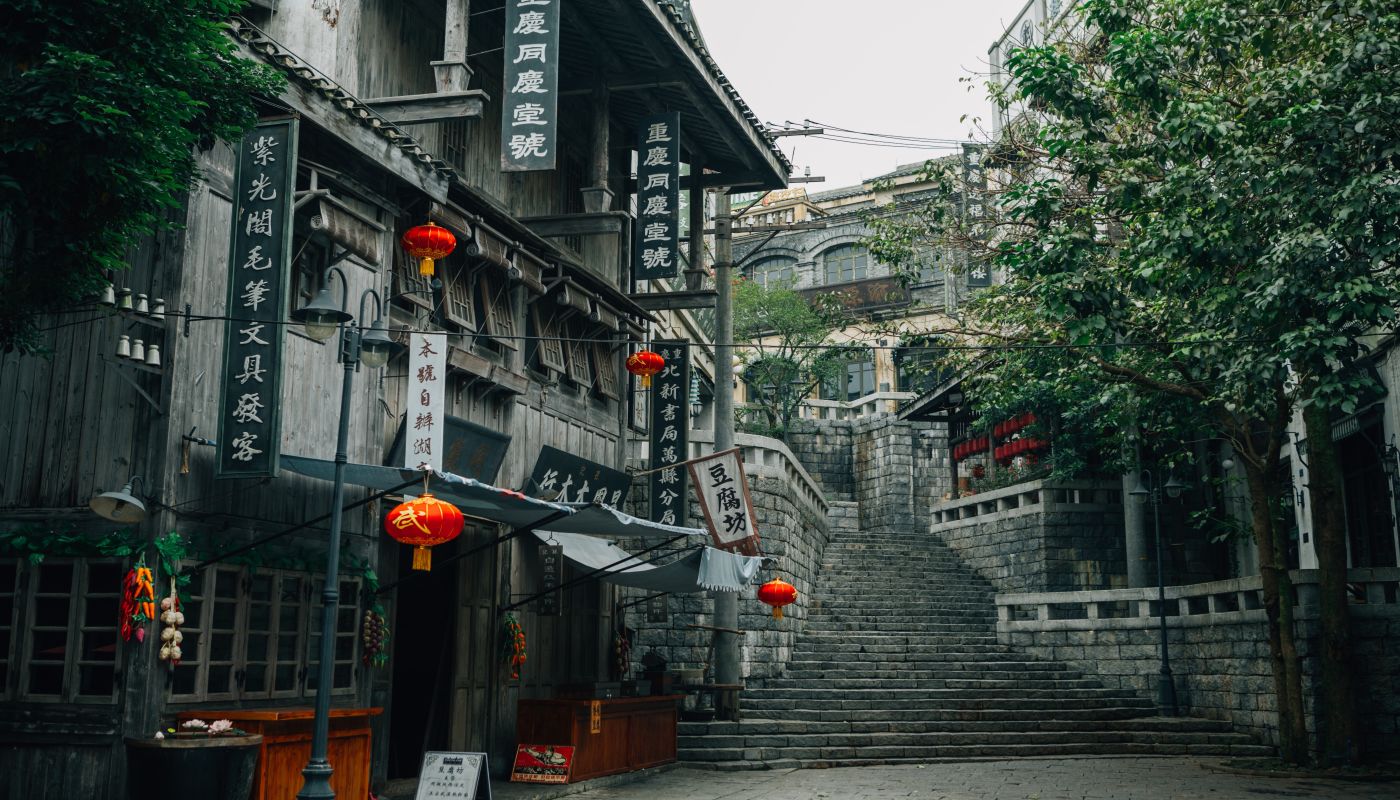
Landscape of China
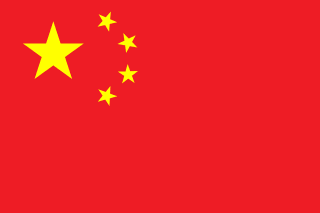
Flag of China

China

Asia

China is a vast country in East Asia with a population of over 1.4 billion people. It is the world's second-largest economy and a global superpower with a rich history and culture that spans over 5,000 years. The country is known for its iconic landmarks such as the Great Wall, Terracotta Army, and the Forbidden City. China is a one-party socialist state with a unique political system that combines elements of capitalism and communism. The country has made significant progress in poverty reduction, infrastructure development, and technological innovation over the past few decades.

What would you like to learn about in China?

Select a section to explore the country where nonprofits are creating positive change.

About China

For centuries China stood as a leading civilization, outpacing the rest of the world in the arts and sciences, but in the 19th and early 20th centuries, the country was beset by civil unrest, major famines, military defeats, and foreign occupation. After World War II, the communists under MAO Zedong established an autocratic socialist system that, while ensuring China's sovereignty, imposed strict controls over everyday life and cost the lives of tens of millions of people. After 1978, MAO's successor DENG Xiaoping and other leaders focused on market-oriented economic development and by 2000 output had quadrupled. For much of the population, living standards have improved dramatically and the room for personal choice has expanded, yet political controls remain tight. Since the early 1990s, China has increased its global outreach and participation in international organizations.

Quick Facts

Population
1,349,585,838 (July 2013 est.)
Area
9,596,961 sq km
ISO Code
CN
Continent
Asia
Government
Communist state
Active Causes
12
View all countries in Asia

Geography & Environment

Climate

extremely diverse; tropical in south to subarctic in north

Terrain

mostly mountains, high plateaus, deserts in west; plains, deltas, and hills in east

Natural Resources

coal, iron ore, petroleum, natural gas, mercury, tin, tungsten, antimony, manganese, molybdenum, vanadium, magnetite, aluminum, lead, zinc, rare earth elements, uranium, hydropower potential (world's...

Environmental Issues

air pollution (greenhouse gases, sulfur dioxide particulates) from reliance on coal produces acid rain; China is the world's largest single emitter of carbon dioxide from the burning of fossil fuels;...

People & Society

74.99 years
Avg. Life Expectancy
95.1%
Literacy Rate
50.6% of total population (2011)
Total Urban Population

Languages

Standard Chinese or Mandarin (Putonghua, based on the Beijing dialect), Yue (Cantonese), Wu (Shanghainese), Minbei (Fuzhou), Minnan (Hokkien-Taiwanese...

Religions

Daoist (Taoist), Buddhist, Christian 3%-4%, Muslim 1%-2%

Health Expenditure

5.1% of GDP (2010) of GDP

Education Expenditure

NA of GDP

Economy

$9,300
GDP per Capita (PPP)
6.5%
Unemployment Rate
13.4%
Below Poverty Line

Economic Overview

Since the late 1970s China has moved from a closed, centrally planned system to a more market-oriented one that plays a major global role - in 2010 China became the world's largest exporter. Reforms began with the phasing out of collectivized agriculture, and expanded to include the gradual liberalization of prices, fiscal decentralization, increased autonomy for state enterprises, creation of a diversified banking system, development of stock markets, rapid growth of the private sector, and opening to foreign trade and investment. China has implemented reforms in a gradualist fashion. In rece...

Causes in China

Environment

China, as the world's most populous country and one of the largest economies, faces significant environmental challenges that impact both its people and the global community. The country's rapid industrialization and urbanization have led to severe air and water pollution, deforestation, and loss of biodiversity. The burning of fossil fuels for energy production has resulted in high levels of air pollution, with cities like Beijing often experiencing hazardous smog levels. Water pollution is also a pressing issue, with industrial waste and agricultural runoff contaminating rivers and groundwater sources. These environmental issues not only harm the health of Chinese citizens but also contribute to global climate change. Addressing these challenges requires concerted efforts in policy-making, technological innovation, and public awareness to promote sustainable development practices that protect both people and the environment.

Family

In China, the concept of family holds significant cultural and social importance. Family plays a crucial role in shaping the values, beliefs, and behaviors of individuals. The traditional Chinese family structure is based on Confucian principles that emphasize filial piety, respect for elders, and loyalty to one's family. This strong emphasis on family ties often leads to close-knit relationships and interdependence among family members. Family gatherings and celebrations are cherished traditions that reinforce these bonds and maintain a sense of unity within the family unit. Furthermore, the one-child policy implemented in China from 1979 to 2015 has had a profound impact on family dynamics, with many families now consisting of only one child who carries the weight of their parents' expectations and aspirations. Understanding the influence of family in China is crucial for appreciating the societal norms and values that shape individuals' lives.

Human Rights

China is a nation with a complex human rights landscape that has garnered international attention. The Chinese government's approach to human rights has been a subject of scrutiny, particularly regarding freedom of expression, political dissent, and religious freedoms. The suppression of these rights has led to widespread censorship, imprisonment of activists, and restrictions on minority groups such as the Uighurs in Xinjiang. Human rights violations in China have been well-documented by organizations like Amnesty International and Human Rights Watch, which have reported on issues such as arbitrary detention, torture, and lack of due process. These violations continue to have a profound impact on the lives of individuals in China and serve as a reminder of the importance of upholding universal human rights standards.

Education

In China, education plays a crucial role in shaping the country's future and driving its economic growth. With a population exceeding 1.4 billion people, China places great emphasis on education as a means to enhance social mobility and foster innovation. The Chinese government has implemented various policies to improve educational quality and access, with significant investments made in infrastructure, teacher training, and curriculum development. The country's education system is highly competitive, with students facing intense pressure to excel academically in order to secure a place at top universities and secure high-paying jobs. Despite these efforts, disparities in educational opportunities persist between urban and rural areas, as well as among different socioeconomic groups. Addressing these inequalities remains a key challenge for China's education system as it seeks to ensure that all citizens have access to quality education and can contribute to the country's continued development.

Poverty

China, a country with a population of over 1.4 billion people, has made significant strides in reducing poverty over the past few decades. However, poverty remains a pressing issue that continues to affect millions of individuals across the nation. The rural-urban wealth gap in China is substantial, with a large portion of the population living in poverty in rural areas. Factors such as limited access to education, healthcare, and employment opportunities contribute to the cycle of poverty experienced by many in China. Additionally, inequalities based on gender, ethnicity, and geographic location further exacerbate the issue. Addressing poverty in China requires comprehensive strategies that focus on improving access to education, healthcare, and employment opportunities for all its citizens, regardless of their background or location.

Religion

Religion in China has a complex history and plays a significant role in the lives of its citizens. China officially recognizes five religions—Buddhism, Taoism, Islam, Protestantism, and Catholicism—but religious practice is tightly regulated by the government. The Chinese Communist Party's atheist ideology has led to restrictions on religious activities, with authorities monitoring and controlling religious gatherings, clergy appointments, and religious teachings. Despite these challenges, religion continues to hold cultural significance for many Chinese people, providing a sense of community and spirituality. However, adherence to religious beliefs can also lead to persecution and discrimination, particularly for minority groups such as Uighur Muslims and Tibetan Buddhists. It is essential to understand the complex dynamics of religion in China to appreciate the challenges faced by believers in expressing their faith freely.

Clean Water

China, as the world's most populous country, faces significant challenges in ensuring clean water for its citizens. With rapid industrialization and urbanization, water pollution has become a pressing issue in China. The contamination of water sources due to industrial discharge, agricultural runoff, and improper waste disposal poses serious health risks to the population. Access to clean water is essential for public health, agriculture, and economic development in China. Efforts to address water pollution through stricter regulations, increased monitoring, and investment in water treatment infrastructure are crucial to safeguarding the health and well-being of the Chinese people.

Economy

China, as the world's second-largest economy, has a significant impact on the global economic landscape. The country's economy is largely driven by manufacturing, export-oriented industries, and a growing service sector. China's economic growth has been remarkable over the past few decades, lifting hundreds of millions of people out of poverty. However, this rapid growth has also led to challenges such as income inequality, environmental degradation, and high debt levels. The Chinese government has implemented various policies to address these issues and ensure sustainable economic development. With its large population and expanding middle class, China plays a crucial role in driving global demand and shaping the future of the world economy.

Government

China, a country with a rich history and a rapidly growing economy, is heavily influenced by its government in various aspects of daily life. The Chinese government, led by the Chinese Communist Party, plays a significant role in shaping policies related to economics, social issues, and foreign relations. The government's control over media and information flow has been a subject of international scrutiny, impacting freedom of speech and access to unbiased information for its citizens. Additionally, China's government exercises strict censorship over the internet and monitors online activities, leading to concerns regarding privacy and individual freedoms. Furthermore, the government's policies on environmental protection, trade agreements, and human rights have far-reaching implications not only for China but also for the global community. The impact of the Chinese government on its citizens and the world at large is profound and warrants continued observation and analysis to understand its full scope.

Health

In China, health issues have a significant impact on the population, as the country faces various challenges related to public health. One pressing concern is air pollution, particularly in major cities like Beijing, which has been linked to respiratory problems and other health issues. Additionally, China grapples with an aging population and an increase in chronic diseases such as diabetes and cardiovascular conditions. These factors contribute to a growing burden on the healthcare system and public health infrastructure in the country. Addressing these health challenges requires comprehensive strategies that involve government policies, public awareness campaigns, and investments in healthcare facilities and services.

Children

In China, the issue of children's welfare is a complex and multifaceted concern that has significant implications for the country's social and economic development. Factors such as poverty, rural-urban migration, and the legacy of the one-child policy have all contributed to challenges faced by children in China. Despite progress in recent years, millions of children still lack access to quality education, healthcare, and protection from exploitation. Moreover, issues such as child trafficking, child labor, and inadequate care for children with disabilities remain pressing issues in China. Addressing these challenges requires a comprehensive approach that involves government intervention, community support, and international cooperation to ensure the well-being and rights of all children in China.

Animals

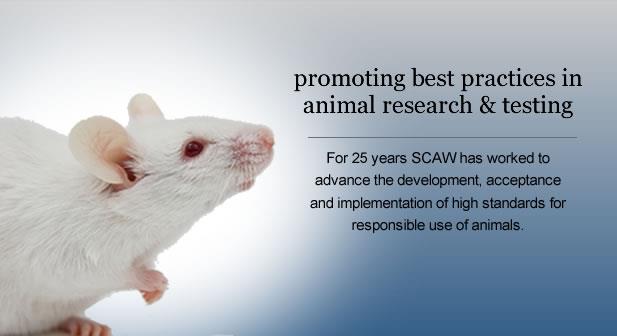
China, a country known for its rich biodiversity, is home to a vast array of animal species that play a crucial role in maintaining the ecological balance of its diverse ecosystems. However, rapid industrialization, urbanization, and unsustainable agricultural practices have led to habitat destruction, pollution, and overexploitation of wildlife in China. These factors have resulted in a decline in animal populations, pushing many species to the brink of extinction. The demand for exotic animals in traditional Chinese medicine, as pets, and for their body parts has also fueled illegal wildlife trade, further threatening the survival of many species. Conservation efforts are underway in China to protect endangered animals and their habitats, but more action is needed to address the root causes of these threats and promote sustainable practices that will ensure the long-term survival of China's wildlife.

Nonprofits Working in China

Discover organizations making a difference in China

Make Your Impact Today

Discover causes you care about and support the nonprofits making a difference in communities around the world.

Are you a nonprofit? Join Project World Impact for free

Join Us Free