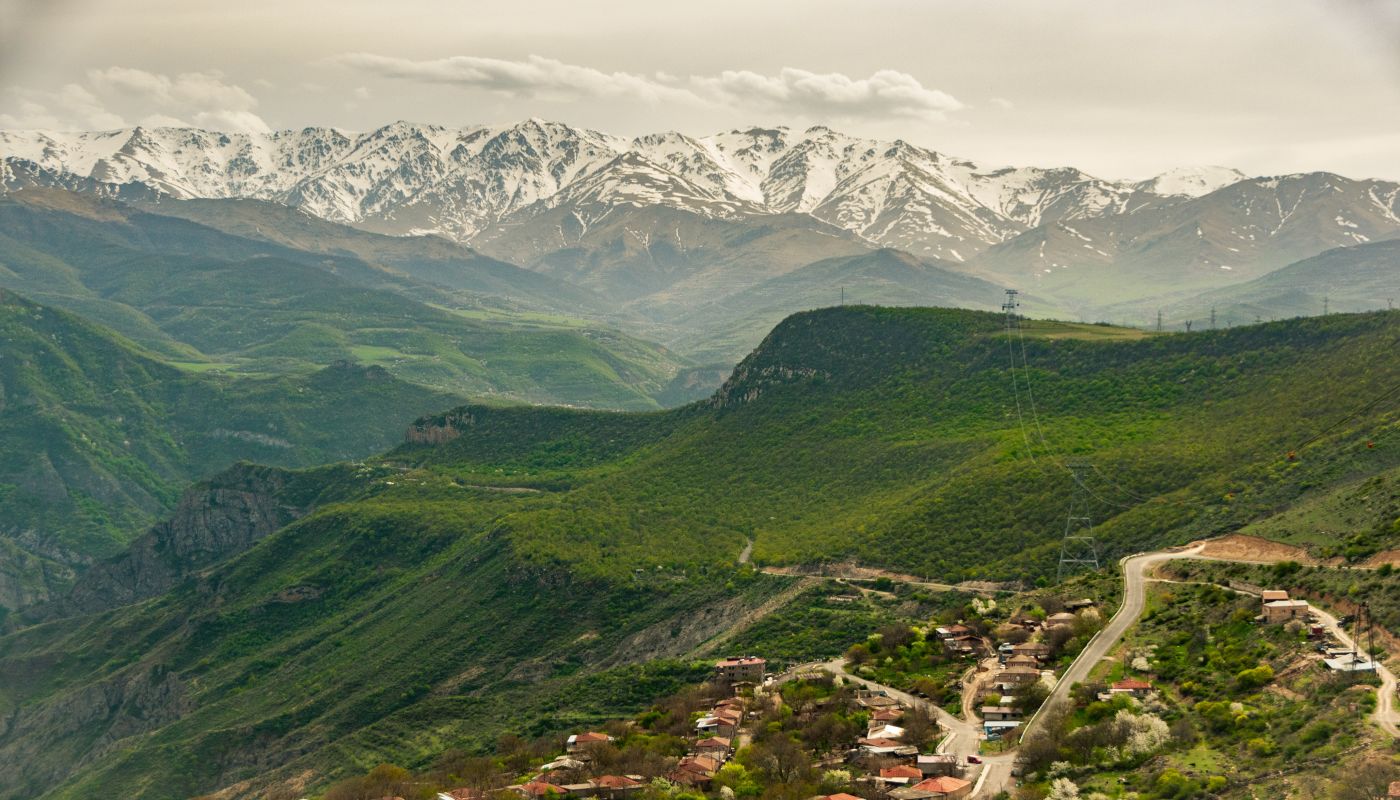
Landscape of Armenia
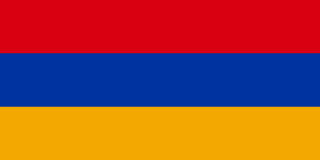
Flag of Armenia

Armenia

Asia

Armenia, located in the South Caucasus region of Eurasia, is a country known for its rich cultural heritage, stunning natural landscapes, and friendly people. The population of Armenia is around 3 million people, and the country is known for its strong sense of community and hospitality toward visitors. The Armenian people have a deep respect for tradition and family values. Despite its small size, Armenia has a rich and vibrant culture, with a long history of artistic and intellectual achievement, particularly in the fields of music, literature, and the visual arts. The country is also known for its stunning mountain landscapes, ancient monasteries, and delicious cuisine.

What would you like to learn about in Armenia?

Select a section to explore the country where nonprofits are creating positive change.

About Armenia

Armenia prides itself on being the first nation to formally adopt Christianity (early 4th century). Despite periods of autonomy, over the centuries Armenia came under the sway of various empires including the Roman, Byzantine, Arab, Persian, and Ottoman. During World War I in the western portion of Armenia, Ottoman Turkey instituted a policy of forced resettlement coupled with other harsh practices that resulted in at least 1 million Armenian deaths. The eastern area of Armenia was ceded by the Ottomans to Russia in 1828; this portion declared its independence in 1918, but was conquered by the Soviet Red Army in 1920. Armenian leaders remain preoccupied by the long conflict with Azerbaijan over Nagorno-Karabakh, a primarily Armenian-populated region, assigned to Soviet Azerbaijan in the 1920s by Moscow. Armenia and Azerbaijan began fighting over the area in 1988; the struggle escalated after both countries attained independence from the Soviet Union in 1991. By May 1994, when a cease-fire took hold, ethnic Armenian forces held not only Nagorno-Karabakh but also a significant portion of Azerbaijan proper. The economies of both sides have been hurt by their inability to make substantial progress toward a peaceful resolution. Turkey closed the common border with Armenia in 1993 in support of Azerbaijan in its conflict with Armenia over control of Nagorno-Karabakh and surrounding areas, further hampering Armenian economic growth. In 2009, senior Armenian leaders began pursuing rapprochement with Turkey, aiming to secure an opening of the border, but Turkey has not yet ratified the Protocols normalizing relations between the two countries.

Quick Facts

Population
2,974,184 (July 2013 est.)
Area
29,743 sq km
ISO Code
AM
Continent
Asia
Government
republic
Active Causes
12
View all countries in Asia

Geography & Environment

Climate

highland continental, hot summers, cold winters

Terrain

Armenian Highland with mountains; little forest land; fast flowing rivers; good soil in Aras River valley

Natural Resources

small deposits of gold, copper, molybdenum, zinc, bauxite

Environmental Issues

soil pollution from toxic chemicals such as DDT; the energy crisis of the 1990s led to deforestation when citizens scavenged for firewood; pollution of Hrazdan (Razdan) and Aras Rivers; the draining o...

People & Society

73.75 years
Avg. Life Expectancy
99.6%
Literacy Rate
64.1% of total population (2011)
Total Urban Population

Languages

Armenian (official) 97.7%, Yezidi 1%, Russian 0.9%, other 0.4% (2001 census)

Religions

Armenian Apostolic 94.7%, other Christian 4%, Yezidi (monotheist with elements of nature worship) 1.3%

Health Expenditure

4.4% of GDP (2010) of GDP

Education Expenditure

3.2% of GDP (2010) of GDP

Economy

$5,900
GDP per Capita (PPP)
7%
Unemployment Rate
35.8% (2010 est.)
Below Poverty Line

Economic Overview

After several years of double-digit economic growth, Armenia faced a severe economic recession with GDP declining more than 14% in 2009, despite large loans from multilateral institutions. Sharp declines in the construction sector and workers' remittances, particularly from Russia, led the downturn. The economy began to recover in 2010 with 2.1% growth, and picked up to 4.6% growth in 2011, before slowing to 3.8% in 2012. Under the old Soviet central planning system, Armenia developed a modern industrial sector, supplying machine tools, textiles, and other manufactured goods to sister republic...

Causes in Armenia

Environment

Armenia, a landlocked country in the South Caucasus region, is greatly influenced by its environment. The country's geography, characterized by mountainous terrain and diverse ecosystems, plays a crucial role in shaping its climate and natural resources. Armenia faces environmental challenges such as deforestation, air and water pollution, and soil degradation, largely due to industrial activities, mining operations, and inadequate waste management practices. These issues not only pose threats to the health and well-being of the population but also endanger the country's rich biodiversity and cultural heritage. Addressing these environmental concerns is essential to safeguarding Armenia's natural assets for future generations and promoting sustainable development practices. By raising awareness and implementing effective conservation measures, Armenia can work towards preserving its environment and ensuring a healthier and more sustainable future for all its inhabitants.

Family

In Armenia, family plays a central role in shaping the social fabric and identity of its people. The Armenian culture places a high value on strong family bonds, with extended families often living together and providing mutual support and care across generations. This emphasis on family is rooted in the country's history and traditions, where familial ties are seen as vital for emotional well-being and societal cohesion. Families in Armenia typically prioritize spending time together, sharing meals, and participating in cultural and religious traditions as a means of fostering unity and connection. Additionally, families in Armenia often serve as a primary source of financial assistance and emotional support, especially in times of hardship or crisis. The close-knit nature of Armenian families contributes to a sense of belonging and security for individuals, reinforcing the importance of family relationships in Armenian society.

Human Rights

Armenia, a country located in the South Caucasus region of Eurasia, has a complex history intertwined with human rights issues. The country has grappled with challenges related to freedom of speech, media censorship, and political corruption. One prominent issue is the unresolved conflict with Azerbaijan over the Nagorno-Karabakh region, leading to human rights violations and displacement of people. The Armenian government has faced criticism for restrictions on the right to peaceful assembly and political participation. Discrimination against minority groups, such as the Yazidis and LGBTQ+ community, also remains a concern. Efforts to address these issues through legal reforms and strengthening democratic institutions are ongoing but face significant obstacles. Understanding the intersection of human rights and Armenia's socio-political landscape is crucial in advocating for justice and equality in the region.

Education

Armenia, a country in the South Caucasus region, places a high value on education as a crucial factor in shaping its future. With a history rich in cultural and intellectual achievements, Armenia recognizes the importance of education in driving progress and innovation. The country's education system has undergone significant reforms aimed at enhancing quality and accessibility, with efforts focused on improving curriculum standards and teacher training. However, challenges such as limited resources and infrastructure continue to hinder educational development in certain areas. Despite these obstacles, Armenia remains committed to investing in education as a means to empower its citizens and foster socio-economic growth.

Poverty

Armenia, a country in the South Caucasus region, faces significant challenges related to poverty that have lasting impacts on its population. Despite recent economic growth, poverty remains a pressing issue, with approximately 30% of Armenians living below the national poverty line. The persistence of poverty in Armenia is attributed to various factors, including high unemployment rates, particularly in rural areas, limited access to quality education and healthcare services, and inadequate social protection systems. Poverty not only affects individuals' well-being but also hinders the country's overall development and stability. Addressing poverty in Armenia requires targeted interventions that focus on improving employment opportunities, enhancing social safety nets, and promoting inclusive growth to ensure a more sustainable and equitable future for all Armenians.

Religion

Armenia, located in the South Caucasus region, has a rich cultural heritage deeply intertwined with religion. The predominant religion in Armenia is Christianity, specifically the Armenian Apostolic Church, which is one of the oldest Christian churches in the world. Religion plays a significant role in the lives of Armenians, influencing their traditions, values, and societal norms. The Armenian Apostolic Church serves as a focal point for community gatherings, celebrations, and rites of passage. It also serves as a source of strength and unity for the Armenian people, especially during times of hardship and political turmoil. The influence of religion extends beyond spiritual beliefs to shape various aspects of Armenian society, including education, healthcare, and governance. Understanding the profound impact of religion on Armenian culture is essential to comprehending the country's identity and history.

Clean Water

Armenia, a landlocked country located in the South Caucasus region, faces significant challenges regarding clean water access and quality. With a population of approximately 3 million people, Armenia's water resources are under immense pressure due to pollution from industrial activities, outdated infrastructure, and agricultural runoff. The inadequate management of water resources has led to a widespread water crisis, with many communities lacking access to safe and clean drinking water. This situation not only poses serious health risks to the population but also hinders economic development and perpetuates poverty in the country. Addressing the issues related to clean water in Armenia is crucial for ensuring the well-being of its people and the sustainability of its environment.

Economy

Armenia, a landlocked country in the South Caucasus region of Eurasia, has faced economic challenges that have significantly impacted its population and development. The economy of Armenia heavily relies on agriculture, mining, and tourism, with agriculture employing over a quarter of the workforce. However, the country has been plagued by issues such as unemployment, poverty, and corruption, hindering its economic progress. The economy has also been affected by regional conflicts and geopolitical tensions, further complicating the situation. As a result, many Armenians have been forced to emigrate in search of better opportunities, leading to a brain drain that has further strained the economy. Addressing these economic issues is crucial for Armenia's future stability and prosperity.

Government

Armenia, a country located in the South Caucasus region of Eurasia, has a complex history marked by periods of independence and foreign rule. The government of Armenia plays a significant role in shaping the country's political, social, and economic landscape. The impact of the government on Armenia is evident in various aspects such as governance, public services, infrastructure development, and foreign relations. The government's policies and decisions influence the overall well-being of its citizens, economic stability, and international standing. Additionally, the government's stance on issues like human rights, corruption, and democracy significantly shapes the country's trajectory. Understanding the role of the government in Armenia is crucial for fostering transparency, accountability, and sustainable development in the nation.

Health

Armenia, a country located in the South Caucasus region, faces various health challenges that significantly impact its population. One of the primary health concerns in Armenia is the prevalence of non-communicable diseases such as cardiovascular diseases, cancer, and diabetes. These diseases account for a substantial portion of the country's overall disease burden and contribute to premature mortality rates. Additionally, Armenia struggles with access to quality healthcare services, particularly in rural areas, which can lead to disparities in health outcomes among different segments of the population. Poor sanitation and environmental pollution also pose significant health risks to the people of Armenia. Addressing these health challenges requires comprehensive strategies that focus on improving healthcare infrastructure, increasing access to medical services, promoting healthy lifestyles, and addressing environmental health issues.

Children

Armenia, a country located in the Caucasus region of Eurasia, faces various challenges that impact its children. One significant issue is the high poverty rate, which affects approximately one-third of Armenian children, leading to inadequate access to education, healthcare, and nutrition. This situation exacerbates the vulnerability of children and poses long-term consequences on their development and well-being. Furthermore, Armenia has a history of conflict and displacement, with ongoing tensions in the region, making children particularly susceptible to trauma and mental health issues. Addressing these challenges requires concerted efforts from the government, NGOs, and international partners to ensure the protection and support of Armenia's children for a brighter future.

Animals

In Armenia, animals play a significant role in the ecosystem and cultural heritage of the country. The diverse landscapes of Armenia, ranging from high mountains to lush forests, provide habitats for a variety of animal species. However, wildlife in Armenia faces various threats such as habitat loss, poaching, and climate change. Endangered species like the Caucasian leopard and Bezoar ibex are particularly at risk. Additionally, domestic animals like cattle, sheep, and horses are integral to Armenian agriculture and traditional way of life. Conservation efforts are being made to protect the country's wildlife and preserve its biodiversity for future generations.

Nonprofits Working in Armenia

Discover organizations making a difference in Armenia

KENDALL OPTOMETRY MINISTRY INC

ORGANIZATIONAL MISSION STATEMENT With primary emphasis in underdeveloped countries, Kendall Optometry Ministry, Inc. was established in 2003 to spread the Word of our Lord and Savior Jesus Christ. This is accomplished by providing glasses to improve the vision of people living in many underdeveloped countries. These impoverished people can now see to read their Bible, and also improve their standard of living. Kendall Optometry Ministry, Inc (KOM) is a 501-3c non-profit organization formed to provide optical equipment and training to Christian optical mission teams traveling all over the world. The equipment and training is provided at no cost and supplies are provided at a break even price. Teams are responsible for building their own eyeglasses inventory but much assistance (in the form of training and software) is provided by KOM to assist in the building of this inventory. KOM also has a limited supply of barcoded glasses (prescription in barcode) which can be used to quickly build an inventory. A testimonial by the President. (Revised: 9/8/2018) I grew up in a Christian family. My father, M. H. Kendall , was a college professor and head of the religion department at Mars Hill College, Mars Hill, N.C. for nearly 40 years. I worked for 29 years for General Electric Appliances in Louisville, Ky. During the last 4 years I averaged several hundred thousand miles each year on international travel installing computer systems. All of this travel went flawlessly. God blessed me in everything that I did. It was something that I found to be obvious that God had a hand in my work. In July, 1999 I decided I would take one mission trip to Honduras working through an organization called "Baptist Medical Dental Mission International" (BMDMI.ORG). My intent was to "pay back the Lord" with this one mission trip. When I arrived in the village, I asked the team leader what he wanted me to do. He said he had several boxes of used prescription glasses to hand out. These glasses were dirty, broken, and not measured. As you can see in Figure 1 to the left (scroll down a bit), we just set them out on a table and people came by and tried them on until something helped them. I immediately knew this was wrong but it was the best we could do then. I came back from that trip with a God Given passion to do it better. Since 1999 I have gone to Honduras 27 times and Nicaragua 3 times. Each time something would be improved. The use of the autorefractor was introduced into Honduras in 2003 (to see Figure 2 scroll down a bit) and another one into Nicaragua in 2004. A special series of computer programs were developed to manage and build the inventory. You can review these programs at http://eyeglasses-Inventory.com/. Since 2003 of the 51 BMDMI mission teams more than 95% of these teams use the equipment and software developed by Kendall Optometry Ministry, Inc. In 2003 Kendall Optometry Ministry was incorporated as a 501-3c non-profit company. Using donations provided by several churches and individuals this company purchased a set of equipment which could be loaned out to Christian mission teams going all over the world. Later in 2005 a 2nd kit was purchased and in 2006 a 3rd and a 4th kit was purchased. In the beginning of 2007 a 5th kit was purchased. At the end of 2007 a 6th and 7th kit including a Retinomax 3 was purchased. By the end of 2009 the company owned 10 kits. In 2010 the company purchased two more kits. In 2011 the company purchased 1 more kit bringing the total to 13. By 2017 the company had purchased 18 kits. In 2018 KOM purchased kit number 19. See the growth of the company at this link. 2018 is only part of the year on this graph. Other teams will participate. The teams use this equipment to not only allow people to read their Bible but to also to help them improve their standard of living. You can read about some of these teams in the Teams Supported area of this web site. Tell us about your Christian mission team. Let us help you be more effective in your work for the Lord. If you would like our help send an E-Mail to: HollandKendall@kendalloptoministry.org Holland Kendall, President Kendall Optometry Ministry, Inc.

LOUISVILLE, Kentucky

Make Your Impact Today

Discover causes you care about and support the nonprofits making a difference in communities around the world.

Are you a nonprofit? Join Project World Impact for free

Join Us Free