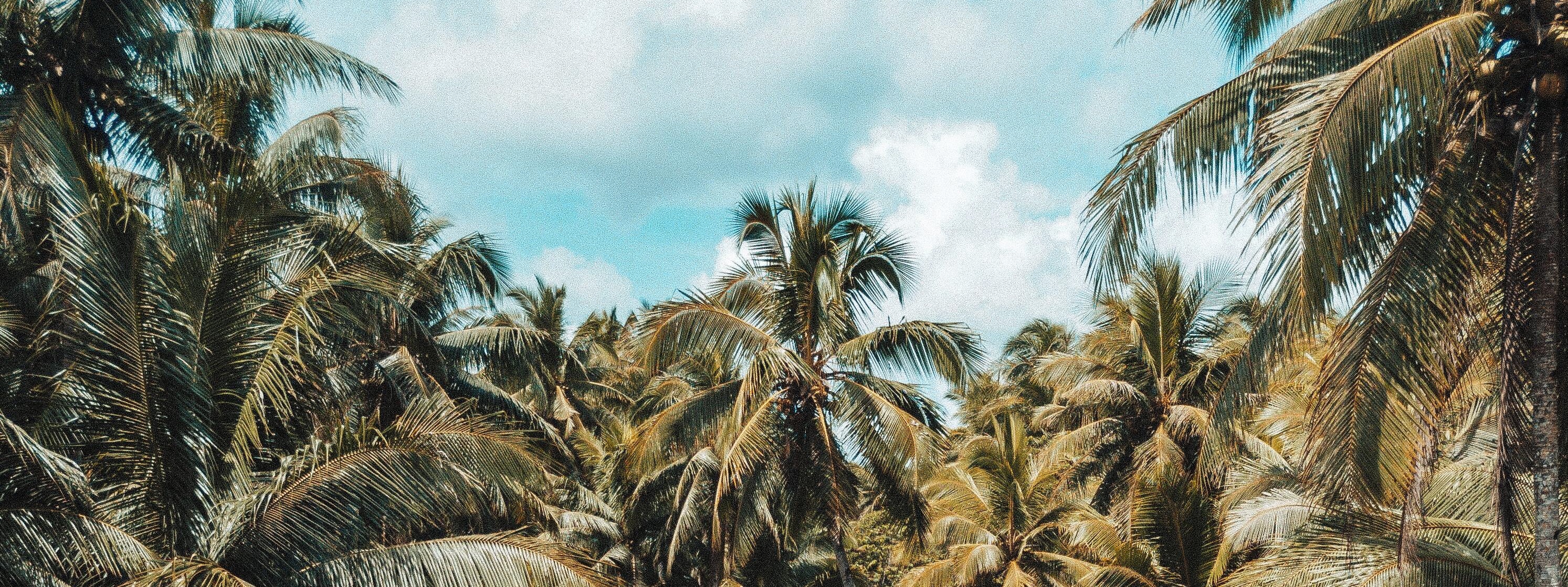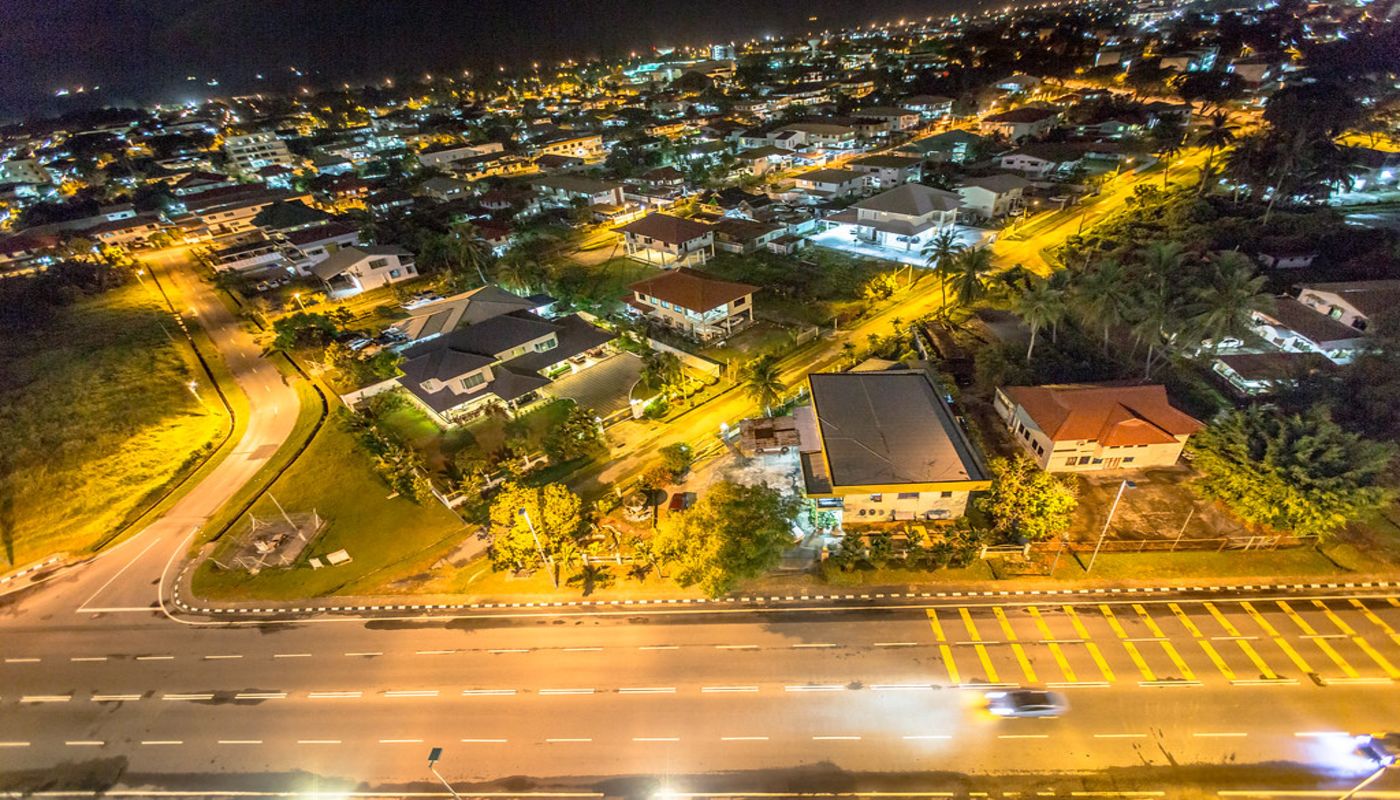
Landscape of Brunei Darussalam
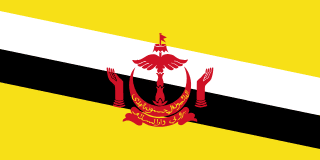
Flag of Brunei Darussalam

Brunei Darussalam

Asia

Brunei Darussalam, commonly known as Brunei, is a small sovereign state located on the island of Borneo in Southeast Asia. It is bordered by the Malaysian states of Sabah and Sarawak to the north and surrounded by the South China Sea to the east, south, and west. Brunei is known for its vast oil and gas reserves, which have made it one of the wealthiest countries in the world. It has a population of approximately 460,000 people, and its capital city, Bandar Seri Begawan, is home to numerous museums, mosques, and landmarks, including the opulent Sultan Omar Ali Saifuddien Mosque and the iconic golden-domed Royal Mausoleum. The country's official religion is Islam, and its legal system is based on Islamic law.

What would you like to learn about in Brunei Darussalam?

Select a section to explore the country where nonprofits are creating positive change.

About Brunei Darussalam

The Sultanate of Brunei's influence peaked between the 15th and 17th centuries when its control extended over coastal areas of northwest Borneo and the southern Philippines. Brunei subsequently entered a period of decline brought on by internal strife over royal succession, colonial expansion of European powers, and piracy. In 1888, Brunei became a British protectorate; independence was achieved in 1984. The same family has ruled Brunei for over six centuries. Brunei benefits from extensive petroleum and natural gas fields, the source of one of the highest per capita GDPs in Asia.

Quick Facts

Population
415,717 (July 2013 est.)
Area
5,765 sq km
ISO Code
BN
Continent
Asia
Government
constitutional sultanate (locally known as Malay Islamic Monarchy)
Active Causes
12
View all countries in Asia

Geography & Environment

Climate

tropical; hot, humid, rainy

Terrain

flat coastal plain rises to mountains in east; hilly lowland in west

Natural Resources

petroleum, natural gas, timber

Environmental Issues

seasonal smoke/haze resulting from forest fires in Indonesia

People & Society

76.57 years
Avg. Life Expectancy
95.4%
Literacy Rate
76% of total population (2011)
Total Urban Population

Languages

Malay (official), English, Chinese

Religions

Muslim (official) 67%, Buddhist 13%, Christian 10%, other (includes indigenous beliefs) 10%

Health Expenditure

2.8% of GDP (2010) of GDP

Education Expenditure

3.3% of GDP (2012) of GDP

Economy

$55,300
GDP per Capita (PPP)
2.6%
Unemployment Rate
NA%
Below Poverty Line

Economic Overview

Brunei has a small well-to-do economy that depends on revenue from natural resource extraction but encompasses a mixture of foreign and domestic entrepreneurship, government regulation, welfare measures, and village tradition. Crude oil and natural gas production account for 60% of GDP and more than 90% of exports. Per capita GDP is among the highest in Asia, and substantial income from overseas investment supplements income from domestic production. For Bruneian citizens the government provides for all medical services and free education through the university level. The government of Brunei...

Causes in Brunei Darussalam

Environment

Brunei Darussalam, a small country on the island of Borneo, faces significant environmental challenges that have a profound impact on its population and economy. One of the key issues is deforestation, driven by logging, agriculture, and urban expansion, which threatens the country's rich biodiversity and contributes to climate change. As a low-lying coastal nation, Brunei is also vulnerable to rising sea levels and extreme weather events, putting its infrastructure and communities at risk. Additionally, pollution from industrial activities and urban development further degrades air and water quality, posing health risks to the population. Addressing these environmental concerns is crucial for Brunei's sustainable development and the well-being of its people.

Family

In Brunei Darussalam, family plays a paramount role in shaping the social fabric and cultural identity of the nation. The concept of family extends beyond the nuclear unit to encompass extended family members, creating strong bonds and a sense of community. Families in Brunei typically uphold traditional values such as respect for elders, filial piety, and collective decision-making. This cohesive family structure fosters a supportive environment for individuals, providing emotional and financial stability. Moreover, the emphasis on family values has a positive impact on societal cohesion, reinforcing social norms and fostering a sense of belonging among its citizens.

Human Rights

Brunei Darussalam, a small sovereign state located on the island of Borneo, has been the subject of scrutiny in relation to human rights issues. The country's legal system is based on a mix of English common law, Islamic law, and local customary law. Human rights in Brunei have been a topic of concern, particularly with regards to freedom of expression, assembly, and association. The government has faced criticism for restrictions on these rights, as well as reports of discrimination and violence against marginalized groups such as the LGBTQ+ community. These issues have drawn attention from international organizations and human rights advocates, urging for reforms to uphold fundamental rights and freedoms for all individuals in Brunei.

Education

Brunei Darussalam, a small sovereign state located on the island of Borneo in Southeast Asia, has made significant strides in the field of education. With a strong emphasis on providing quality education to its citizens, Brunei has seen positive impacts on various aspects of its society. The government's investment in education has led to an increase in literacy rates, improved access to higher education, and a skilled workforce that contributes to the country's economic development. Additionally, education plays a crucial role in preserving Brunei's cultural heritage and traditions, ensuring their continuity for future generations. Through continuous efforts to enhance its educational system, Brunei Darussalam is fostering a knowledgeable and empowered citizenry poised for sustainable growth and development.

Poverty

Brunei Darussalam, a small sovereign state located on the island of Borneo in Southeast Asia, is known for its substantial oil and natural gas reserves, making it one of the wealthiest nations in the world. However, despite its affluence, poverty remains a significant issue in the country. Poverty in Brunei has a profound impact on its population, particularly on marginalized communities and vulnerable groups. Factors such as unemployment, high living costs, and limited access to education and healthcare contribute to the persistence of poverty in the country. Addressing these root causes of poverty is crucial to improving the quality of life for all Bruneians and fostering sustainable development in the nation.

Religion

Brunei Darussalam, a small sovereign state located on the island of Borneo, is known for its strong adherence to Islam as the official religion of the country. The impact of religion on Bruneian society is profound, influencing various aspects of life including governance, culture, and social norms. Sharia law plays a significant role in shaping the legal system of Brunei, with punishments such as stoning and amputation being prescribed for certain offenses. The government's commitment to upholding Islamic principles is reflected in policies that promote religious education and observance, as well as in the construction of mosques and Islamic institutions across the country. While the majority of Bruneians identify as Muslims, there are also minority Christian and Buddhist communities that coexist within the religious landscape of the nation. Understanding the centrality of religion in Brunei is crucial for appreciating the cultural richness and diversity of this Southeast Asian nation.

Clean Water

Brunei Darussalam, a small sovereign state located on the island of Borneo in Southeast Asia, faces significant challenges in ensuring access to clean water for its population. While the country is affluent due to its oil and gas reserves, clean water scarcity remains a pressing issue. Limited freshwater sources, contamination from industrial activities, and inadequate infrastructure contribute to the struggle for clean water in Brunei Darussalam. The lack of access to safe drinking water not only poses health risks but also hinders socio-economic development in the country. Addressing these challenges is crucial to improving the well-being and quality of life for the people of Brunei Darussalam.

Economy

Brunei Darussalam, a small Southeast Asian nation on the island of Borneo, is known for its oil and gas resources that have historically shaped its economy. The economy of Brunei is heavily reliant on the oil and gas sector, accounting for a significant portion of its GDP and government revenue. As a result, fluctuations in global oil prices directly impact Brunei's economy and government finances. While efforts have been made to diversify the economy by investing in sectors such as tourism and agriculture, the country's heavy reliance on oil and gas exposes it to economic vulnerabilities. The COVID-19 pandemic further exacerbated these challenges, leading to a decline in economic activity and government revenue. Moving forward, Brunei will need to continue diversifying its economy to reduce its dependence on oil and gas and build resilience against external shocks.

Government

Brunei Darussalam, a small Southeast Asian nation on the island of Borneo, is a constitutional sultanate with a unique political system where the Sultan of Brunei serves as both the head of state and the head of government. The government of Brunei plays a crucial role in shaping the country's socio-political landscape, as it wields significant influence over various aspects of public life, including legislation, economic policies, and social welfare programs. The government's impact is particularly pronounced in areas such as education, healthcare, and infrastructure development, where state intervention is vital for driving progress and improving the quality of life for Bruneian citizens. Furthermore, the government's policies on issues such as human rights, religious freedom, and environmental conservation also have far-reaching consequences for the country and its people. As such, understanding the role of the government in Brunei is essential for comprehending the country's governance structure and its implications for society at large.

Health

Brunei Darussalam, a small Southeast Asian nation on the island of Borneo, has made significant strides in healthcare over the years. The country's healthcare system is primarily funded by the government, providing its citizens with access to high-quality medical services. However, despite these advancements, Brunei Darussalam still faces health challenges that impact its population. Non-communicable diseases such as diabetes, cardiovascular diseases, and obesity are prevalent in the country, posing a significant burden on its healthcare system. Additionally, mental health issues have also been on the rise in recent years, calling for increased attention and resources to address this growing concern. It is crucial for Brunei Darussalam to continue investing in preventive healthcare measures and promoting healthy lifestyles to combat these health issues effectively.

Children

Brunei Darussalam, a small yet affluent nation located on the island of Borneo, faces a variety of challenges that impact its children. Despite being one of the wealthiest countries in Southeast Asia, poverty still exists within certain segments of the population, leading to issues such as limited access to education and healthcare for some children. Additionally, the prevalence of non-communicable diseases like diabetes and obesity among both children and adults poses a significant health concern for the nation's youth. Cultural factors and societal expectations also play a role in shaping the experiences of children in Brunei, influencing their access to opportunities and resources. By understanding and addressing these complex factors, efforts can be made to improve the well-being and future prospects of children in Brunei Darussalam.

Animals

Brunei Darussalam, a small yet affluent nation on the island of Borneo, boasts a rich biodiversity that is integral to its cultural and ecological landscape. Animals play a significant role in the lives of the people of Brunei, with various species serving as symbols of strength, resilience, and spiritual significance. The country's rainforests are home to diverse wildlife, including proboscis monkeys, pygmy elephants, and the critically endangered Bornean orangutans. However, rapid deforestation and habitat loss due to logging, agriculture expansion, and infrastructure development pose a grave threat to these animals' survival. Conservation efforts in Brunei are crucial to protecting the unique flora and fauna that contribute to the country's natural heritage.

Make Your Impact Today

Discover causes you care about and support the nonprofits making a difference in communities around the world.

Are you a nonprofit? Join Project World Impact for free

Join Us Free